
US Army unit in South Korea tests a cheap acoustic sensor net to catch FPV drones
Project MANOWAR, run with South Korean troops at the ROK Army Drone Academy, pairs 3D-printed listening posts with soldier-built machine learning. The unit wants it made a programme of record.
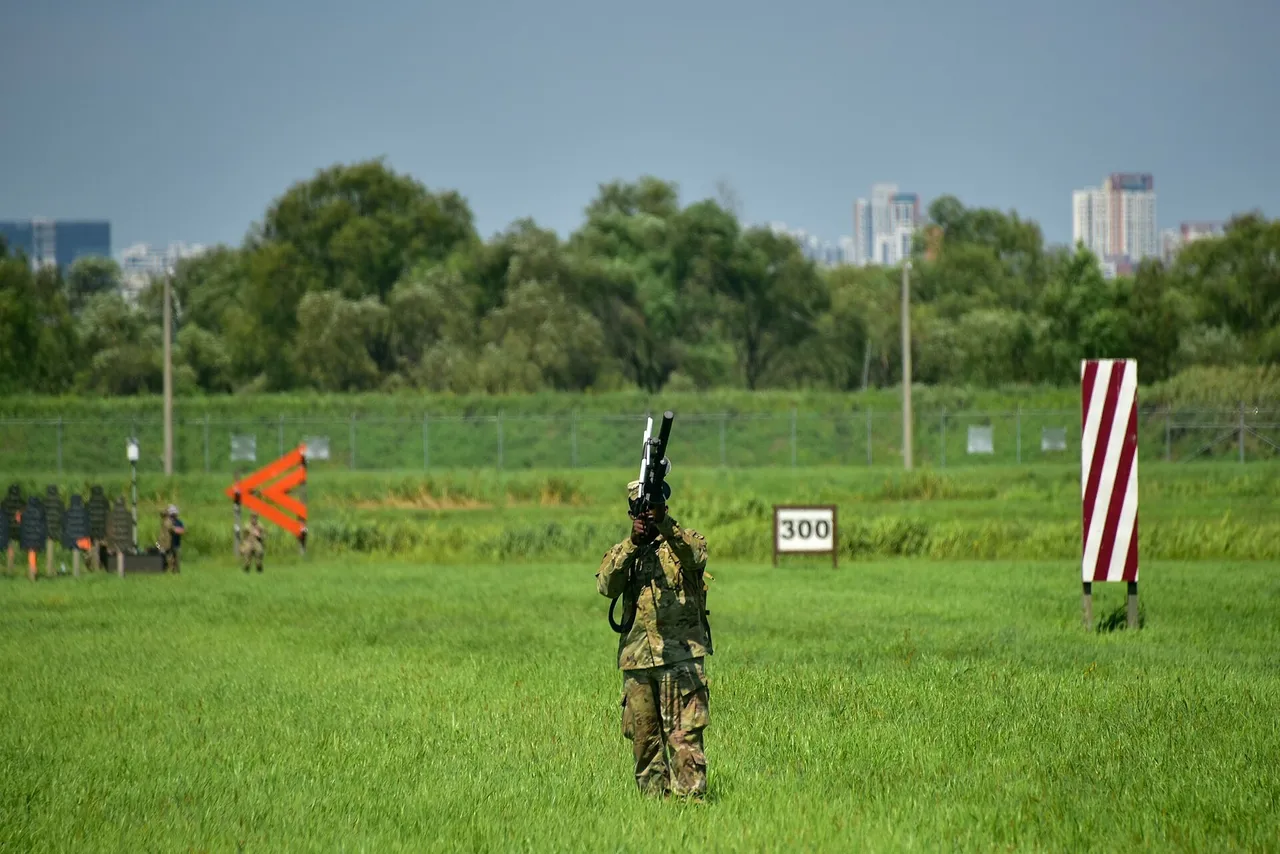

TAIPEI —
A US Army military intelligence battalion in South Korea has spent eight months testing a low-cost network of acoustic sensors meant to detect, classify and locate small drones, including the first-person-view (FPV) attack drones that have reshaped fighting in Ukraine. The US Army described the effort, called Project MANOWAR, in a release dated 13 November, and the trade outlets Unmanned Airspace and Army Recognition reported on it on 14 November.
MANOWAR stands for Mobile Acoustic Network for Operational Warning and Aerial Reconnaissance. It was run by the 532nd Military Intelligence Battalion of the 501st Military Intelligence Brigade, working with the Army Research Laboratory, the 2nd Infantry Division, industry partners and Republic of Korea Army forces. The experiments were a series of two-week field events at Camp Humphreys and at Baegiri Airfield, home of the South Korean army's Drone Academy, the latest of which took place in September, with photos released from Baegiri dated 9 November.
The system is built around listening posts with 3D-printed housings and a machine-learning model developed in-house by military intelligence soldiers together with scientists from the Army Research Laboratory's Mechanical Sensing Branch. Each sensor runs on standard military batteries and also acts as a relay, so the posts form a mesh that the Army says can heal itself when a node drops out. Reports are passed through that mesh to a separate local display.
The sensors pick up drones by their sound rather than by radar. The Army pitches it as one layer of an integrated air defence architecture, scalable from a patrol base to theatre-level infrastructure. It warns of drones but does not shoot them down; that job falls to other systems.
According to the Army, the first experiment in May set a baseline. By September the team had trained a smaller onboard model on recordings gathered by its own sensors and labelled by its own soldiers, and operators saw steadier detections. The Army said the system reached more than 90 percent window-level confidence against low-altitude threats and demonstrated localisation as well as classification.
Army Recognition cautioned that the figure is a classification confidence measured within analysis windows, not a claim that nine in ten incoming drones were caught. The release does not give the window length, detection ranges, false-alarm rates, localisation accuracy or unit cost, the outlet noted.
Lt. Col. William Campbell, the battalion commander, argued that the spread of small Group 1 and 2 drones and FPV systems has eliminated any idea of a safe rear area. On the Korean Peninsula, he said, dense urban terrain and thick foliage block line of sight, so FPV threats compress the time units have to react. He said counter-drone readiness should be treated as a basic skill at every echelon rather than a specialist task.
The battalion now wants to move MANOWAR into scaled production and a formal Army programme of record. Campbell said a cheap, high-volume detection layer was needed to reach the scale of modern conflict and that the sensor could also be exported to other US geographic combatant commands. No fielding timetable has been announced.
The work was bilateral throughout. Campbell said experimenting alongside South Korean soldiers exposed integration gaps in real time and helped the two armies refine shared tactics, techniques and procedures for early warning. The Army said the project was meant to strengthen procedural, technical and interpersonal interoperability for the Korean theatre.
Army Recognition placed the trial in a wider US Army push to field drones and counter-drone tools down to small units, shaped by lessons from Ukraine and by attacks on US bases in the Middle East, such as the January 2024 drone strike on Tower 22 in Jordan that killed three US service members.
Sources
More in Indo-Pacific
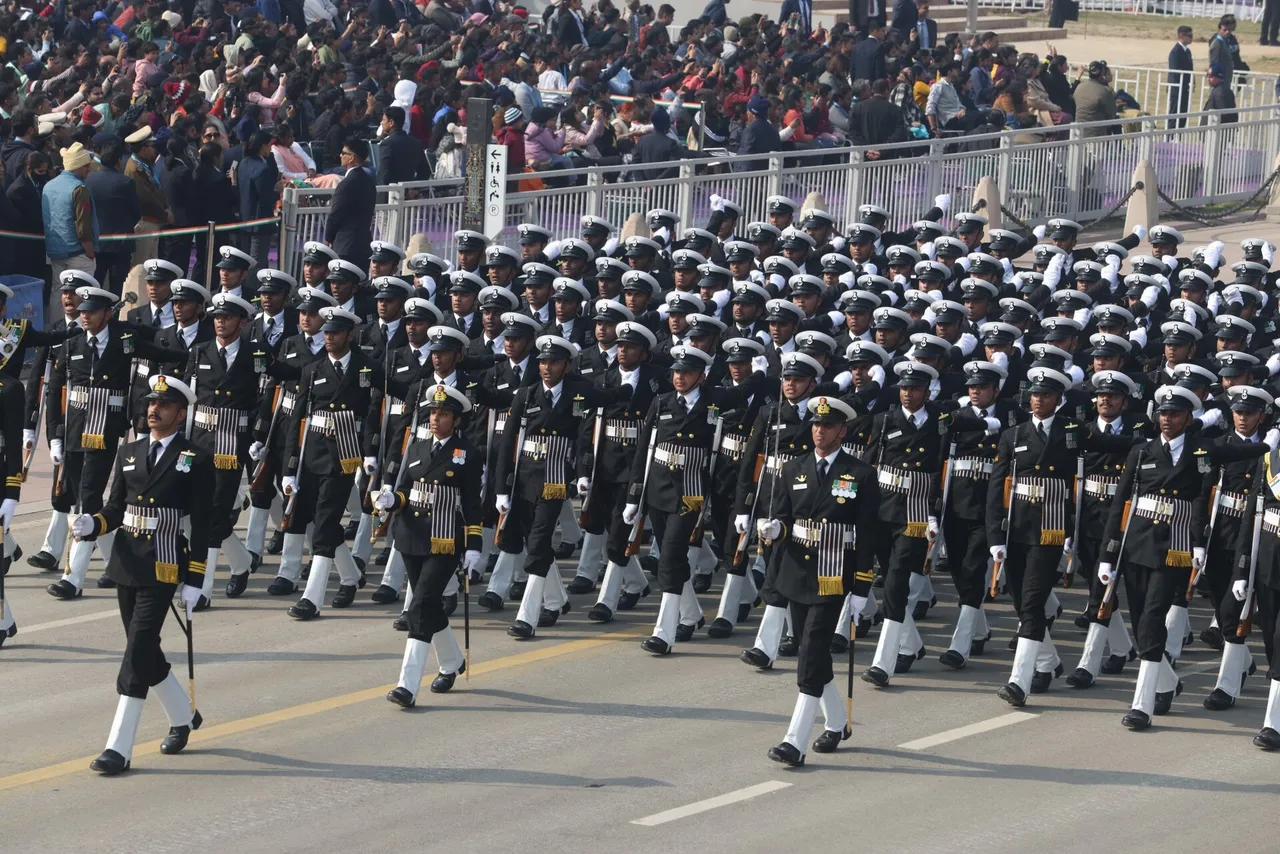
India's navy passes out its biggest recruit batch as Agniveers gain a route to permanent service
Of 3,358 trainees graduating at INS Chilka, 2,756 were Agniveers, and the navy chief told them a revamped scheme now lets them compete for full careers.
TaiwanDefence · 5h ago · 3 min read
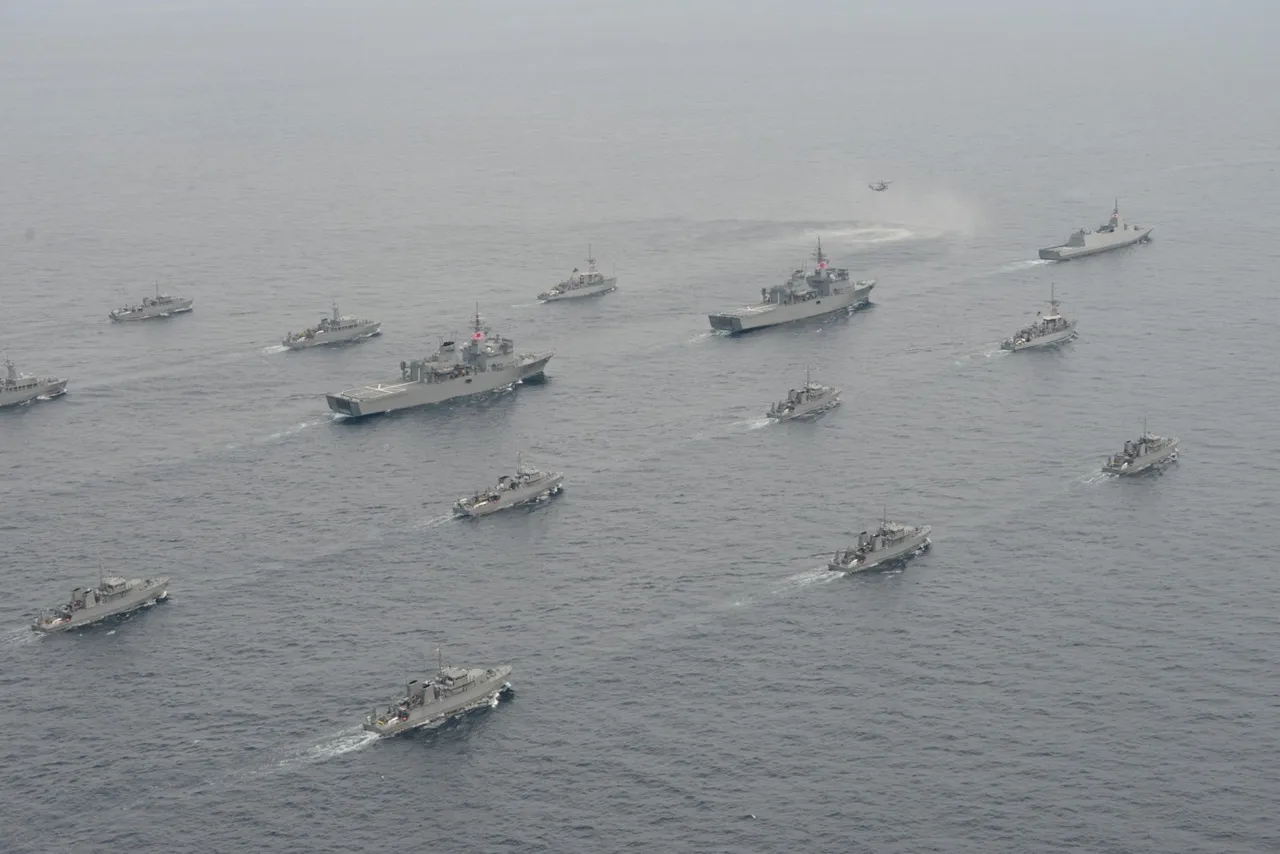
Japan's navy masses minesweepers off Kyushu for 11 days of mine-clearing drills with the US Navy
Sixteen Japanese ships, two helicopters and a US Navy mine countermeasures vessel will train in the Hyuganada sea from 16 to 26 November, with about 1,000 personnel.
TaiwanDefence · 8h ago · 2 min read
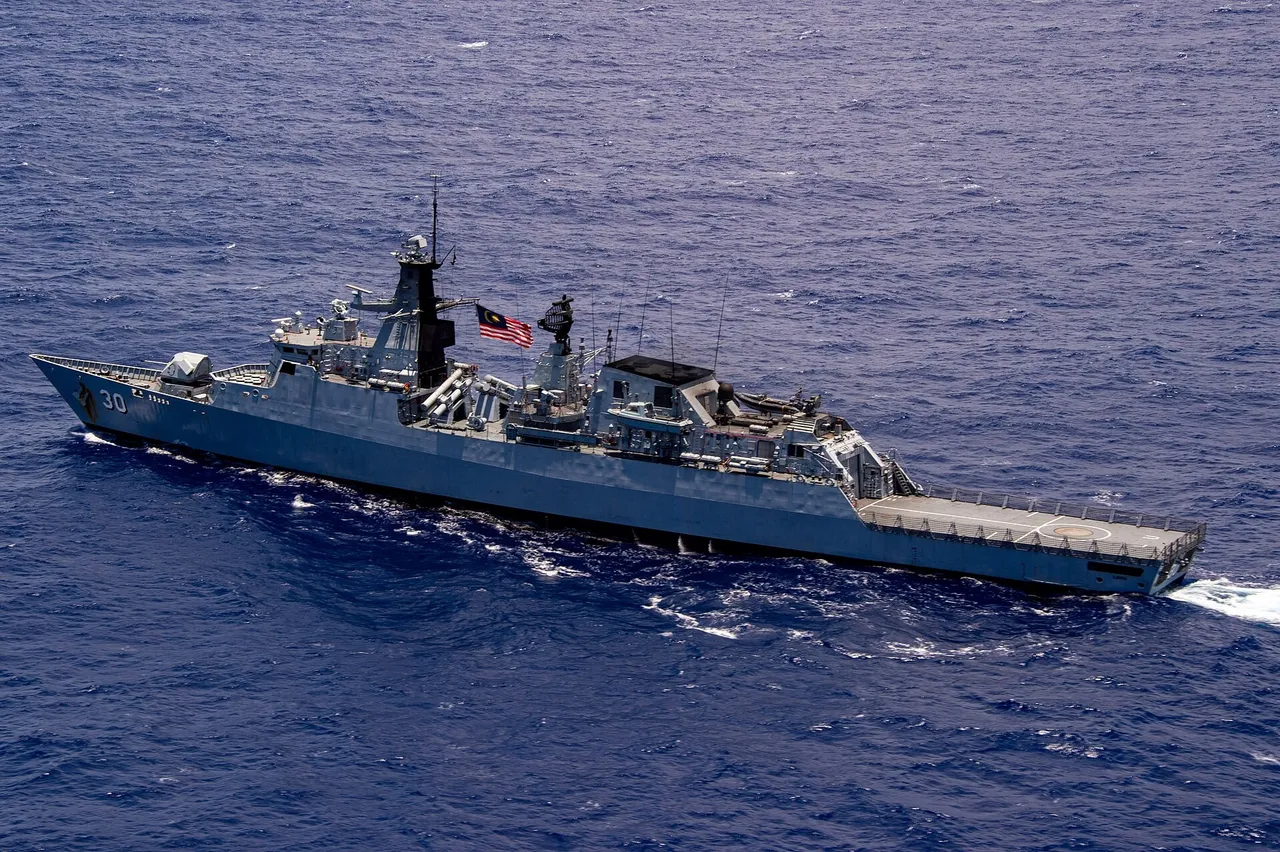
Anwar says some Malaysian defence projects have dragged on for 20 years, blaming agents and high commissions
Malaysia's prime minister says the navy's ships were among the oldest and smallest he saw at Langkawi, and wants the armed forces, not politicians, to choose new equipment.
TaiwanDefence · 9h ago · 2 min read
Discussion (0)
Comments are not currently available.