
Japan's navy masses minesweepers off Kyushu for 11 days of mine-clearing drills with the US Navy
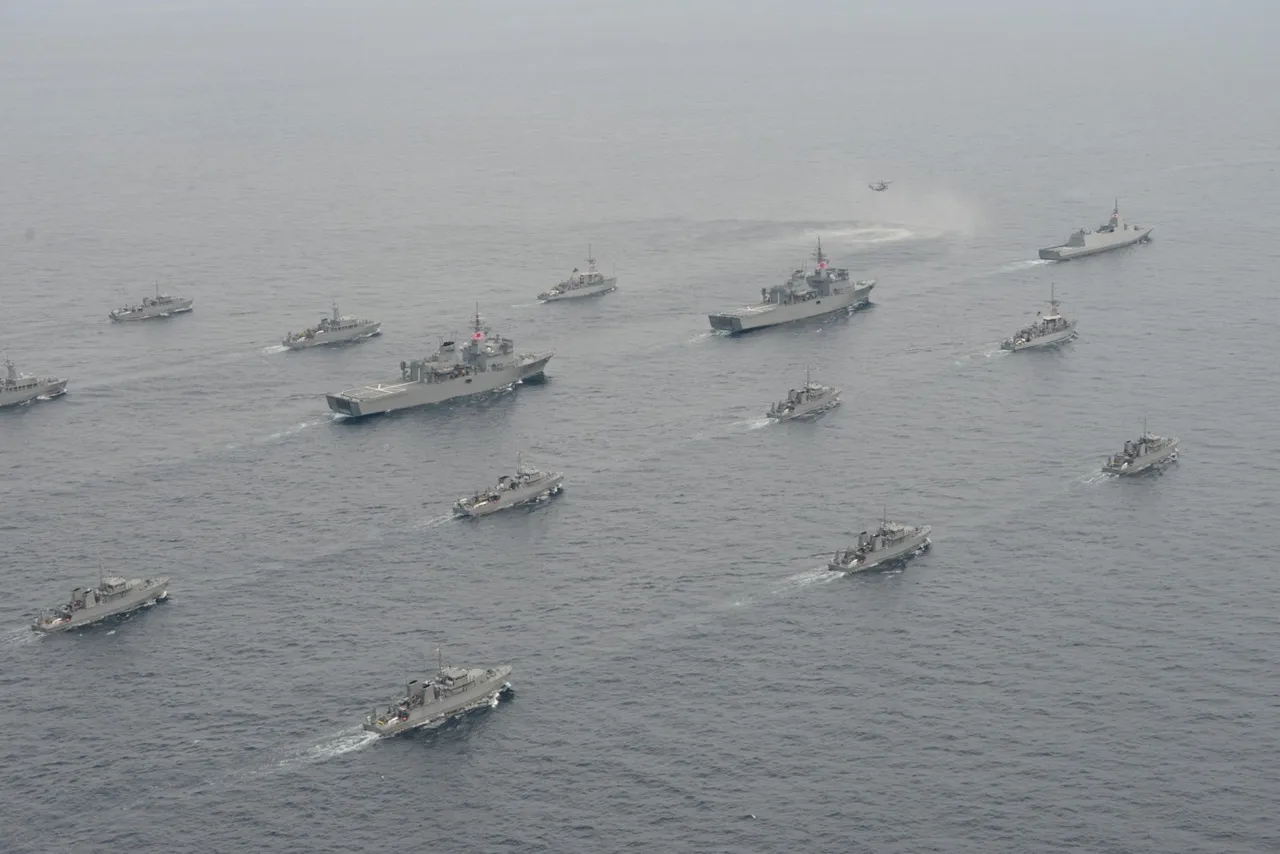
Sixteen Japanese ships, two helicopters and a US Navy mine countermeasures vessel will train in the Hyuganada sea from 16 to 26 November, with about 1,000 personnel.

TAIPEI —
Japan's Maritime Self-Defense Force is preparing to run 11 days of mine warfare training in the Hyuganada sea off Miyazaki Prefecture, on the east coast of Kyushu, together with the US Navy. The drills are scheduled from 16 to 26 November and will involve about 1,000 people, according to local broadcaster Nichinan TV.
Ahead of the exercise, ten vessels including minesweepers drawn from bases across Japan sailed into Aburatsu port in the city of Nichinan, FNN reported. A local association that supports visiting navy ships held a welcome ceremony on Saturday, 14 November, attended by about 100 crew members and residents. The city's mayor and association members presented the crews with flowers and local produce, and the minesweeper tender Uraga was later opened to the public.
Nichinan TV said the Japanese side will commit 16 ships, among them a minesweeper tender and minesweepers, as well as two aircraft. The US Navy is adding one mine countermeasures ship. FNN put US participation at about 40 personnel, alongside roughly 1,000 from the Japanese force.
The maritime staff office set out the detailed order of battle when it announced the drills on 9 November. According to that release, as republished by the specialist outlet J Defense News, the Japanese contingent comprises one minesweeper tender, three ocean minesweepers, eight coastal minesweepers, three destroyers and one transport ship, supported by two MCH-101 helicopters and explosive ordnance disposal divers.
The same release said the US contribution would be led by the commander of the US Navy's Mine Countermeasures Squadron 7 and would include divers and operators of uncrewed underwater vehicles, while the US Marine Corps would also send explosive ordnance disposal divers.
The training is commanded by Rear Admiral Masahiro Sato, who heads the force's Amphibious and Mine Warfare Group. At the ceremony he said that sharpening their skills through training was one of the missions entrusted to his crews, according to both broadcasters.
The exercise combines two events. The force's own mine warfare training in the Hyuganada sea has been held since 1992 and this year marks its 32nd edition, while the special minesweeping training, which is run jointly with the United States, dates back to 1955 and is now in its 135th iteration, Nichinan TV reported. Crews will practise clearing simulated mines.
The maritime staff office said the aims were to improve the force's mine warfare capability and its interoperability with the US Navy and Marine Corps, describing the drills as part of efforts to strengthen the deterrence and response capabilities of the Japan-US alliance.
For Nichinan the port call has become a regular fixture. The head of the city's support association thanked the force for returning again this year and urged the crews to enjoy their stay, Nichinan TV reported, while Sato said his sailors were grateful to be given waters in the Hyuganada sea where they could train in earnest.
Sources
More in Indo-Pacific
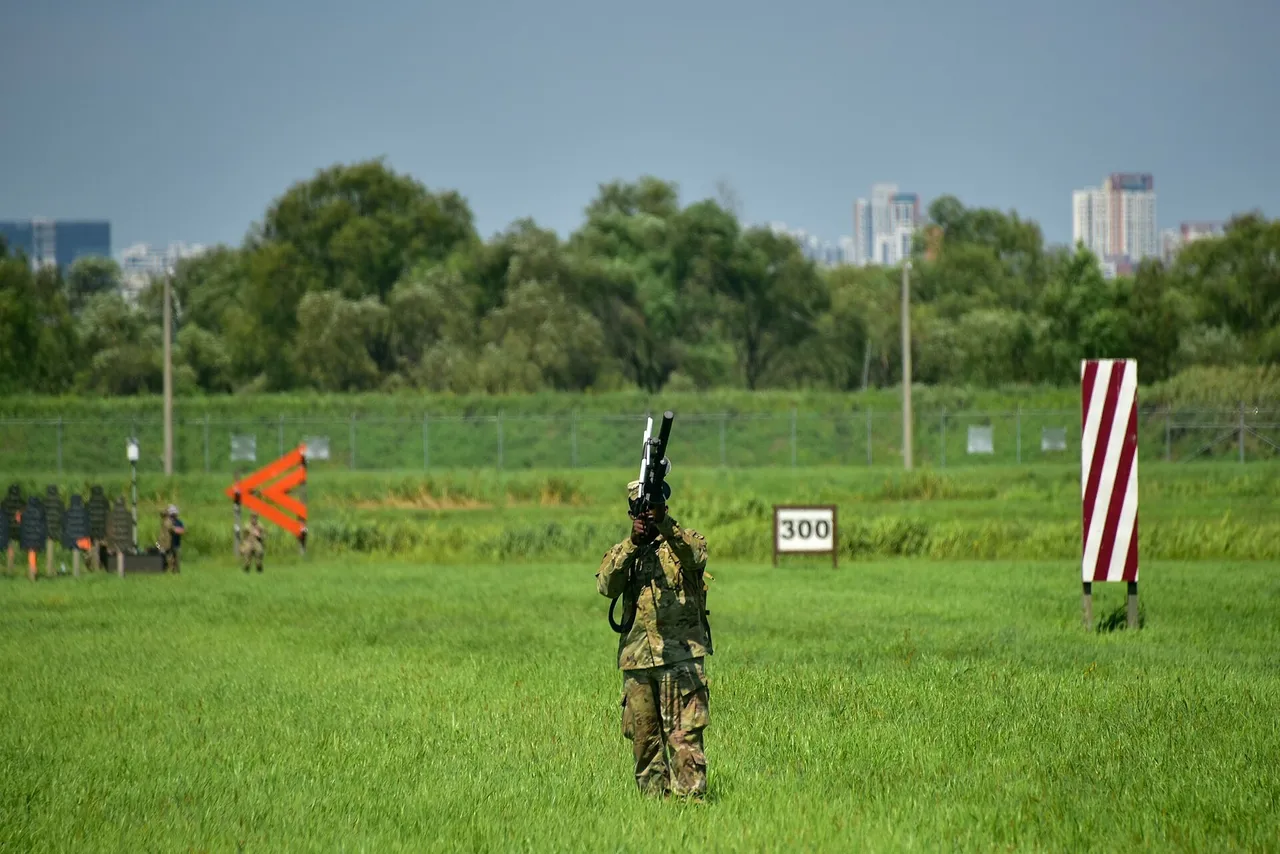
US Army unit in South Korea tests a cheap acoustic sensor net to catch FPV drones
Project MANOWAR, run with South Korean troops at the ROK Army Drone Academy, pairs 3D-printed listening posts with soldier-built machine learning. The unit wants it made a programme of record.
TaiwanDefence · 3h ago · 3 min read
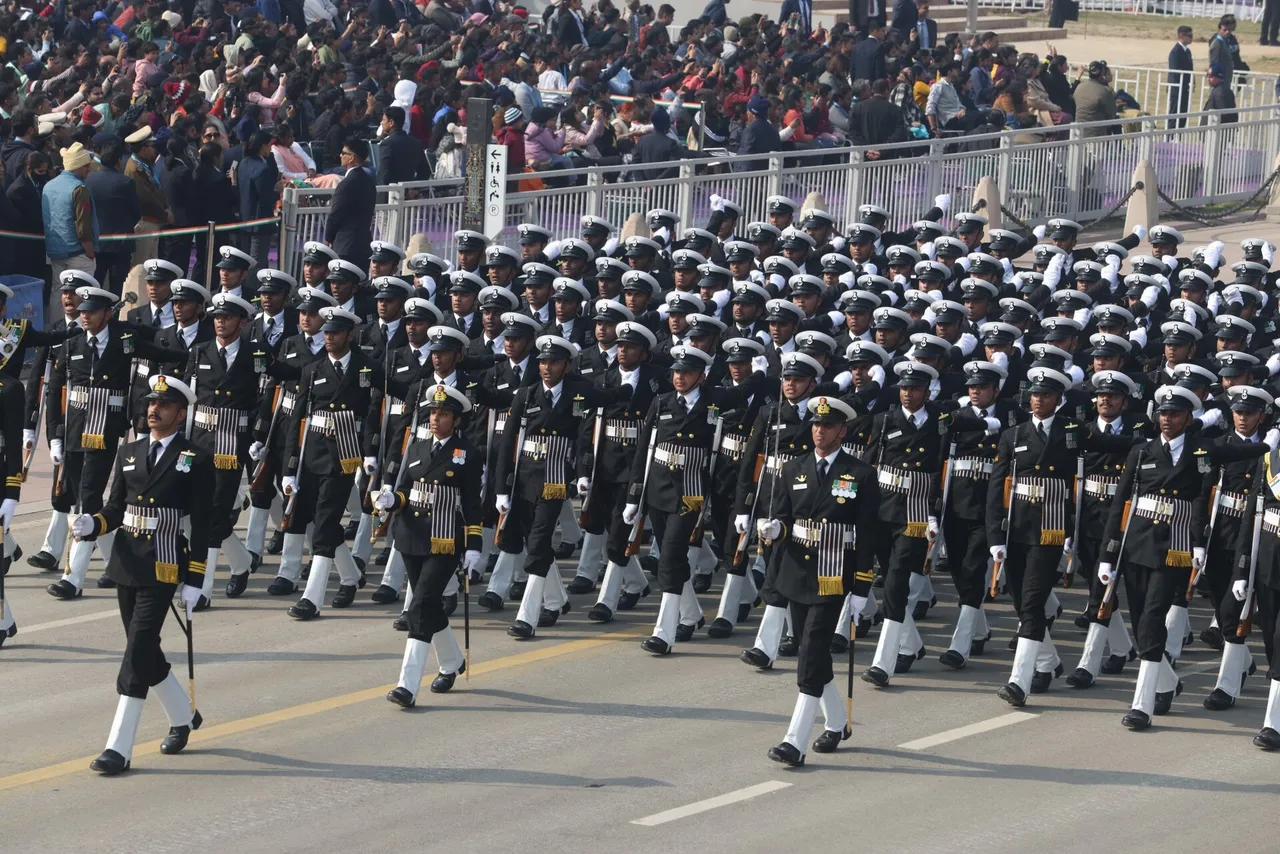
India's navy passes out its biggest recruit batch as Agniveers gain a route to permanent service
Of 3,358 trainees graduating at INS Chilka, 2,756 were Agniveers, and the navy chief told them a revamped scheme now lets them compete for full careers.
TaiwanDefence · 5h ago · 3 min read
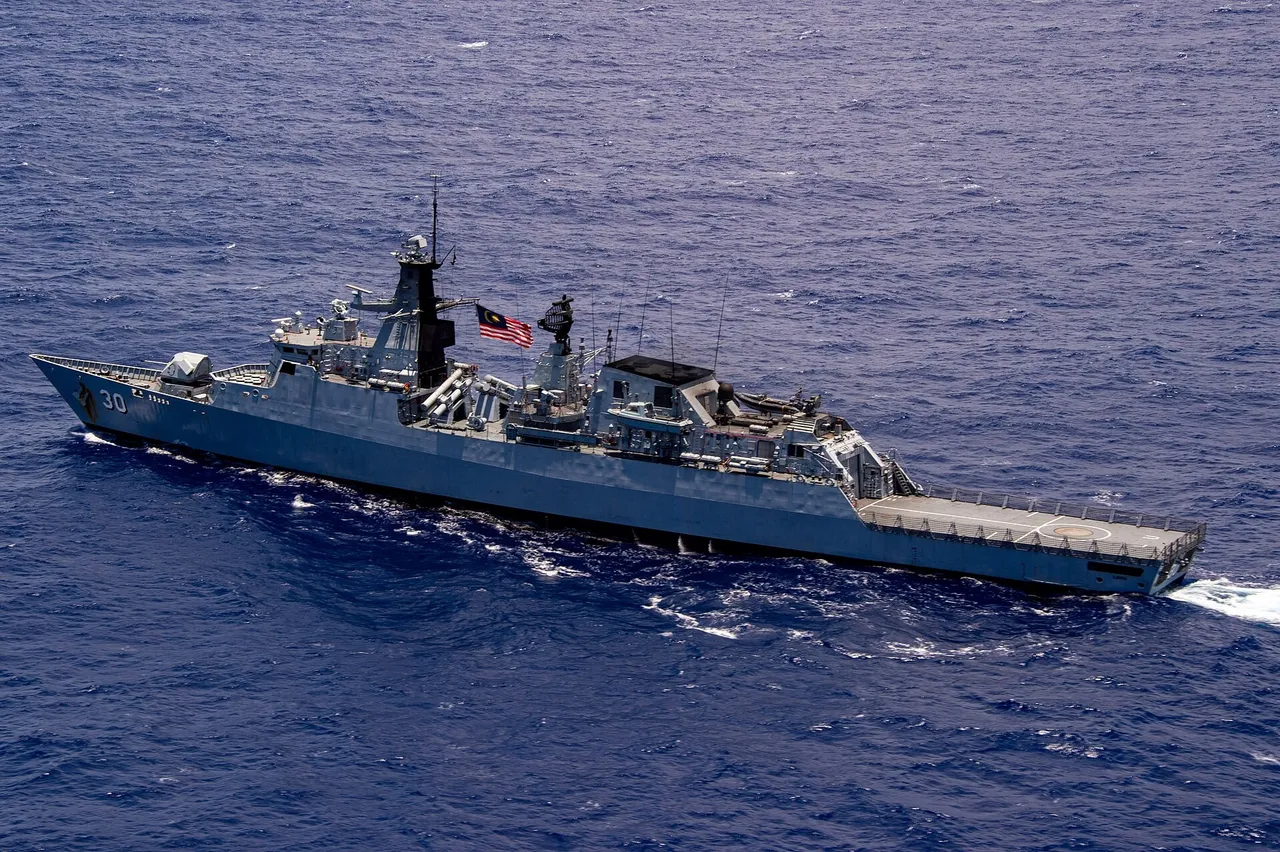
Anwar says some Malaysian defence projects have dragged on for 20 years, blaming agents and high commissions
Malaysia's prime minister says the navy's ships were among the oldest and smallest he saw at Langkawi, and wants the armed forces, not politicians, to choose new equipment.
TaiwanDefence · 9h ago · 2 min read
Discussion (0)
Comments are not currently available.