
Italy says its offer of GCAP observer status for Germany is a first step, not a snub
Rome denies trying to keep Berlin out of the fighter programme it shares with Britain and Japan, as Germany rejects an observer-only role and weighs a decision by March.

TAIPEI —
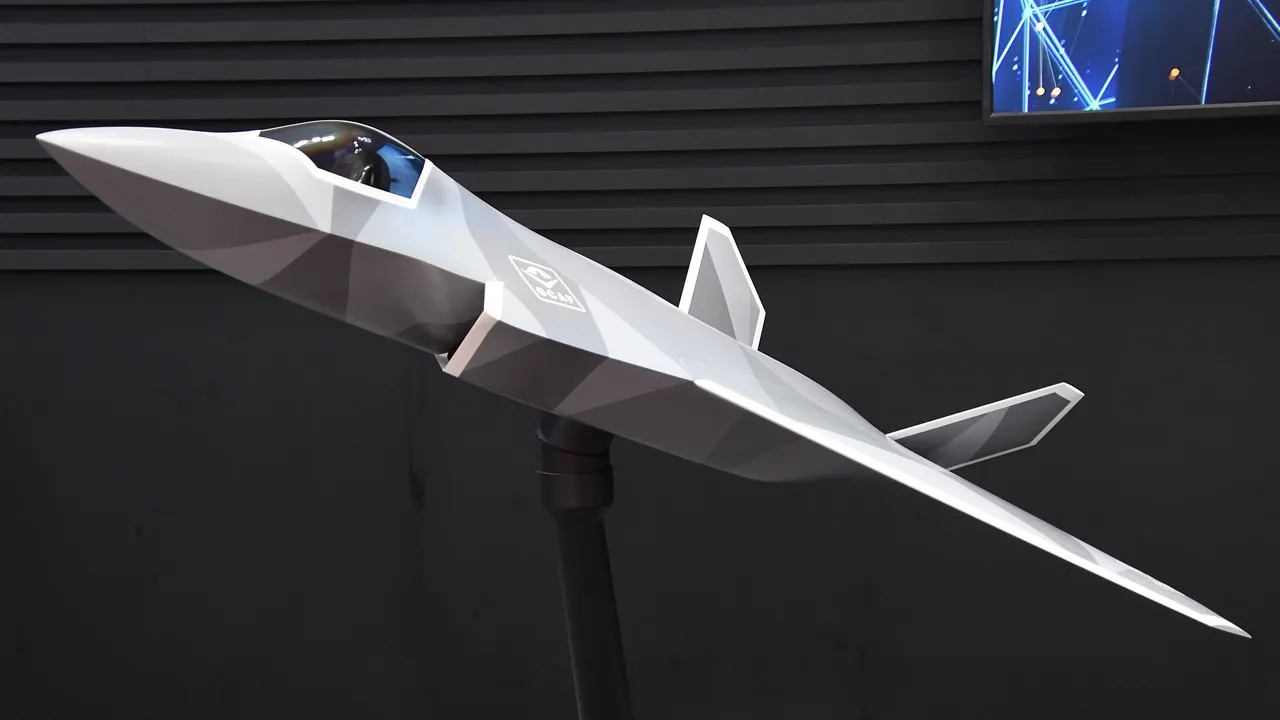
Italy has formally proposed that Germany join the Global Combat Air Programme, the sixth-generation fighter project Italy runs with Britain and Japan, as an observer before any full membership. Rome's defence ministry insisted on 14 November that the offer was meant to speed up Berlin's entry rather than block it.
The ministry issued its statement after the Financial Times reported that Defence Minister Guido Crosetto had used an online meeting this week with his British and Japanese counterparts to oppose giving Germany an equal role. According to that report, Crosetto suggested an observer status like the one Canada already holds, which would leave Germany without a say in the design or development of the aircraft. Berlin reportedly regarded that as unacceptable.
In its response, the Italian ministry called the newspaper's account wholly misleading and said Italy had always been ready to welcome Germany. Observer status, it argued, was a way to start sharing programme information immediately, ahead of later full accession, while protecting the project's progress and its agreed timetable. The ministry said Italy had restated that approach at the latest GCAP meeting, held by videoconference with all three partner countries.
Timetable and workshare
The dispute turns on two concerns that Italy and Japan are reported to share. The first is schedule: GCAP aims to put a stealth fighter into service around 2035, and bringing a fourth industrial partner into a programme whose management structure and division of work are already being set could complicate talks and cause delays. The second is industrial balance among the lead companies, BAE Systems, Leonardo and Mitsubishi Heavy Industries, whose shares of the work could shrink if German firms join.
Germany, for its part, wants full participation that would let it contribute money and, in return, win a substantial share of the work for its aerospace industry, particularly Airbus Defence and Space, according to the reporting. German Defence Minister Boris Pistorius has said that any decision depends on a reasonable balance between workshare, development timelines and the costs Germany would carry, and he said earlier this month that he expects to decide by the end of March whether to join.
How Germany got here
Berlin is looking for a new route to a next-generation fighter after the Future Combat Air System project with France collapsed earlier this year. In October, British Prime Minister Andy Burnham proposed to Chancellor Friedrich Merz that the two countries develop a new fighter together within GCAP. The Financial Times reported that both Tokyo and Rome were uneasy that Burnham used a visit to Berlin to declare Britain's readiness to bring Germany in.
Germany is also weighing an alternative to GCAP: a partnership with Sweden and Spain, with Airbus and Saab as possible industrial leads. Internal German defence ministry documents reviewed by Politico reportedly judged that option potentially more attractive because it could offer a more even division of work among participants.
What it means for Japan
For Japan, the row is a test of how far the founding partners will bend to take on a large new member without slipping the programme's mid-2030s target. Italy's statement presents observer status as an entry ramp, while Germany's response suggests Berlin will not accept a seat without industrial influence. The ministry said Italy wants new partners to join through a clear and effective process and supports creating the conditions for German participation as soon as possible.
Sources
More in Industry
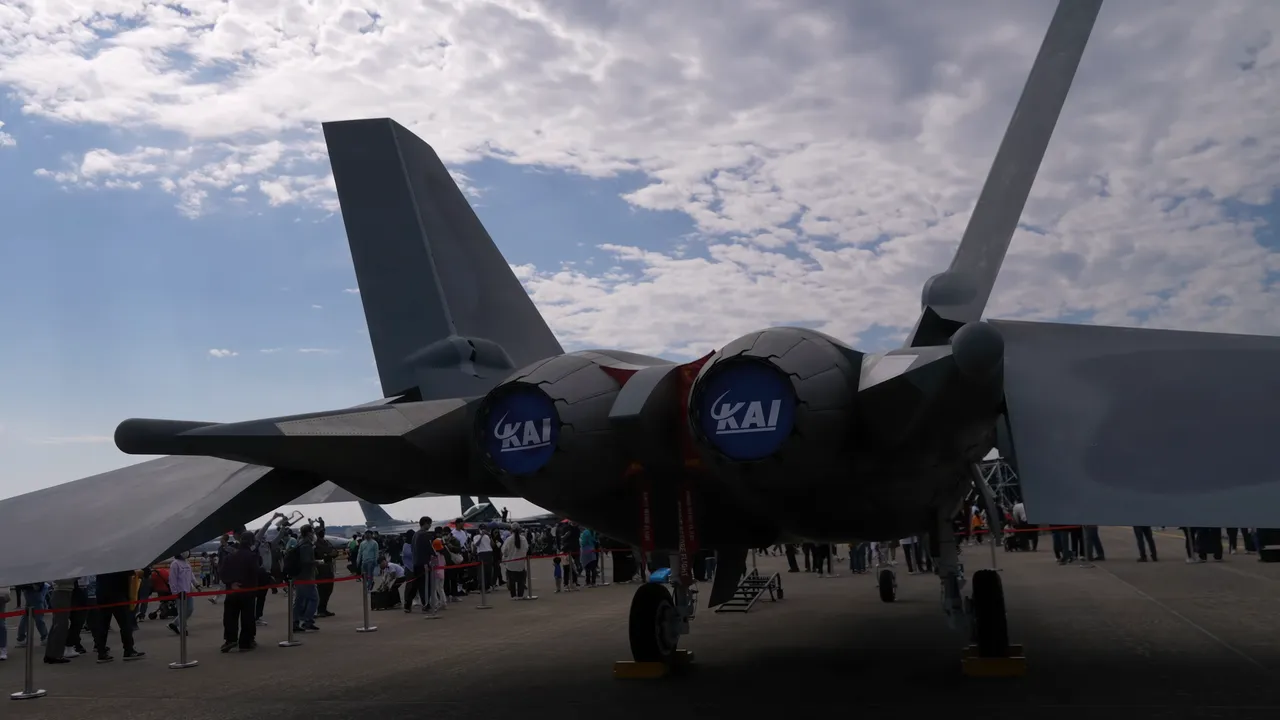
Hanwha Aerospace to build South Korea's first 10,000-pound jet engine for a stealthy spy drone
The Agency for Defense Development picked Hanwha for a 177.3 billion won project to build four high-bypass turbofans for a low-observable reconnaissance drone by 2031.
TaiwanDefence · 3h ago · 2 min read

US space firms tell Taiwan its biggest gaps are orbital surveillance, secure links and satellite tracking
After an AIT space industry day with Taiwan's space agency and defence officials, US companies said orbital ISR, cable-proof communications and space awareness top the list.
TaiwanDefence · 6h ago · 3 min read
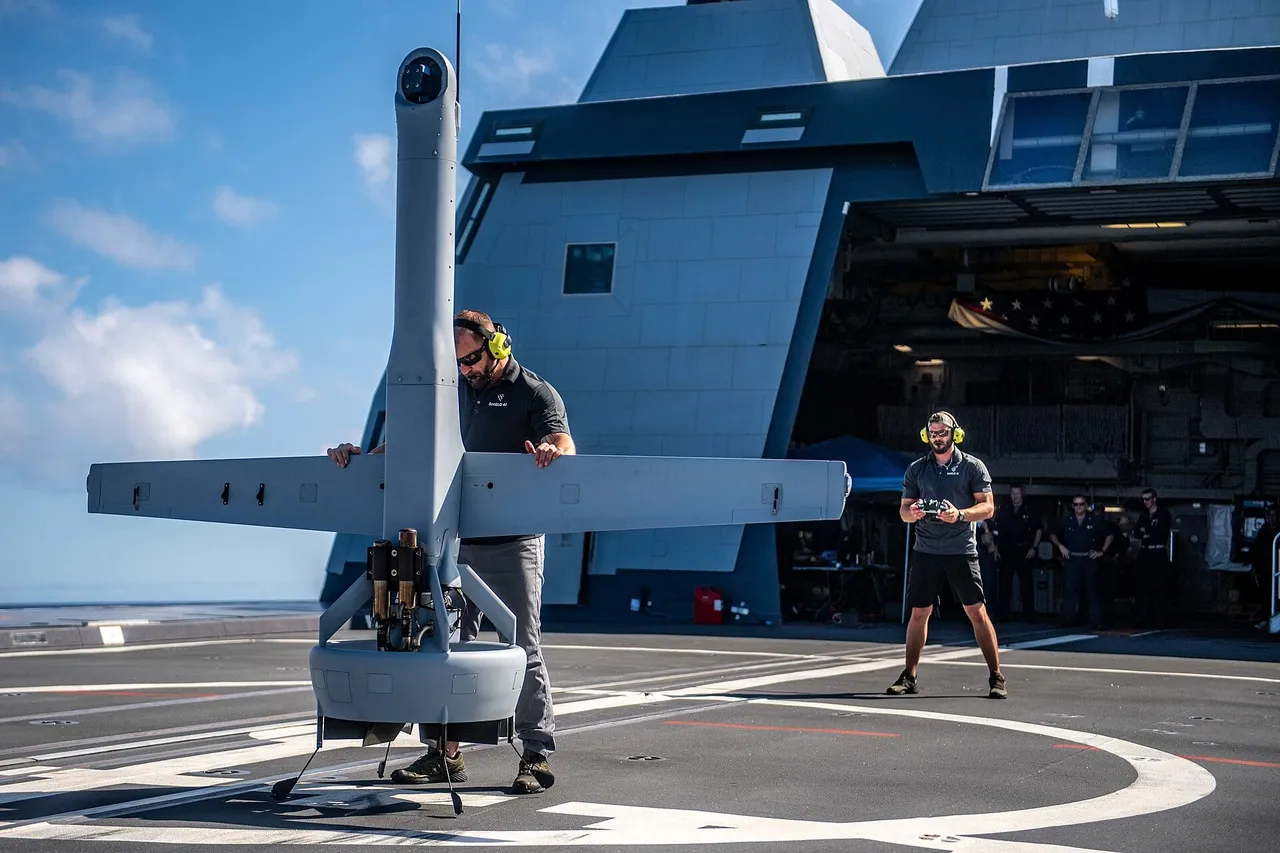
Japan's navy gets a home repair base for its V-BAT drones under a Shield deal with NIPPI
A Kawasaki Heavy Industries subsidiary will maintain the Japan Maritime Self-Defense Force's V-BAT drones and train Japanese technicians to keep them flying.
TaiwanDefence · 20h ago · 3 min read
Discussion (0)
Comments are not currently available.