
South Korea moves to standardise military small-drone batteries on a US model
Seoul's defence ministry and standards agency want common sizes and tests for small-drone battery cells by mid-2027 to secure wartime supply.

TAIPEI —
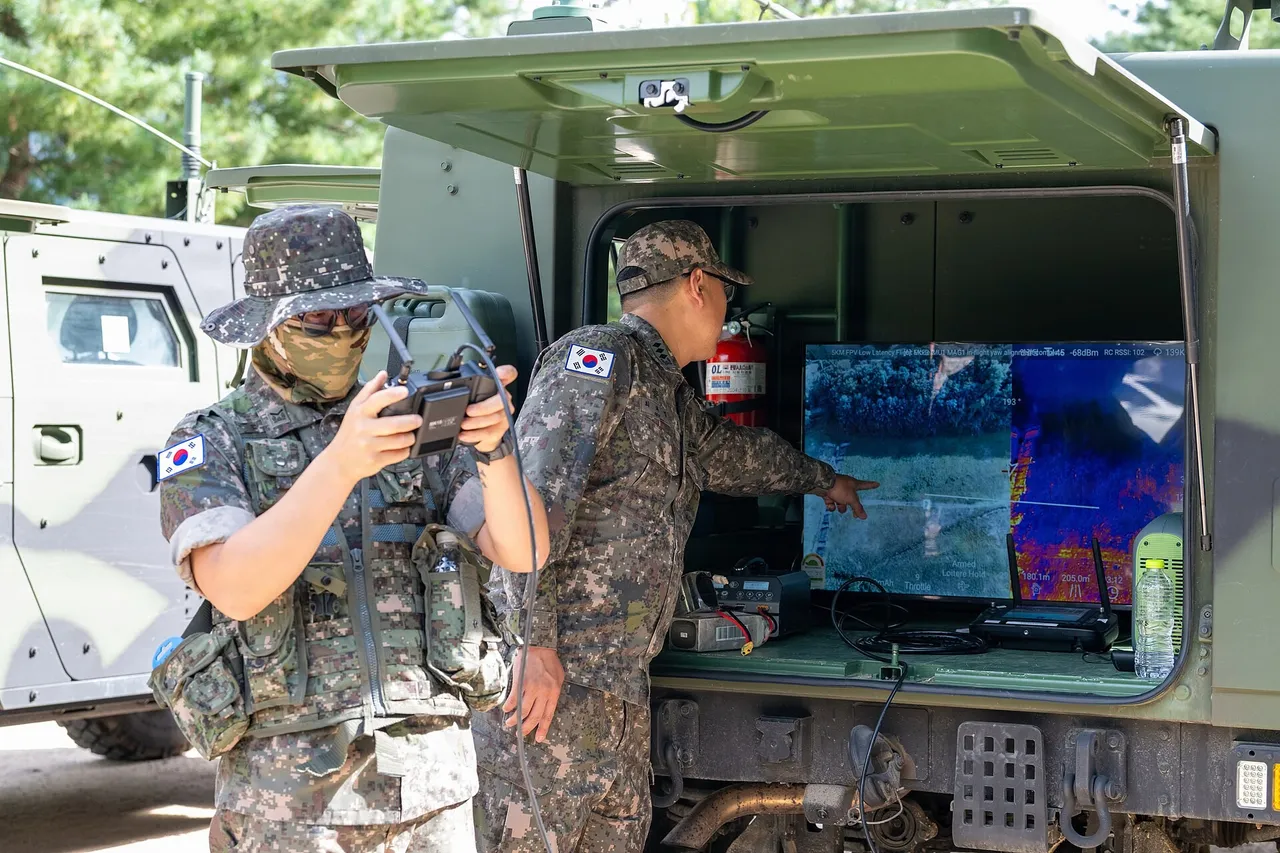
South Korea plans to set a national standard for the batteries that power small military drones, fixing their size and the methods used to test their performance, the Ministry of National Defense said on 19 November.
The ministry is working with the Korean Agency for Technology and Standards, part of the trade and industry ministry, to issue the rules as a Korean Industrial Standard. The draft is modelled on a US drone battery standard, SAE JA1016, which was adopted in June, Electronic Times reported.
A public notice will open a 60-day consultation on 20 November, running to 19 January, and the two agencies aim to complete the standard in the first half of 2027.
Interchangeable cells for wartime demand
The defence ministry said standardising core drone components is an important policy task because drones burn through batteries quickly in wartime, so parts need to be interchangeable. A common standard should let the military secure a stable supply of the batteries it needs, it said.
Yonhap News Agency reported that the aim is to make South Korean small-drone batteries compatible in size and performance with US standards, which have been widely adopted by Washington's allies and partners. The rules are meant to serve both civilian and military demand.
According to the ministry, the plan grew out of technical exchanges between South Korea and the United States in the drone field and the military's own requirements, which the standards agency then turned into a formal standard-setting procedure.
What the draft covers
The draft applies to pouch-type rechargeable cells used in Group 1 small unmanned aircraft, the lightest US military drone category, covering aircraft of up to about 20 pounds that fly below 1,200 feet and slower than 100 knots, Electronic Times reported.
Cells would first need two existing safety certifications, the UN 38.3 test for shipping lithium batteries by air and the Korean version of the IEC 62133-2 lithium cell safety standard. The draft sets four pouch-cell sizes that are compatible with the common 21700 cell format, including two-cell and three-cell packs.
It also lays down nine basic tests, including charge and discharge at 25 degrees Celsius, discharge at temperatures from minus 20 to 60 degrees, internal resistance, a 30-second peak current test at 20 percent charge, a pulse discharge that simulates landing on a low battery, cycle life, high-temperature storage and a one-metre drop onto a concrete edge.
Supply chains centred on allies
Jeon Jun-beom, the defence ministry's director general for defence artificial intelligence planning, said key components of advanced military capabilities should be managed through supply chains centred on friendly nations. He said the ministry would work with other agencies so that the standard supports South Korean companies and drone cooperation with the United States.
Kim Kyu-sung, head of the standards agency, said standardisation was key to ending fragmentation in the domestic drone industry and to opening overseas markets for local firms. He said performance-test standards and other drone standards would follow the battery rules.
The ministry said the two agencies would keep tracking drone operating needs and industry views and would expand South Korean firms' participation through standards and technology cooperation with the United States.
Sources
More in Industry
Hanwha fires a Chunmoo missile from a ship off Mississippi, completing its first sea-launch test campaign
The two-missile trial took South Korea's land-based rocket launcher to sea on a palletised mount, though no navy has yet signed up for the concept.
TaiwanDefence · 16h ago · 3 min read
Italy says its offer of GCAP observer status for Germany is a first step, not a snub
Rome denies trying to keep Berlin out of the fighter programme it shares with Britain and Japan, as Germany rejects an observer-only role and weighs a decision by March.
TaiwanDefence · 4d ago · 3 min read
Hanwha Aerospace to build South Korea's first 10,000-pound jet engine for a stealthy spy drone
The Agency for Defense Development picked Hanwha for a 177.3 billion won project to build four high-bypass turbofans for a low-observable reconnaissance drone by 2031.
TaiwanDefence · 4d ago · 2 min read
Discussion (0)
Comments are not currently available.