
Japanese troops to train on Indian firing ranges as India and Japan speed up UNICORN mast transfer
Foreign and defence ministers meeting in Tokyo on 19 November also pushed for a reciprocal ship-repair deal and closer work on mine countermeasures.

TAIPEI —
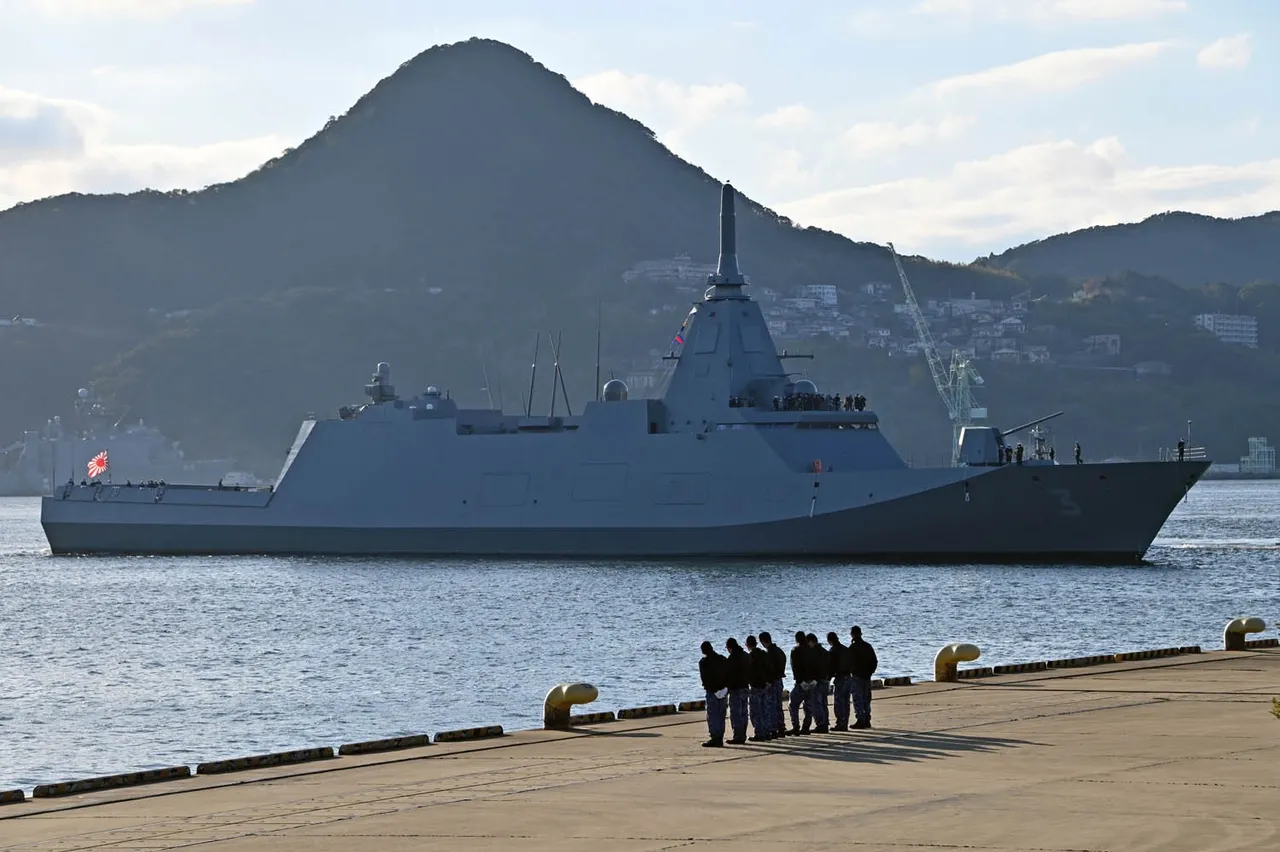
Japan and India agreed on 19 November to speed up arrangements for Japan's Self-Defense Forces to train on firing ranges in India and to move ahead with the transfer of the UNICORN stealth naval mast, after their foreign and defence ministers met in Tokyo for the fourth round of their 2+2 dialogue.
Japanese Foreign Minister Toshimitsu Motegi and Defence Minister Shinjiro Koizumi hosted India's External Affairs Minister S. Jaishankar and Defence Minister Rajnath Singh for 90 minutes from 2:40pm, Japan's Foreign Ministry said. A joint statement was issued after the talks, the first such ministerial meeting between the two countries since August 2024.
Ranges, masts and follow-on projects
Koizumi told a joint press briefing that the two sides had agreed to accelerate preparations so that Japanese forces can use an Indian firing range within the next year, Arab News Japan reported. He also said India would proceed with its domestic approval process for the UNICORN transfer and that the two governments would begin talks on follow-on equipment projects.
UNICORN, short for Unified Complex Radio Antenna, is a stealth naval mast. Hindustan Times described it as the first joint defence co-development and co-production project between India and Japan, and Akashvani reported that the ministers agreed to fast-track the agreements the project still needs.
Koizumi argued that the security environment now required the two countries to move beyond basic trust toward operational integration, linking training, unit operations and industrial bases to strengthen deterrence and response, according to Arab News Japan. He said coordination between units should keep building on the Veer Guardian exercise. Singh welcomed the participation of Japan Air Self-Defense Force fighters in an exercise in India this year.
Ship repairs and mine warfare
On maritime security, Singh said the ministers agreed to move quickly to turn a memorandum on maritime security cooperation, signed by the two defence establishments in August, into concrete work on maritime and air domain awareness, search and rescue and information sharing.
He said both sides saw the need for an early arrangement that would let each country use the other's ship repair facilities, and that they had decided to deepen cooperation on mine countermeasure capabilities. The two countries would also accelerate cooperation in niche, underwater and missile technologies and widen industrial collaboration under a Design with Japan, Make in India framework, he said.
Japan's Foreign Ministry said the ministers also stressed the importance of multilayered bilateral and multilateral exercises, cooperation between their navies and maritime law enforcement agencies, and support for the maritime security capabilities of coastal states in order to protect sea lanes.
Regional backdrop
The ministers reaffirmed their opposition to unilateral attempts to change the status quo by force or coercion in the Indo-Pacific and discussed the East China Sea, the South China Sea and North Korea's nuclear and missile programmes, according to the Japanese readout. Motegi and Koizumi briefed their Indian counterparts on Japan's plan to revise its three security documents, including the National Security Strategy.
Jaishankar told reporters that the meeting came as the global order faces multiple shocks, citing the wars in West Asia and Ukraine, and warned against the weaponisation of connectivity, resources and supply chains. He said maritime cooperation between the two countries could help keep sea trade flowing, pointing to concerns about chokepoints in the Gulf.
Singh said the talks built on the revised Joint Declaration on Security Cooperation that the two countries signed in August 2025, as they prepare to mark 75 years of diplomatic relations in 2027. He added that the ministers had also advanced discussions on air and space domain awareness.
Sources
More in Indo-Pacific
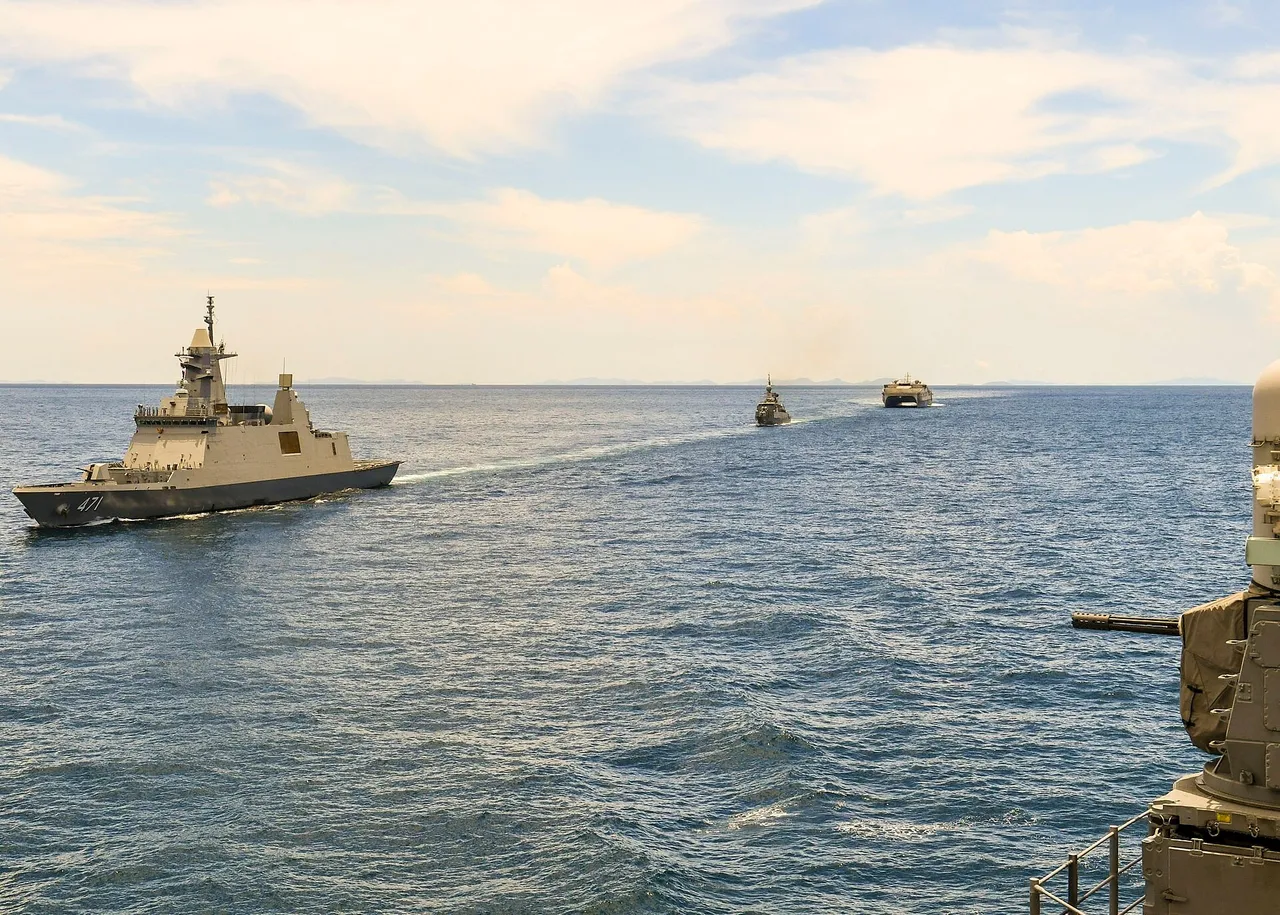
Thailand's navy scraps its Hanwha frigate award and restarts the tender over a flawed bid rule
A Finance Ministry appeals ruling forces the Royal Thai Navy to rerun its 17 billion baht frigate tender; Hanwha Ocean can bid again and has gone to the ombudsman.
TaiwanDefence · 2h ago · 3 min read
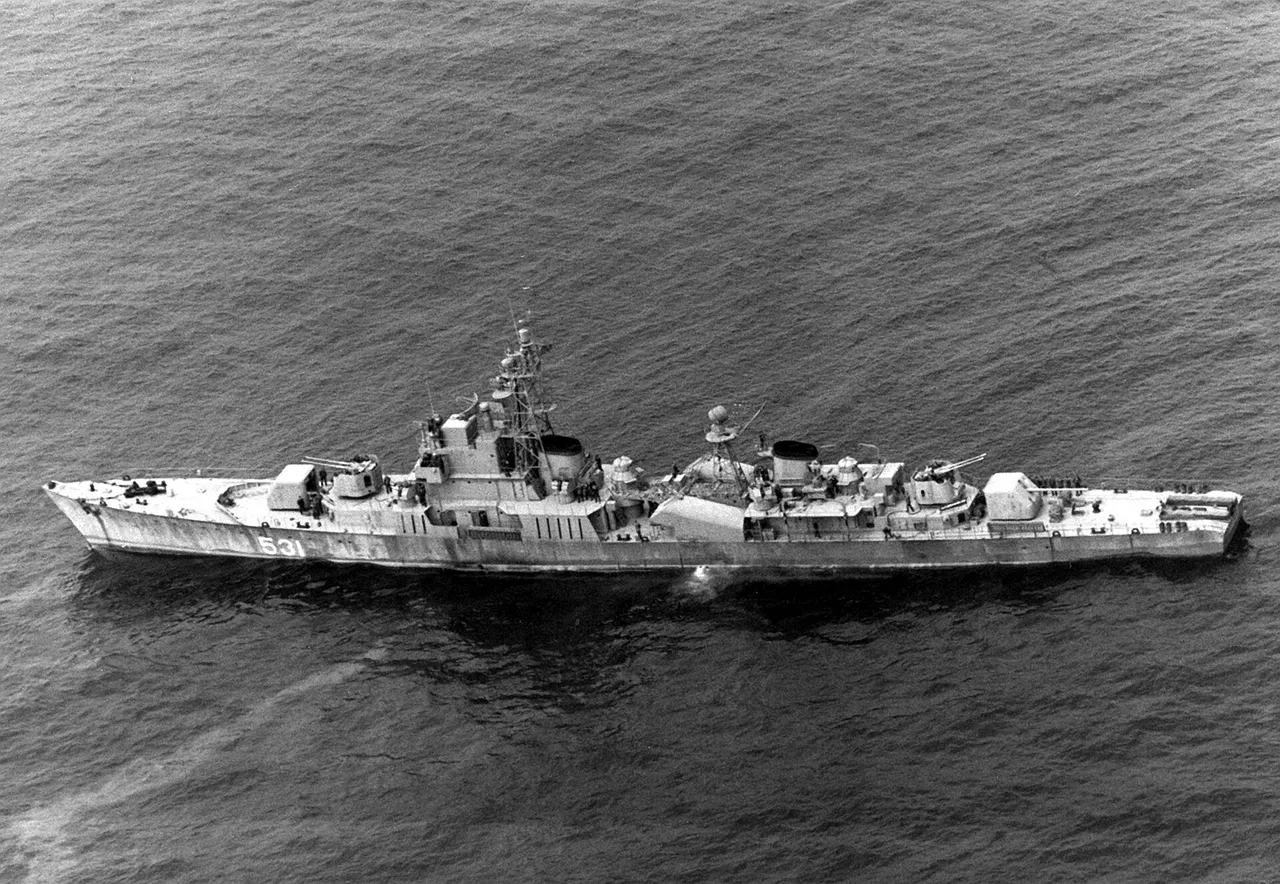
Kim Jong Un calls a powerful navy North Korea's first strategic task on a naval university visit
Kim's 18 November tour of the Kim Jong Suk Naval University follows his warship, shipyard and naval base visits, pointing to a push to train crews for a growing fleet.
TaiwanDefence · 3h ago · 2 min read
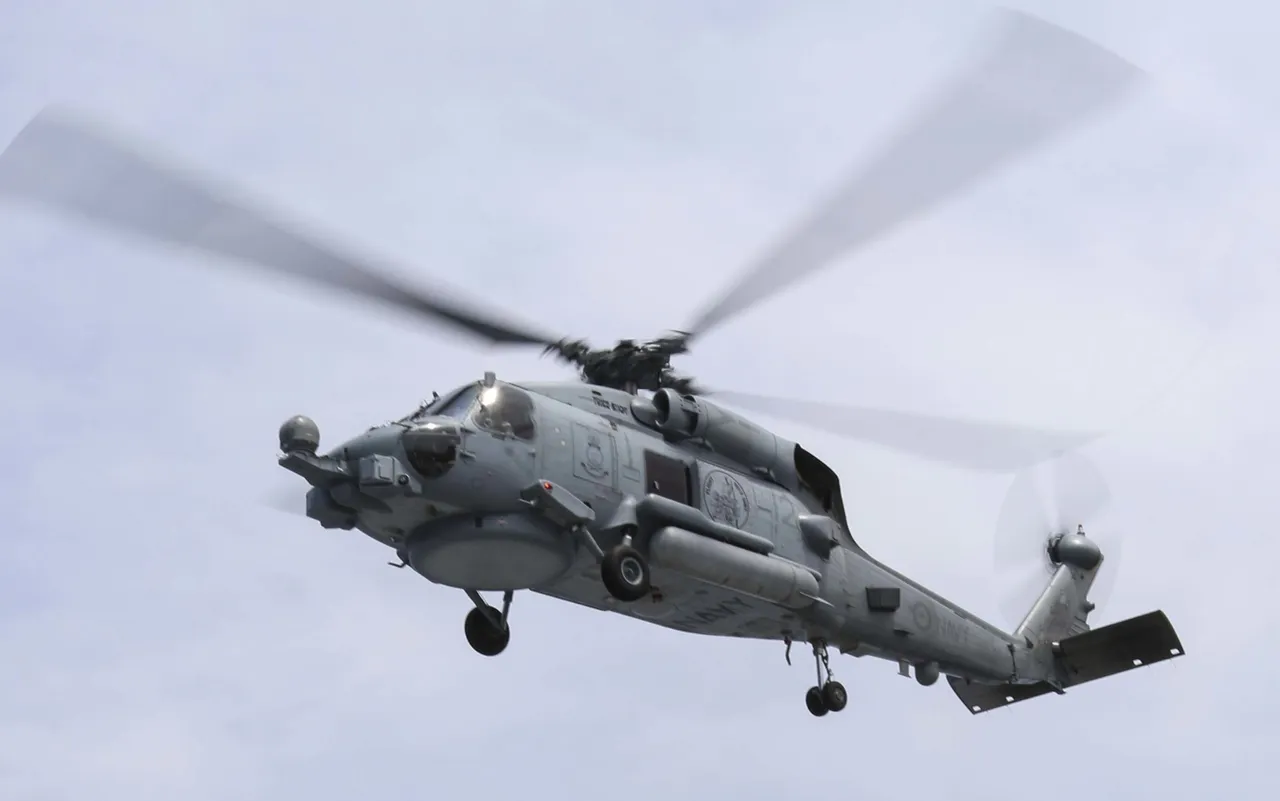
Australia receives the first two of 13 extra MH-60R Seahawks as its navy helicopter fleet grows to 36
The submarine-hunting helicopters were unveiled at HMAS Albatross in Nowra on 19 November, with the other 11 aircraft due to arrive by early 2028.
TaiwanDefence · 8h ago · 2 min read
Discussion (0)
Comments are not currently available.