
US watchdog says the Pentagon has no overall plan to fix its persistent munitions shortages
A GAO report released on 19 November finds the Defense Department buys munitions without a plan tied to total requirements and with no office in charge.

TAIPEI —
The US Government Accountability Office said on 19 November that the Department of Defense has no overarching plan linking munitions production and funding to its total requirements, leaving it poorly placed to deal with persistent shortages of bombs, missiles and torpedoes.
The report is the public version of a classified study the watchdog issued on 24 September 2026. It leaves out material the department considers classified or sensitive, including trends in munitions inventories, persistent shortfalls and how those shortfalls have affected support to war plans.
GAO said the 2026 conflict with Iran had reinforced the department's munitions problems and made it more important to address stockpile and industrial base challenges.
Reacting instead of planning
Defence officials told the watchdog that, without a plan, the department and the services can end up reacting to global events rather than working from total requirements. GAO pointed to the Army's ramp-up of 155mm artillery shell production, launched to tackle shortages made worse by US support to allies and partners, which it said was not driven by the department's total munitions requirement.
Defense News noted that the shell effort has also run into manufacturing problems, including a new plant in Texas that cost nearly 500 million dollars but failed to produce any shell components.
Without long-term goals, strategies and progress metrics, GAO warned, the department is not well positioned to fix persistently low inventories and risks investing in munitions that are projected to exceed the total requirement.
No office in charge
The report found that the department has not designated any office or entity to direct and assess efforts to improve munitions inventories. Joint Staff officials and officials from the Air Force, Army, Navy and Marine Corps told GAO that a department-wide plan with assigned leadership could help, and service officials said progress would be hard to achieve without an office dedicated to the problem.
Data is another weak spot. The department runs a department-wide tracking tool, the Munitions Readiness Initiative, which Defense News reported draws on 37 data sources through a mix of automated links and manually updated data. GAO found limited oversight of the tool and said the department has not regularly reconciled its inventory figures with the services' own systems.
Four recommendations
GAO made four recommendations: an overarching munitions plan with long-term goals and progress metrics; an office or entity empowered to carry it out; regular timelines for inventory reconciliation; and a data management plan from the department's Chief Digital and Artificial Intelligence Officer documenting how munitions data is combined. The department generally concurred with all four, according to the report and National Defense Magazine.
The review was requested in a House report accompanying the National Defense Authorization Act for fiscal year 2025. GAO analysed service munitions data and department plans, visited four Army ammunition facilities and interviewed officials across the department, the Joint Staff and the military services.
Stockpiles under strain
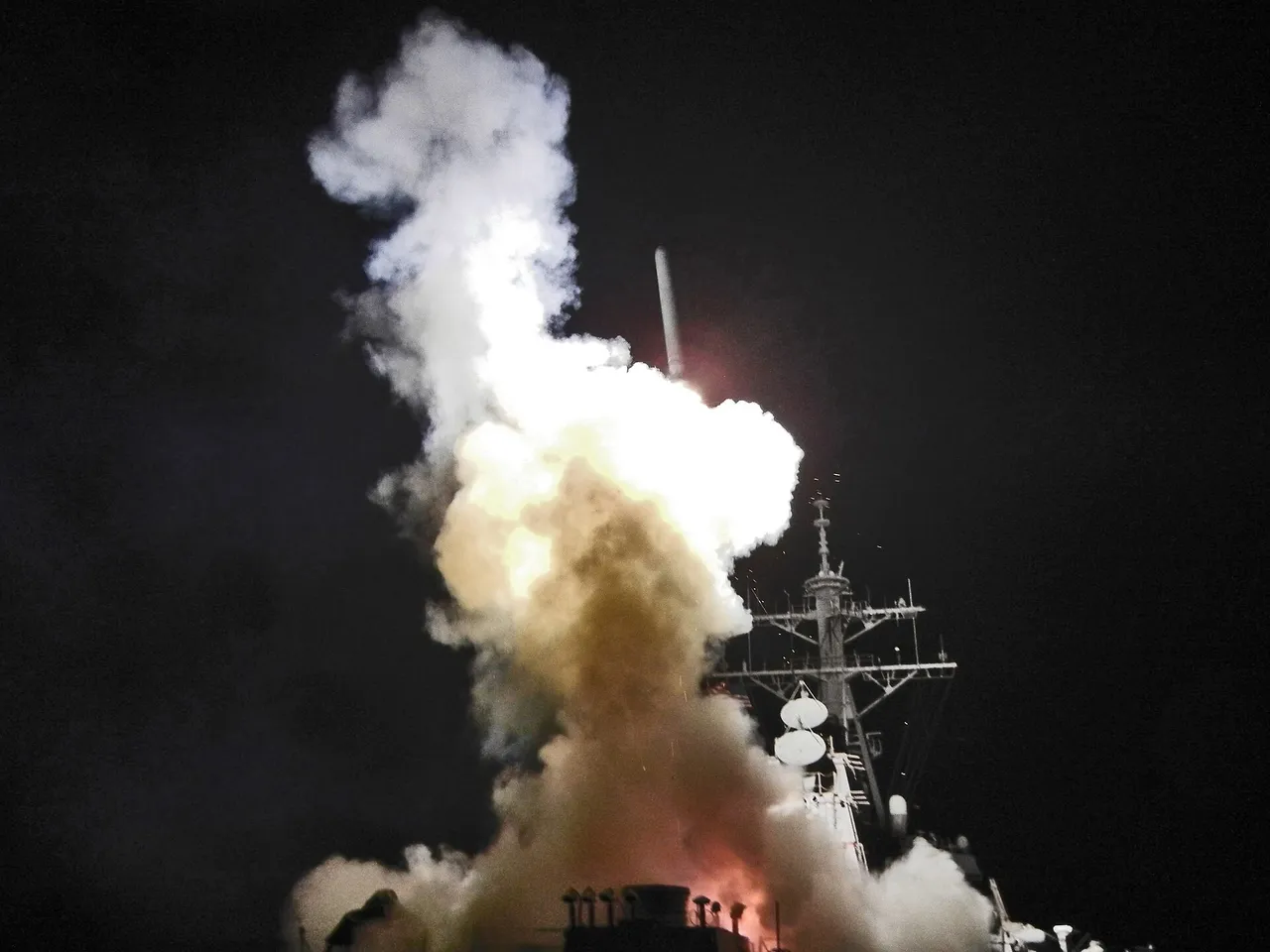
Reporting on the findings, The Hill pointed to earlier press reports that US forces used large numbers of long-range cruise missiles and interceptors early in the Iran war, which began on 28 February, including at least 850 Tomahawk missiles in its first month according to reports from March.
The Hill also noted that acting Navy Secretary Hung Cao told a Senate Armed Services Committee hearing this week that some munitions fired in the conflict had carried expired condition codes and were recoded before use. The Hill said it had asked the Pentagon for comment on the report.
Sources
More in Industry
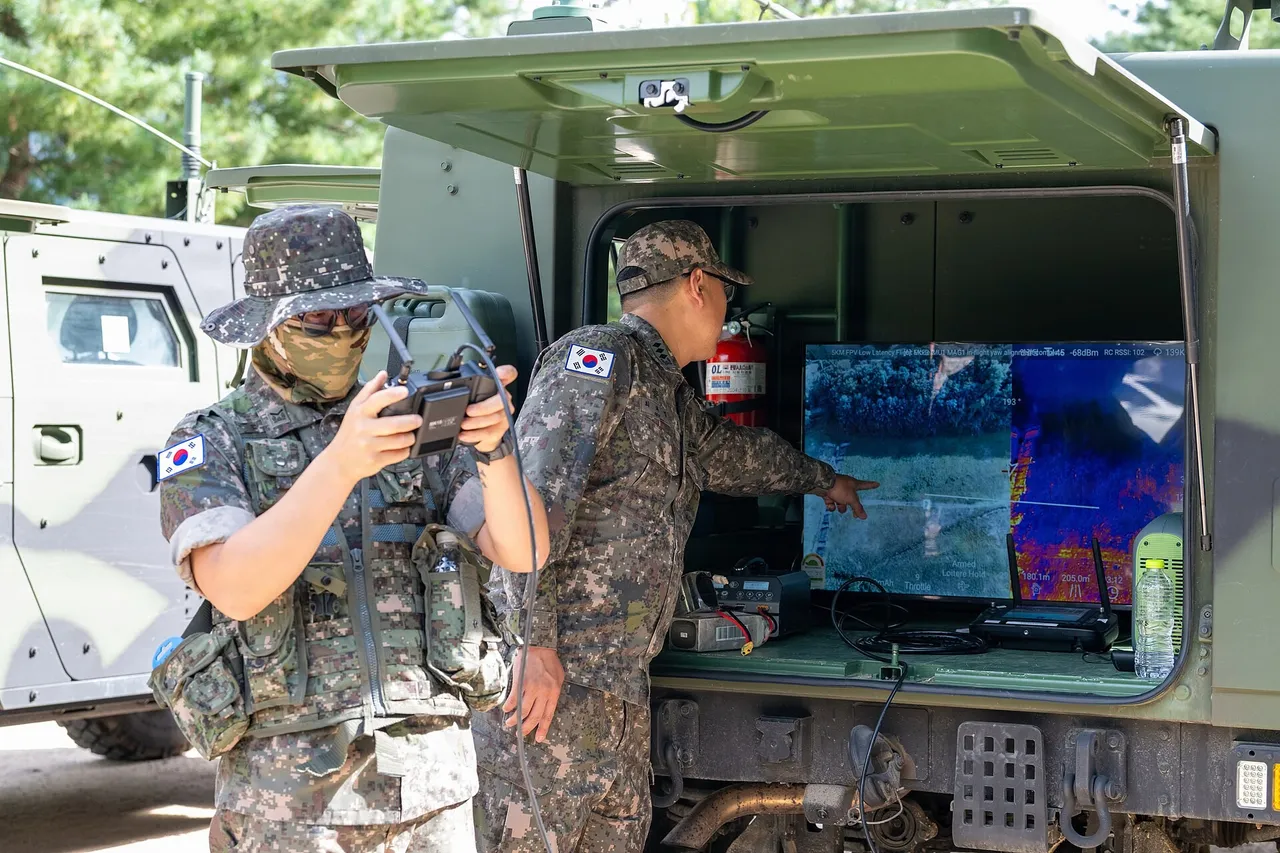
South Korea moves to standardise military small-drone batteries on a US model
Seoul's defence ministry and standards agency want common sizes and tests for small-drone battery cells by mid-2027 to secure wartime supply.
TaiwanDefence · 6h ago · 2 min read
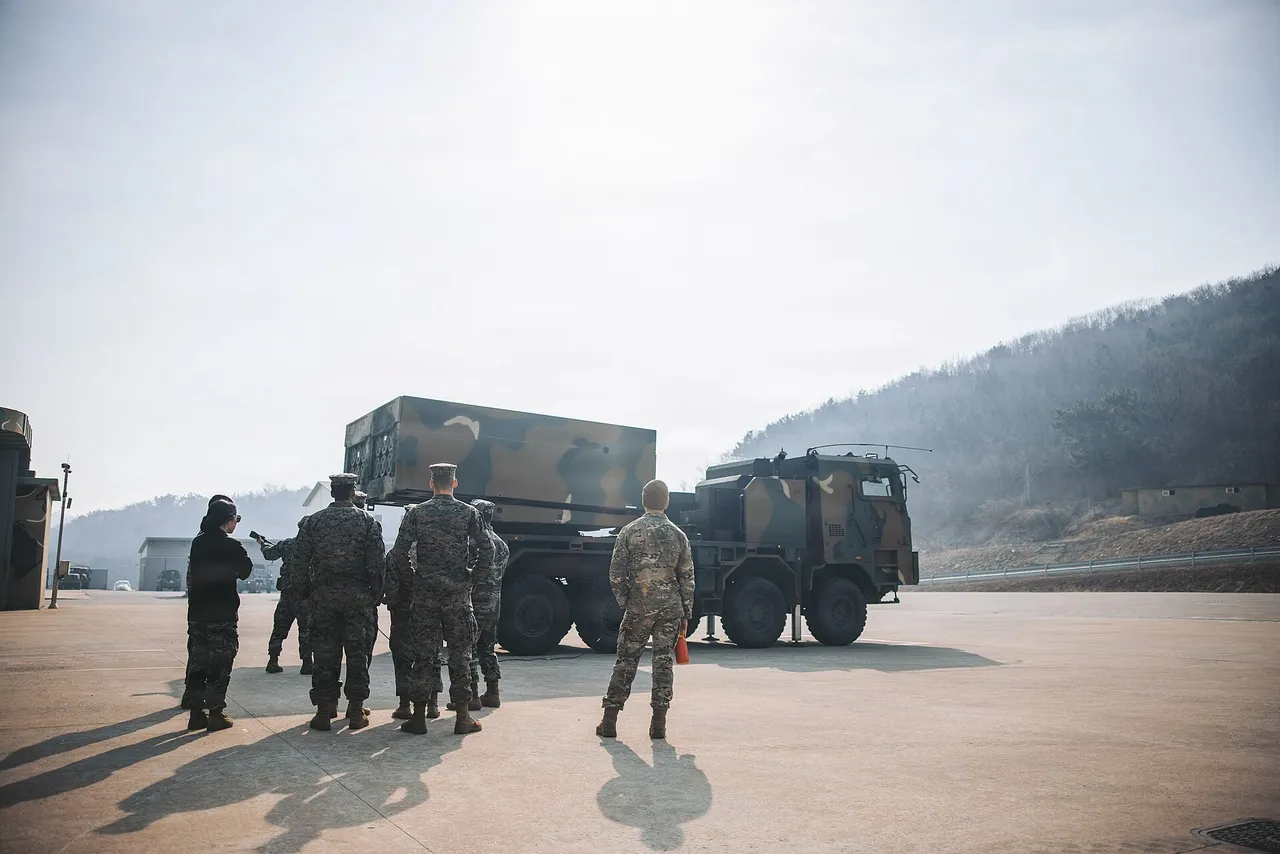
Hanwha fires a Chunmoo missile from a ship off Mississippi, completing its first sea-launch test campaign
The two-missile trial took South Korea's land-based rocket launcher to sea on a palletised mount, though no navy has yet signed up for the concept.
TaiwanDefence · 16h ago · 3 min read
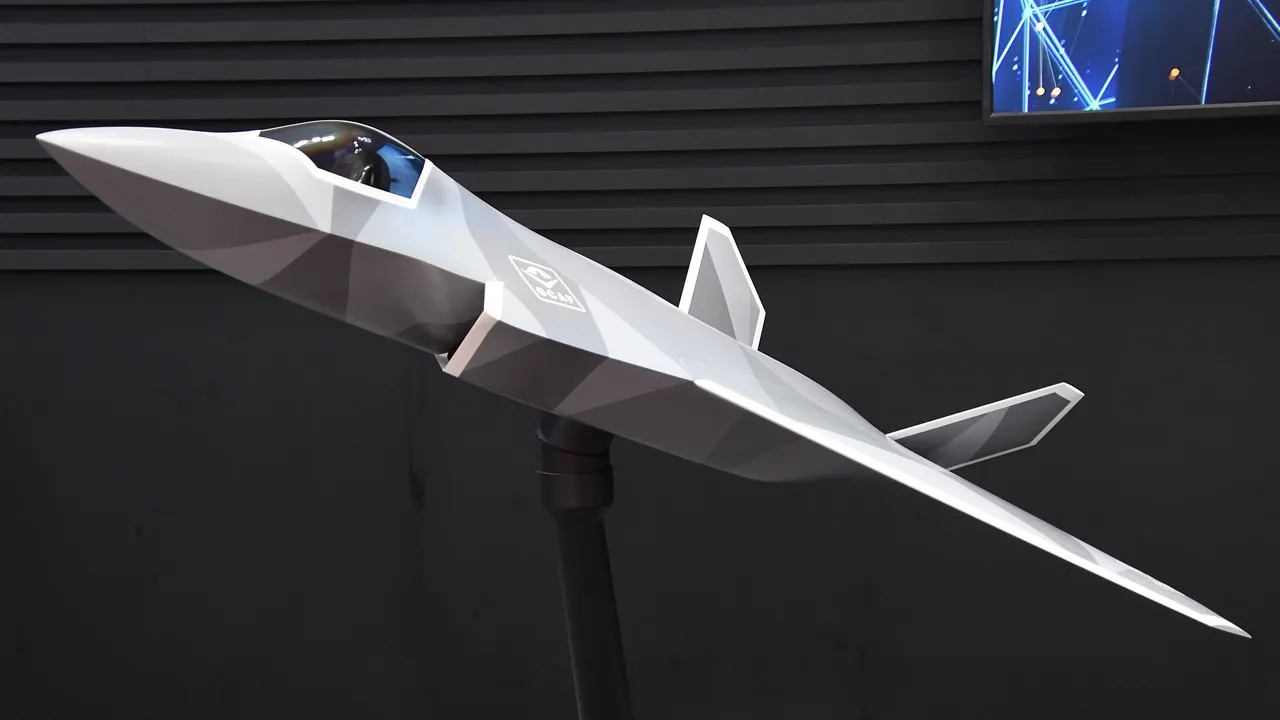
Italy says its offer of GCAP observer status for Germany is a first step, not a snub
Rome denies trying to keep Berlin out of the fighter programme it shares with Britain and Japan, as Germany rejects an observer-only role and weighs a decision by March.
TaiwanDefence · 4d ago · 3 min read
Discussion (0)
Comments are not currently available.