
Raytheon picks Ursa Major and Avio USA to build a second source of Tomahawk rocket boosters
The joint award, valued at more than $80 million, aims to qualify new US-made boosters for the Tomahawk as the Navy pushes output towards 1,000 missiles a year.

TAIPEI —
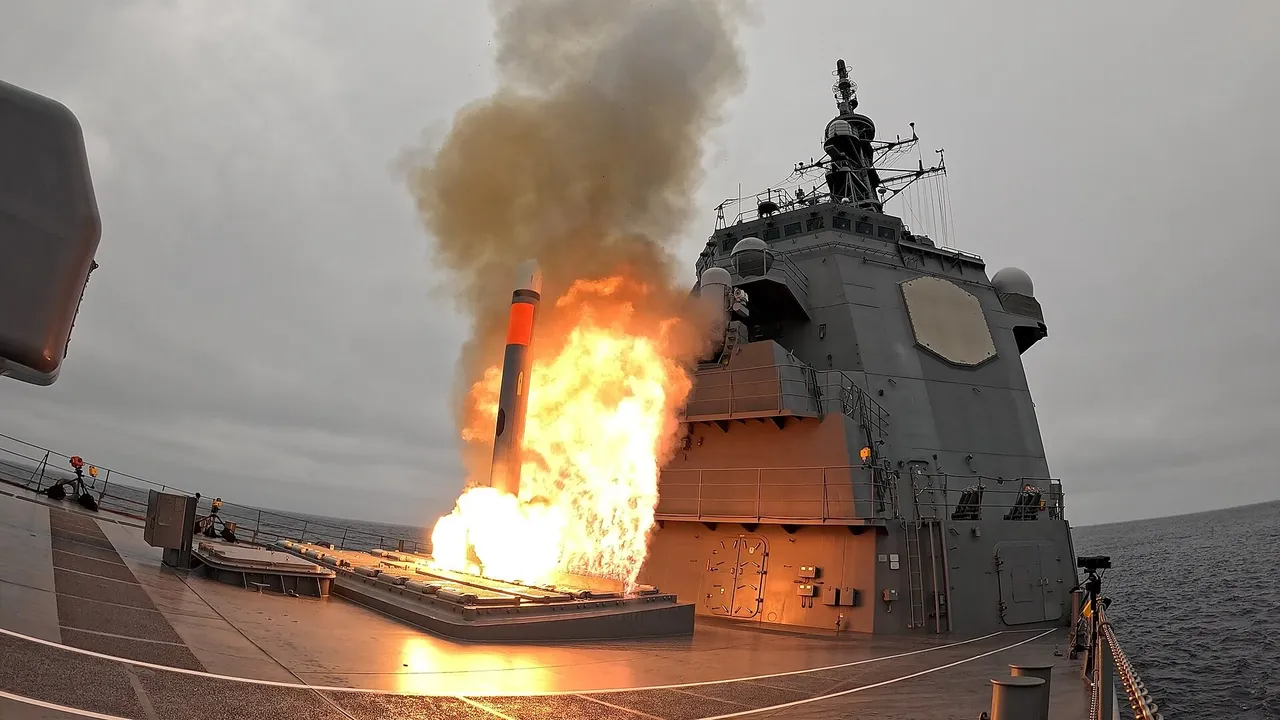
Raytheon has awarded Ursa Major and Avio USA a joint contract to design, develop and qualify a new solid rocket motor booster for the Tomahawk cruise missile, the two companies announced on 18 November. The award gives both firms a route to becoming qualified US suppliers of the booster, adding a second domestic source for a key component of one of the US Navy's most heavily used weapons.
Axios, which first reported the deal, said the contract is valued at more than 80 million US dollars. The companies described the work as a multi-year programme, but Breaking Defense noted that their statement did not disclose a timeline or a dollar figure, and The Defense Post likewise said the value was not disclosed.
The booster is the solid rocket motor that launches the Tomahawk and carries it through the first stage of flight before it is jettisoned and a turbofan engine takes over for the cruise to the target. Under the new contract, the two companies must first qualify their jointly designed booster; only then would they become eligible to compete for production orders.
Dual sourcing a key component
Sam Deneke, president of Naval Power at Raytheon, said dual-sourcing the booster with both companies would strengthen the supply chain, encourage innovation and build the capacity the Navy needs for years to come. Ursa Major president Jason Meredith said growing demand for the Tomahawk requires more production capacity and a more resilient supply chain.
Ursa Major, founded in 2015, is headquartered in Berthoud, Colorado, and manufactures in Youngstown, Ohio, building propulsion systems for several tactical missile programmes. Avio USA, the Arlington, Virginia-based subsidiary of Italy's Avio, is led by retired Navy Vice Admiral James Syring, a former director of the US Missile Defense Agency. Syring said the Tomahawk award was a significant step for the company's planned American plant.
Avio USA broke ground in September on that solid rocket motor plant in southern Virginia, which Axios described as a 900,000-square-foot facility in Hurt. According to The Defense Post, Raytheon and Avio signed a memorandum of understanding in November 2025 to set up the plant, with Raytheon getting preferred access to part of its output, building on a July 2024 contract for preliminary engineering work on the Mk 104 rocket motor.
Demand from the Middle East to the Pacific
The award comes as the Pentagon tries to expand munitions output. In August the Navy gave Raytheon a 22.9 billion US dollar, seven-year contract intended to raise Tomahawk production to more than 1,000 missiles a year, according to Breaking Defense and The Defense Post.
Axios reported that more than 850 Tomahawks were fired in the first few weeks of Operation Epic Fury against Iran, outpacing deliveries. Breaking Defense said acting Navy Secretary Hung Cao told the Senate on 17 November that the Navy had resorted to using expired copies of the missile in combat.
The missile also matters in the Indo-Pacific. Axios noted that Japan has bought hundreds of Tomahawks and fired one from a destroyer for the first time this summer, and that the US Army's Typhon launcher, which can fire the missile, has been tested in locations including the Philippines.
Funding remains a hurdle for the wider munitions push. Breaking Defense noted that the administration had planned its fiscal 2027 budget around a reconciliation bill that top congressional Republicans have rejected, although Senate appropriators have proposed their own budget that folds in priorities such as the Tomahawk.
Sources
More in Industry
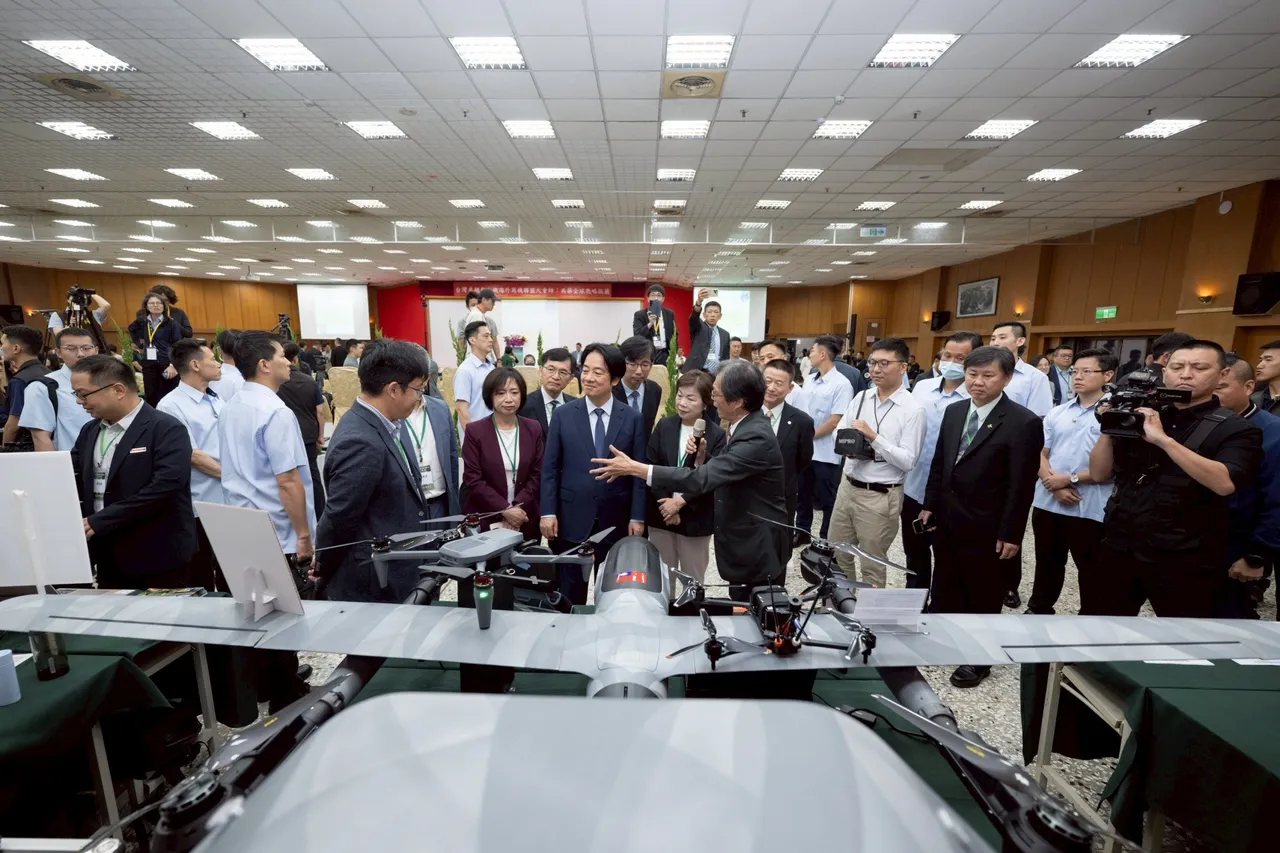
Taiwan's legislature passes the NT$145.7bn defence top-up in full, freeing money for mass drone buys
Lawmakers cleared the 2026 supplementary budget without cutting its spending, releasing funds for coastal drones, missile defence and scarce munitions.
TaiwanDefence · 1d ago · 2 min read
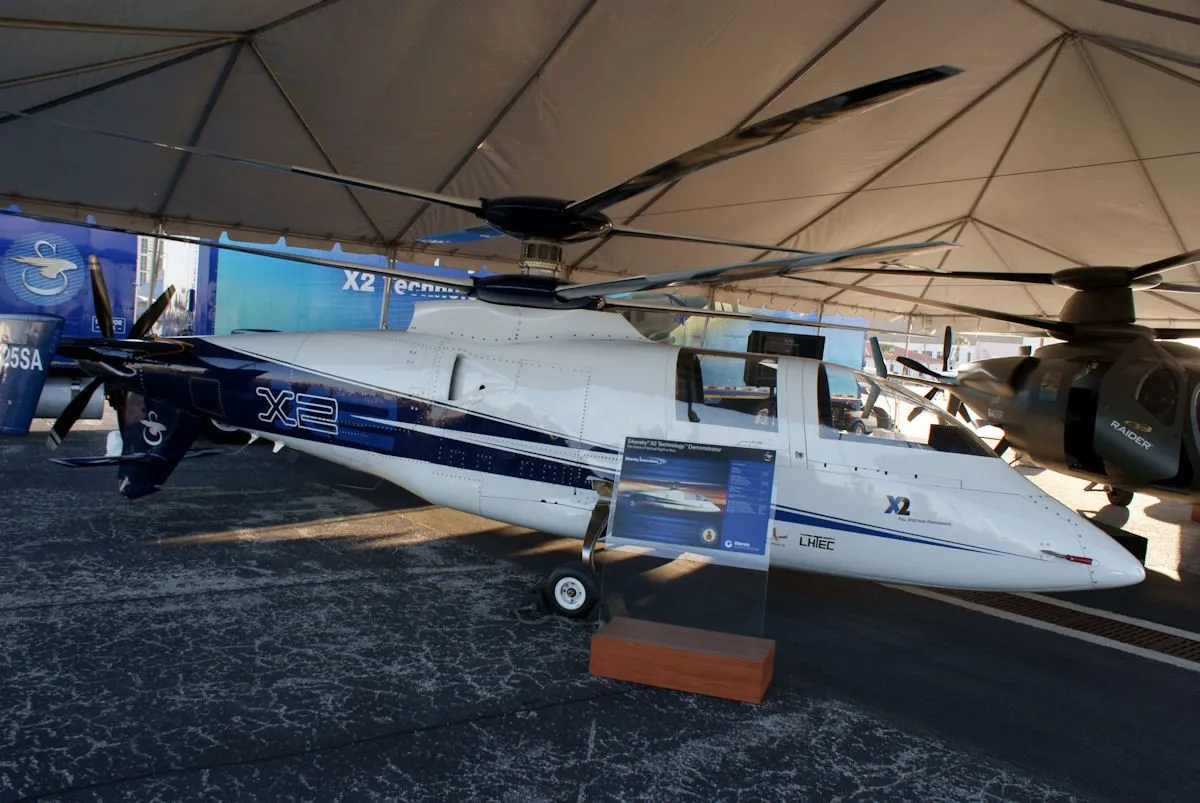
Lockheed offers South Korea up to 90% of its X2 rotorcraft know-how for a new army helicopter
Sikorsky's parent wants Korea Aerospace Industries to lead a Black Hawk successor built on X2 technology, as Bell and Airbus also court the programme.
TaiwanDefence · 1d ago · 3 min read
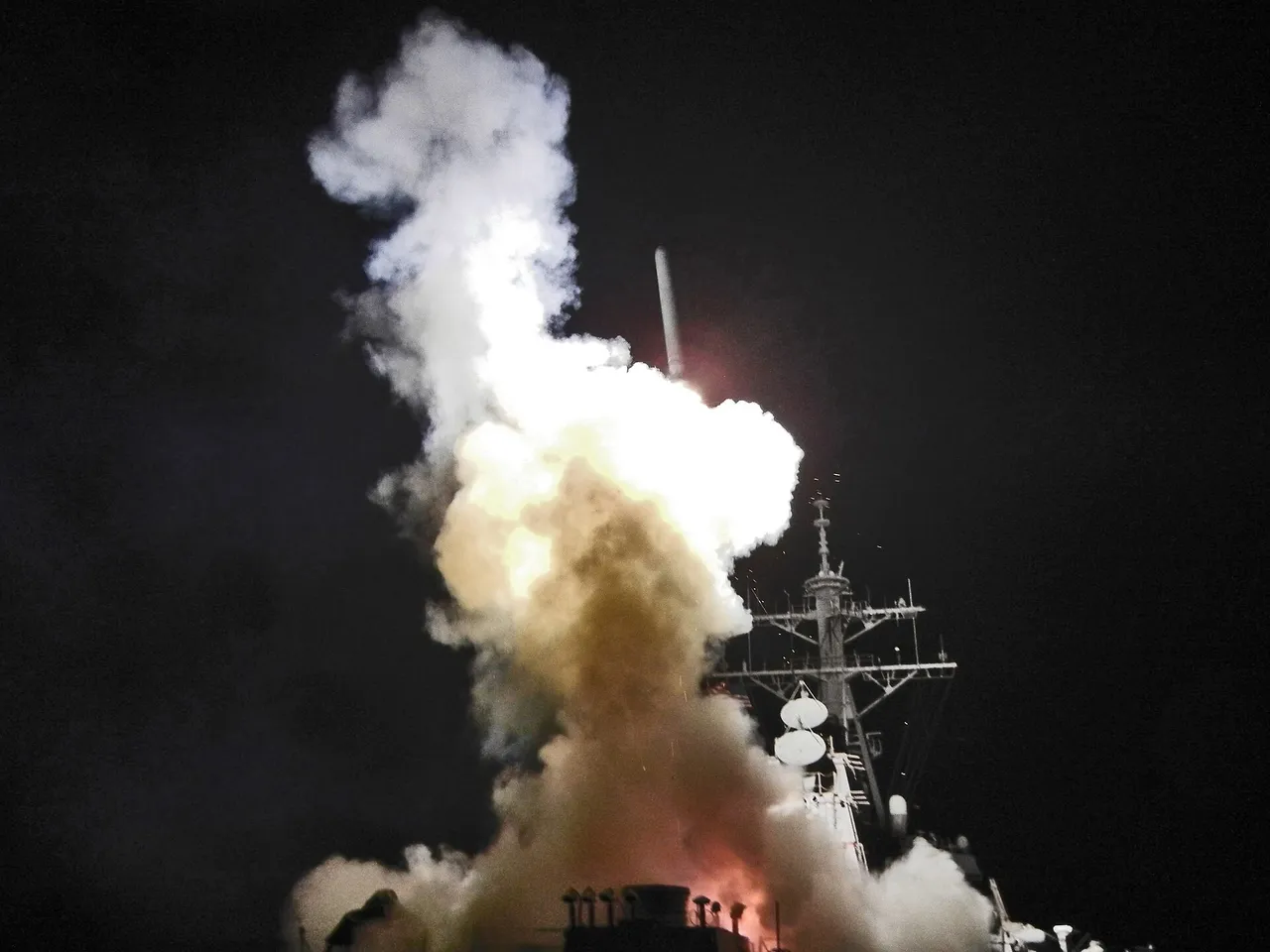
US watchdog says the Pentagon has no overall plan to fix its persistent munitions shortages
A GAO report released on 19 November finds the Defense Department buys munitions without a plan tied to total requirements and with no office in charge.
TaiwanDefence · 1d ago · 3 min read
Discussion (0)
Comments are not currently available.