
ANALYSIS
Why China's armour gathering at Zhuhai in November 2026 is built around the drone war
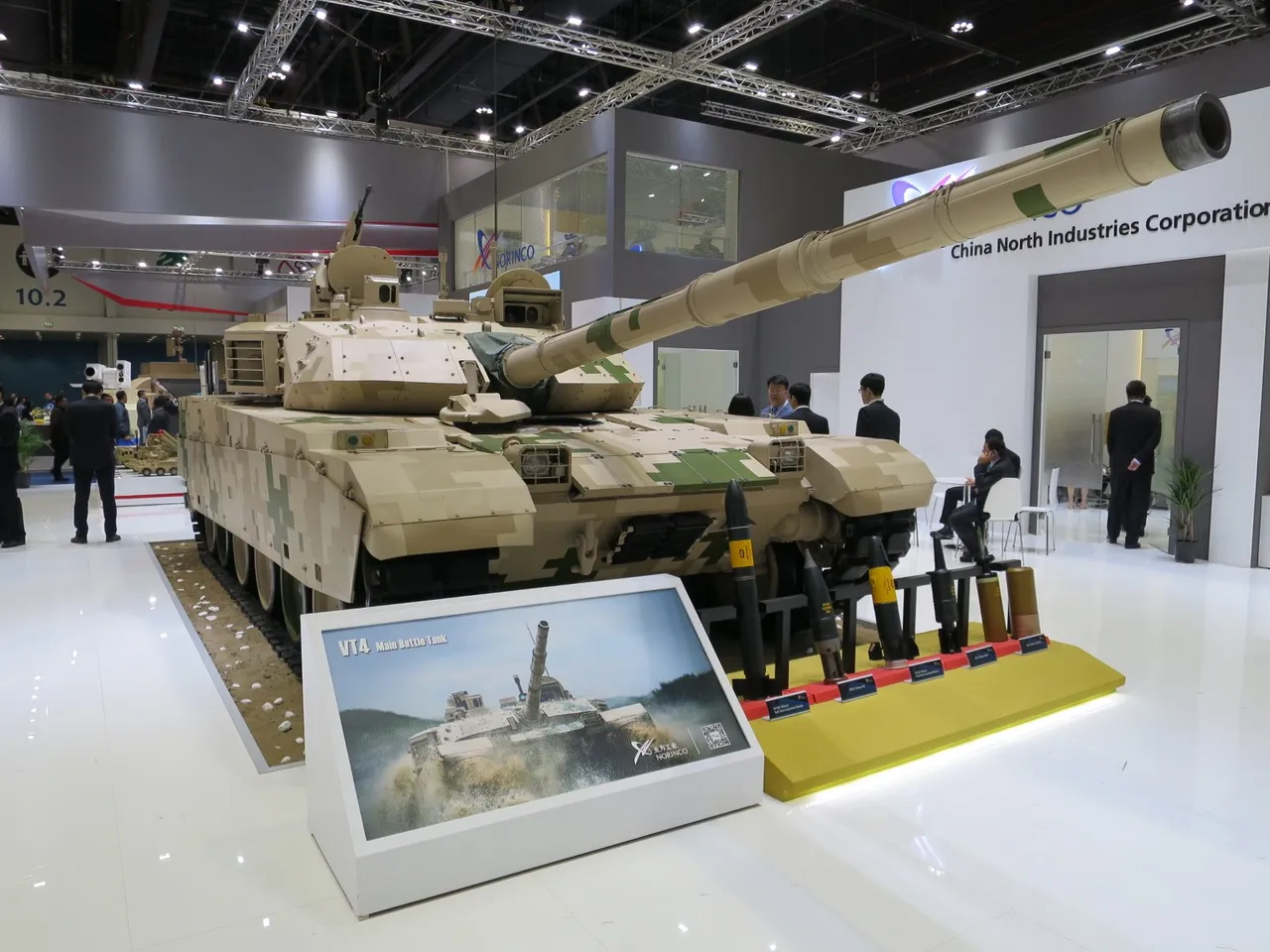
Unverified images from the Zhuhai show site in November 2026 reveal unmanned combat vehicles, an anti-drone radar truck and a drone-hunting VT-4B tank.

TAIPEI —
This article is an original Taiwan Defence analysis based on the cited public sources. It distinguishes reported facts from analytical judgments and does not represent original field reporting.
On 21 November 2026, the South China Morning Post reported that images and videos posted online show new drone and anti-drone vehicles at the site in Zhuhai where Airshow China will be held from 7 to 13 December. The hardware includes two unmanned combat vehicles, one of them armed with Hongjian missiles, and a new type of anti-drone tactical vehicle. The newspaper stressed that it had not independently verified the images.
Notizie Geopolitiche, drawing on the same posts by Chinese military bloggers, described the anti-drone vehicle as a six-wheeled Dongfeng Mengshi-III carrying a large active electronically scanned array radar on a movable arm. The bloggers claim the radar can detect low-flying drones out to about 10 km. The smaller unmanned vehicle carries four Hongjian missiles of an unidentified type, and a third, tracked vehicle of about 10 tonnes mounts a gun, four anti-tank missiles and four roof antennas.
A week earlier, photos began circulating of a tank believed to be designated VT-4B arriving at Zhuhai. According to the Post and Defence Blog, it swaps the 12.7 mm remote machine gun of earlier VT-4s for a 30 mm remote cannon meant to engage loitering munitions, small first-person-view drones, infantry and anti-tank teams. A small radio-frequency panel sits beside the gun; observers suggested it could be a fire-control radar or a compact microwave emitter, but its role is unconfirmed.
The tank also appears to carry the GL-6 active protection system used on some newer Chinese army tanks, with four phased-array radar panels and two launchers for interceptors against incoming anti-tank rounds. Reports also point to thicker explosive reactive armour, a new independent sensor pod for the commander and heavier data-link antennas, features that echo the fourth-generation Type 100 family. Its state-owned maker, NORINCO, has not released details.
A catalogue shaped by recent wars
Taken together, the vehicles share one theme. Each is either unmanned or designed to find and kill small drones, which suggests Chinese industry expects buyers to judge land equipment above all by how it survives and uses drones. This is not a one-off: Defence Blog noted that the VT-4B is the second drone-focused upgrade of the tank in two years, after the VT-4A1 shown at Zhuhai in 2024 added a drone jammer. For a sales catalogue, that is a deliberate choice of emphasis rather than an accident of timing.
The commercial stakes are real but narrow. The VT-4 serves with Pakistan, Nigeria and Thailand, and Pakistan has a contract for 679 to be built locally as the Haider, Defence Blog reported, citing SIPRI. Thai crews have criticised the tank's reliability after border fighting, and Notizie Geopolitiche cited the Takshashila Institution on recurring thermal and metallurgical problems with VT-4s in Thailand and Nigeria. The same outlet said SIPRI ranked China fifth among arms exporters in 2021 to 2025, with about 5.6 per cent of the global total.
That record makes the upgrades look like an answer to customer complaints as much as a technology showcase. A tank that already sells mainly to one large buyer needs visible fixes to win new orders, and drone defence is the selling point that recent wars have made most persuasive to armies weighing a cheaper alternative to Western armour.
For Taiwan, the direction matters beyond the export market. Equipment built for foreign buyers often shares technology with the PLA's own vehicles, as the Type 100 features on the VT-4B suggest. If Chinese armour is being designed to shrug off small drones, that bears on defence plans that lean on large numbers of cheap drones to strike landing forces and vehicles at the shoreline.
What is still unknown
Much remains unconfirmed. The Post said it could not verify the images, Notizie Geopolitiche reported that neither China's defence ministry nor the show organisers had commented, and Defence Blog said NORINCO had released no details of the VT-4B. It is also unclear whether the anti-drone vehicle is intended for export. The biennial show itself was moved from its usual November dates to December.
The real test comes when the show opens on 7 December. Official specifications, export designations and any signed orders would show whether the drone-focused redesign is a marketing layer or a genuine shift in how Chinese armour is built. Until then, the vehicles at the Zhuhai site are a strong signal of intent rather than proof of capability. Buyers, and the analysts watching for PLA lessons, will want live demonstrations and hard numbers, not static displays and blurry phone footage.
Sources
More in Analysis
Why Taiwan's coast guard drones, revealed in November 2026, hinge on a OneWeb link rather than Starlink
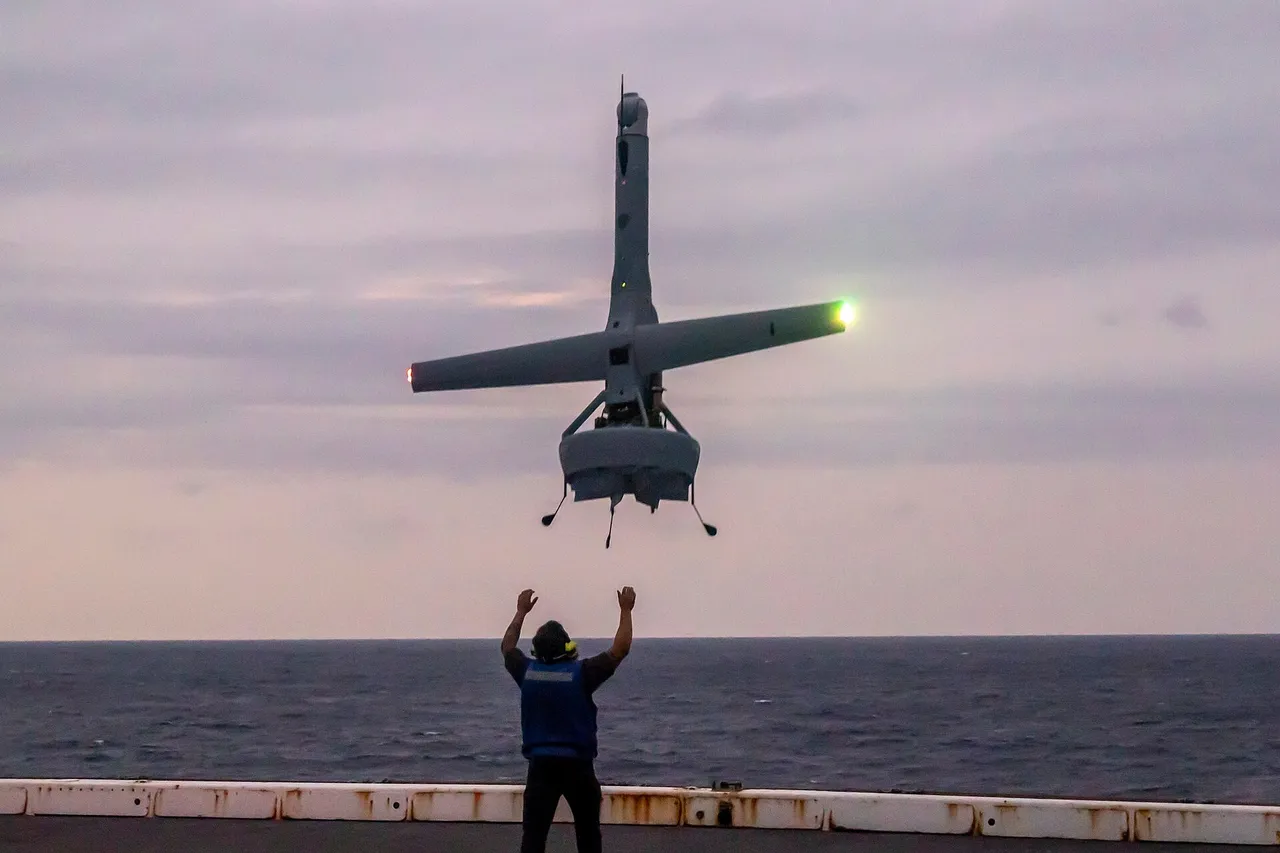
A 21 November 2026 report says Taiwan's coast guard drones and drone boats send long-range video over OneWeb, because Starlink is still not licensed there.
TaiwanDefence · 3h ago · 4 min read
Why South Korea's lawmakers used the 16 November 2026 budget review to arm KF-21s and fix Apaches
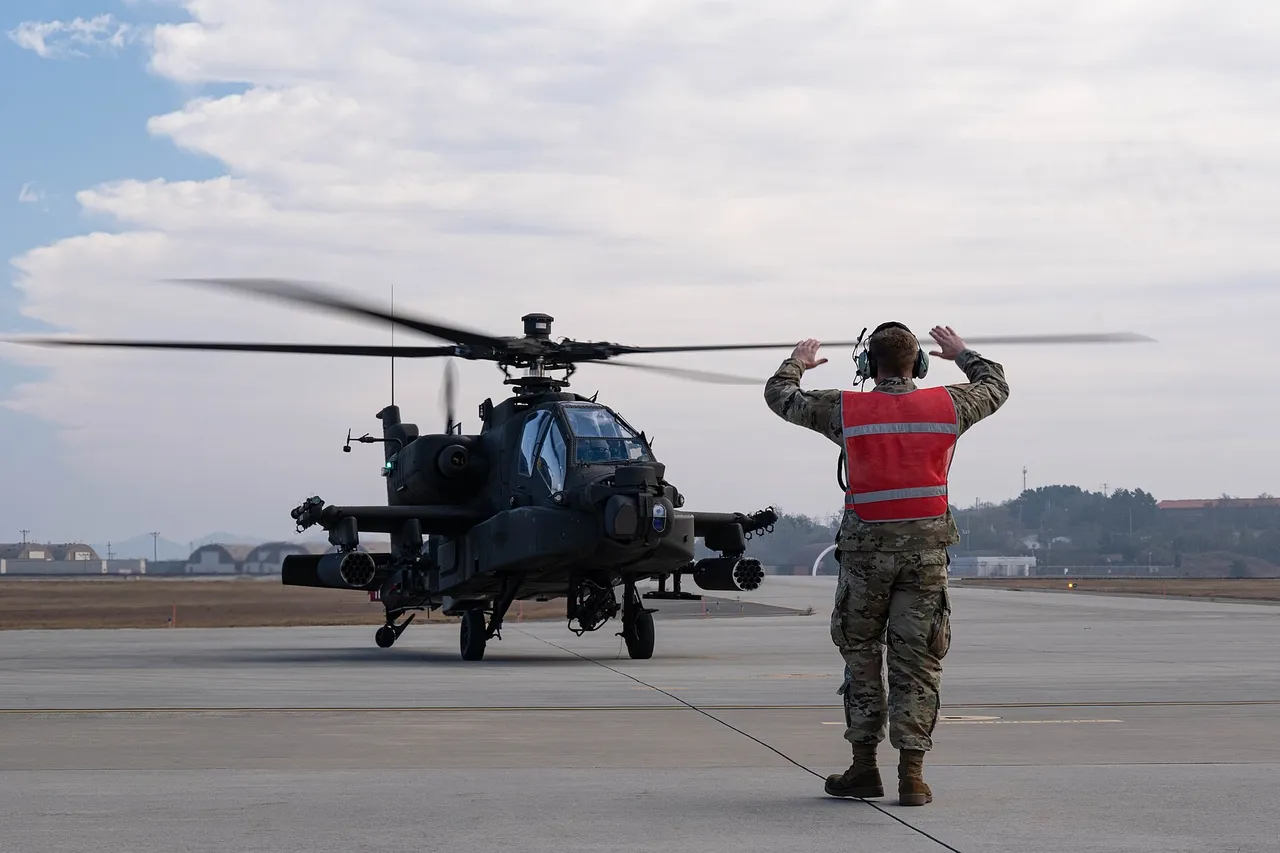
Seoul's defence committee added about 1.4 trillion won to the 2027 budget on 16 November 2026, favouring KF-21 weapons and Apache upkeep over failing projects.
TaiwanDefence · 5h ago · 4 min read
Why China's warplanes nearly vanished around Taiwan in the November 2026 summit week but its warships stayed
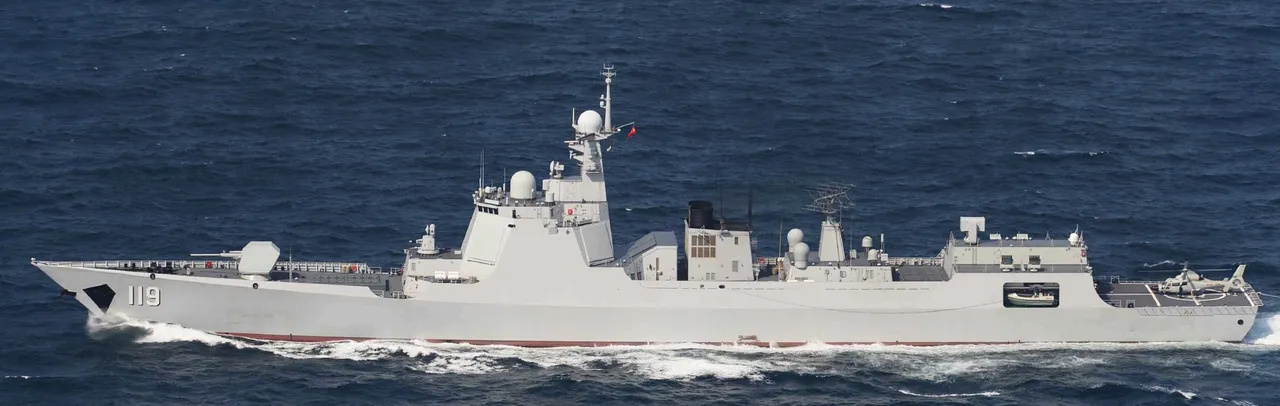
Taiwan counted just two Chinese military aircraft on 21 November 2026, down from 32 at the start of the month, yet six to eight warships stayed around the island every day.
TaiwanDefence · 15h ago · 3 min read
Discussion (0)
Comments are not currently available.