
ANALYSIS
Why South Korea's lawmakers used the 16 November 2026 budget review to arm KF-21s and fix Apaches
Seoul's defence committee added about 1.4 trillion won to the 2027 budget on 16 November 2026, favouring KF-21 weapons and Apache upkeep over failing projects.

TAIPEI —
This article is an original Taiwan Defence analysis based on the cited public sources. It distinguishes reported facts from analytical judgments and does not represent original field reporting.
On 16 November 2026, the National Defense Committee of South Korea's National Assembly approved a revised 2027 budget for the defence ministry, the Defense Acquisition Program Administration (DAPA) and the Military Manpower Administration. Against a government request of about 73.28 trillion won, the committee made a net addition of about 1.42 trillion won: roughly 618 billion won more for the ministry and about 800 billion won more for DAPA, while the manpower agency's budget passed unchanged.
The biggest procurement addition was 300 billion won for follow-on production of the KF-21 Boramae fighter. Lawmakers also added 200 billion won to research on core technology for strategic weapons such as hypersonic missiles and 15 billion won for drone weapons research. According to Segye Ilbo, which obtained the committee's detailed review, only 77.9 billion won of the government's follow-on production money had been set aside for armament, so the committee added a weapons package to stop jets being delivered without weapons at a time when wars and European rearmament are driving up demand for munitions.
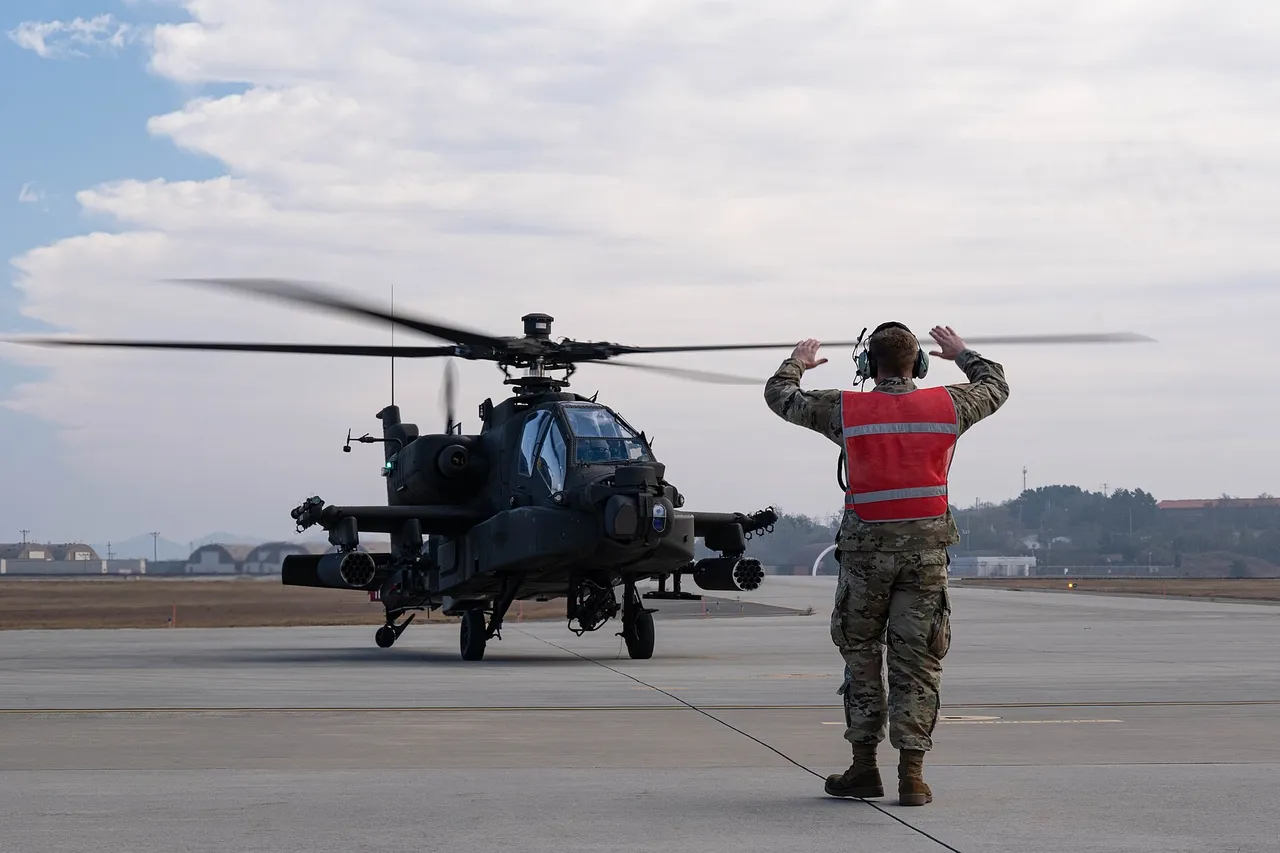
The second notable addition concerns the army's AH-64E Apache. The government had set aside only 7 million won for an upgrade; the committee raised this to about 81 billion won. Segye Ilbo reported that the Apaches have not been upgraded since they entered service in 2016 and 2017, that discontinued parts keep their availability below 60 per cent, and that with older AH-1S and 500MD helicopters retiring and the light armed helicopter delayed, the Apache is the army's only usable attack helicopter. The committee also raised the second airborne early warning aircraft project by about 243 billion won to about 747 billion won.
The cuts point the other way. Funding for upgrading the scientific surveillance system along the general outpost (GOP) line fell by about 44.9 billion won after the equipment from both bidders developed defects during purchase testing and the evaluation was ended. Segye Ilbo said a medium-range loitering munition was cut from about 38.4 billion won to 100 million won because a change of requirement owner delayed testing, the second Patriot upgrade lost 25 billion won amid a price dispute with Raytheon over launchers, and SM-3 interceptor money fell after US Foreign Military Sales delays.
Readiness before novelty
Read together, the changes suggest a committee more interested in making existing equipment work than in starting new things. Buying weapons for fighters already in production, restoring an attack helicopter fleet that is available less than 60 per cent of the time and paying deposits on early warning aircraft are all about the force South Korea already has. The new starts the committee funded were small, while the large sums went to fleets that are flying now.
The cuts look less like a change of policy than a penalty for slippage. The committee did not turn against drones: drone research gained money, and Segye Ilbo reported that a swarm drone project rose from 100 million won to 15.1 billion won. What lost out were projects that failed tests or fell behind schedule, and for the GOP system the committee attached a formal instruction that DAPA rewrite the requirements and restart the competition fairly.
The review also shows how far South Korea's plans depend on American suppliers and paperwork. The Apache upgrade is a government-to-government sale, and lawmakers said it needed a realistic down payment to keep it on schedule, while the Patriot and SM-3 reductions both trace back to US prices or US sales timelines. For an ally that builds much of its own equipment, the most expensive delays in this budget still sit in Washington and with US contractors.
The nuclear-powered submarine project passed as proposed, but with a condition. The government's 2027 plan included about 100 billion won to begin development, and the committee asked for a report to its members on the project's basic strategy, technical maturity, scale, cost analysis and schedule. A second aerial tanker project was also approved unchanged.
Not yet final
None of this is settled. The committee's figures now go to the Special Committee on Budget and Accounts, need the government's consent for increases and then a plenary vote, with a legal deadline of 2 December. Daily Environment noted that ten standing committees had together added about 24.8 trillion won to the national budget by 18 November, so defence increases may be trimmed alongside others.
The test is whether the KF-21 weapons money and the Apache upgrade survive that final round. If they do, the 2027 budget will mark a year in which Seoul's lawmakers chose to arm and repair the forces they have rather than add new programmes, a useful signal for allies and rivals who judge South Korea's military by what is ready to fight, not by what is on order.
Sources
More in Analysis
Why Taiwan's coast guard drones, revealed in November 2026, hinge on a OneWeb link rather than Starlink
A 21 November 2026 report says Taiwan's coast guard drones and drone boats send long-range video over OneWeb, because Starlink is still not licensed there.
TaiwanDefence · 3h ago · 4 min read
Why China's armour gathering at Zhuhai in November 2026 is built around the drone war
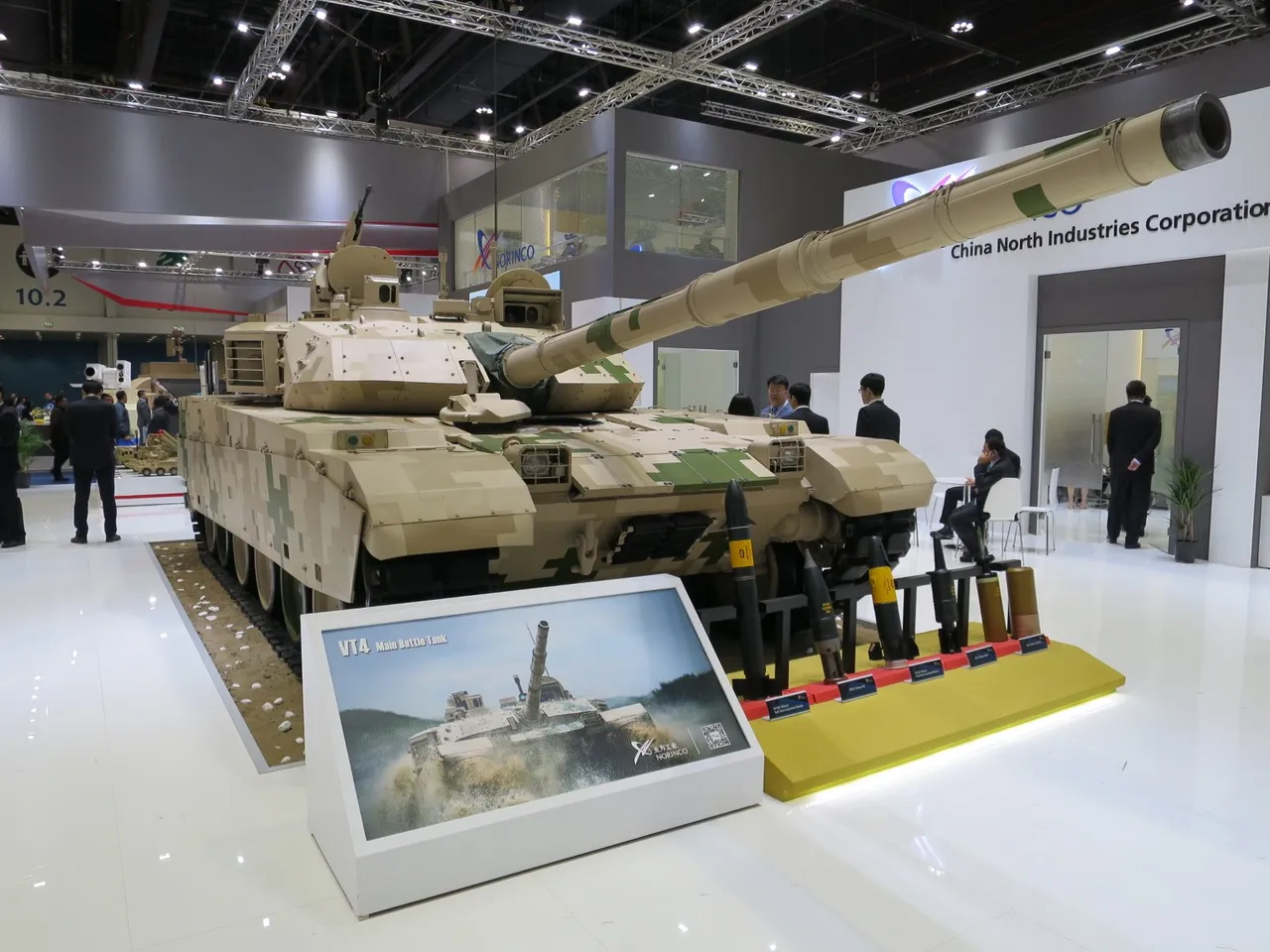
Unverified images from the Zhuhai show site in November 2026 reveal unmanned combat vehicles, an anti-drone radar truck and a drone-hunting VT-4B tank.
TaiwanDefence · 7h ago · 3 min read
Why China's warplanes nearly vanished around Taiwan in the November 2026 summit week but its warships stayed
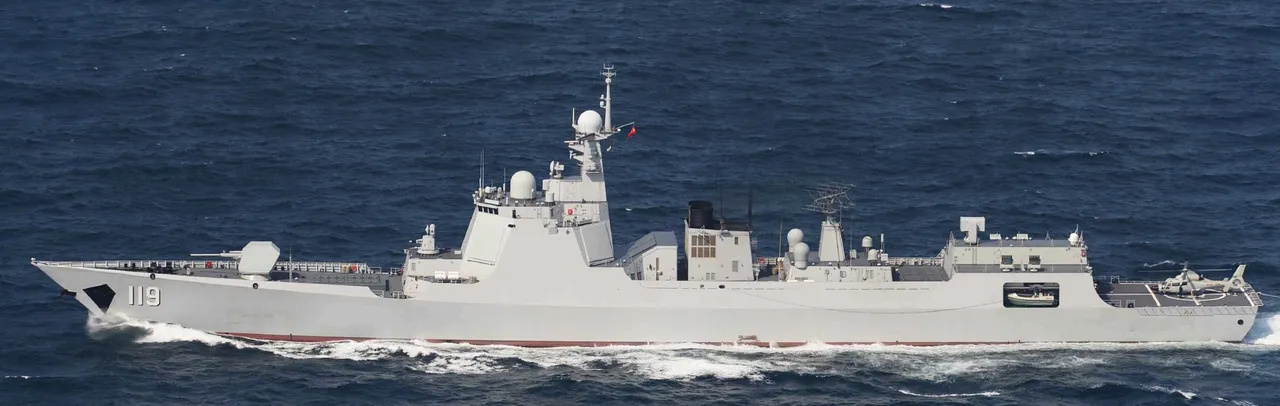
Taiwan counted just two Chinese military aircraft on 21 November 2026, down from 32 at the start of the month, yet six to eight warships stayed around the island every day.
TaiwanDefence · 15h ago · 3 min read
Discussion (0)
Comments are not currently available.