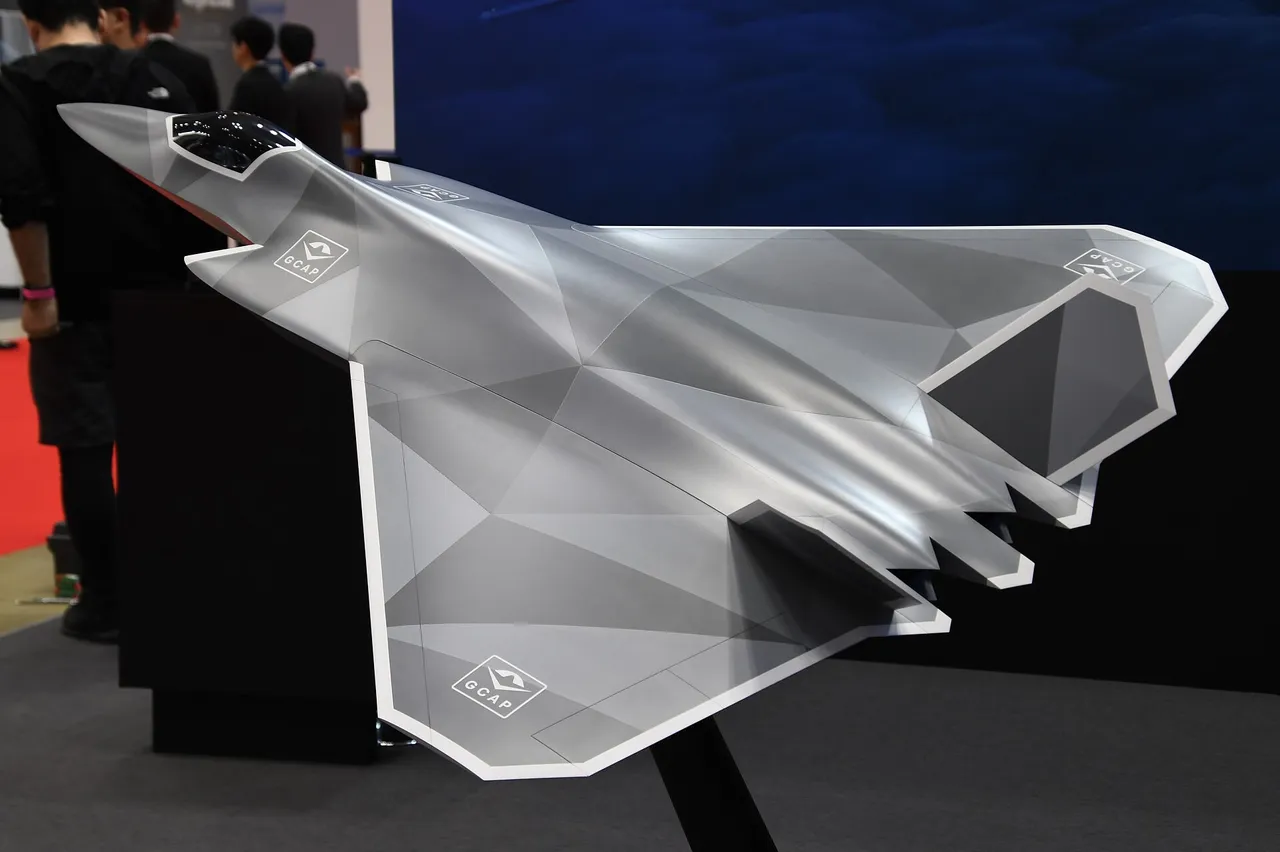
GCAP fighter venture Edgewing plans Japan design centre with about 1,000 staff
Edgewing's chief says the Japan hub opens early next year, after a Turin site opened on 9 October; Thales is also setting up a Japan maintenance base.

TAIPEI —
Edgewing, the joint venture designing the next-generation GCAP stealth fighter for Japan, Britain and Italy, plans to open a design and development centre in Japan early next year that will eventually employ about 1,000 people, its chief executive Marco Zoff told Nikkei Asia in Turin.
According to Chosun Biz, which cited the Nikkei report, the Japanese hub will be in Aichi Prefecture, a centre of Japan's aerospace industry, and about half of its staff will be hired locally in Japan.
Edgewing is owned in equal thirds by BAE Systems of Britain, Leonardo of Italy and Japan Aircraft Industrial Enhancement Co., the vehicle for Japan's industry. It acts as the trinational prime contractor responsible for designing the aircraft and holding design authority over its life cycle, which is expected to run beyond 2070, MILMAG reported. Production and final assembly will be left to the national industries.
Turin opens first, Britain next
The Japan centre follows the opening on 9 October of Edgewing's first national engineering site in Turin, in Italy's Piedmont region. Defense Mirror said it was the first Edgewing site to open for engineering work since the joint headquarters of the company and the government-run GCAP Agency was set up in Reading, England, in 2025, and the first of three planned engineering hubs.
The Turin site's first engineers are secondees from the three partner companies, some of whom moved from Japan. Chosun Biz said Turin will host specialists in structural and systems design and engine components, with avionics and other subsystem teams to follow, while a similar facility is planned at Warton in Britain. Zoff said each hub would specialise in different subsystems to work more efficiently.
Leonardo expects Edgewing Italia to grow to about 1,000 employees over time, with more than 1,000 additional Leonardo staff working on the programme, mainly in Turin and nearby Caselle, MILMAG reported. Leonardo chief executive Lorenzo Mariani said hundreds of engineers in Turin and thousands more across Italy would contribute, describing GCAP as a way to secure technological sovereignty for generations to come.
Zoff told Nikkei Asia that the three governments are keen to keep the programme on schedule. The partners aim to bring the sixth-generation fighter into service in 2035. The aircraft is meant to fly long-range surveillance and strike missions in heavily contested airspace and to direct drones as a flying team captain, according to Defense Mirror.
Thales to service defence equipment in Japan
Separately, French defence group Thales will set up a base in Japan to handle maintenance and operational support for military equipment it supplies to the Self-Defense Forces, Nikkei Asia reported. Its partner Japan Steel Works will begin producing mortars for the Ground Self-Defense Force under a technology transfer from next year.
Chosun Biz, citing Nikkei, said it would be the first dedicated maintenance base set up in Japan by a foreign defence company and that a site is still being chosen. Some observers see the move as reflecting Tokyo's push to strengthen combat sustainability, an issue in the revision of Japan's three security documents due by the end of the year.
Sources
More in Industry
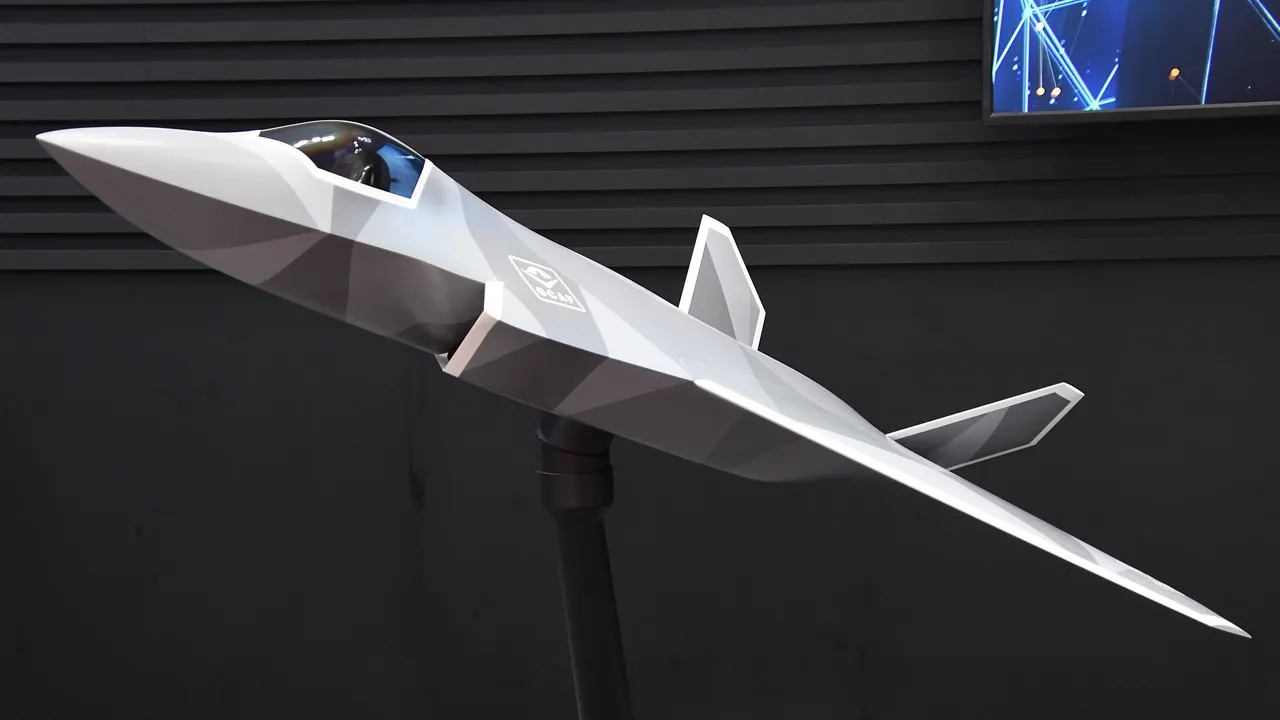
Italy says its offer of GCAP observer status for Germany is a first step, not a snub
Rome denies trying to keep Berlin out of the fighter programme it shares with Britain and Japan, as Germany rejects an observer-only role and weighs a decision by March.
TaiwanDefence · 17h ago · 3 min read
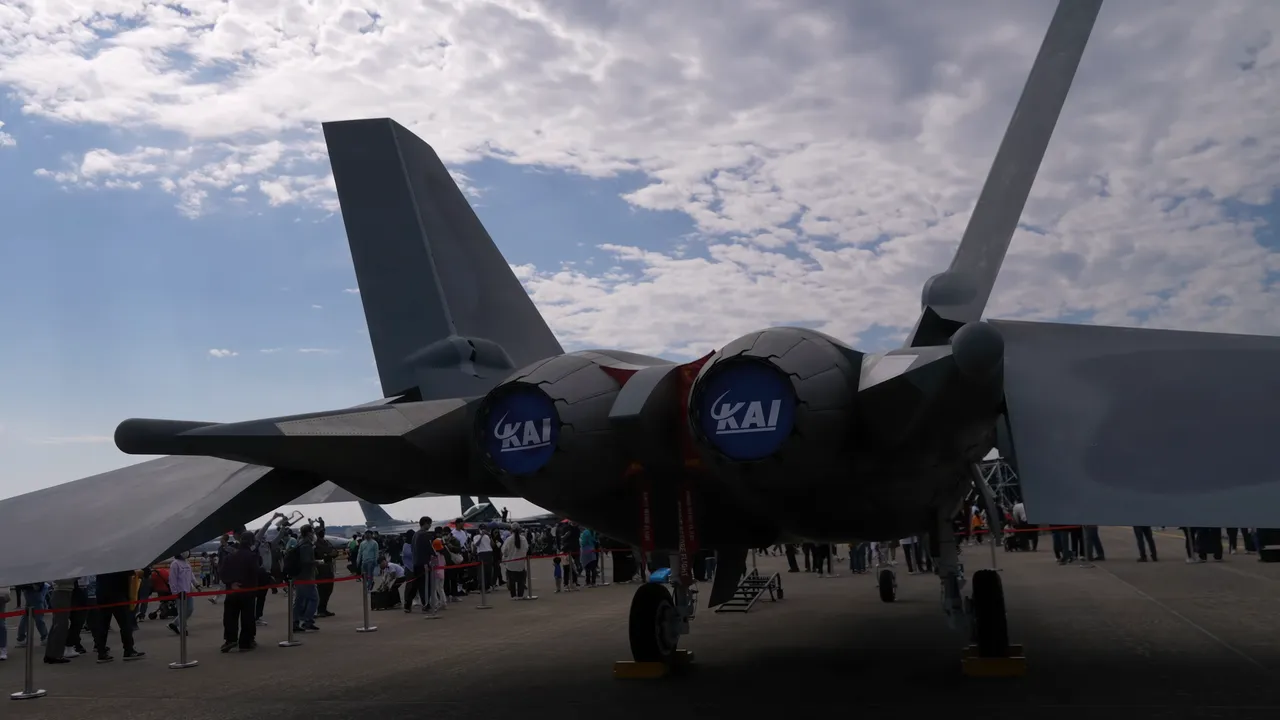
Hanwha Aerospace to build South Korea's first 10,000-pound jet engine for a stealthy spy drone
The Agency for Defense Development picked Hanwha for a 177.3 billion won project to build four high-bypass turbofans for a low-observable reconnaissance drone by 2031.
TaiwanDefence · 20h ago · 2 min read
US space firms tell Taiwan its biggest gaps are orbital surveillance, secure links and satellite tracking
After an AIT space industry day with Taiwan's space agency and defence officials, US companies said orbital ISR, cable-proof communications and space awareness top the list.
TaiwanDefence · 23h ago · 3 min read
Discussion (0)
Comments are not currently available.