
Taiwan's F-16s fly with AGM-88B radar-killing missiles as the air force rehearses Wild Weasel strikes
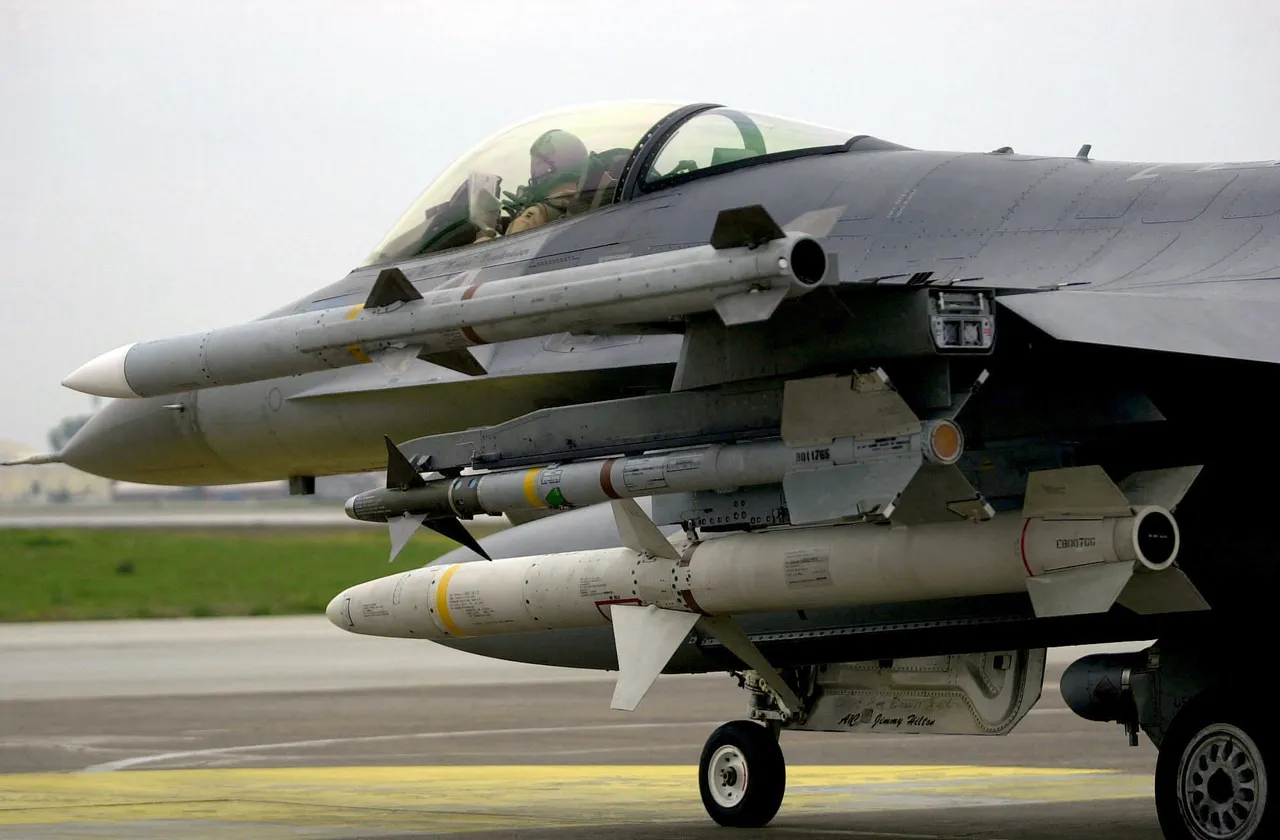
Photos from the second, tactical phase of the Tien Lung exercise show F-16s in a full load with HARM missiles, a sign the air force's SEAD role is now operational.

TAIPEI —
Taiwan's air force flew F-16 fighters armed with AGM-88B high-speed anti-radiation missiles during the tactical phase of its annual Tien Lung exercise last week, according to photographs released by a military enthusiast community and reported by the Liberty Times on 25 November. The jets carried a full load of AIM-9M/X and AIM-120C-7 air-to-air missiles alongside the AGM-88B, a weapon designed to home in on enemy radar emissions.
The newspaper said the images showed that the AGM-88B had become an operational capability after more than two years of conversion training, and that Taiwan now has its own version of a Wild Weasel force, the term the US Air Force uses for aircraft that suppress enemy air defences.
An aggressor squadron plays the hunter
According to the enthusiast community, known as IDF Ching-kuo, whose photographs the Liberty Times published with the group's permission, this year's Tien Lung exercise was split into a technical phase and a tactical phase. The technical events in early November included air-to-air gunnery against towed targets, small practice bomb drops and air-to-air missile firing.
The second, tactical phase featured a demonstration of the Wild Weasel mission by the air force's aggressor squadron, with one fighter wing playing the opposing red force, the reports said. The scenario simulated breaking through an enemy air defence network and using the AGM-88B to destroy enemy air defence units.
The group also said that the standard AGM-88B load normally requires a HARM targeting system pod mounted beside the F-16's engine intake to locate radar targets, but that the version bought by Taiwan is more advanced and does not need the pod. The Liberty Times and the Plum News network both relayed that claim without independent confirmation of the missile's configuration.
A dangerous mission with a long history
A senior air force officer told the Liberty Times that the Wild Weasel role was created in 1965 during the Vietnam War, when the United States formed units to counter dense North Vietnamese SA-2 surface-to-air missile sites. Their crews had to provoke enemy radars into switching on and then destroy them, which meant deliberately flying into the range of enemy air defences.
In Asia, the US Wild Weasel mission is carried out from Misawa Air Base in Japan, the reports noted. The unit there originally flew F-16C/D Block 50 fighters and has since moved to the F-35A, while keeping the same suppression role.
The Plum News report described the AGM-88B as a high-speed missile that detects the electromagnetic signals emitted by enemy radars, locks on to the source and strikes it. Forcing defending radars to shut down or destroying them weakens an air defence system's ability to detect and engage aircraft, opening safer corridors for follow-on air operations.
Missiles that arrived early
Taiwan's defence ministry confirmed in December 2022 that the AGM-88B missiles had been delivered ahead of schedule. Lieutenant General Lee Shih-chiang, then head of the ministry's strategic planning department, told lawmakers the missiles had been due in 2023 but had already arrived. The air force chief of staff at the time said the variant had been modified to meet Taiwan's requirements and was better than the type then in US service, but declined to disclose its range or the number delivered.
Sources
More in Air Force
A Patriot missile officer is named to lead Taiwan's air defence and missile command
Major General Chuang Hung-wen will succeed the retiring Lieutenant General Liu Hsiao-tang on 1 December and take charge of more than 1,000 missiles, reports say.
TaiwanDefence · 16h ago · 2 min read
US Navy orders Raytheon training and logistics support for Taiwan's JSOW glide bombs on older F-16s
A US$6.3 million sole-source order prepares Taiwan's upgraded F-16A/B fleet to use the AGM-154C before the delayed weapons arrive in 2027 and 2028.
TaiwanDefence · 2d ago · 2 min read
Taiwan's air force plans a December handover ceremony for its first two MQ-9B drones
The two US-built long-endurance drones, flying from Hualien since September, are to undergo more evaluation before joining the combat-ready force.
TaiwanDefence · 3d ago · 3 min read
Discussion (0)
Comments are not currently available.