
ANALYSIS
Taiwan's new F-16Vs are arriving years before the shelters meant to protect them
As a strategist warned on 9 October 2026 that air base defences are weak, the 26 shelters planned for eastern F-16V bases are not due until 2031.
TAIPEI —
This article is an original Taiwan Defence analysis based on the cited public sources. It distinguishes reported facts from analytical judgments and does not represent original field reporting.
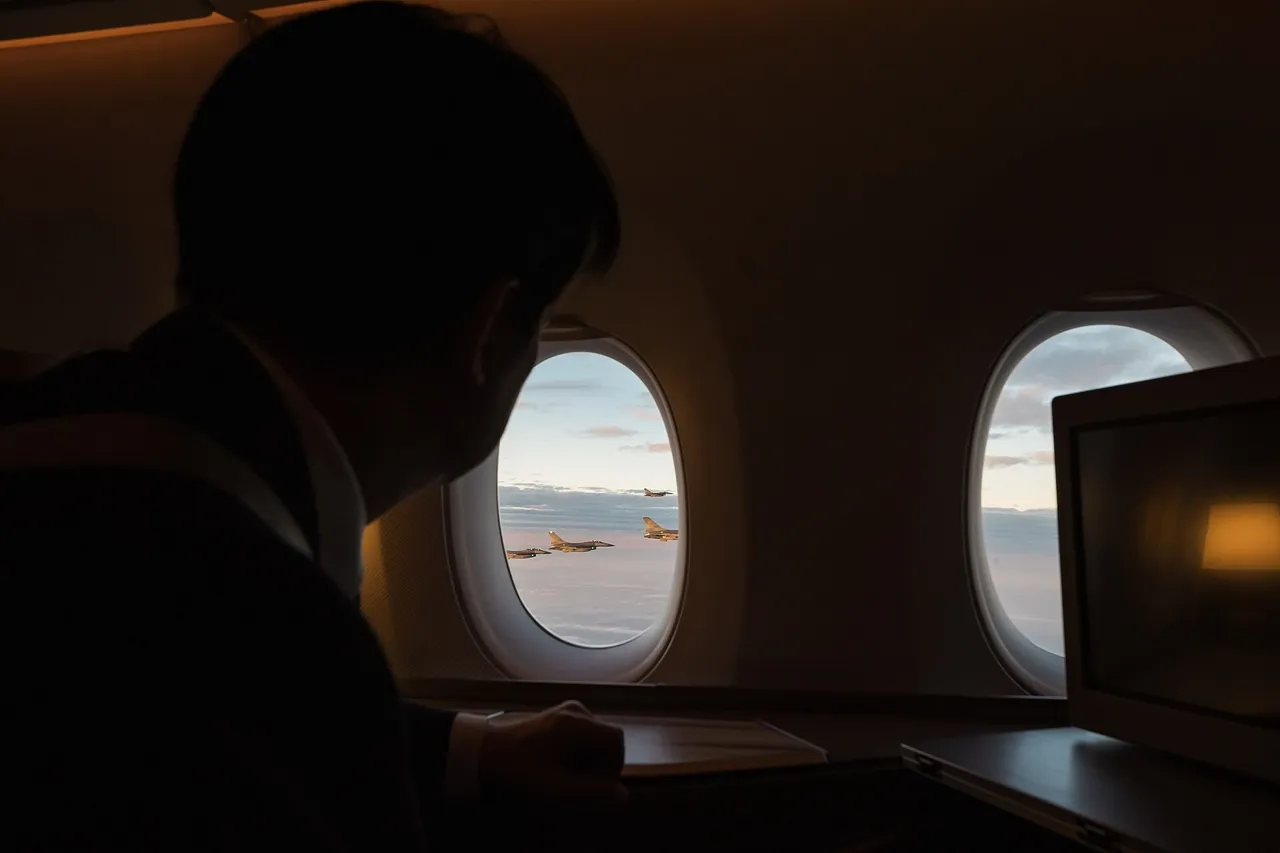
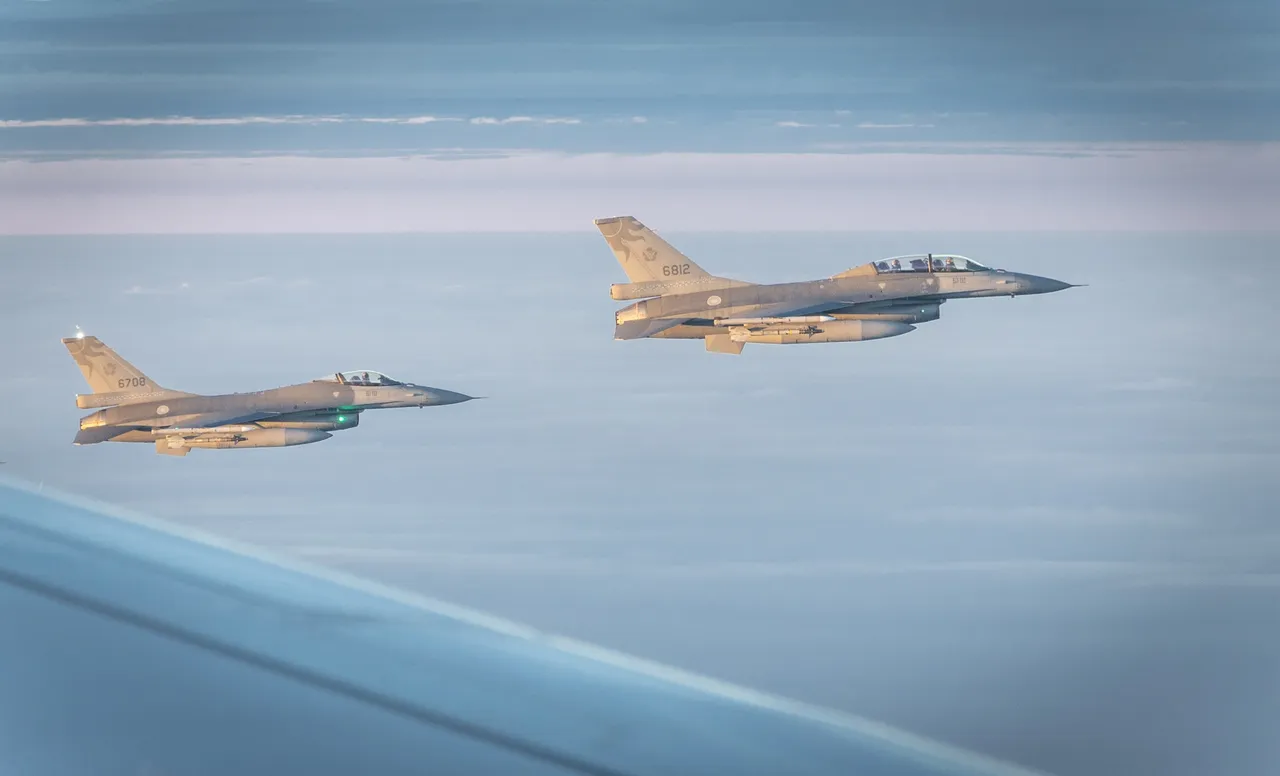
Taiwan's first F-16V Block 70 fighters landed at Chihhang Air Base in Taitung on 2 October 2026, the start of a 66-jet order worth about NT$247.2 billion. A week later, on 9 October 2026, strategist Liao Hung-hsiang warned in the Liberty Times that without stronger physical protection at the bases, the new jets risk becoming ground targets for precision strikes and drones in the opening hours of a war.
The air force's own plans show why the warning lands. Its 2027 budget proposal calls for 26 new hardened aircraft shelters in Hualien and Taitung under a policy of one shelter for every aircraft, but construction is not due to begin until 2030 and the project is scheduled to finish in 2031.
That timing is the core problem. The new F-16Vs will be arriving for years before the shelters planned for them exist, so their survival in a surprise attack will depend, at least until 2031, on dispersal to mountain hangars and on base defences that critics say were built to stop intruders at the fence, not small drones overhead.
A fighter hub in the east
The Block 70s are to be based at Chihhang, which previously hosted F-5E/F aircraft used mainly for training and is now being turned into a main combat base, according to the Central News Agency. Their deployment is expected to reinforce air defence over Hualien and Taitung and help counter Chinese naval and air moves aimed at encircling Taiwan. The programme ran late because of the relocation and restart of the production line and supply chain disruption.
Once all 66 jets arrive, eastern Taiwan would host roughly 110 to 120 F-16Vs alongside the upgraded F-16 Block 20s of the 5th Tactical Fighter Wing in Hualien, the Taipei Times reported, making it one of the largest concentrations of the country's fighters. Taiwanese defence experts cited by the paper said basing the jets in the east adds strategic depth and reduces the logistics burden, while retired US Rear Admiral Mark Montgomery said the jets would significantly raise air combat capability.
Shelters on a 2031 timetable
The shelter project is budgeted at more than NT$6.88 billion from 2027 to 2031, with 22 shelters in Hualien and four in Taitung, plus five general hangars for transport aircraft in Hualien. Next year's tranche is NT$65.53 million for project management, surveying, drilling and preliminary design. Detailed design, tendering and contract awards are scheduled for 2028 and 2029, construction for 2030, and inspection and closeout for 2031.
In the meantime, the air force says frontline fighters would be dispersed in wartime to the Chiashan facility in Hualien and the Shihzishan facility in Taitung, and that it needs to reassess aircraft numbers and the protective capacity of existing shelters. The new shelters are meant to withstand heavy blasts so that enough jets survive a sudden attack to keep flying interception and homeland defence missions.
The weaknesses a critic sees
Liao, a former McDonnell Douglas representative in Taiwan who lectures at the National Defense University's War College, listed four weaknesses. Most bases sit on densely populated coastal plains, where drones could be pre-positioned through smuggling, fishing boats or agents, leaving almost no warning. Base guards focus on gates and fences rather than sensors and defences against small drones launched kilometres away.
He also said the mountain hangars in the east and the hardened shelters at some bases cannot hold the whole fleet, so many of the 66 new jets would have to sit on open aprons or in simple sheds unless shelters are added. And older shelters designed against bomb fragments can be entered by small drones through vents, exhausts or door gaps, where a blast inside would do more damage. He pointed to Ukraine's drone attack on Russian bomber bases as evidence that aircraft on the ground are the most vulnerable target.
His proposals include layered defences that combine radar, electro-optical sensors, jamming and guns with nets, camouflage, decoys and dispersal; screening shelter vents and doors; pushing surveillance several kilometres beyond the fence with police, coast guard and local governments; giving base defence a dedicated command, troops and budget; and funding protection in proportion to the nearly NT$250 billion spent on the jets.
What would change the picture
The shelter plan answers part of the critique, since one shelter per aircraft is exactly the capacity gap Liao describes, but its 2031 end date leaves the first years of the F-16V fleet's service covered mainly by dispersal and existing facilities. Montgomery's advice that Taiwan next buy E-2D early warning aircraft and better air-to-air missiles points to the same lesson: the jets are only as useful as the systems that keep them alive and informed.
- Whether lawmakers keep or speed up the NT$65.53 million first tranche for the shelters in the 2027 budget.
- Whether the air force adds counter-drone sensors and guns at Chihhang and Hualien before the shelters are built.
- How many of the 66 jets arrive before 2030, when shelter construction is due to begin.
Until then, the most expensive fighters Taiwan has bought in a generation will be protected less by concrete than by how quickly they can be moved, hidden and defended against small, cheap threats.
Sources
More in Analysis
Taiwan's F-16V fleet faces two more years without its crash-avoidance safety net and its standoff glide bomb
A defence ministry report on 9 October 2026 puts both the Auto GCAS retrofit and AGM-154C deliveries at end-2028, leaving the core fighter fleet short of both.
TaiwanDefence · 13h ago · 4 min read
Matsu's new cable and what Taiwan's communications backups have actually kept running
The Taiwan-Matsu No. 2 cable failed again on 6 October 2026. Three earlier outages show microwave backups kept phones working, but not everything, and repairs take weeks.
TaiwanDefence · 1d ago · 14 min read
Taiwan's new defence committee leaders set up a session-long fight over drones, manpower and delays
In convener elections on 8 October 2026, the DPP drew the defence ministry's agenda while the KMT's Hsu Chiao-hsin put manpower and arms delays first.
TaiwanDefence · 1d ago · 3 min read
Discussion (0)
Comments are not currently available.