
ANALYSIS
Pay rises have not filled Taiwan's frontline units, and the shortage now looks structural
An 11 October 2026 report says volunteer staffing is under 80% for a third year. The same frontline units have been short since at least 2024.
TAIPEI —
This article is an original Taiwan Defence analysis based on the cited public sources. It distinguishes reported facts from analytical judgments and does not represent original field reporting.
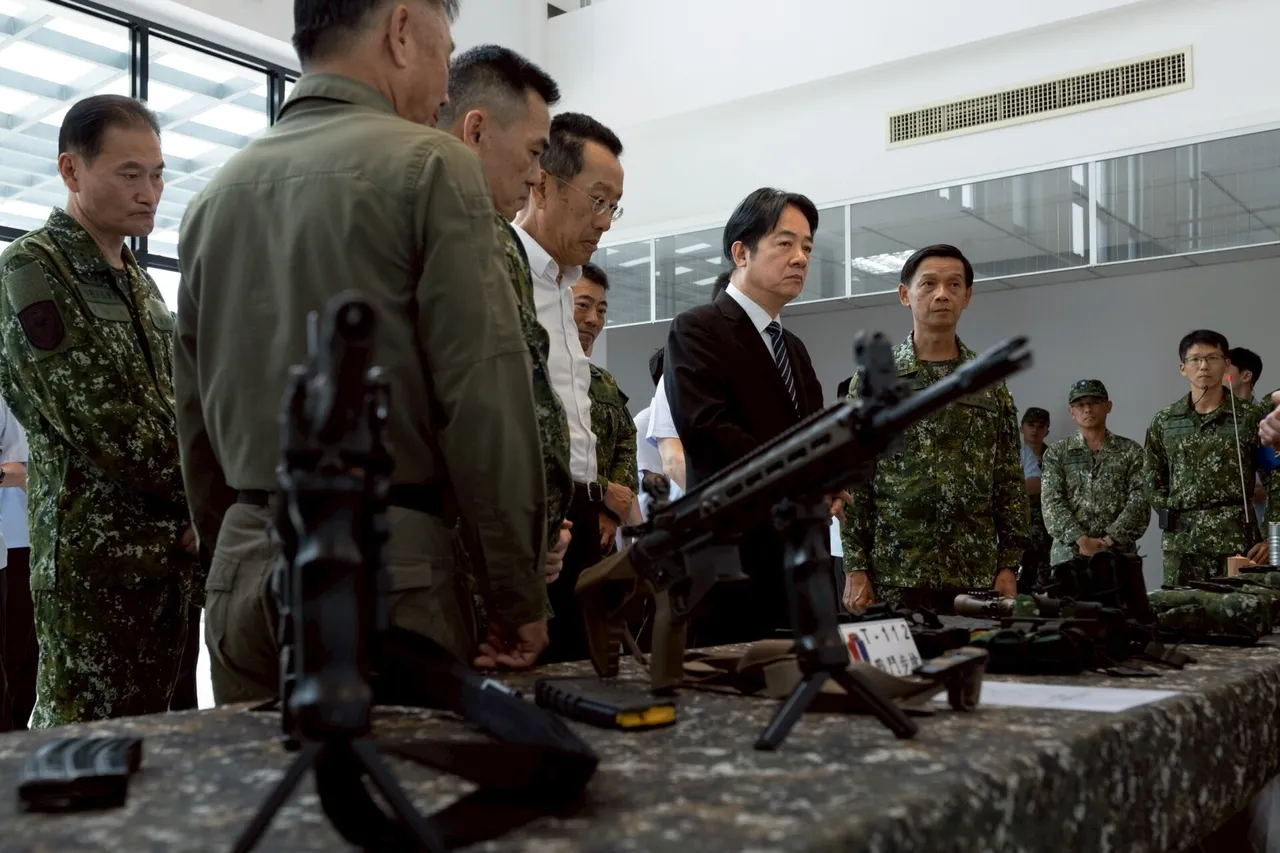
On 11 October 2026 the South China Morning Post reported a warning from the Legislative Yuan's Budget Center, in its review of the proposed 2027 defence budget, that Taiwan's volunteer staffing has stayed below the 80% target for a third straight year. The center's review of this year's supplementary budget, reported by the United Daily News on 7 October, put the rate at 76.62% at the end of June.
The number itself is not new. What stands out is how little it has moved. Across four Budget Center snapshots since the end of 2024 the volunteer rate has stayed between about 75.5% and 77.5%, despite pay rises, new allowances and the return of one-year conscription. That points to a structural gap, and it is concentrated in the units that will operate the weapons Taiwan is now buying.
Reporting date. Posts filled (percent).
| Reporting date | Volunteer staffing rate (percent) |
|---|---|
| 2020 peak | 88.52 |
| End 2022 | 83.25 |
| End 2024 | 75.93 |
| June 2025 | 75.58 |
| End 2025 | 77.31 |
| June 2026 | 76.62 |
Sources: a1, a3
The same units keep appearing on the list
The Budget Center's lists of first-category combat units below 80% read almost the same each year. In September 2024 the Liberty Times reported shortfalls in army infantry on the outlying islands, mechanised infantry, artillery, armour and anti-armour units, Marine Corps battalions and missile companies, navy ships, air force air-defence missile units and the Military Police 202nd Command.
The review reported in November 2025 named the same kinds of army, marine, navy, air-defence and Military Police formations as of June that year. The October 2026 review again listed army infantry, mechanised infantry, special forces including snipers, artillery, tank, anti-armour and garrison units, Marine Corps companies, navy missile companies and fleet units, air force air-defence and missile units and the 202nd Command.
These are exactly the formations that will receive new missiles, self-propelled guns, drones and air-defence systems. Each review since 2024 has warned that the shortfall makes it harder to train and keep the specialists those systems need.
Incentives have not moved the needle
The defence ministry has not stood still. It raised five allowances, including the volunteer duty and combat unit allowances, from April 2025. In November 2025 it told the legislature that overall staffing, counting one-year conscripts, was 79.2%, of which volunteers made up 76.9%, and predicted the overall rate would reach 80% by the end of that year. It also said it was drafting a graded pay scale for senior NCOs to keep them in uniform.
From July 2026 the Executive Yuan approved a further combat allowance and extended it to conscripts serving in combat units. The volunteer rate at the end of June 2026, just before that change, was still lower than at the end of 2025, even though the April 2025 raises had been in place for more than a year. The ministry's own November 2025 figures help explain why the headline can flatter the picture: conscripts lift the overall rate, but the Budget Center has stressed that the government's force plan still relies on volunteers as the core of combat units.
Fewer recruits are coming
Demography makes catching up harder. The number of men eligible for compulsory service fell below 100,000 for the first time in 2023 and is projected to drop below 80,000 in 2027, according to the ministry's report to legislators in November 2025 and the Budget Center figures cited by the Post.
Losses are part of the problem. The Budget Center review reported by the Central News Agency in November 2025 found that the military recruited 52,647 volunteer soldiers from 2021 to 2024, but 12,884 left in the same period before completing their minimum service. Early departures by academy-trained officers also rose, from 521 in 2021 to 1,104 in 2023 and 1,072 in 2024.
Analysts quoted by the Post drew the obvious conclusion. Max Lo of the Taiwan International Strategic Study Society said the military risks having weapons without enough people to run them and should restructure its forces rather than try to fill every old unit. Former defence ministry spokesman Lu De-yun said short-handed crews work longer hours and run systems with fewer operators than designed, which reduces their effectiveness.
What would change the trend
If staffing has held near 76% through two rounds of pay increases, more money alone is unlikely to restore the frontline units to 80% before the new equipment arrives. The more realistic lever is to design units around the people Taiwan can actually recruit, using automation and drones where possible, as legislator Chen Kuan-ting suggested, and to give priority for volunteers to the formations that will operate new systems.
The next test comes when the legislature scrutinises the 2027 defence budget this session. The signs to watch are whether the ministry sets unit-by-unit staffing targets for first-category formations, and whether the June 2027 snapshot finally breaks out of the narrow band of the past three years.
Sources
More in Analysis
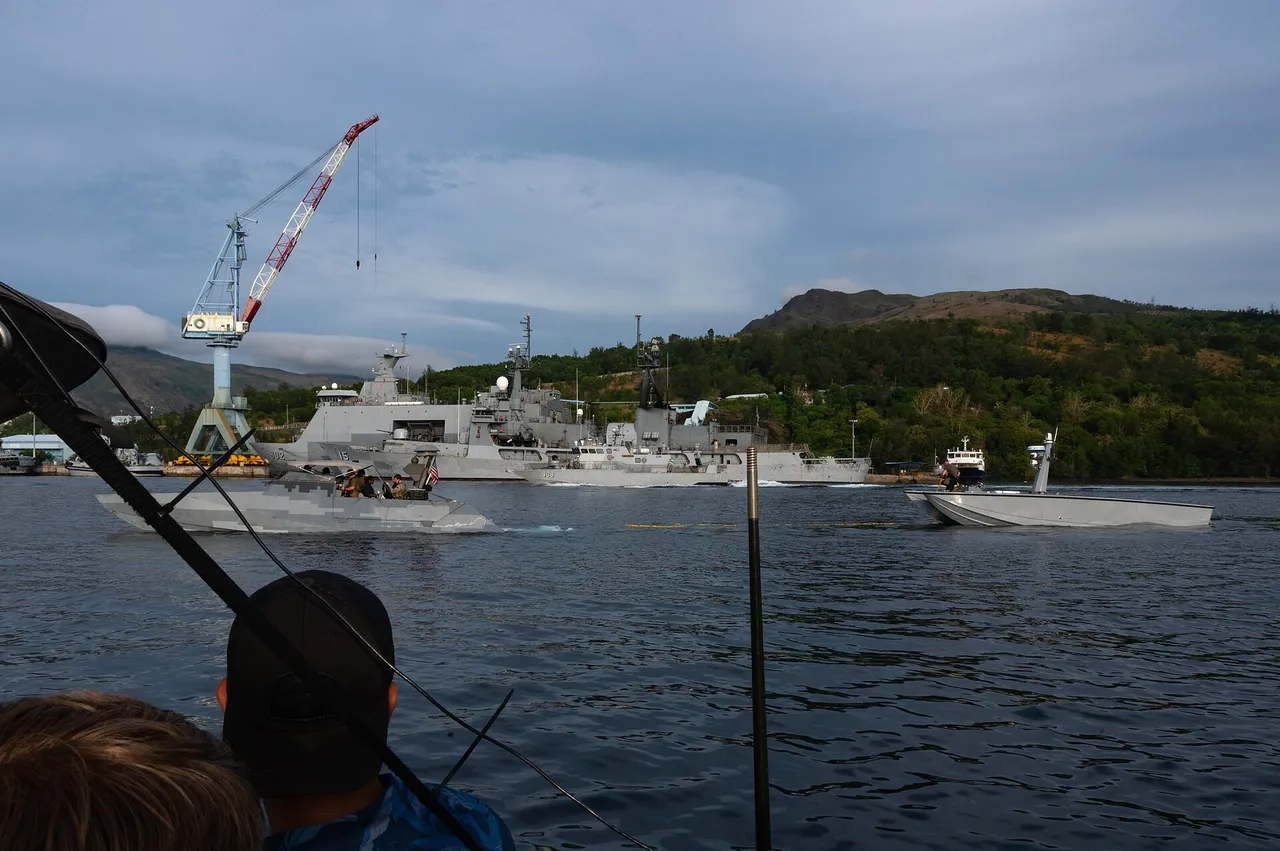
Taiwan's first patrol drone boats run on US autonomy while the homegrown Endeavour Manta waits
Taiwan's coast guard chose a MARTAC design over CSBC's Endeavour Manta in October 2026. The hulls are local; the hard part, autonomy, is still imported.
TaiwanDefence · 31m ago · 4 min read
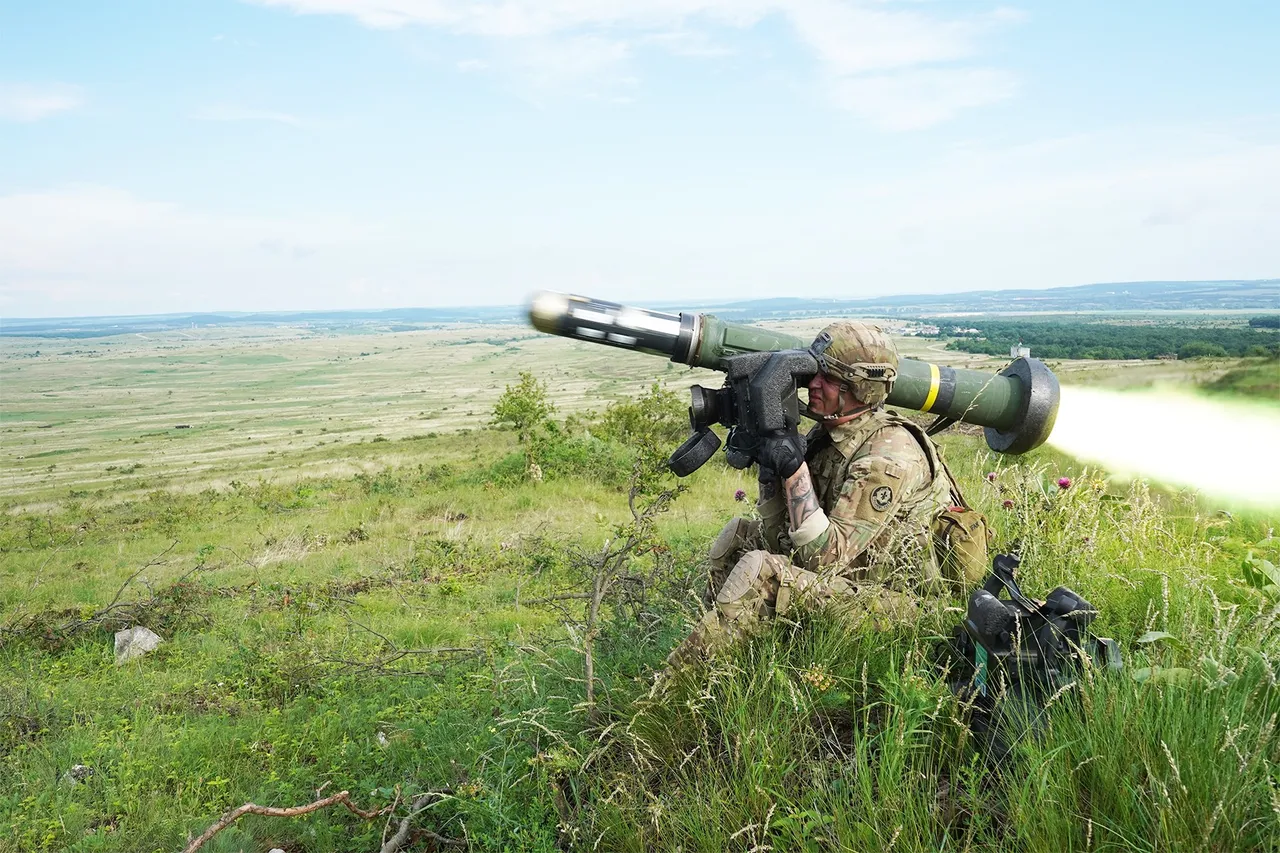
America's Javelin line has nearly doubled, but Taiwan's biggest order still waits until 2031
Javelin output has nearly doubled, Lockheed Martin said in October 2026, but Taiwan's biggest order of 1,050 missiles is still due only from 2031.
TaiwanDefence · 5h ago · 4 min read
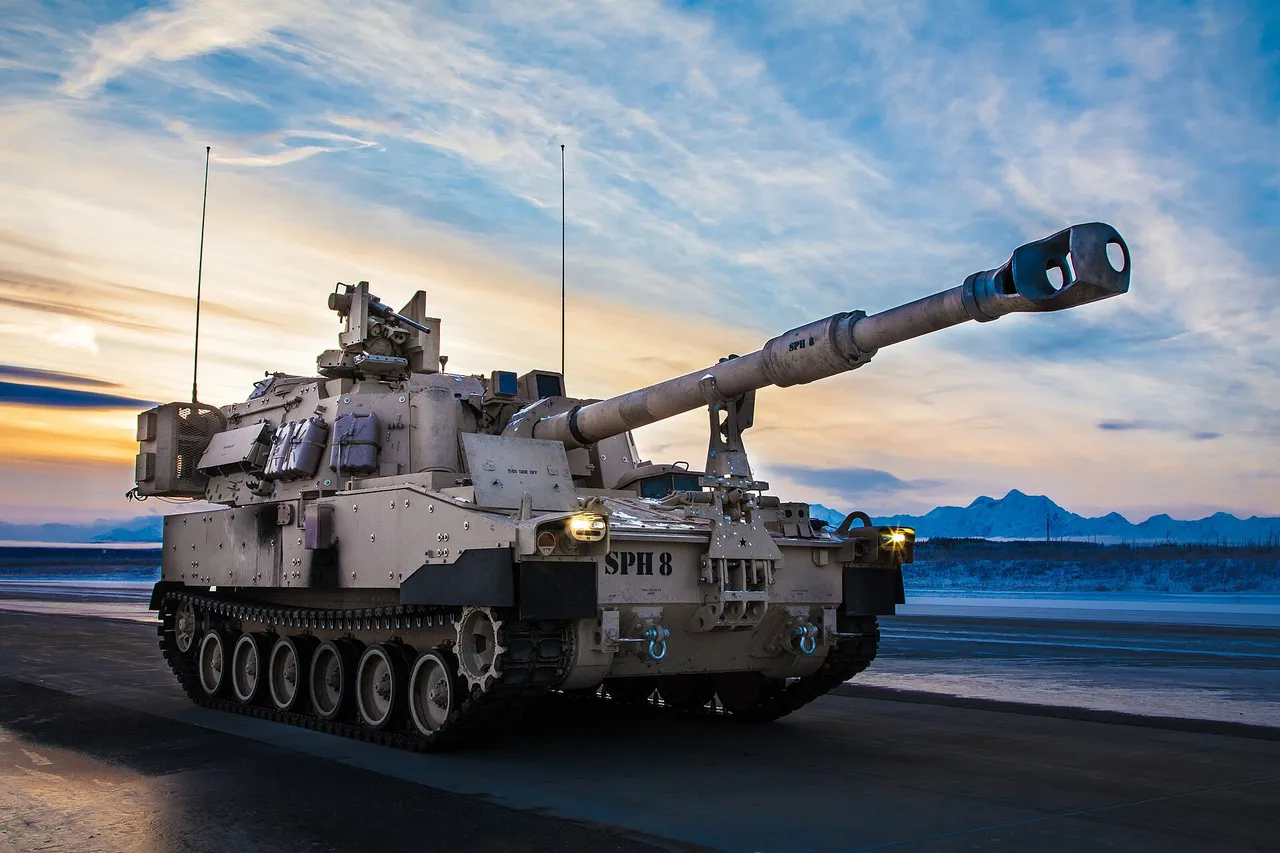
Taiwan wants artillery that can shoot and scoot, but towed guns will carry the load for years
An 11 October 2026 report says all of Taiwan's new howitzers and mortars will be vehicle-mounted. Few will arrive before the first M109A7s in 2030.
TaiwanDefence · 7h ago · 4 min read
Discussion (0)
Comments are not currently available.