
ANALYSIS
A faster B-21 line speeds the bomber's arrival, but the Pacific question is how many America buys
The 2026 groundbreaking of a new B-21 assembly line lifts output by a quarter, yet the fleet size Indo-Pacific commanders want awaits a 2027 budget call.

TAIPEI —
This article is an original Taiwan Defence analysis based on the cited public sources. It distinguishes reported facts from analytical judgments and does not represent original field reporting.
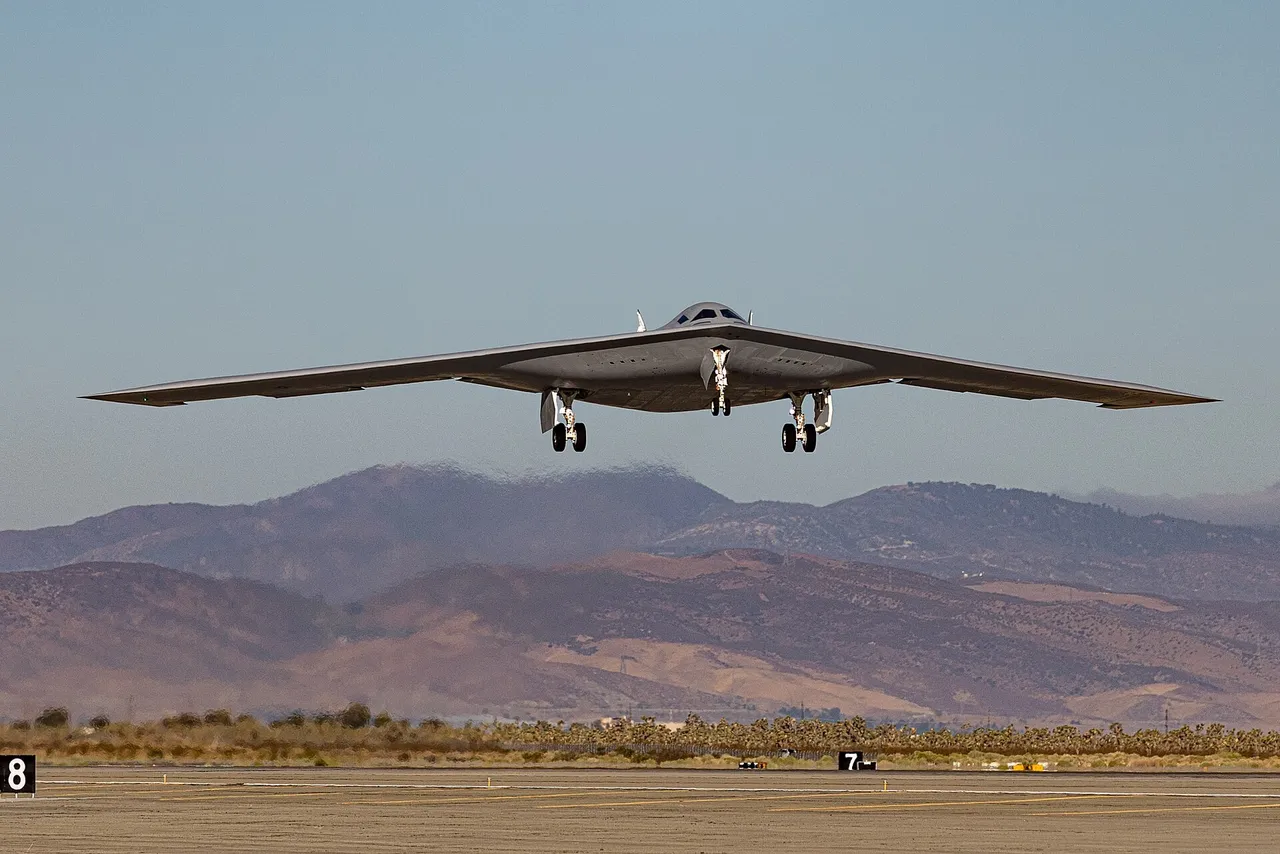
On 11 October 2026, Taiwan's military-run Youth Daily News, in a report republished by China Times, relayed a US Air Force announcement that work had begun on a new final assembly line for the B-21 Raider stealth bomber. The Department of the Air Force and Northrop Grumman broke ground at Air Force Plant 42 in Palmdale, California, on 29 September, and the service made the milestone public on 8 October.
The new line is meant to lift annual B-21 production capacity by 25 per cent. That matters, but it answers only half of the question that US commanders facing China have been asking. A faster line gets the first 100 bombers into service sooner. Whether the US ends up with the larger fleet that its Indo-Pacific and strategic commanders have called for is a separate decision, and the Air Force has said it will probably surface only with its 2028 budget request in spring 2027.
What was actually started
The groundbreaking begins work on more than one million square feet of new buildings next to the site where Northrop already assembles early low-rate production bombers. Air Force Secretary Troy Meink described it as the final assembly line for new bombers. Plant 42 sits about 60 miles north of downtown Los Angeles and less than 30 miles from Edwards Air Force Base, where two B-21s are known to be in flight testing.
The money is already in place. The Air Force is applying 4.5 billion US dollars authorised and appropriated under fiscal 2025 reconciliation legislation to accelerate the approved acquisition profile of 100 aircraft, under an agreement with Northrop reached earlier this year. Northrop chief executive Kathy Warden said in April that the company would also put 2.5 billion dollars of its own money into B-21 production.
Gen. Dale White, the Pentagon's director for critical major weapon systems, called the B-21 foundational to the Air Force's future long-range strike capability and said the investment strengthens the industrial capacity needed to field it faster. Col. Nicholas Jordan, the B-21 program director, said the Palmdale investment would give the program the infrastructure, workforce and manufacturing capacity to deliver the bomber at a higher rate.
| Item | Figure | Reported by |
|---|---|---|
| New floor space at Plant 42 | More than 1 million sq ft | US Air Force |
| Planned rise in annual capacity | 25 per cent | US Air Force |
| Government funding applied | 4.5 billion dollars | US Air Force |
| Northrop's own investment | 2.5 billion dollars | Air and Space Forces Magazine |
| Program of record | At least 100 bombers | US Air Force |
| Estimated full-rate output | About 7 a year, rising to about 9 | China Times |
| First operational aircraft | Ellsworth AFB, as early as 2027 | China Times, Stars and Stripes |
Sources: af, asf, ct, st
Speed is not the same as size
Neither the Air Force nor Northrop has published a planned annual output. China Times, citing an Air and Space Forces Magazine estimate, put full-rate production at about seven bombers a year, which a 25 per cent increase would take to roughly nine. On those estimates, building out a 100-aircraft fleet at full rate would take a decade or more either way; the new line trims years off the schedule rather than changing its shape.
The bigger variable is the number. Air and Space Forces Magazine reported that Adm. Samuel Paparo, the top US commander in the Indo-Pacific, and Adm. Richard Correll, head of US Strategic Command, have both advocated buying more than 100 B-21s. The Air Force has not formally committed to that. Gen. Ken Wilsbach, the Air Force chief of staff, said in July that the service would consider additional buys at some point and was talking to Northrop about how to do so without stretching out production.
Lt. Gen. David Tabor, the Air Force's deputy chief of staff for plans and programs, said the size of any larger buy would likely come out with the 2028 budget request expected in spring 2027. Until then, the new building in Palmdale is capacity in search of a final order book.
Why the Pacific cares
The Air Force describes the B-21 as a long-range, penetrating strike aircraft designed to operate in highly contested airspace, and it will replace the B-1 Lancer and B-2 Spirit, flying alongside the B-52 in the future bomber force. China Times framed the new line as part of a US effort to keep its global strike advantage. In a Taiwan contingency, distance and defended airspace are the two problems that a stealthy, long-range bomber is meant to solve, which is why commanders responsible for the region keep pressing on numbers rather than just timing.
The program itself appears to be moving. Brig. Gen. Mark Massaro, head of the Air Force Test Center at Edwards, gave an enthusiastic thumbs-up on the bomber's testing at an event on 6 October, and the Air Force says the first operational B-21 is due at Ellsworth Air Force Base in South Dakota as early as 2027. The first of those aircraft will still come from the low-rate line already working at Plant 42, Defense Presswire reported, so the new building's effect will be felt later in the decade.
The groundbreaking therefore settles how fast the US can build stealth bombers, not how many it intends to have. For Taiwan and its neighbours, the more telling signal will come in spring 2027, when the Air Force's budget shows whether Washington is willing to pay for a fleet sized for a Pacific fight or only to reach 100 aircraft sooner.
Sources
More in Analysis
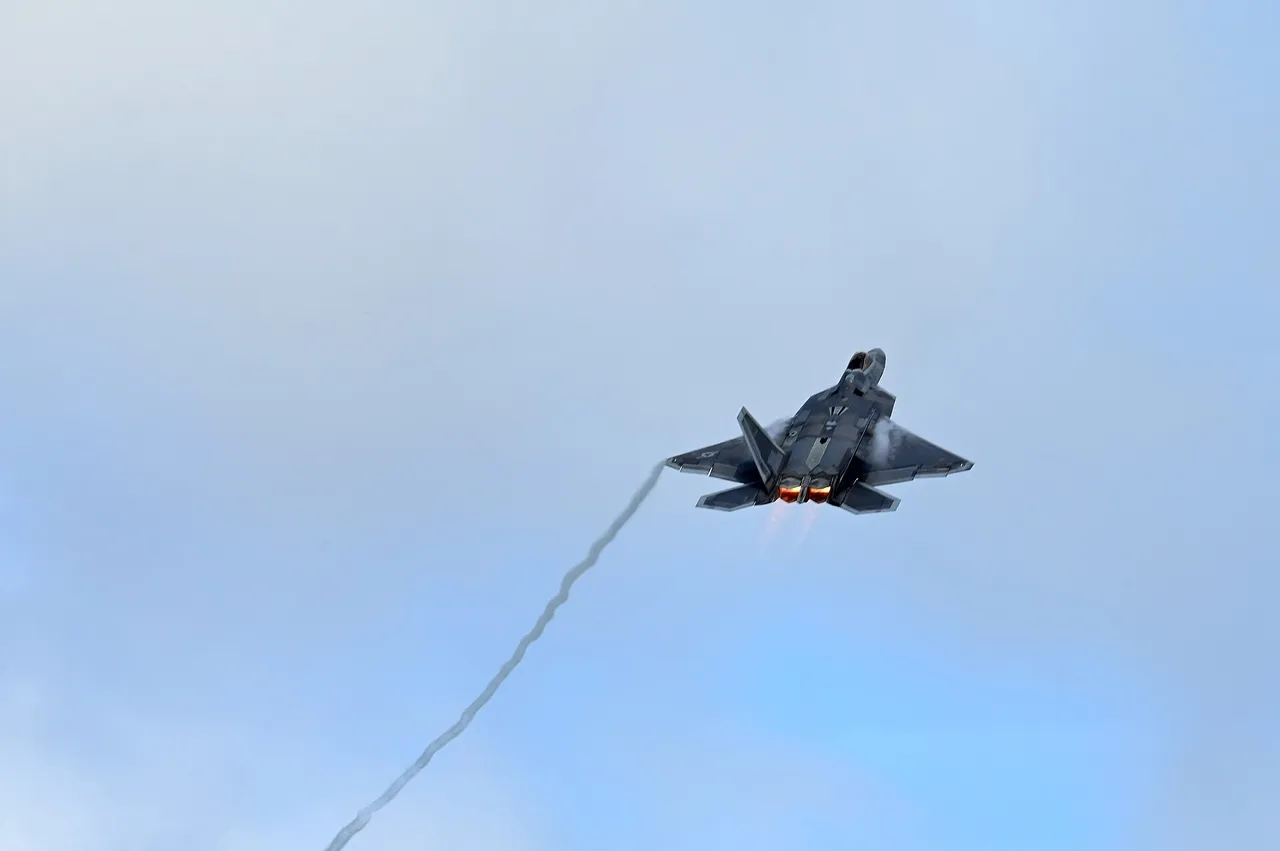
The F-47's longer reach eases, but does not solve, America's distance problem in a Taiwan fight
The Air Force's planned 1,000-nautical-mile radius, cited again in October 2026, still leaves Guam-based jets reliant on tankers, and its first flight is planned for 2028.
TaiwanDefence · 4h ago · 4 min read
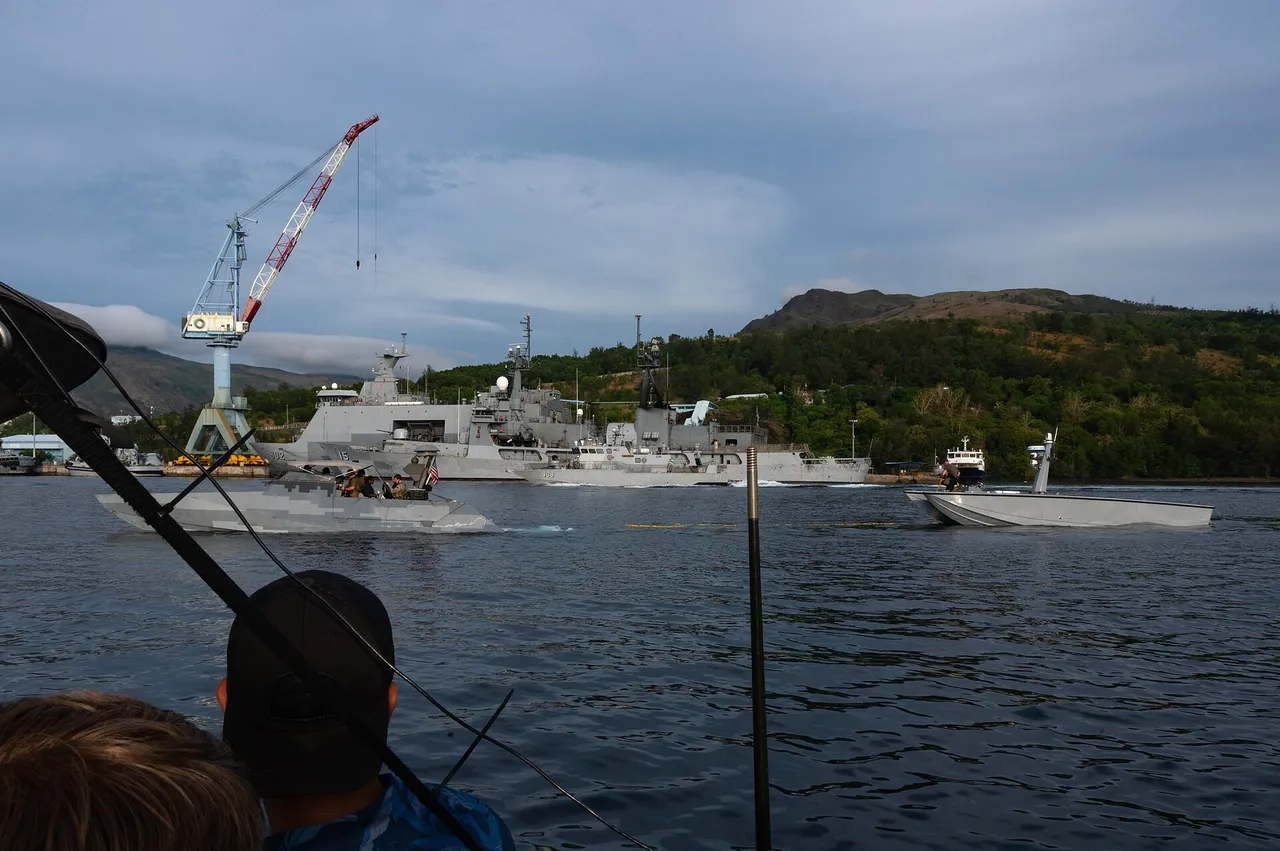
Taiwan's first patrol drone boats run on US autonomy while the homegrown Endeavour Manta waits
Taiwan's coast guard chose a MARTAC design over CSBC's Endeavour Manta in October 2026. The hulls are local; the hard part, autonomy, is still imported.
TaiwanDefence · 8h ago · 4 min read
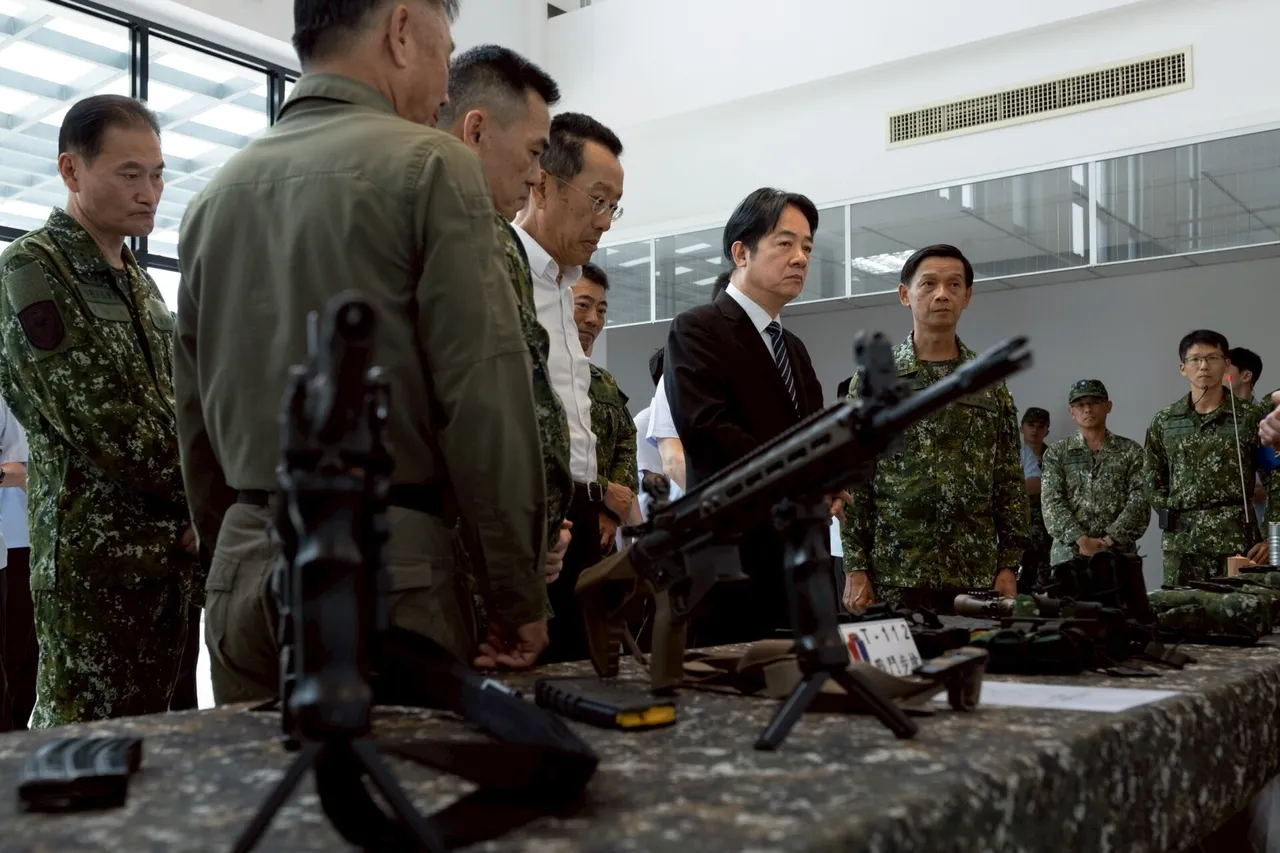
Pay rises have not filled Taiwan's frontline units, and the shortage now looks structural
An 11 October 2026 report says volunteer staffing is under 80% for a third year. The same frontline units have been short since at least 2024.
TaiwanDefence · 9h ago · 4 min read
Discussion (0)
Comments are not currently available.