
Japan weighs counting railway upgrades as defence spending to keep its forces supplied in a crisis
Tokyo may add rail lines, wider tunnels and supply depots to its defence-related budget and name rail in security documents due by year-end.
TAIPEI —
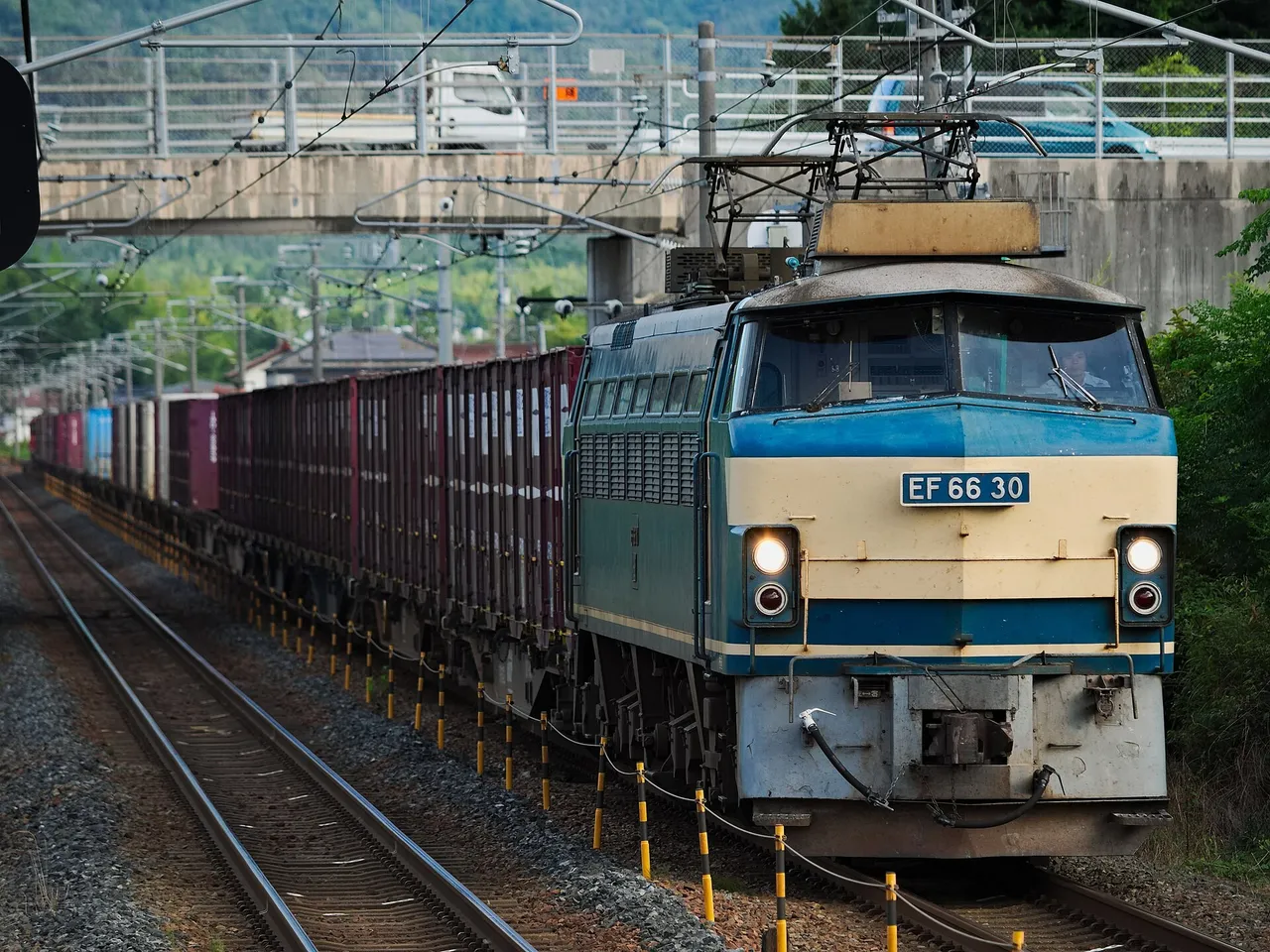
Japan's government has begun considering adding railways to the public infrastructure projects it counts as defence-related spending, so that Self-Defense Forces units can be resupplied and military equipment moved by rail in a crisis, Kyodo News reported on 11 October 2026, citing several people familiar with the matter.
The government intends to spell out the importance of railway upgrades in the three national security documents it plans to revise by the end of the year, according to the report, which was carried by regional papers including the Saga Shimbun and the Okinawa Times. The stated aim is to strengthen Japan's ability to sustain combat by securing supply routes to its forces.
What rail projects could qualify
At present, the public infrastructure category mainly covers airports and ports, which are being upgraded so that Self-Defense Forces and Japan Coast Guard aircraft and ships can use them. If railways are added, Kyodo said, likely projects include keeping open lines with little civilian demand, double-tracking, widening tunnels to fit large military equipment, and building supply depots linked to the rail network.
A senior defence ministry official pointed to Ukraine, where railways have played a major role in moving supplies during Russia's invasion. At a government expert panel held in September ahead of the document revision, the National Security Secretariat submitted material arguing for a wider scope for public infrastructure work, including projects for which civilian need is thin but the defence ministry's need is especially strong.
Part of a wider spending count
Defence-related spending is money for strengthening defence that is budgeted by ministries other than the defence ministry. The 2022 National Security Strategy named four such categories, namely public infrastructure, research and development, cybersecurity and international cooperation, and coast guard budgets are also counted.
As of April 2026 the government had designated 24 airports and 33 ports under the programme, which lets the armed forces and coast guard use them smoothly for peacetime training and as bases for deploying units and protecting civilians in a contingency. Roads serving those airports and ports are also covered. The fiscal 2026 budget set aside 53.2 billion yen for airports, 53.4 billion yen for ports and 118.4 billion yen for roads, a total of 225 billion yen.
The current security documents set a goal of spending 2 percent of gross domestic product on defence and related costs combined. For the revision, the government is also weighing an option to calculate the ratio as broader security-related spending that would add budgets for space use, artificial intelligence development and energy supply chains, Kyodo reported, citing a source close to the prime minister's office.
The United States has asked its allies to raise defence spending to 3.5 percent of GDP, and Kyodo said the government hopes to lift Japan's ratio in light of that pressure.
Adding rail would stretch the programme beyond the airports and ports where forces would board aircraft and ships to the land routes that feed them, a gap that the defence ministry's reference to Ukraine suggests it takes seriously. It is also likely to sharpen questions over how much of Japan's rising security bill is military spending and how much is civilian infrastructure counted toward the target.
Sources
More in Indo-Pacific
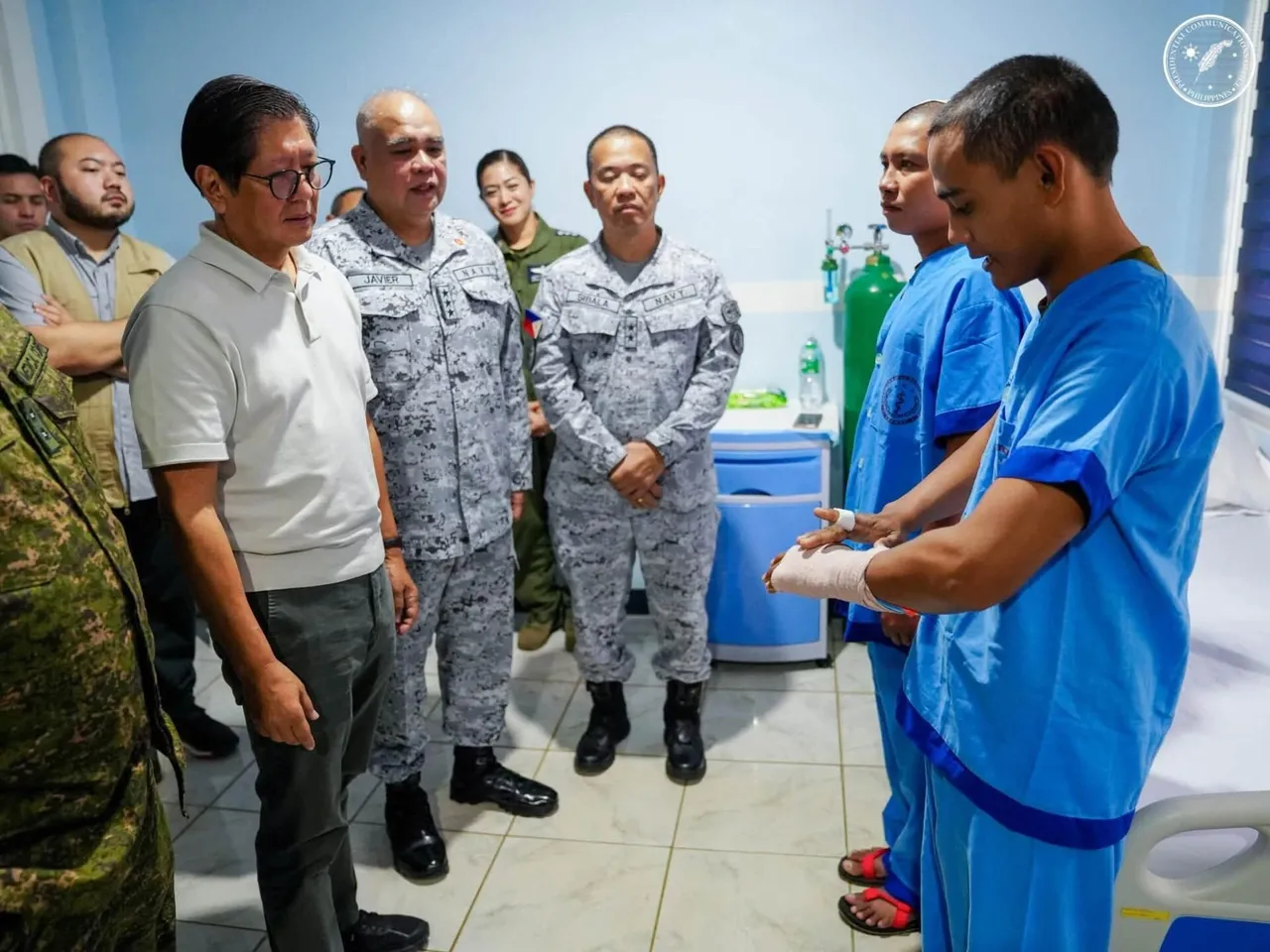
Marcos calls China's block on a navy medevac at Ayungin Shoal a new phase of escalation
The Philippine president says Manila needs no Chinese permission to reach its navy outpost on Second Thomas Shoal and will raise the case in talks with Beijing.
TaiwanDefence · 9h ago · 2 min read
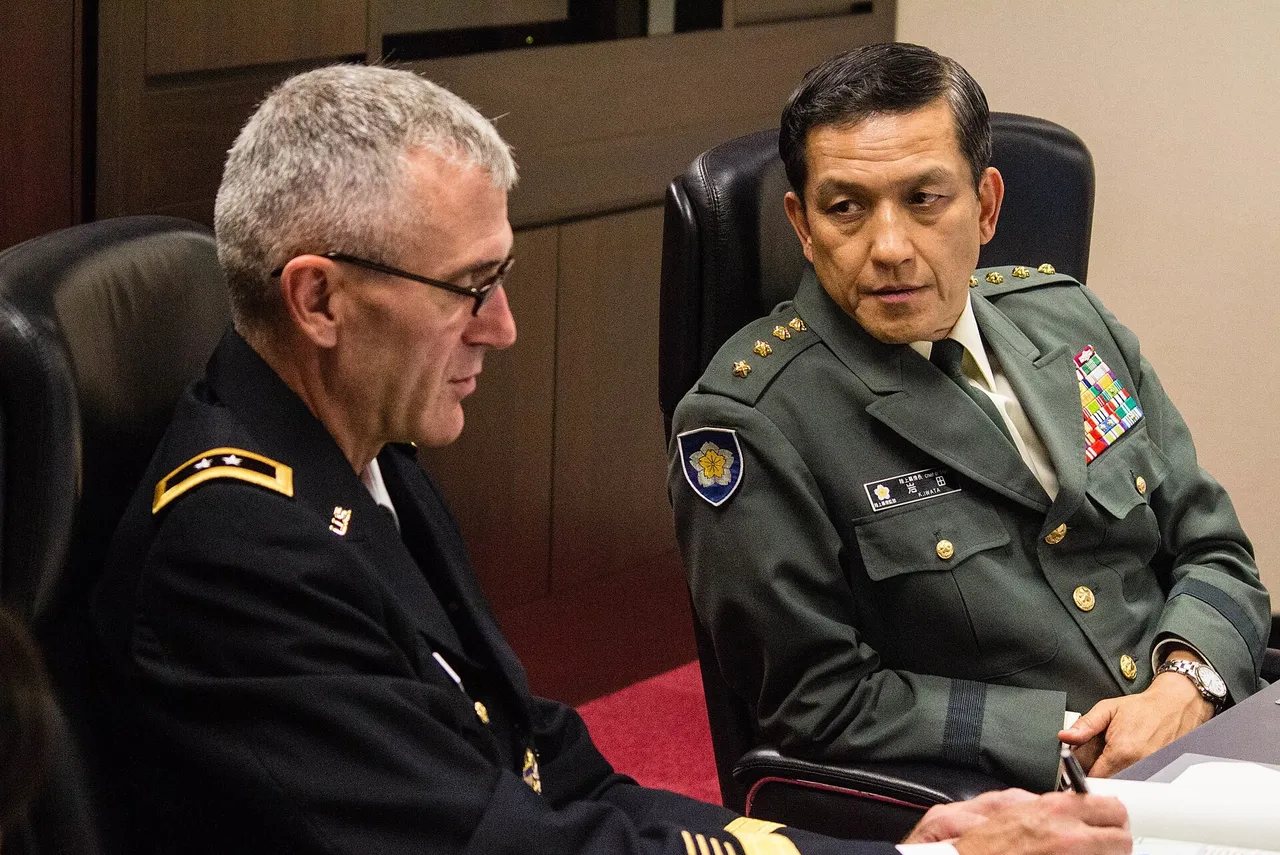
Retired Japanese army chief says Taiwan should one day join Japan's arms transfer list
Kiyofumi Iwata told a Taipei forum that Japan and Taiwan should start with dual-use parts and drones rather than fighter or missile deals.
TaiwanDefence · 14h ago · 2 min read
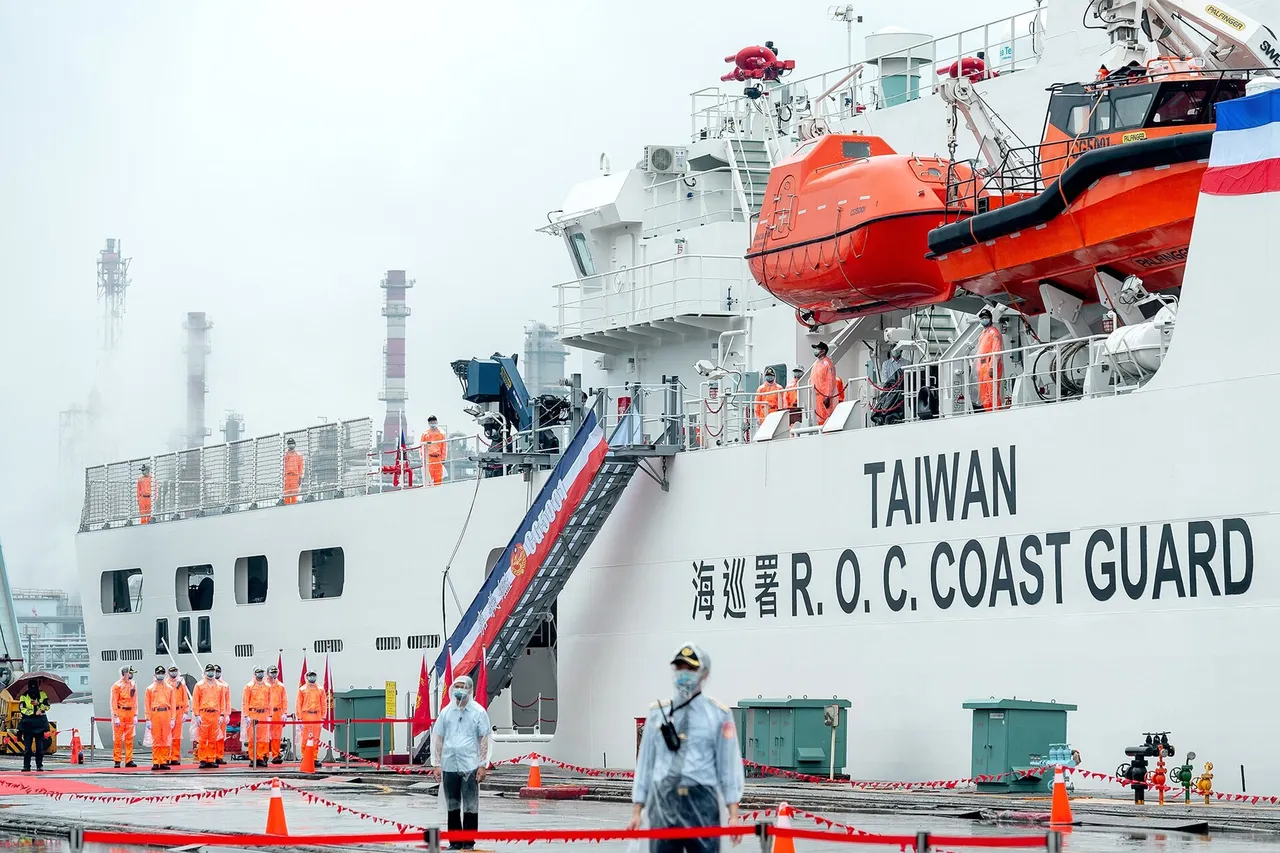
Taiwan coast guard cutters patrol Palau's waters and sail farther south than ever before
The cutters Chiayi and Penghu ran a two-day joint patrol of Palau's exclusive economic zone with Palauan officers aboard and set a new southernmost record.
TaiwanDefence · 18h ago · 3 min read
Discussion (0)
Comments are not currently available.