
ANALYSIS
Taiwan's new F-16 Block 70s will train before their jamming shield is ready
On 12 October 2026, defence leaders told lawmakers Viper Shield software is still in development even as more jets may ferry this month.
TAIPEI —
This article is an original Taiwan Defence analysis based on the cited public sources. It distinguishes reported facts from analytical judgments and does not represent original field reporting.
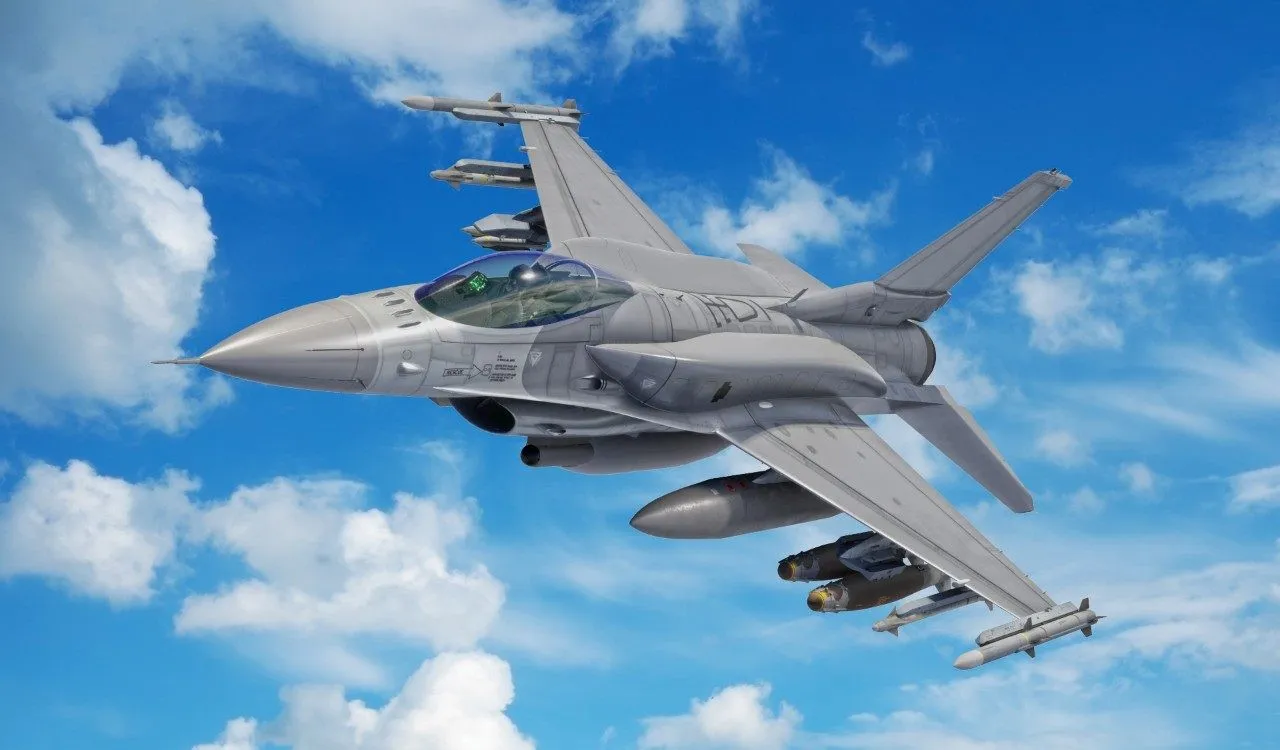
On 12 October 2026, Taiwan's air force chief of staff told the Legislative Yuan that the AN/ALQ-254(V)1 Viper Shield electronic warfare suite on the island's first new-build F-16V Block 70 fighters has only part of its hardware installed, while the software that would let the jamming system work is still being developed. Defence Minister Wellington Koo added that the electronic warfare system must be integrated with the new airframe and finished inside the post-delivery control schedule. The same hearing produced a second clock: Koo said six jets have completed factory flight tests, two are already at Chihhang Air Base in Taitung, two will stay in the United States for training, and he hopes more aircraft that clear acceptance will reach Taiwan before the end of October.
That pairing of statements matters more than either line alone. Taiwan is not waiting for a finished self-protection suite before it starts converting aircrew and maintainers onto the Block 70. It is bringing airframes home for training and accepting that the contested-air jamming layer bought with those airframes will catch up later. The readiness problem for the next several months is therefore not ferry timing. It is whether conversion flying at Chihhang creates a usable combat increment, or a growing inventory of jets that still lack the electronic shield the purchase was sold on.
The hardware-software split is explicit in the official answers. Lieutenant General Lee Ching-jan said some Viper Shield hardware is already on the aircraft, software development is under way, and both tracks are proceeding according to plan. Koo framed the remaining work as integration testing against the new jet's other systems, with specifications that must be met after handover. Neither official offered a public completion date. For planners, that silence is the signal: the ministry will defend the delivery schedule even while declining to pin the electronic warfare ready date to the same calendar.
The production arithmetic reinforces the same sequencing. Koo told lawmakers 63 of the 66 Block 70 fighters Taiwan ordered are on the production line. Of the six furthest along, two have arrived, two remain in the United States for training, and two still need to finish acceptance. Taipei Times reporting of the same session said the ministry hopes additional jets will arrive this month once they clear flight tests, while Koo would not commit that all 66 will be delivered by the end of next year. Airframe throughput is therefore the visible metric. Electronic warfare maturity is the deferred one.
Viper Shield is not a cosmetic add-on. The suite is meant to collect and disrupt hostile radar and radio signals, interrupt search and communications, and inject deceptive emissions. Without working software on the pod, the first Block 70s can still train conversion syllabi, local flying, and maintenance routines at Chihhang. They cannot yet claim the self-protection envelope that distinguishes a front-line Block 70 from a training shell in a high-threat Taiwan Strait air picture. The ministry's own description of post-delivery control schedules acknowledges that gap without calling it a shortfall.
The political pressure around the gap is already visible. Kuomintang lawmakers pressed both the delivery timetable and whether the jets that landed on 2 October carried the electronic warfare pod. The answers separated hardware presence from software readiness, then folded the unfinished work into an integration timeline after delivery. That is a defensible acquisition narrative for a complex avionics suite. It is also a readiness confession: combat credibility for the new jets will track software and integration milestones more closely than the next ferry flight.
The practical implication for Taiwan's air force is a two-track fleet inside one programme. Track one is aircrew and groundcrew conversion on jets that are physically present. Track two is the electronic warfare software and airframe integration that turns those jets into the self-protecting fighters the Phoenix Soaring buy was supposed to deliver. Until track two closes, additional October arrivals mainly expand the conversion pool. They do not automatically expand the high-threat combat inventory. Reporting that treats every new airframe as an immediate deterrent gain overstates what the 12 October hearing actually disclosed.
None of this means the ministry made a reckless choice. Early airframes are how air forces build instructor cadres, maintenance depth, and local procedures before a full wing arrives. The risk is narrative, not engineering: if public and legislative attention stays fixed on arrival counts while Viper Shield remains unfinished, Taiwan will look stronger on paper than it is in the electronic warfare fight that would decide whether those jets survive the first hours over the Strait. The honest reading of the 12 October 2026 record is that Taiwan bought time for training, and still owes itself a date for the shield.
Sources
More in Analysis

Distant China coastal live-fire after Lai's National Day is not a quiet Taiwan Strait
On 12 October 2026 Koo called five China coastal live-fire boxes low threat; ADIZ flights the same morning show pressure did not pause.
TaiwanDefence · 6h ago · 3 min read
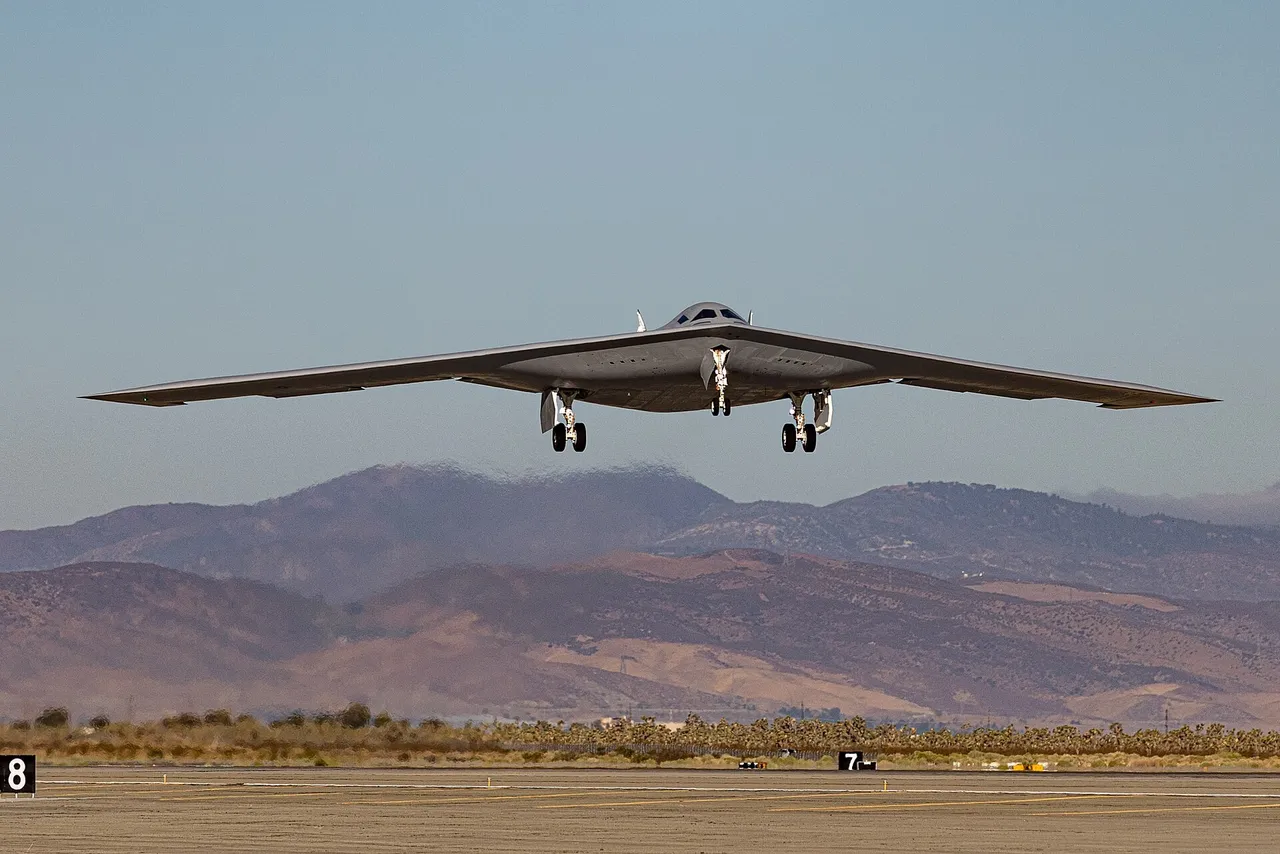
A faster B-21 line speeds the bomber's arrival, but the Pacific question is how many America buys
The 2026 groundbreaking of a new B-21 assembly line lifts output by a quarter, yet the fleet size Indo-Pacific commanders want awaits a 2027 budget call.
TaiwanDefence · 19h ago · 4 min read
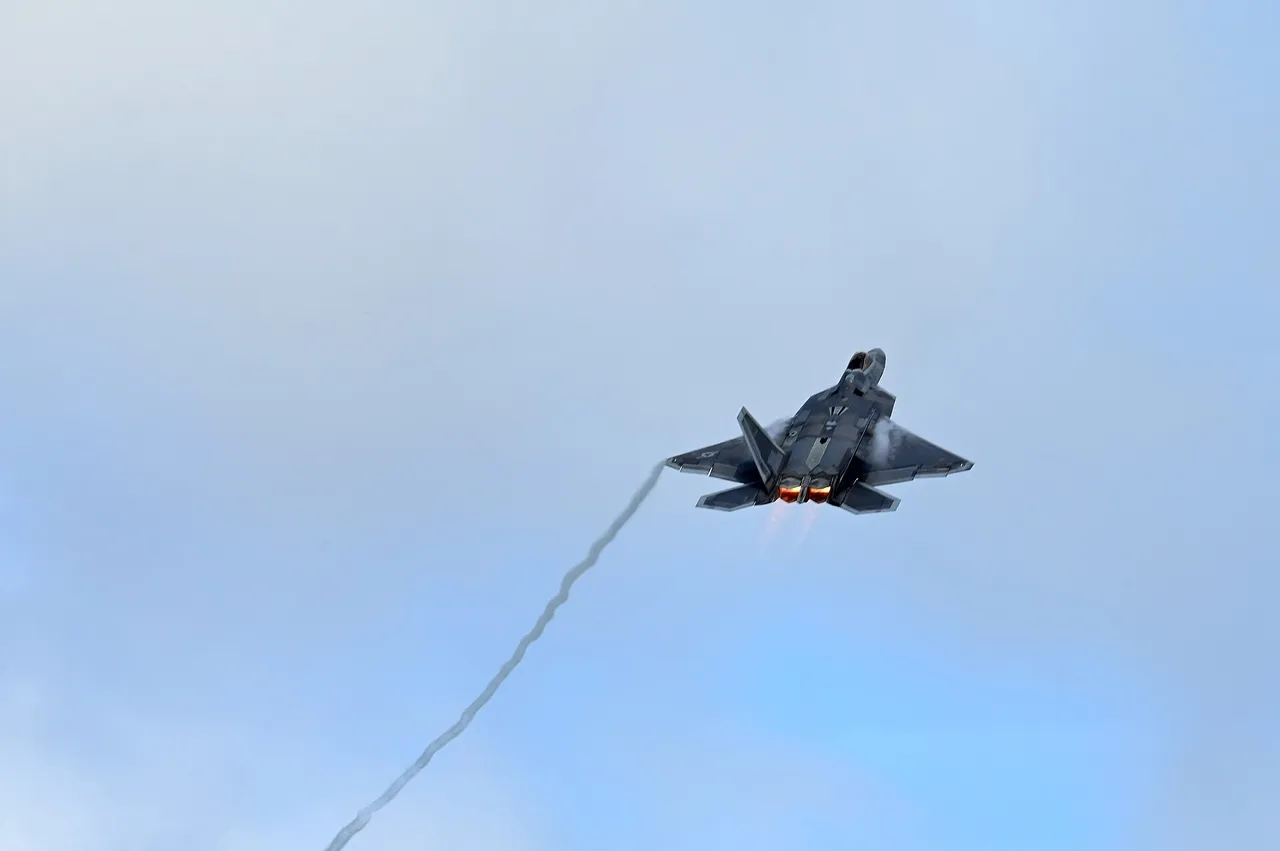
The F-47's longer reach eases, but does not solve, America's distance problem in a Taiwan fight
The Air Force's planned 1,000-nautical-mile radius, cited again in October 2026, still leaves Guam-based jets reliant on tankers, and its first flight is planned for 2028.
TaiwanDefence · 22h ago · 4 min read
Discussion (0)
Comments are not currently available.