
Taiwan defence ministry confirms 28 personnel in improper lending and investment case totaling NT$10.6 million
Defence Minister Wellington Koo told lawmakers on 12 October 2026 the case was painful and should not happen in the armed forces, after the comptroller bureau disclosed the scale of the probe.
TAIPEI —
Taiwan defence ministry officials told the Legislative Yuan on 12 October 2026 that 28 service members were involved in improper lending and investment promotion inside the armed forces, with about NT$10.62 million (US$330,000) at stake. Comptroller Bureau director-general Lieutenant General Hsieh Chi-hsien said two principal figures had each received a major demerit, and that personnel linked to recommending investments had already been referred to the Taipei Military Police for investigation.
The admission came during a Foreign Affairs and National Defense Committee session that was mainly billed around air-force pilot retention. Democratic Progressive Party lawmaker Lin Chu-yin pressed the ministry after her office received tip-offs that finance specialists in uniform had used their professional standing to gather money from comrades for investment operations that later left some participants unable to recover funds.
According to Hsieh, the case began in 2023 when four trainees sharing a dormitory decided to pool savings because one of them appeared skilled at investing. One participant later brought in other service members. The ministry now counts eight people in improper lending and about twenty, including principals, in recommended investment activity, for a combined roster of 28. Individual stakes ranged from roughly NT$100,000 to NT$1.4 million, and internal checks found the money came from personal savings rather than public funds.
Hsieh said the Military Police began looking into the matter after receiving information and had preliminary findings around early September 2026. One principal received a major demerit then. On 11 September the Comptroller Bureau finance centre opened its own administrative inquiry after learning that another member had promoted investments, issued a second major demerit, and sent that case to the Taipei Military Police. Other participants are being handled by their units under military discipline rules.
Lin also asked whether emergency hardship loans, a scheme she has long pushed so that troops in financial trouble do not turn to illegal lenders, had been diverted into the investment pool. Hsieh said two of the people involved had later taken hardship loans for illness in the family or for themselves, for NT$600,000 and NT$300,000, but their last investment contribution dated to October 2025 while the loans were approved only in April and May 2026. On that timeline, he said, the loans did not appear to have financed the investments.
Defence Minister Wellington Koo told the committee the episode was painful once he learned of it and that such conduct should not appear in the military. He said the ministry would use the case in financial education campaigns, watch for signs of personal financial strain among personnel, and provide Lin with a fuller progress report within two weeks, as she requested.
Hsieh added that the Comptroller Bureau had already brought in the Taiwan Academy of Banking and Finance last year to run professional investment-education sessions for troops, would continue that work in 2026, and planned to expand it next year. Lin and fellow lawmaker Wang Ting-yu separately pressed for legal advice, debt help, and psychological support for affected personnel, framing the case as both a discipline problem and a readiness risk if financial stress distracts people from their posts.
The ministry did not name the units or the two principals beyond describing them as finance and accounting specialists. It also did not allege that public money had been stolen. The live questions for the armed forces are whether the Military Police investigation finds criminal offences beyond administrative breaches, whether other peer-to-peer investment circles remain hidden, and whether the promised education and hardship-loan safeguards are enough to keep personal money troubles from becoming a force-wide discipline and morale problem.
Sources
More in Army
Taiwan army sends bullying evidence to prosecutors after young lieutenant dies at 206th Brigade base
Sixth Army Corps says it has obtained conversations in which a 206th Brigade lieutenant was berated before her death, and has referred them to prosecutors.
TaiwanDefence · 3h ago · 2 min read
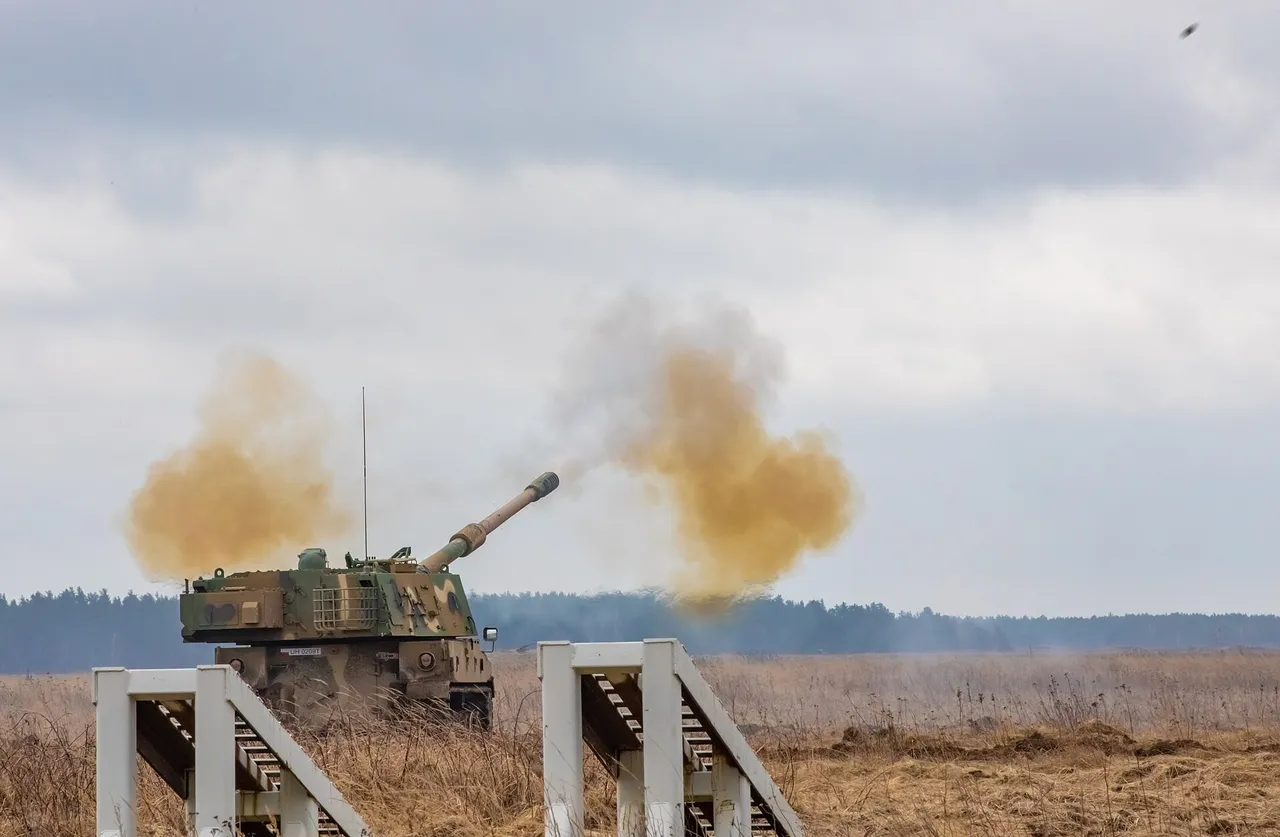
US Army takes delivery of first Hanwha wheeled howitzer meant to replace its towed M777 guns
The K9-based Mobile Tactical Cannon arrived less than a year after the Army asked industry for one, and the service has already ordered three more prototypes.
TaiwanDefence · 6h ago · 2 min read

US Army buys launchers that let Abrams tanks fire Switchblade attack drones without opening hatches
General Dynamics Land Systems is due to hand four PERCH 2.0 prototypes to the 1st Cavalry Division at Fort Hood by the end of October, after the Army bought three through an existing Abrams support contract.
TaiwanDefence · 7h ago · 3 min read
Discussion (0)
Comments are not currently available.