
ANALYSIS
Taiwan's pilot fill rate hides an F-16 manning crunch as Block 70s arrive
On 12 Oct 2026 Taipei said pilot fill is 87.8% and F-16 units are the manning crunch as Block 70s arrive.
TAIPEI —
This article is an original Taiwan Defence analysis based on the cited public sources. It distinguishes reported facts from analytical judgments and does not represent original field reporting.
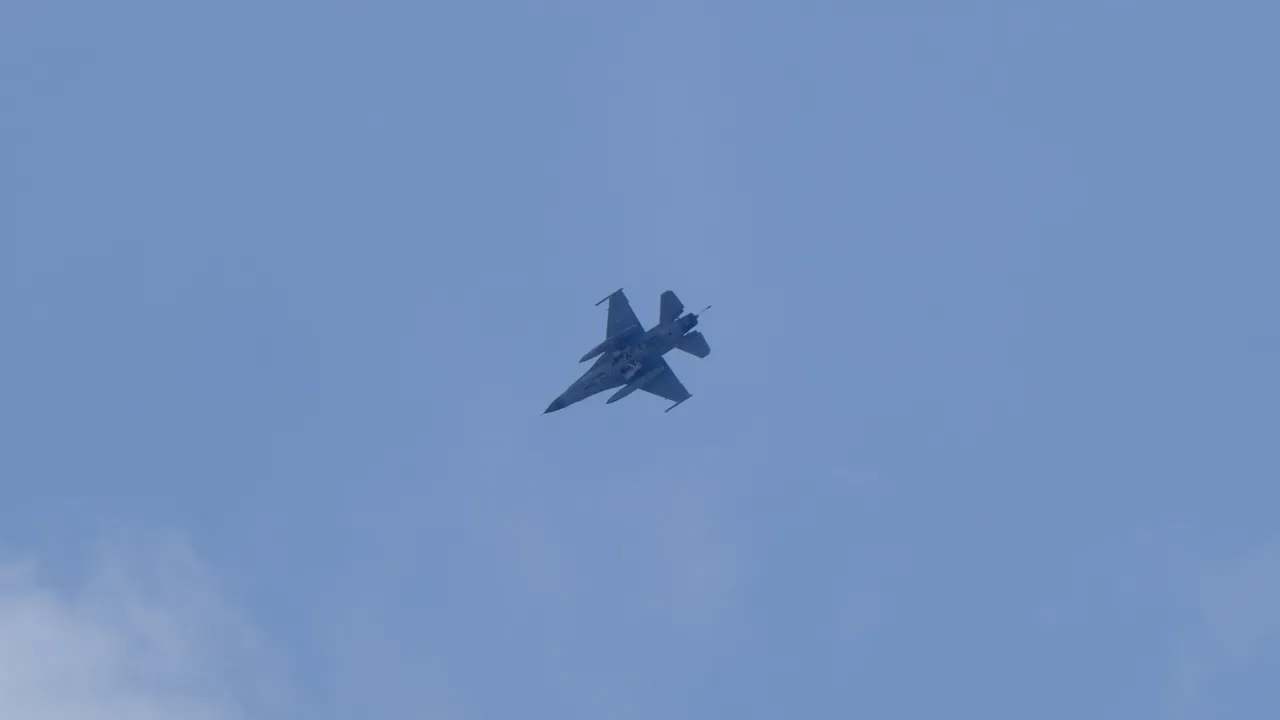
On 12 October 2026 Taiwan's defence ministry told the Legislative Yuan that the air force pilot fill rate stands at 87.8 percent and that mature aviators keep leaving for airlines once they hit minimum service — with F-16 units described by reporting as the hardest-hit formation just as new Block 70 fighters begin conversion training.
The ministry's written report, presented with Defence Minister Wellington Koo at the Foreign Affairs and National Defence Committee, said the air force still posts a high authorised-to-assigned ratio and had already expanded manning for new fighters. Even so, every air force flyer who left service in 2026 had completed the legal minimum tour without reaching the maximum years for their rank, driven by mid-career career choices and airline hiring after pandemic travel recovered.
Under current rules a lieutenant colonel tops out near 48 and a colonel near 52, after which military flight pay ends, while commercial pilots can continue to 65. That gap, the ministry said, pushes experienced flyers to leave at 20 years or when basic service ends, stripping squadrons of the instructors and flight leads new jets need.
Taipei's answer is a dedicated flying-officer track already sent to the Executive Yuan on 4 September 2026: 72 posts for lieutenant colonels and colonels with at least 14 years' service who keep their rank, stay on flying duty, and may serve to the statutory retirement age of 58 without the usual year caps. They would keep top flight bonuses and continuation incentives and be posted to combat squadrons and special aircraft units.
Air Force Chief of Staff Lieutenant General Li Ching-jan told lawmakers the most valuable flying grade is lieutenant colonel, where skill and pay peak. Volunteering for the dedicated track means no further promotion but continues those top add-ons for up to a decade longer than today's ceiling, which Li argued would narrow the cash gap with airlines enough to keep some in uniform.
That is where the F-16 problem bites. United Daily News reporting on the same hearing said the F-16 force — Taiwan's air-defence backbone — is the manning disaster zone, and that serving and retired pilots privately expect the new track to work best for flyers who doubt they can pass major airline English tests. Many F-16 pilots trained in the United States and speak the strongest English, so on pay alone they still have the clearest exit to carriers.
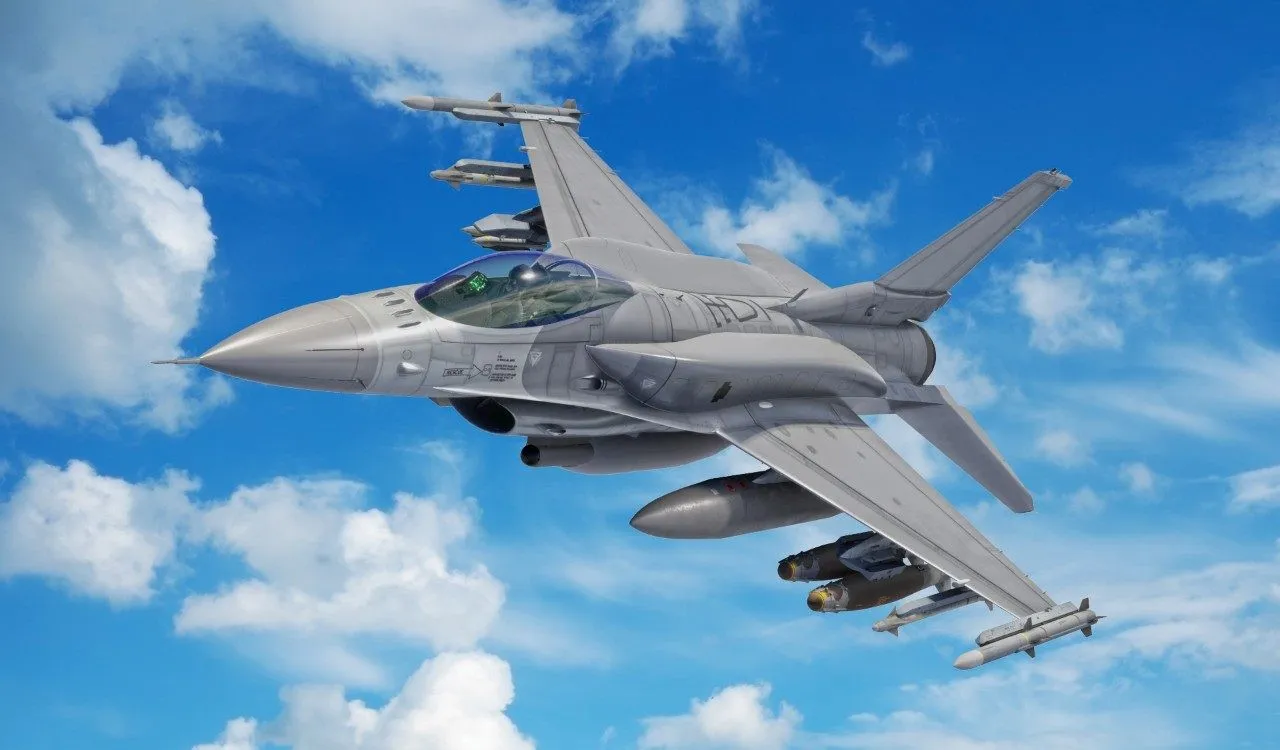
The timing compounds the risk. Lockheed Martin Block 70 deliveries are already under way: two jets reached Chihhang Air Base in early October 2026, and Koo told the same committee window he hoped more would clear acceptance this month while 63 of 66 ordered jets sit on the production line. Conversion training at Taitung will soak up experienced instructor pilots just when the fill rate shows the force is already short.
Electronic warfare adds a second demand on the same thin cadre. Air Force leaders told lawmakers that AN/ALQ-254(V)1 Viper Shield hardware is only partly fitted on the first jets and that the jamming software remains in development and integration testing after delivery. Until that suite is ready, the first Block 70s can train but would enter a contested Strait without the self-protection jamming the buy was meant to provide — which means instructors must also manage a phased combat capability, not a clean handoff.
Recruiting numbers look healthier than retention. The ministry said recent flying-school intake rates were 96.2 percent in 2024, 112 percent in 2025 and 98.6 percent in 2026, and that F-16 training pipelines were expanded from 2021 for the new jets. Pipeline strength does not replace the mid-career instructors who teach conversion, lead night sorties, and hold tactics standards.
Lawmakers from both camps praised the dedicated-officer idea, yet Kuomintang legislator Ma Wen-chun asked whether units can absorb senior flyers who outrank peers in experience but not grade, and what happens if the 72 posts fill at once and later cohorts have no slots. Those are force-design questions, not public-relations ones: a capped cadre of grey-haired captains of the cockpit only works if the service keeps rotating the right people into F-16 and Block 70 instructor billets.
The strategic read is blunt. Extending service to 58 is a necessary pay-and-status patch copied from US and French practice of deep flying specialists who never become generals. It does not by itself refill the F-16 squadrons that both keep today's CAP burden and must convert the Block 70 fleet. If the English-fluent F-16 cohort keeps choosing airlines, Taiwan will meet new airframes with a thinner teaching bench precisely when Viper Shield integration still needs experienced test and tactics leads.
For the next year the measure of success is not how many officers accept the 58-year track, but whether F-16 and Block 70 instructor manning stops falling. The 87.8 percent headline is an average; the disaster zone is the fighter community that already flies the median-line mission and must absorb the new jets. Until that community stabilises, every additional Block 70 arrival raises training demand faster than retention policy can answer.
Sources
More in Analysis
Taiwan's new F-16 Block 70s will train before their jamming shield is ready
On 12 October 2026, defence leaders told lawmakers Viper Shield software is still in development even as more jets may ferry this month.
TaiwanDefence · 2h ago · 4 min read

Distant China coastal live-fire after Lai's National Day is not a quiet Taiwan Strait
On 12 October 2026 Koo called five China coastal live-fire boxes low threat; ADIZ flights the same morning show pressure did not pause.
TaiwanDefence · 8h ago · 3 min read
A faster B-21 line speeds the bomber's arrival, but the Pacific question is how many America buys
The 2026 groundbreaking of a new B-21 assembly line lifts output by a quarter, yet the fleet size Indo-Pacific commanders want awaits a 2027 budget call.
TaiwanDefence · 21h ago · 4 min read
Discussion (0)
Comments are not currently available.