
Taiwan will strip-inspect even small military drone orders after Chinese chips slipped through
Defence Minister Wellington Koo says banned Chinese parts got in through unit buys of two or four drones that were never opened up at acceptance.
TAIPEI —
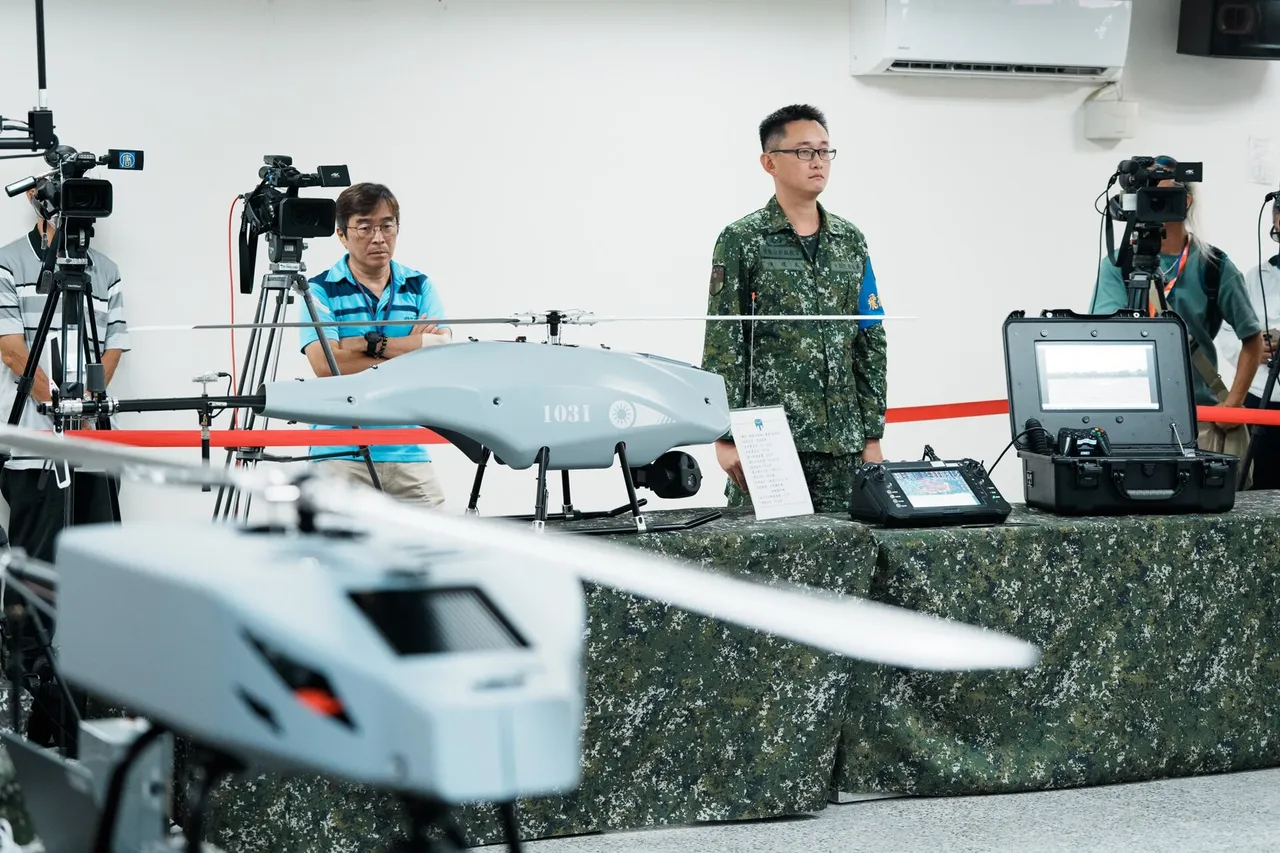
Taiwan's defence ministry will open up and inspect every drone it buys, even orders of just two or four aircraft, after China-made chips and camera lenses were allegedly hidden in drones supplied to the armed forces, Defence Minister Wellington Koo said on Tuesday, 13 October 2026.
Speaking to reporters at the Legislative Yuan before Premier Cho Jung-tai and his cabinet appeared for a policy report and questioning, Koo said the ministry's review had found no such problem in its larger drone procurements. The banned parts had come in through small purchases made by individual units, typically buying two or four drones at a time, which were accepted without being taken apart.
From now on, Koo said, even those very small orders will be dismantled and checked at acceptance so that chips from what he called the red supply chain, meaning Chinese-sourced components, cannot be concealed inside. He said the ministry would enforce the requirement strictly.
The Jiin Ming case
The change follows the case against Jiin Ming Industrial, a listed company that has won several Taiwanese military drone contracts. Prosecutors allege that the company and a subsidiary fitted prohibited China-made chips and lenses into drones bid for military units and then supplied false certificates of origin so the drones would pass acceptance.
The Taoyuan District Prosecutors Office searched locations linked to the case on 8 October. After questioning, prosecutors asked a court to detain the company's vice chairman and president, surnamed Chien, and its sales director, surnamed Chen, and to bar them from contact with others. The court granted the request, prosecutors said on 12 October. The case is still under investigation and the executives have not been convicted.
Why small orders matter
According to Koo, the risk sat in the gap between large programmes and the quick, low-value buys units make to get drones into training. Larger procurements had not shown the same problem, he said, while the two- and four-drone purchases had skipped teardown checks. He said supply chain security should not depend on the size or value of an order, and that the ministry would tighten acceptance rules so that the chips and other components inside each drone are confirmed to meet requirements.
The rule closes the specific route the Jiin Ming case exposed, where paperwork stood in for a physical check. It also adds inspection work to the many small orders units place as Taiwan expands drone training across the army. The reports of Koo's remarks did not say who will carry out the teardowns, how quickly the rule takes effect, or whether drones already delivered under small orders will be re-examined. Those details will show whether the fix reaches equipment already in service as well as future deliveries.
Sources
More in Industry
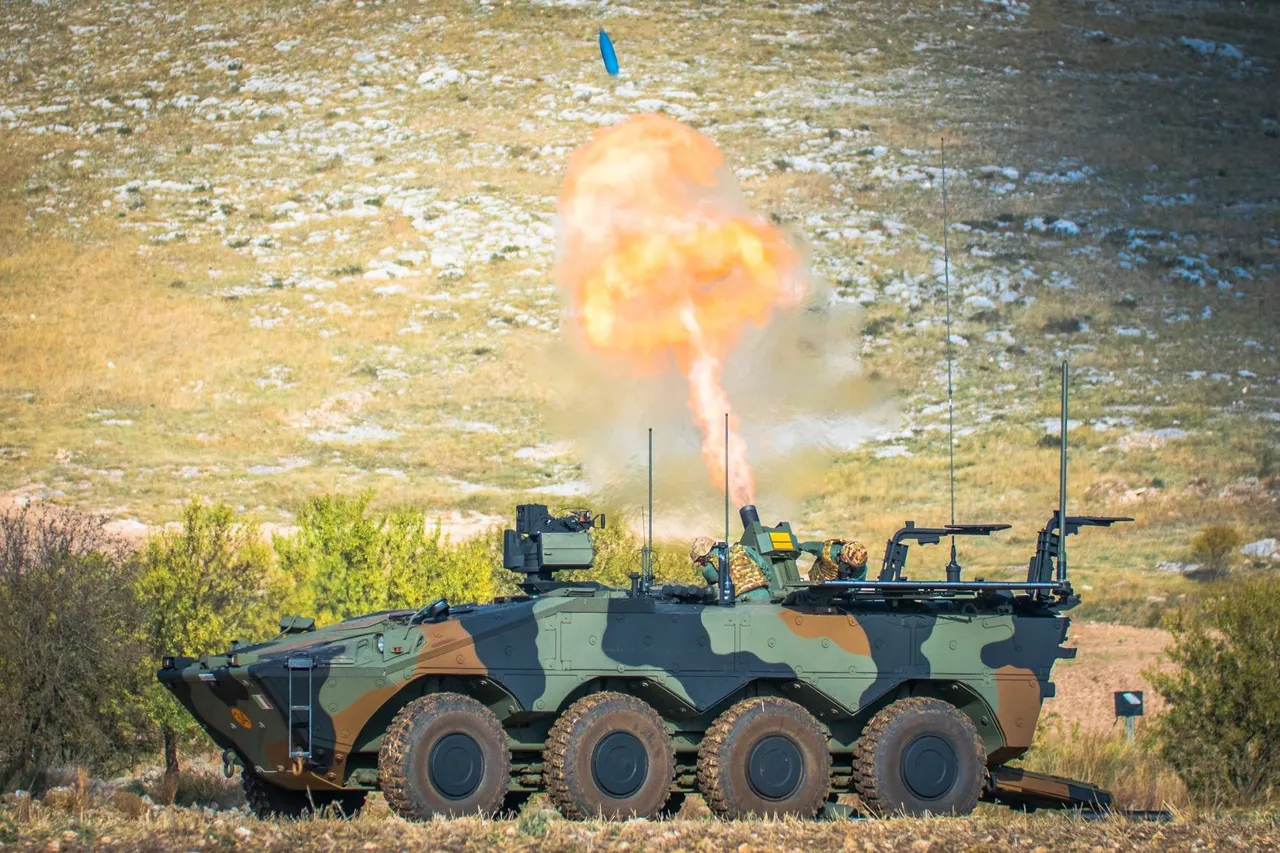
Thales to set up Japan's first foreign-run defence maintenance base, starting with navy equipment
The French group will service Maritime Self-Defense Force gear first and hand its 2R2M heavy mortar technology to Japan Steel Works for local production from 2027.
TaiwanDefence · 11h ago · 2 min read
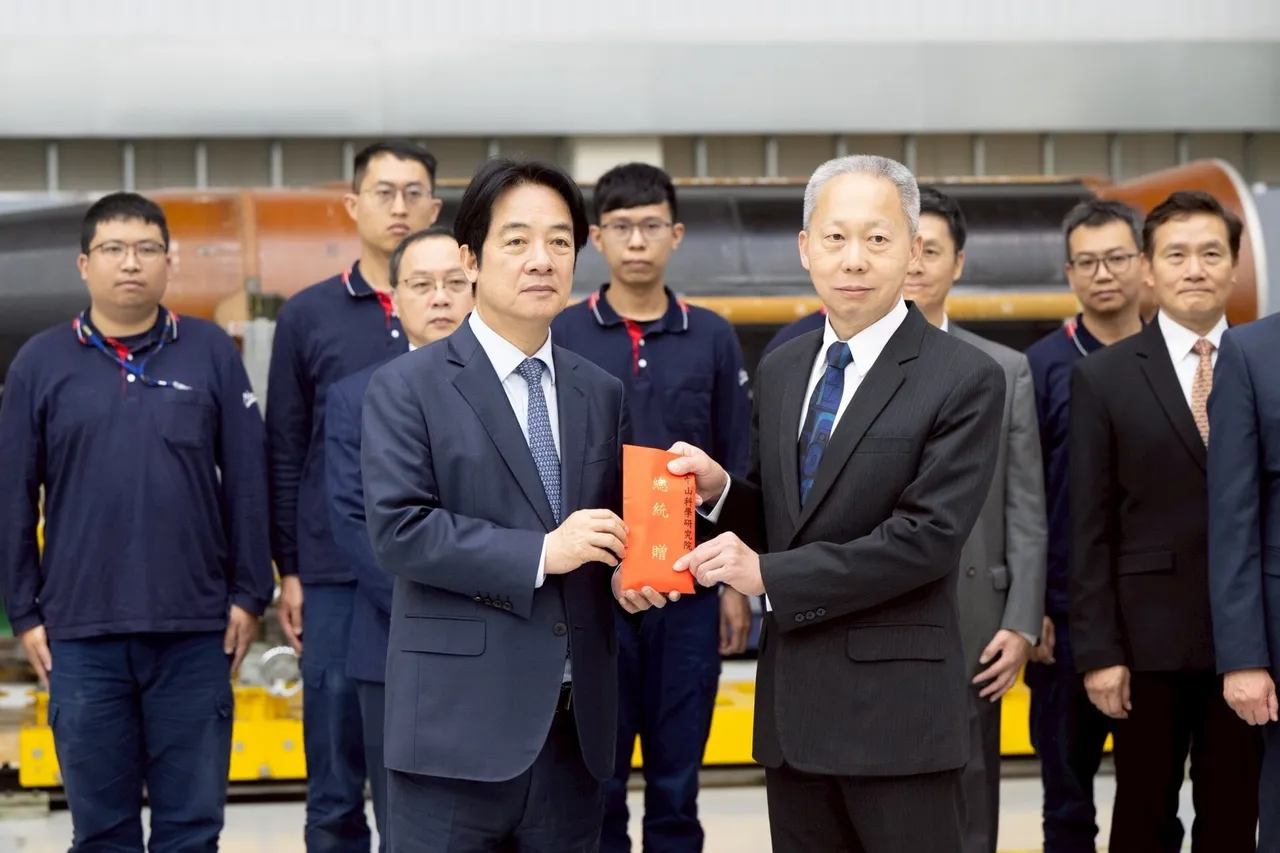
Taiwan's state missile institute clears US defence cyber audit for its rocket propellant line
NCSIST says its solid rocket propellant line now meets a US defence supply chain cyber standard, and it has won ISO certification for its military AI work.
TaiwanDefence · 23h ago · 2 min read
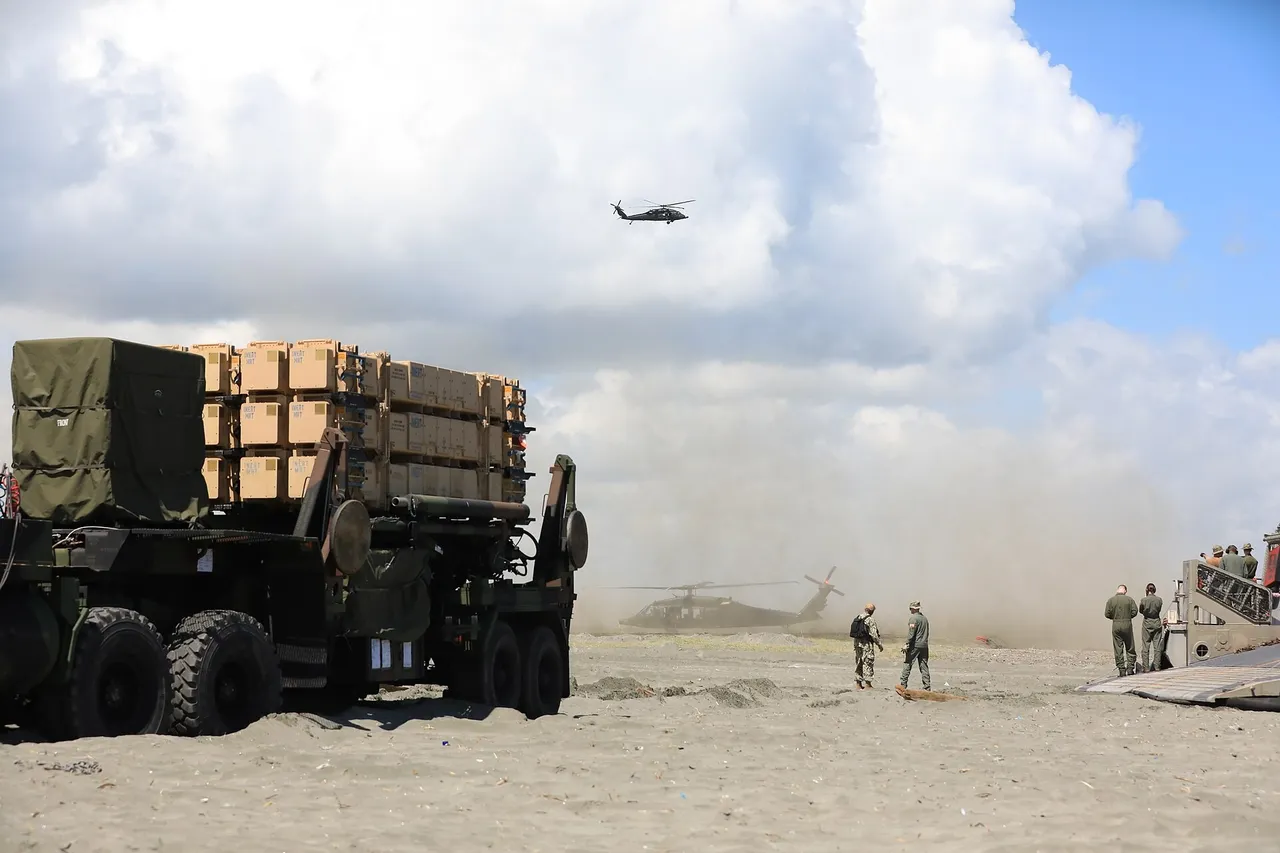
Anduril unveils Steelfin interceptor family it says could cost a third of a PAC-3 MSE
The modular two-stage missile fits Patriot, Mk 41 and Typhon launchers and is pitched at the US Army's Future Interceptor programme.
TaiwanDefence · 1d ago · 3 min read
Discussion (0)
Comments are not currently available.