
Taiwan's signals intelligence office buys AI to spot Chinese warships in satellite images
A NT$46.6 million deal lets the defence ministry's signals intelligence unit scan satellite photos for PLA ships, aircraft and missile launchers in minutes.
TAIPEI —
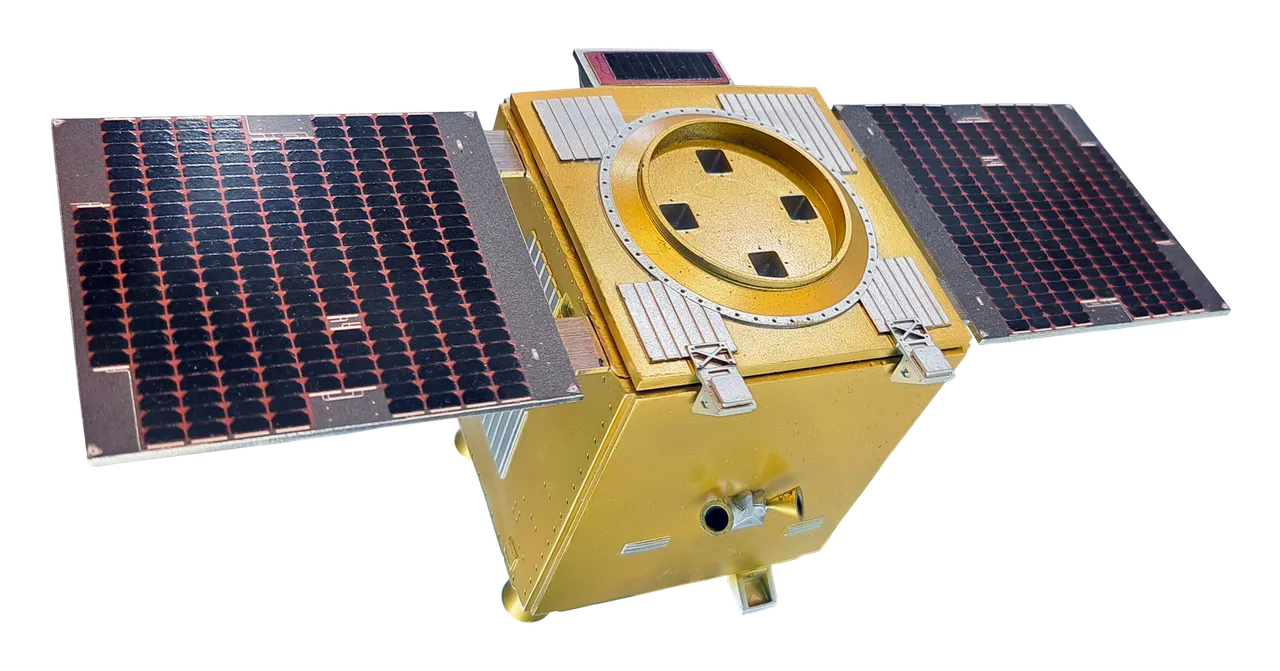
Taiwan's Ministry of National Defense has awarded a NT$46.6 million contract for an artificial intelligence system that automatically picks out ships, aircraft, missile launchers and radar vehicles in satellite images, giving the military's main signals intelligence unit a faster way to track Chinese forces.
The award notice, published on Taiwan's government e-procurement system on Tuesday, 13 October 2026, shows the ministry's procurement office bought the satellite imagery AI automatic recognition system on behalf of the ministry's Telecommunications Development Office. Taiwanese firm ThinkTron Limited won the deal at NT$46,555,741 against a budget of NT$49.96 million, with the award dated 21 September 2026 and work running from 25 September 2026 to an estimated 25 April 2027 at Linkou in New Taipei.
The notice records that the purchase was made by restricted tender rather than open bidding and that it was classed as involving national security and sensitive or information-security concerns. Bids were opened on 28 January 2026.
Minutes instead of hours
A senior government official told the Liberty Times that the system can scan satellite imagery covering 10 by 10 kilometres within a few minutes and automatically flag military targets longer than about 10 metres, including warships, aircraft, missile launch vehicles and radar vehicles. The official said the system can process several such images in that time, and that the results would be passed quickly to Taiwan's armed forces and missile units.
According to the paper, the office plans to use the tool to detect unusual gatherings of equipment at Chinese ports, airfields and bases, cutting the time analysts now spend looking through photos by hand.
A secretive unit turning to imagery
The Telecommunications Development Office is the defence ministry's signals and imagery intelligence unit. The Liberty Times reported that it supplies more than 80 percent of the military's early warning on Chinese military activity, runs more than 30 ground listening stations on Taiwan and its outlying islands, and can locate Chinese aircraft and ships by triangulating their radio and radar emissions out to about 300 nautical miles.
Because Taiwan has no dedicated military reconnaissance satellites, the paper said, the office rents commercial satellites and buys high-resolution images, and cross-checks them against intercepted signals. It also reported that the office exchanges intelligence with the US National Security Agency and other Western partners, and that Lieutenant General Chao Chien-kuo took over as its director in January this year.
The paper added that former president Tsai Ing-wen made a rare visit to the office with the heads of the three services in 2018 and asked the National Chung-Shan Institute of Science and Technology to help upgrade its equipment.
The purchase is small by the standards of Taiwan's defence budget, but it targets a clear gap. Automated image screening could help the military notice a build-up of ships, aircraft or launchers around the Taiwan Strait earlier, provided the office can get enough fresh commercial imagery to feed it.
Sources
More in Cross-Strait
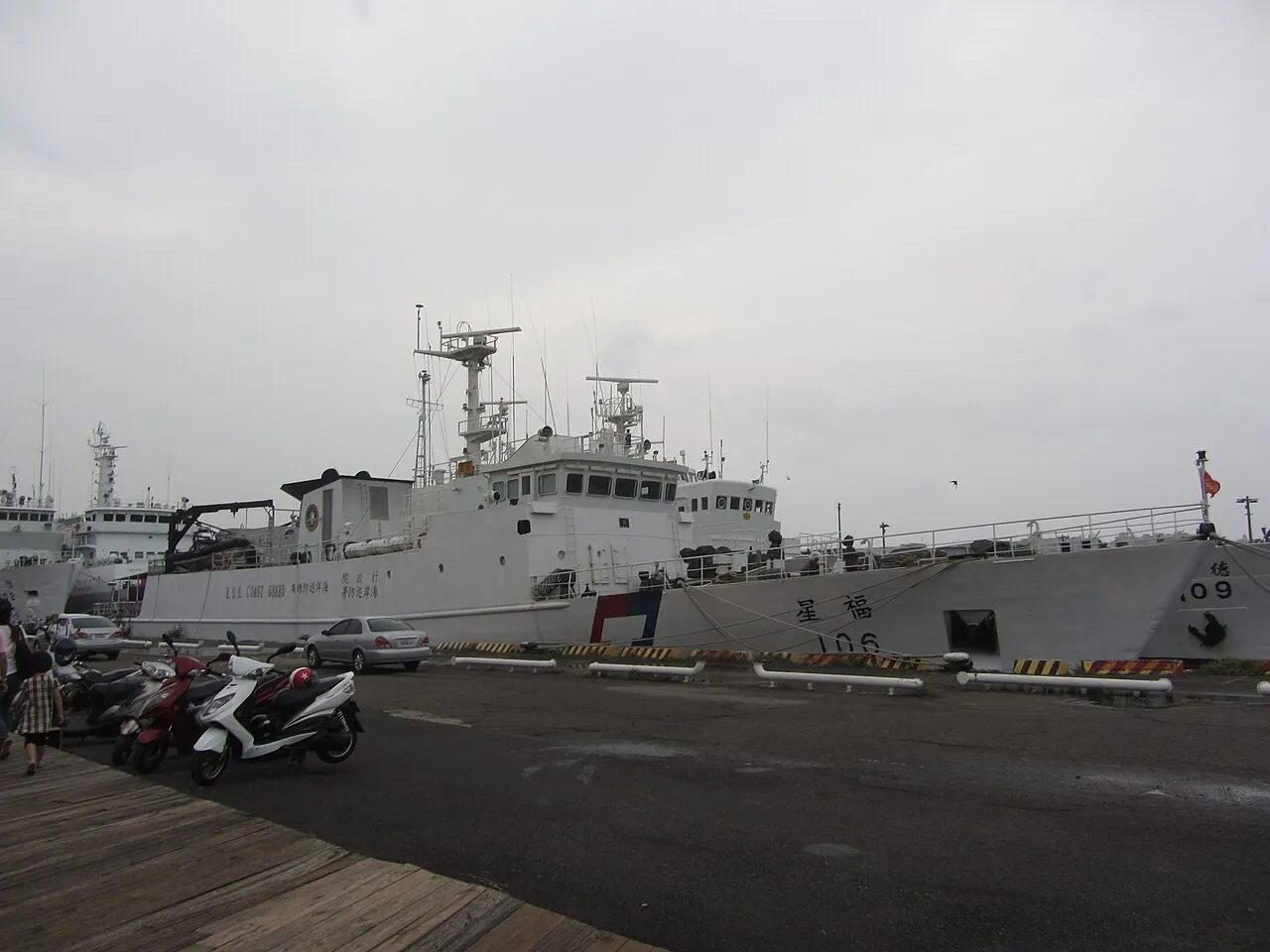
Taiwan says Coast Guard would lead if Chinese maritime militia ships cross the line
Koo told lawmakers Taiwan's Coast Guard would lead if Chinese maritime militia or coast-guard ships cross the line, with the navy in support.
TaiwanDefence · 22h ago · 2 min read
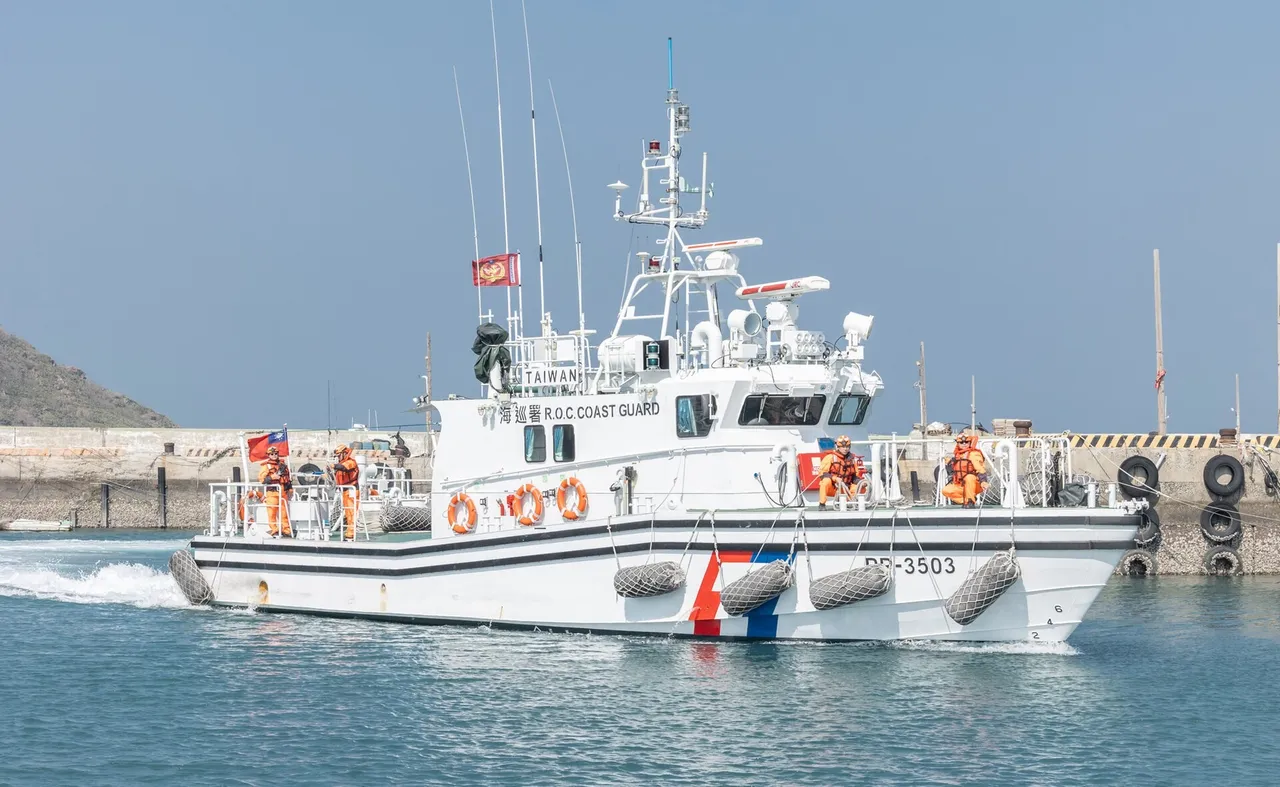
Taiwan's coast guard added 36 vessels in five years but is struggling to find crews for them
A Legislative Yuan budget review says the coast guard's recruitment shortfall has topped 30 percent since 2024 and is near 40 percent this year.
TaiwanDefence · 1d ago · 2 min read
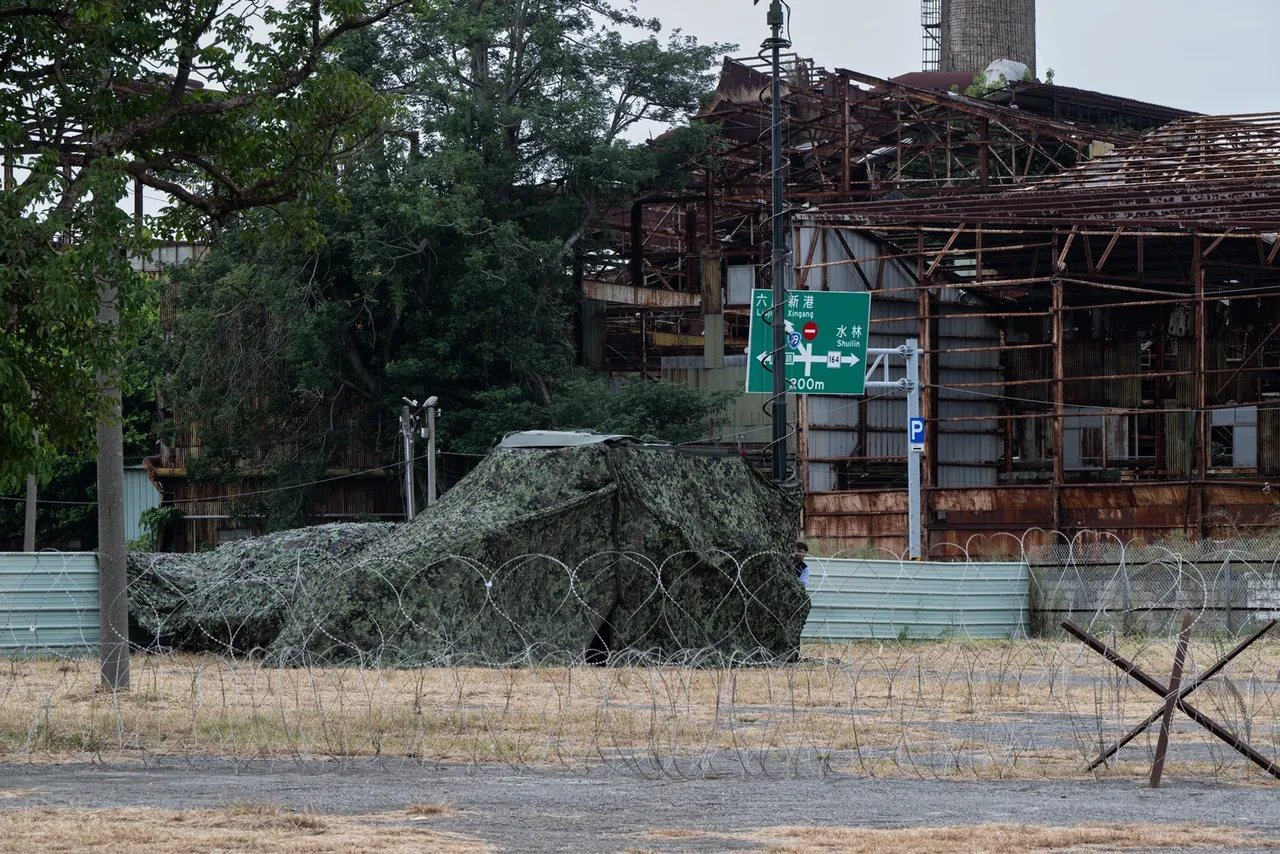
Taiwan army corporal arrested on suspicion of selling brigade exercise data to China
Defence ministry says the arrest at the 542nd Armored Brigade stems from a three-year-old espionage tip, not this week's Lu Sheng 2 drill.
TaiwanDefence · 1d ago · 2 min read
Discussion (0)
Comments are not currently available.