
ANALYSIS
Lu Sheng 2 puts Taiwan's CM11s against M1A2Ts in a northern fight China would recognise
As of 13 October 2026, Lu Sheng 2 starting 14 October tests Abrams, CM11s, drones and C2 under Chinese military pressure.
TAIPEI —
This article is an original Taiwan Defence analysis based on the cited public sources. It distinguishes reported facts from analytical judgments and does not represent original field reporting.
On 13 October 2026, Taiwan's army confirmed that Lu Sheng 2, its second year of centrally umpired brigade-on-brigade fighting, opens on 14 October and runs through 23 October. The Combined Arms 269th Brigade in the north will face the Combined Arms 564th Brigade coming up from the south for ten days and nine nights of continuous play, with M1A2T tanks, the army's third-generation battle-management tools, the Taiwan Tactical Network, OneWeb backup links, and armed and scout drones written into the force list.
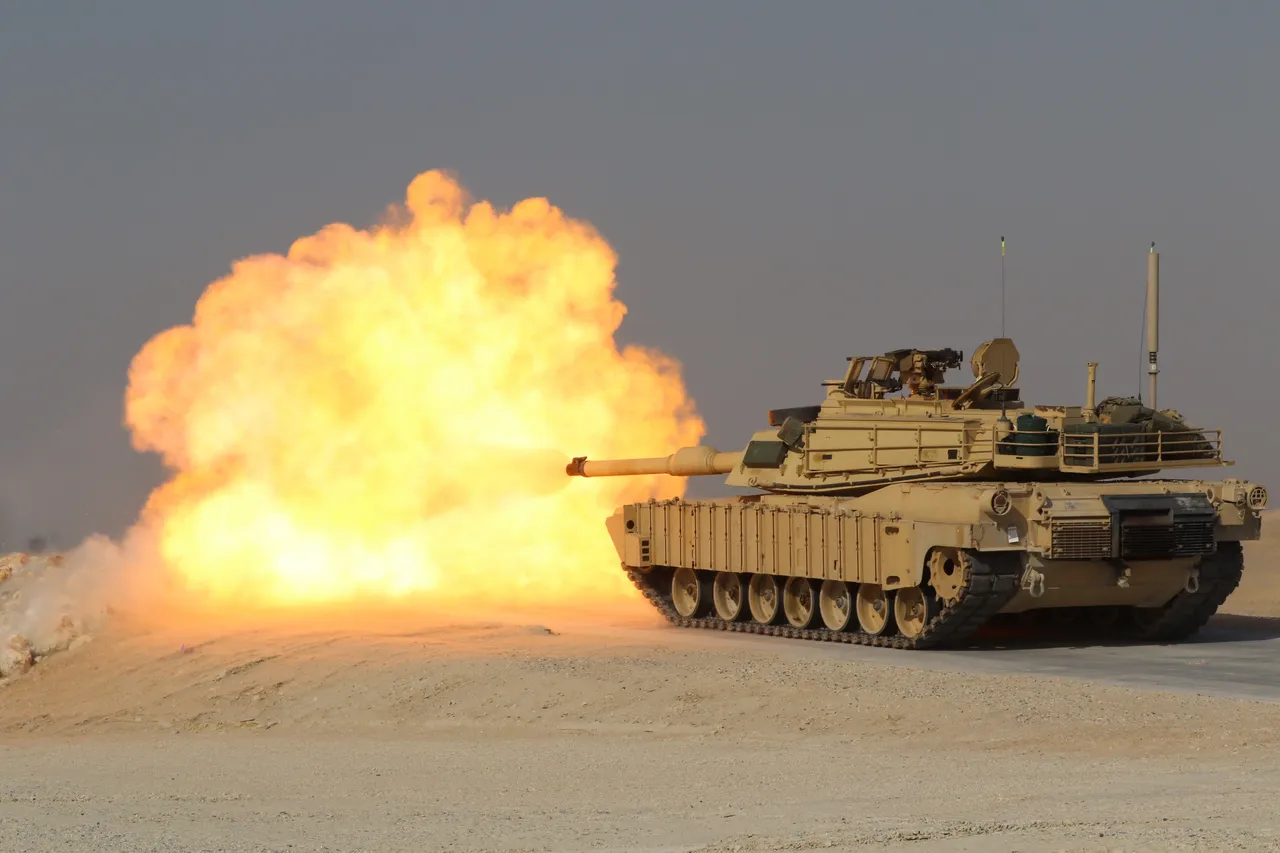
CNA and follow-on reports on 13 October stressed a detail that matters more than the calendar: for the first time in this series, Taiwan's older CM11 Brave Tiger tanks are expected to fight opposite newly fielded M1A2T Abrams hulls inside the same force-on-force script. That matchup turns an equipment handover into a live comparison of sensors, fire control, mobility and logistics under umpires who score by firepower values rather than by scripted victory.
Army Training and Doctrine Command deputy commander Maj. Gen. Lin Shih-wei had already laid out the phasing at a late-September defence ministry briefing that CNA refreshed on 13 October. Day one is deployment and movement: the 564th pushes north while the 269th defends in the north, with emphasis on contingency handling during manoeuvre and attack or defence preparation. From 15 to 23 October the fight flips on measured results, stressing brigade and battalion command, fire-support coordination, successive resistance, air-ground integration, drone employment and special-operations use.
Officials also stretch the event from last year's seven days and six nights to ten days and nine nights of round-the-clock work, and they shift the main ground into northern Taiwan so units learn the terrain of a likely defensive fight against China. UDN reporting on 13 October added that planners are eyeing the Hsinchu-Miaoli corridor, a one-to-two-kilometre choke with high ground to the north, as a focus for the north-south clash. That geography is exactly where a PLA push from southern lodgements toward Taipei would have to thin out.
The thesis is blunt. Lu Sheng 2 is less a parade of new kit than Taiwan's clearest near-term test of whether M1A2T crews, legacy CM11 formations, drones and resilient C2 can hold a northern defensive geometry under China-style combined-arms pressure. If the umpires find that the Abrams edge evaporates once communications fail, fuel runs short, or drone kill chains outpace the tanks, the army will learn that in public training rather than in the first week of a cross-strait war.
Last year's Lu Sheng 1 already dropped the old habit of substituting wheeled vehicles for armour and restored firepower values so after-action reviews could compare like with like. This year's additions of TTN and OneWeb are meant to keep command posts talking when terrestrial links are jammed or cut, a problem China would try to create early. Drones for reconnaissance and strike sit inside the same script, which is where INDSR researcher Shu Hsiao-huang says the army must also practise defeating hostile scouting and strike webs, not only launching its own.
The redesign of brigade fighting under a single Training and Doctrine Command umpire staff also ends the old Long Tai, Long Ching and Long Sheng pattern run by separate theatre commands. Centralising control is meant to make the series a true annual tactical acceptance test for combined-arms brigades, not a local prestige event. That institutional change only pays off if the scored results change equipment priorities, ammunition stocks and network investment for a China contingency rather than staying on PowerPoint after the closing ceremony.
The CM11-versus-M1A2T pairing is therefore not nostalgia. It forces commanders to integrate unequal fleets the way a real Taiwan defence would: some brigades still on older hulls, others converting to Abrams, all sharing one contested network against an opponent that will not wait for Taiwan's conversion timeline. Article-length coverage of the September announcement already recorded the ten-day extension; the 13 October 2026 reporting reframes the same exercise as an eve-of-start readiness exam under intensifying Chinese military pressure across the Strait.
What to watch after 14 October is not who wins the scripted scoreboard. It is whether the 269th can keep M1A2T logistics and sensors alive while defending, whether the 564th can move north without breaking C2, and whether drone and fire-support timelines stay inside the umpires' firepower math when both sides are tired on day eight. Those seams are the ones China would press. Lu Sheng 2 exists to find them before a real fight does.
Sources
More in Analysis
Japan's first ACSA fuel draw in the Philippines is logistics practice Taiwan would need
On 9 October 2026 Tokyo confirmed its ASDF drew fuel from the Philippine Air Force under ACSA for the first time during Doshin-Bayanihan drills.
TaiwanDefence · 18h ago · 4 min read
Taiwan's pitch to build China-free drones with Japan now has to survive the Jiin Ming case
On 12 October 2026, Taoyuan prosecutors said a military drone supplier hid Chinese chips, a day after Taiwan was pitched to Japan as a China-free partner.
TaiwanDefence · 19h ago · 4 min read
Taiwan's pilot fill rate hides an F-16 manning crunch as Block 70s arrive
On 12 Oct 2026 Taipei said pilot fill is 87.8% and F-16 units are the manning crunch as Block 70s arrive.
TaiwanDefence · 21h ago · 4 min read
Discussion (0)
Comments are not currently available.