
US Army in Korea wants to become the spare-parts factory for American forces across the Indo-Pacific
Eighth Army is printing and machining parts for troops in Okinawa and Guam, to keep US forces supplied inside the First Island Chain off China's coast.
.jpg)
TAIPEI —
The US Army's Eighth Army in South Korea wants its logistics base on the peninsula to become the main advanced manufacturing centre for US Indo-Pacific Command, making spare parts not only for its own soldiers but for American forces across the region, its officers said at the Association of the United States Army (AUSA) annual meeting in Washington on Monday, 12 October 2026.
Col. Scott Carpenter, who commands US Army Materiel Support Command-Korea, told reporters that his goal was for the command to serve as the manufacturing centre for INDOPACOM. To make the point he held up a bolt for the turret of the Common Remotely Operated Weapon Station, a part that is back-ordered until February 2027. His soldiers made a replacement by drilling it out of solid metal for $1.27, saving more than $300 and months of waiting, Defense News reported.
At a roundtable on Monday, Lt. Gen. Joseph Hilbert, the Eighth Army commander, said the force was moving ahead with a Korea-based regional sustainment hub. Rather than shipping equipment that needs a major overhaul back to the United States, he said, the Army wants to overhaul it in Korea and keep it in the fight west of the International Date Line for longer, which will require extra capacity to fabricate parts and materials and to repair equipment.
Parts for Okinawa and Guam
Carpenter said Eighth Army maintenance support teams already leave the peninsula to work with the III Marine Expeditionary Force in Okinawa, Japan, and with Army rotational units in Hawaii. Any member of the joint force can now file a request for a part and have it routed to the Army's logistics hub in Daegu. A Guam-based unit recently asked for an assembly that would have cost $36,000 through normal supply; the team in Korea machined it for $82. Carpenter described the system as a way to maintain combat power inside the First Island Chain.
The command has recently bought a metal 3D printer and is building the infrastructure to house it. Carpenter expects it to be installed around January or February and hopes eventually to print the turret bolt itself. By next summer Eighth Army is due to receive $3 million worth of advanced manufacturing machines, and about $10 million more is to be requested in the Army's fiscal 2028 budget. Carpenter said those machines would be able to produce larger parts such as vehicle bumpers and doors.
Built on Korean industry
The hub idea was set out in May at AUSA's Land Forces Pacific symposium in Honolulu, where Hilbert argued that not having to cross the Pacific gives the joint force strategic flexibility and that his army sits inside the First Island Chain. Gen. Xavier Brunson, commander of US Forces Korea, said then that the hub was already partly operational, that South Korean shipyards had completed overhauls of the US Navy transport ships Wally Schirra and Cesar Chavez, and that Congress would need to grant special repair authority before Korean firms could work on certain US ships, aircraft and weapons.
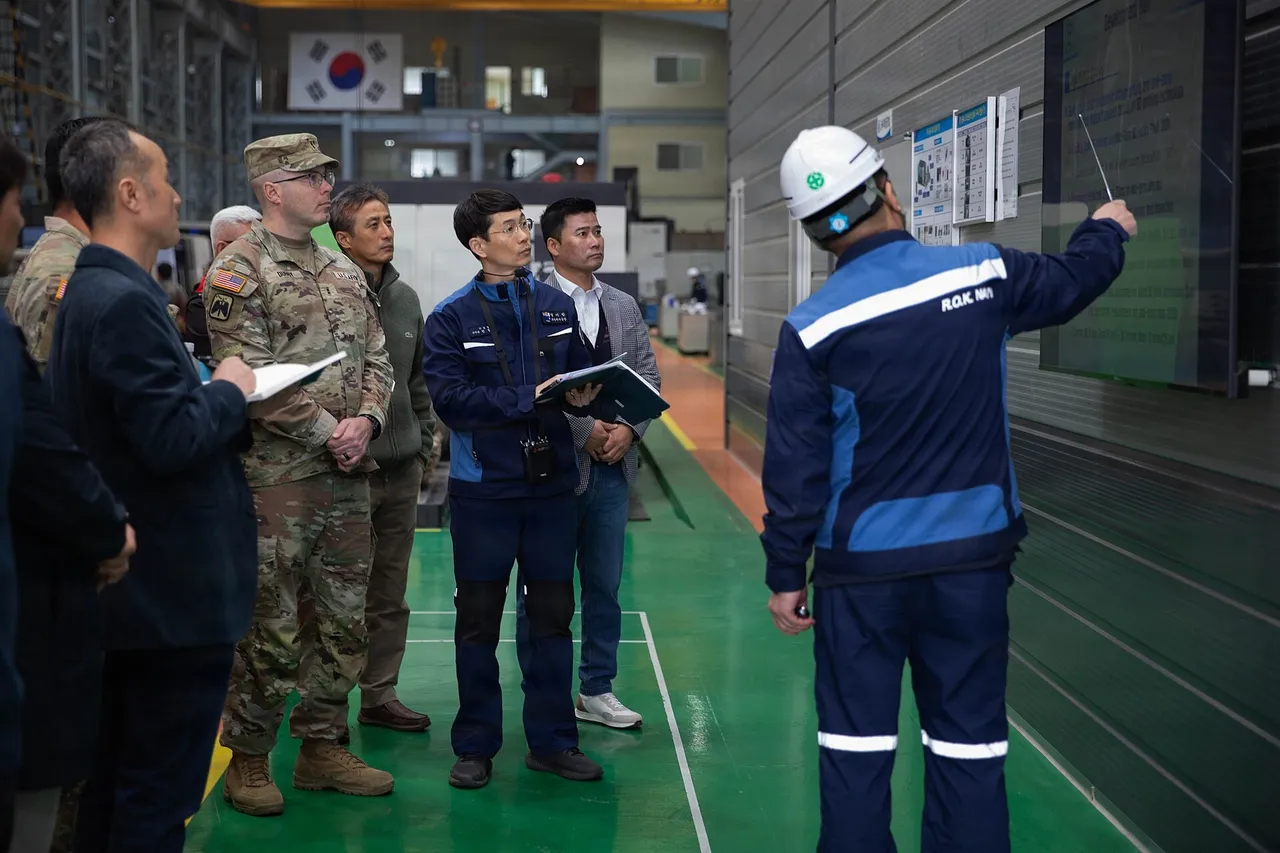
In March, Eighth Army and 2nd Infantry Division personnel toured the additive manufacturing labs of a South Korean Navy maintenance facility in Changwon. According to an Eighth Army release, the Korean depot has produced thousands of parts and in one case used metal 3D printing to cut the repair time for a destroyer component from three months to one week.
Hilbert acknowledged that hurdles remain. They include intellectual property restrictions held by manufacturers, data sharing to make sure locally made components meet specifications, and connecting new kinds of parts production to Army logistics systems that were not designed for them.
Why it matters for Taiwan
The First Island Chain is the line of territory closest to China's coast, running from Japan through Taiwan to the Philippines, and denying China control of it would be central to any war in the region. A US depot that can make and fix parts in Korea would shorten supply lines that Brunson has described as thousands of miles long. For Taiwan, whose defence planning assumes that US forces could operate and stay supplied nearby during a crisis with China, the effort is a practical sign that Washington is trying to move spares and repairs inside the region instead of across the Pacific.
Sources
More in Indo-Pacific
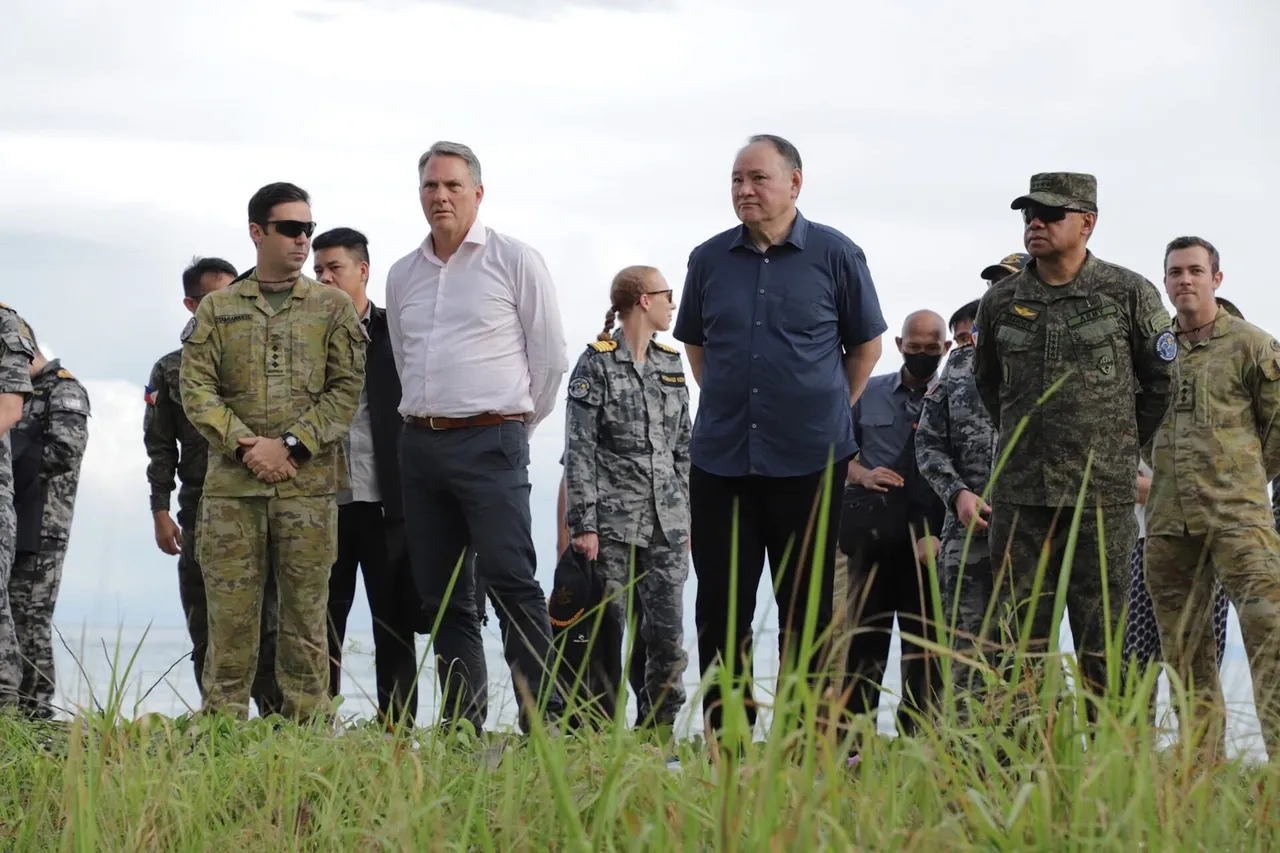
Philippine military backs defence chief Teodoro as China's embassy attacks his freeze on military talks
The Philippine military says talks with China's PLA were cut three years ago because Chinese warships and coast guard vessels kept up provocations at sea.
TaiwanDefence · 2h ago · 3 min read
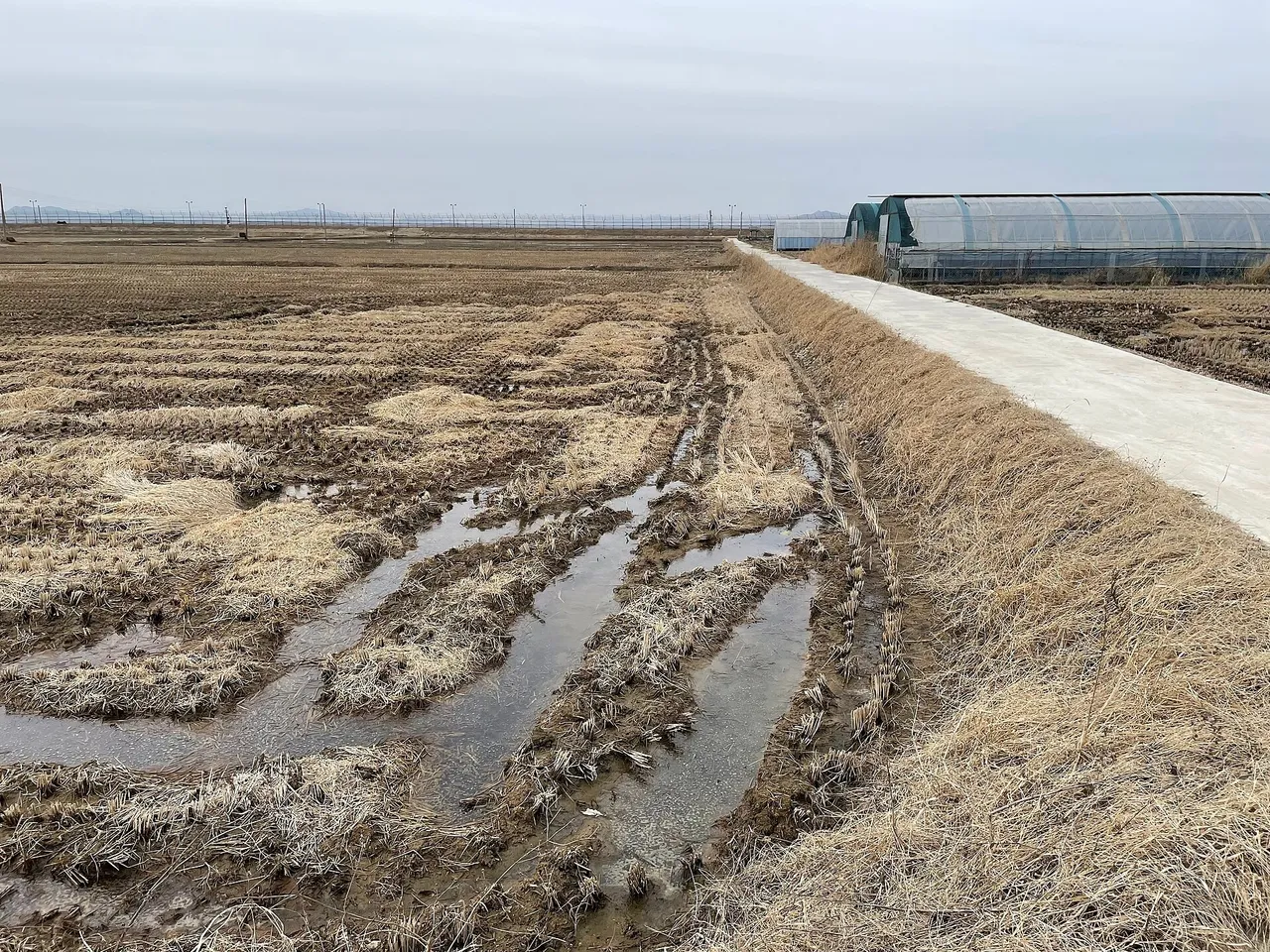
North Korea is blasting and fortifying its coast opposite Ganghwa Island, South Korea's military says
South Korea's Joint Chiefs of Staff say repeated explosions heard from Ganghwa Island come from North Korean troops reinforcing coastal defences near Kaesong.
TaiwanDefence · 5h ago · 2 min read
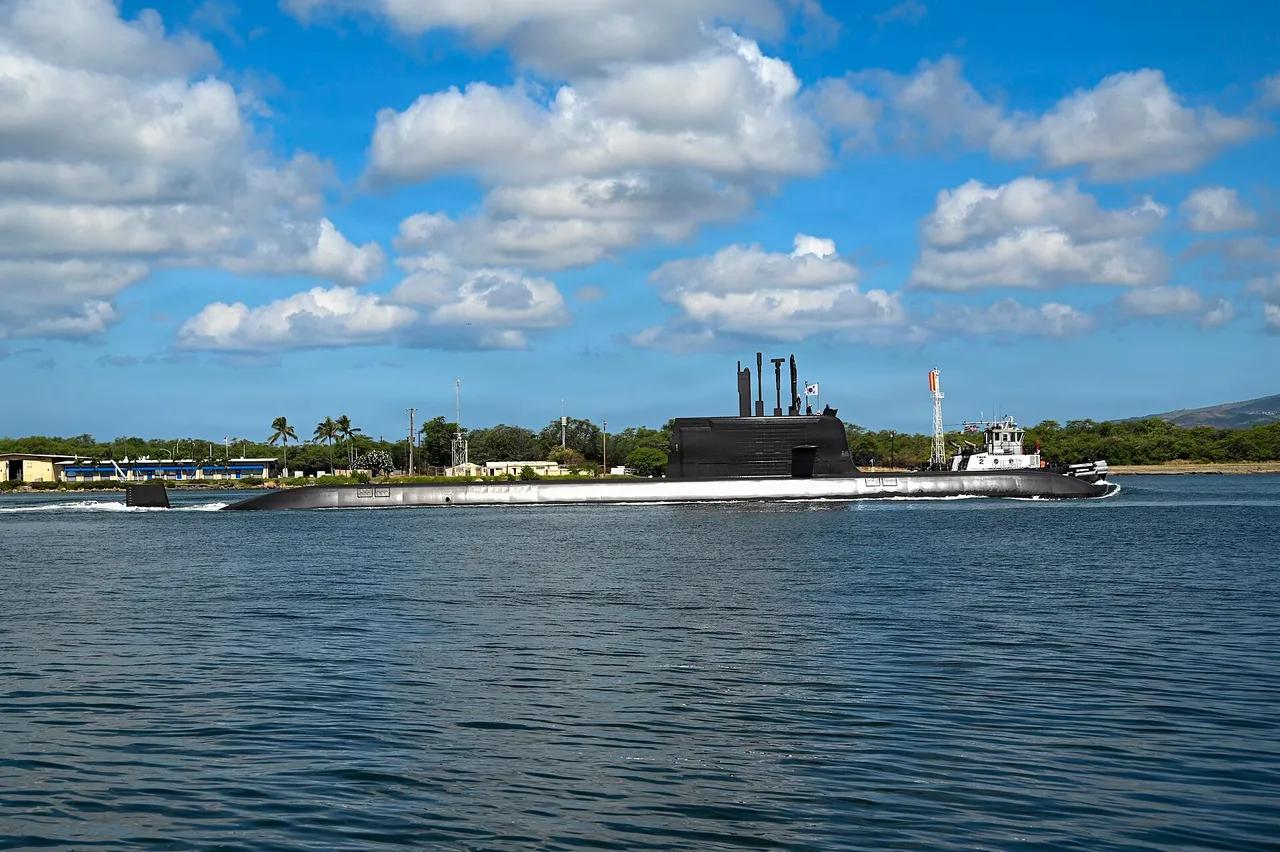
South Korea's arms agency seeks 13.8% more for 2027 to speed nuclear-powered submarines
South Korea's military procurement agency wants 22.7 trillion won next year to push nuclear submarines, missile defence and attack drones against North Korea.
TaiwanDefence · 6h ago · 3 min read
Discussion (0)
Comments are not currently available.