US says South Korea has not met conditions for a key wartime command test, and annual defence talks may slip
Washington told Seoul its future combined command has not met FOC conditions, clouding a 2027 handover target as the allies' defence talks look set to move.

TAIPEI —
A senior US military official has told former senior South Korean officials that the conditions for completing the Full Operational Capability assessment of a future Korean-led combined command have not been met, the JoongAng Ilbo reported on 14 October, citing military sources. The position undercuts Seoul's plan to finish that assessment this year and name a target year for taking wartime operational control of its forces from the United States, possibly as early as 2027.
According to the report, the official said at a closed-door meeting last month that the yardsticks used a decade ago could not stay the same, pointing to changes in warfare since Russia's invasion of Ukraine. The official also said the scaled-down Ulchi Freedom Shield exercise in August had left necessary evaluations undone, and that ways to make up for them were being sought. That contrasts with former defence minister Ahn Gyu-back and other Korean officials, who said two FOC items, including a counter-fire operations assessment, were completed in the first phase of the drill.
Annual talks pushed back
The dispute is also reaching the calendar. People Power Party lawmaker Han Ki-ho told the Chosun Ilbo that the government is pushing to hold the annual Security Consultative Meeting of the two defence chiefs in December, rather than soon after the Military Committee Meeting of the joint chiefs planned for early November. Han said the schedule was being moved as the chance of completing the FOC check faded, and warned that a timetable tied to the president's term risked weakening readiness. The JoongAng Daily said the meeting looked set to slip from early to late November and that no date had been fixed.
Chosun also cited a diplomatic source as saying that national security adviser Wi Sung-lac is arranging a visit to the United States around the time of the military committee meeting. US officials are said to doubt that South Korea's military can show within one or two years that it is able to command wartime operations, while North Korea advances its nuclear programme and gains combat experience through the troops it has sent to Russia.
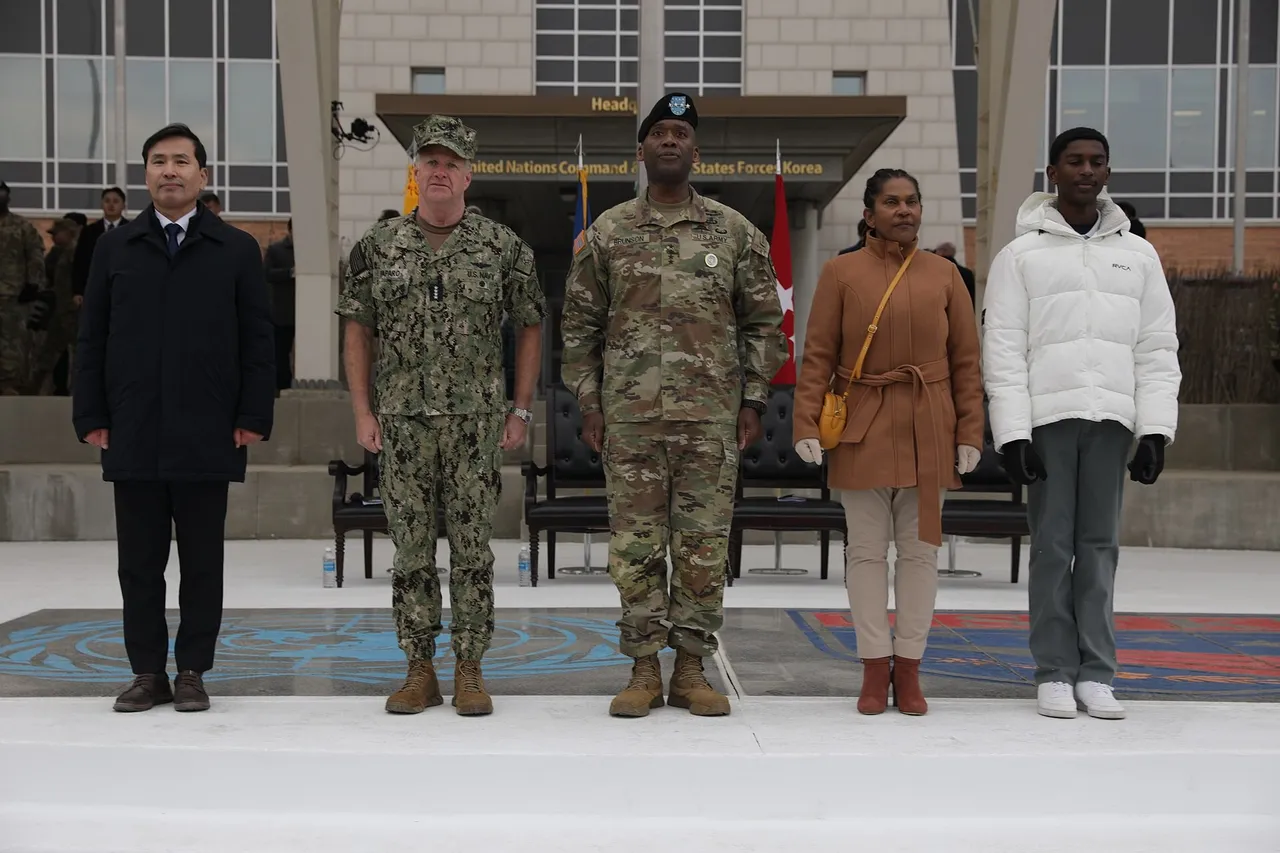
At a Center for Strategic and International Studies event in Washington on 12 October, Gen. Xavier Brunson, who commands US Forces Korea and the Combined Forces Command and leads the transfer assessment, said he could not support anything that departs from the agreed conditions and weakens his ability to defend South Koreans and Americans. He said he would carry out an order from the president and the secretary of war to proceed now, but would first set out the risks of doing so before the conditions are fully met and key capabilities are in place.
A three-step test
Under the process the allies agreed, a Korean-led future combined command must pass Initial Operational Capability, FOC and Full Mission Capability checks. About 130 items on the combined mission essential task list are assessed, and 70 to 90 per cent of the requirements must be met at each stage before moving to the next. Seoul says the final stage must begin at least a year before the target year, which is why it has argued that 2027 or 2028 is achievable.
Defence Minister Kang Shin-chul told a parliamentary audit last week that he needed to work out differences with Washington, and a military source told the JoongAng Daily that talks between defence authorities alone could no longer settle the issue and that a political decision was needed. In April, Brunson said the allies aimed to meet the conditions no later than the first quarter of 2029, Yonhap reported, while Seoul has sought a handover before President Lee Jae Myung's term ends in 2030.
Former US Forces Korea commander Robert Abrams warned at a CSIS webinar on 5 October that an arbitrary timeline could raise security risks and weaken deterrence against North Korea, and disputed claims that South Korea had met 92 per cent of the requirements in 2020. Some in Seoul now expect President Lee to raise the issue directly with President Donald Trump at the Asia-Pacific Economic Cooperation summit in Shenzhen, China, in late November.
Sources
More in Indo-Pacific
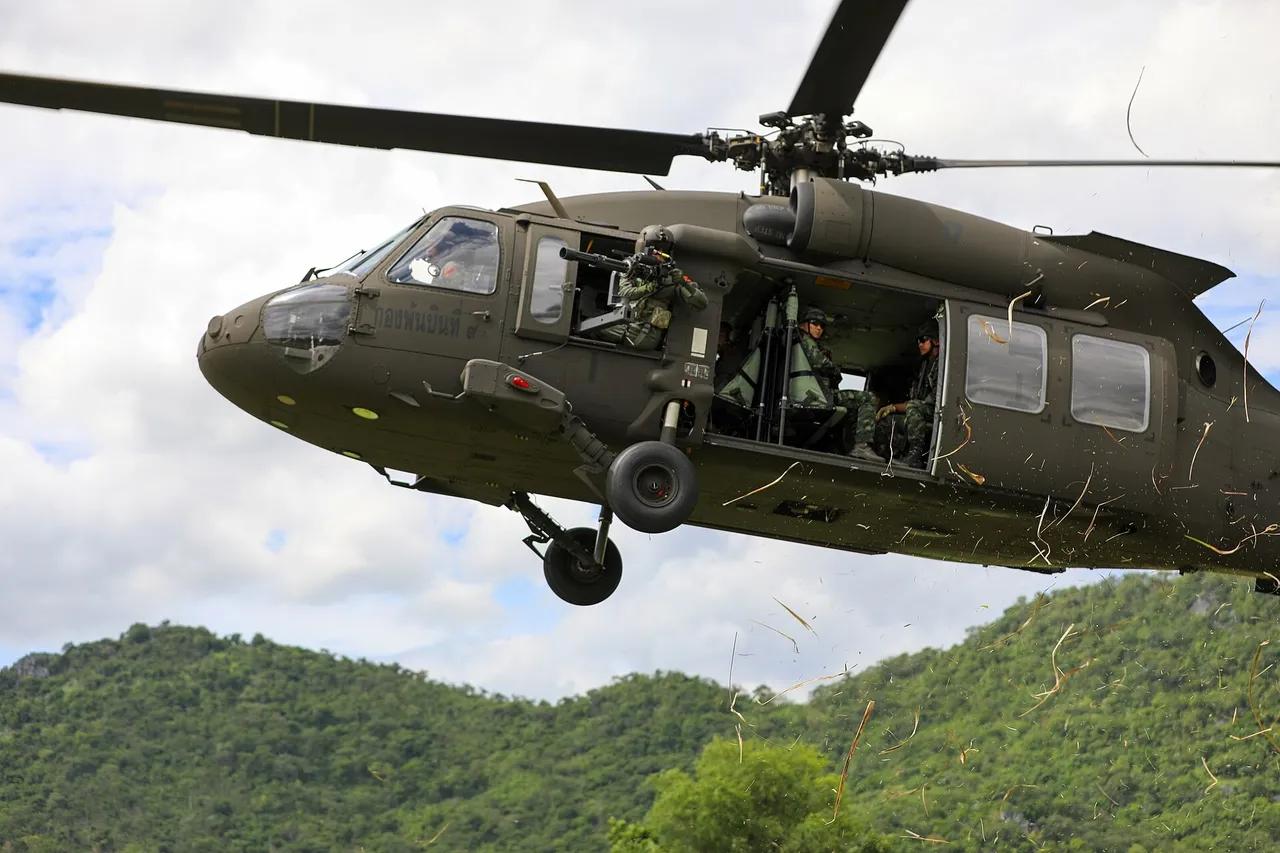
Thai army presses Cambodia to hold its troops in place after a drone and armed patrols near Thai lines
At border committee talks on 27 November, Thailand asked Cambodia not to move forward or reinforce, as worries grow over the ceasefire agreed 11 months ago.
TaiwanDefence · 7h ago · 3 min read
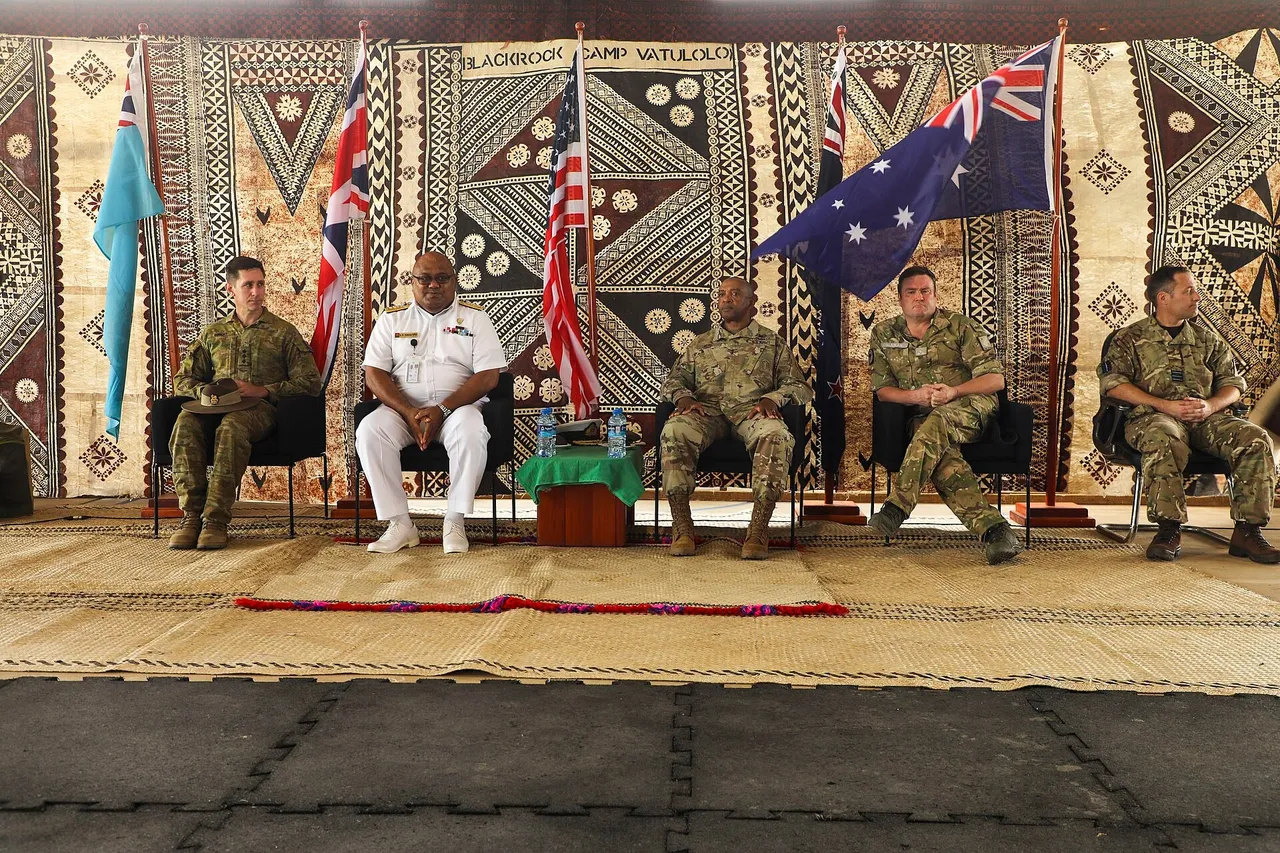
Fiji's first military alliance, with Australia, takes effect with a pledge to meet any attack in the Pacific
The Veitacini Treaty took effect on 26 November, three weeks after Fiji's parliament approved it despite a committee's call to reopen talks over visiting forces and sovereignty.
TaiwanDefence · 9h ago · 2 min read
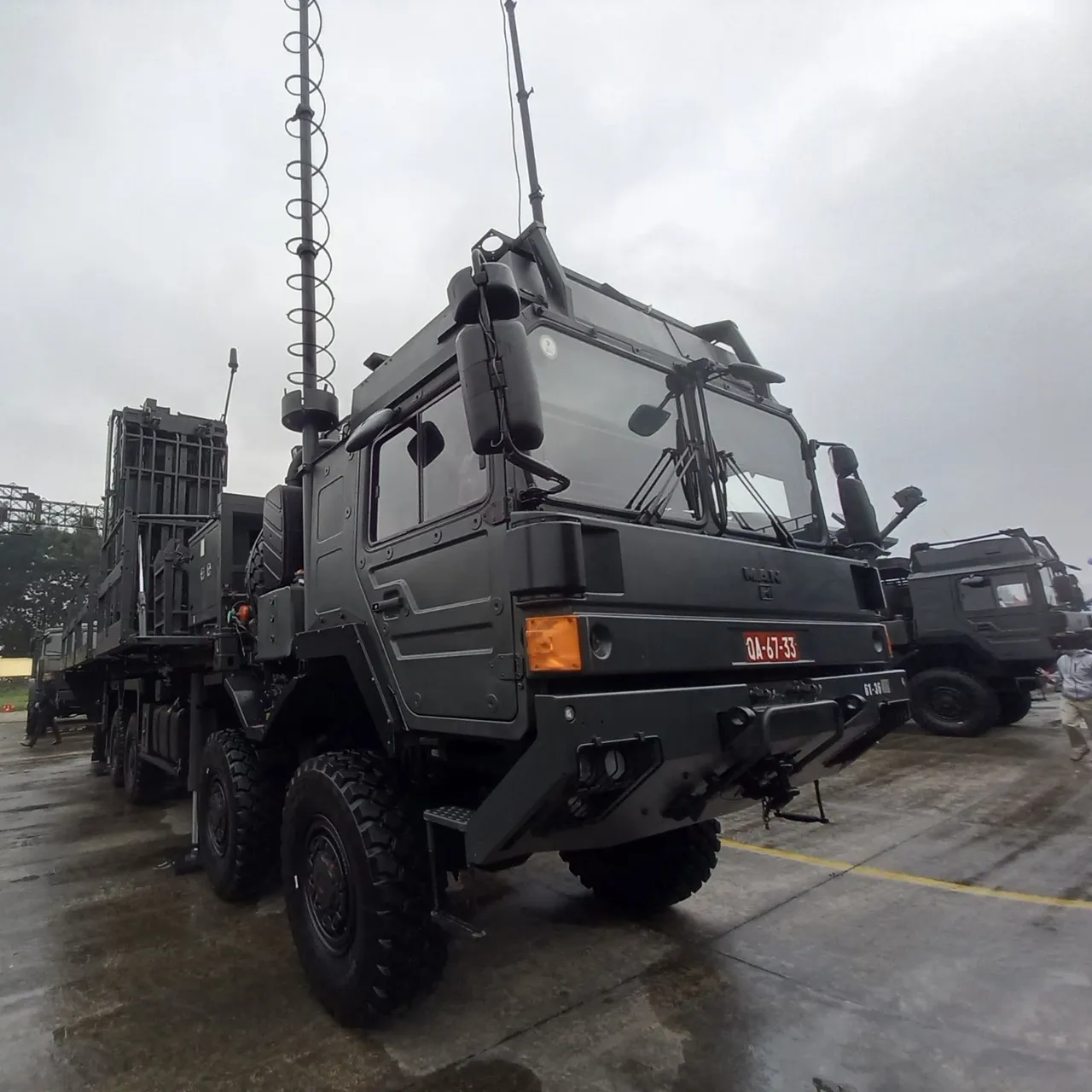
Vietnam rehearses a layered air defence dome over Hanoi and puts drones at the top of the threat list
Defence Minister Phan Van Giang watched a 40-minute live-fire drill on 27 November and told units to hunt down drone operators, not just shoot at drones.
TaiwanDefence · 20h ago · 3 min read
Discussion (0)
Comments are not currently available.