
Vietnam rehearses a layered air defence dome over Hanoi and puts drones at the top of the threat list
Defence Minister Phan Van Giang watched a 40-minute live-fire drill on 27 November and told units to hunt down drone operators, not just shoot at drones.

TAIPEI —
Vietnam's military held the live-fire phase of a large exercise to defend Hanoi against air attack on Friday 27 November, at the national firing range known as TB1 in Bac Ninh, north-east of the capital, the government's news portal reported. The defence ministry's steering committee ran the drill, codenamed VK-26, under the theme of a sustainable air defence dome protecting the capital.
Defence Minister General Phan Van Giang, who is also a deputy prime minister, attended and directed the exercise, together with General Nguyen Tan Cuong, chief of the General Staff and head of the steering committee, and Hanoi People's Committee chairman Vu Dai Thang, according to the portal and the state broadcaster VOV.
An attack from two directions
The Hanoi Capital Command led the drill alongside the Air Defence - Air Force Service, military regions, army corps and other branches, the national broadcaster VTV reported, adding that the troops involved had spent months training at TB1. According to VOV, the scenario assumed an enemy air strike on northern Vietnam centred on Hanoi, with the main axis of attack from the south-east and a secondary one from the south-west.
VOV said the live-fire part lasted 40 minutes in three stages: reconnaissance, detection and air raid warning; engaging the attacking aircraft and weapons on each axis; and dealing with the damage after each wave. Units built a layered, multi-direction defence intended to jam, suppress and destroy incoming threats from long range inward. The portal said the drill also rehearsed evacuating civilians.
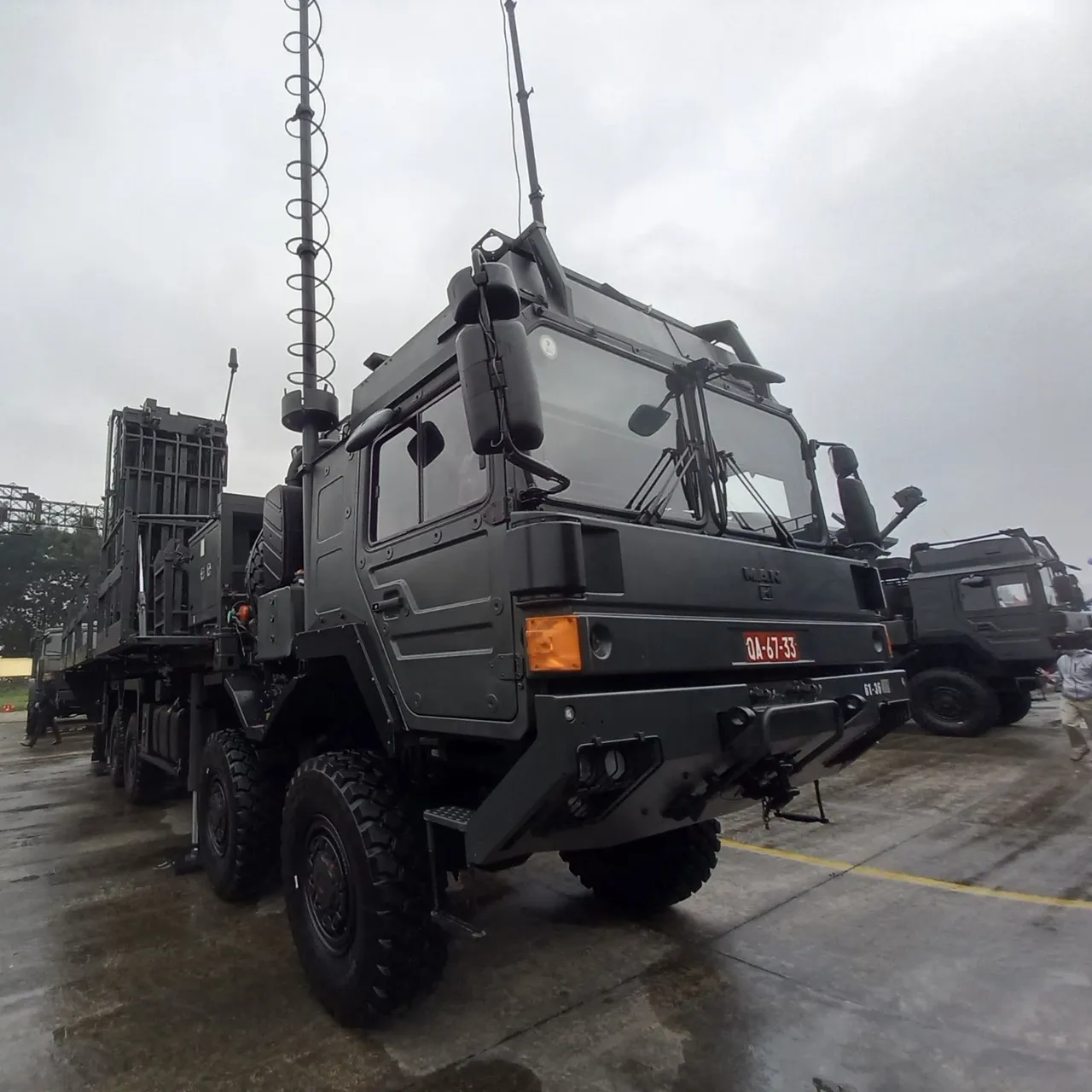
Officials said the forces used weapons and equipment researched, built or upgraded by Vietnam's own military, including missiles, artillery, guns, drones, communications and electronic warfare equipment, ammunition and explosives. They did not name specific missile systems. Tuoi Tre published photographs of anti-aircraft gun positions firing at simulated drone intruders and reported that a crew from Company 73, Regiment 280, Division 361 took part in the live firing.
Drones first
In remarks after the drill, Giang said the fast development of uncrewed aircraft meant forces had to study the characteristics, methods and danger of each type, because drones vary widely, fly over many kinds of terrain and at many altitudes, and are controlled in increasingly complex ways, the portal reported. He told units to find the areas from which drones are launched and the positions from which they are controlled, and to use a wide range of weapons and equipment to detect, suppress and destroy them.
According to VOV, Giang called for the army, police, militia and local security forces to work together on patrols and reconnaissance to locate drone launch and control sites, and for the development of equipment that can suppress or disable drones without relying only on gunfire. He also asked for future drills to show drone formations, flight layers and interception plans more clearly.
Shelters and evacuation plans
Giang said the exercise had begun to show the General Staff's operational intentions, especially in coordination and in new methods and tactics. He asked commands to work with local authorities on defensive works, firing positions, trenches and fortifications, to prepare evacuation plans and to tell residents how to protect themselves in an air attack. VOV reported that he wanted localities to plan underground works, shelters, command posts and escape routes down to commune and ward level.
The capital drill followed an annual tactical live-fire exercise for air defence divisions from across the country, which the Air Defence - Air Force Service opened at the same range on 5 November. VnExpress reported at the time that an S-125-2TM missile battalion destroyed a simulated drone target with its first missile at a range of 18 km, and that 37 mm and 57 mm anti-aircraft guns also fired at drone targets.
Sources
More in Indo-Pacific
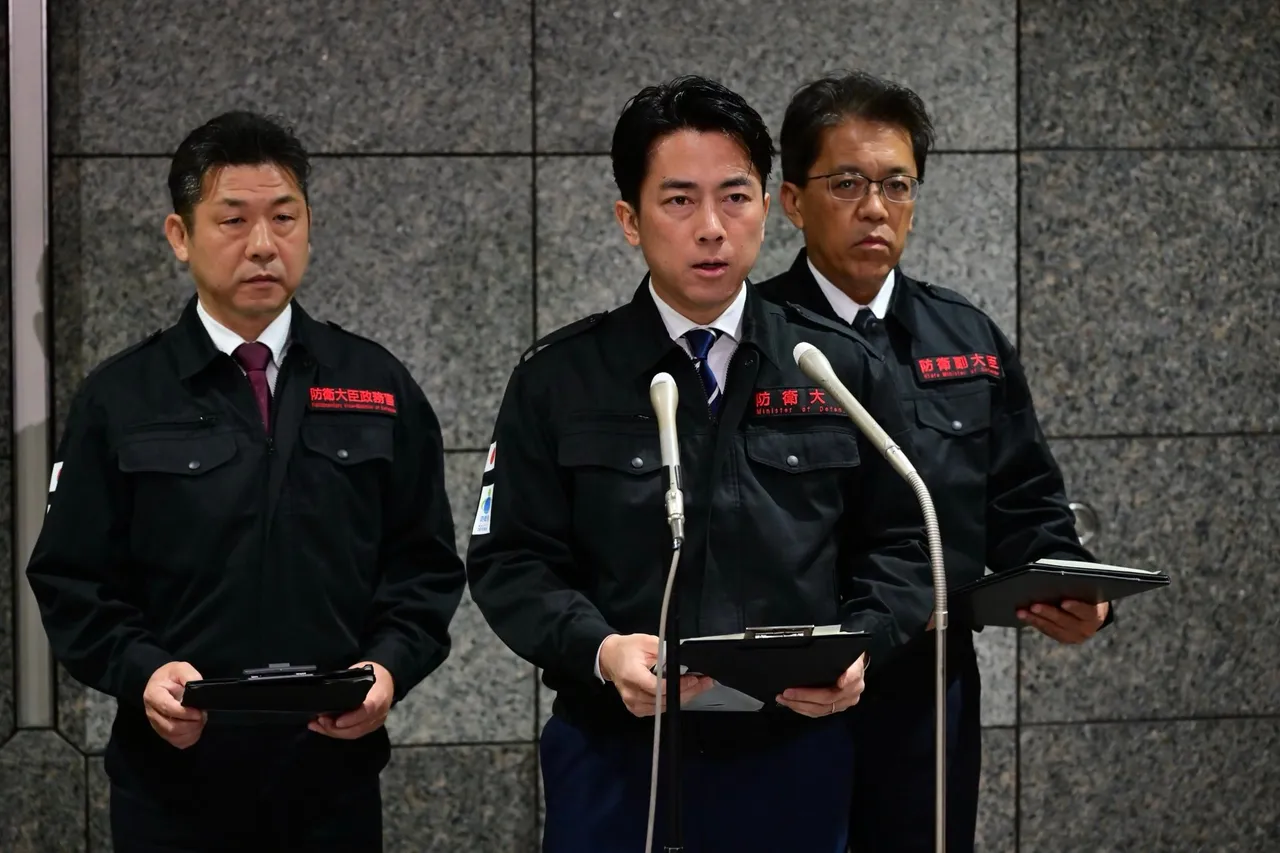
Japan's defence ministry adopts an AI vision that leaves final decisions and responsibility with humans
Japan's Defense AI Vision, issued on 27 November, sets five principles for military AI, rules out fully autonomous lethal weapons and seeks to avoid reliance on any one supplier.
TaiwanDefence · 14h ago · 2 min read
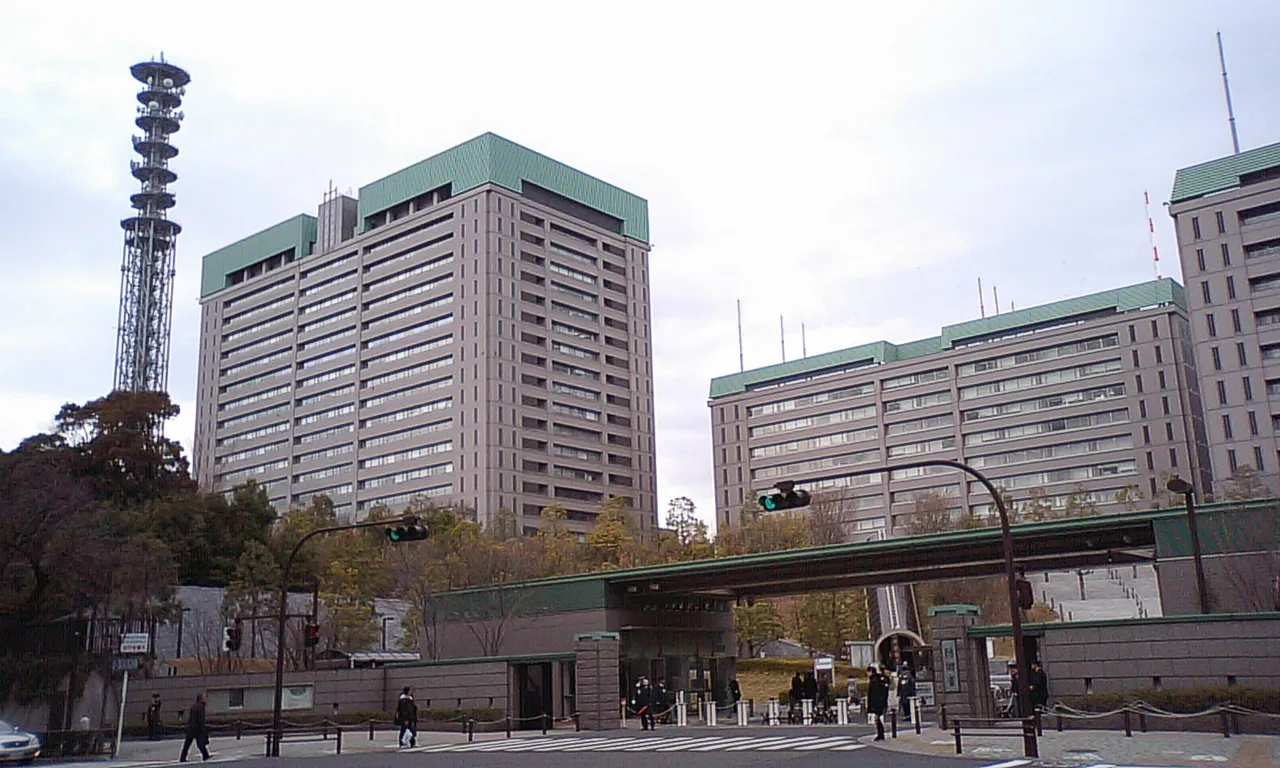
Japan weighs 56.3 trillion yen for defence over five years, well short of what its military wanted
Tokyo is said to be settling on a bigger five-year defence budget from April 2027, but one below the 80 trillion yen that defence hawks had pushed for.
TaiwanDefence · 18h ago · 2 min read
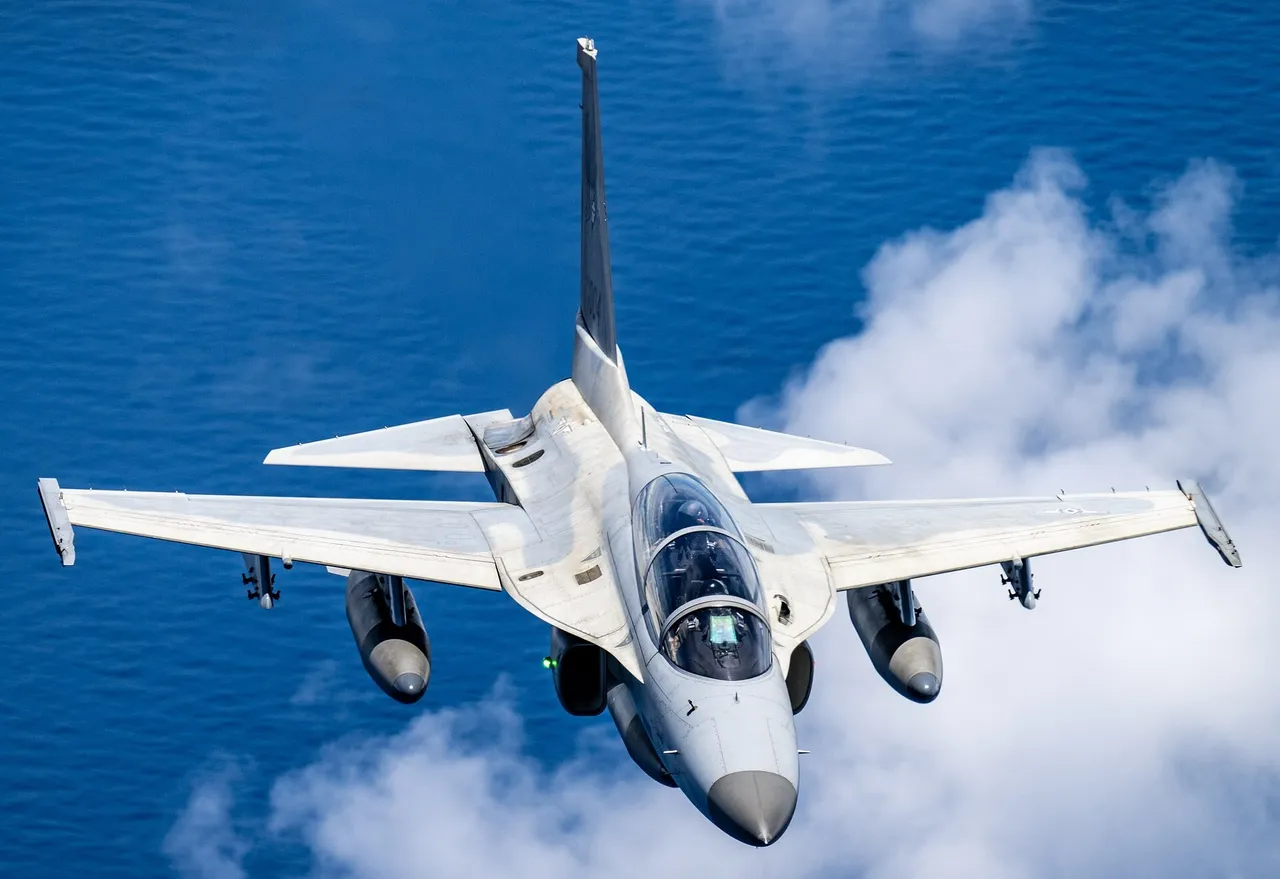
Philippine military wraps up its DAGIT-PA drill as Teodoro orders tougher cyber and supply tests for 2027
Defence Secretary Gilberto Teodoro wants next year's joint exercise to add communications failures, supply-route disruptions and short-notice locations.
TaiwanDefence · 21h ago · 2 min read
Discussion (0)
Comments are not currently available.