
ANALYSIS
Why Guam's missile shield, mapped out in November 2026, still leaves its air and naval bases waiting
A joint terrain walk and a congressional report in November 2026 show the Army racing to put 20 IFPC launchers on Guam by mid-2027, but only to guard Army sites.
TAIPEI —
This article is an original Taiwan Defence analysis based on the cited public sources. It distinguishes reported facts from analytical judgments and does not represent original field reporting.
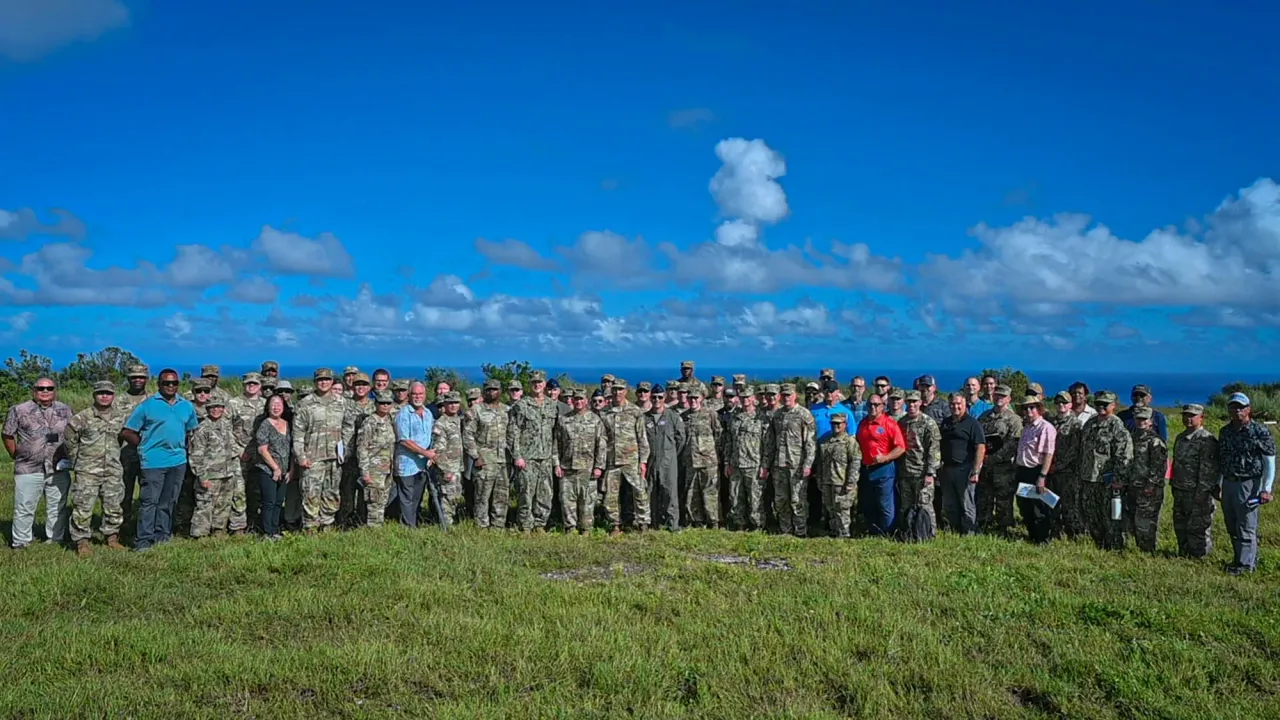
Service members from across US Pacific Command spent three days, 17 to 19 November 2026, walking sites on Guam that are meant to support the island's new air and missile defence network, the US Army said on 26 November. Planners examined the terrain and the infrastructure needed for sensor coverage, command and control and communications, and how defensive operations could be coordinated across several locations at once.
The Army framed the exercise as a joint effort. The Guam Defense System is built from pieces owned by the Army, Navy, Air Force and Missile Defense Agency, and is meant to give 360-degree protection against ballistic, hypersonic and cruise missiles, according to the release. The commander of the Army's 3rd Battalion, 43rd Air Defense Artillery Regiment said walking the ground with the other services showed how separate sensors and launchers could become one integrated defence.
Twenty launchers, one customer
The clearest schedule on the table belongs to the Army alone. A Congressional Research Service note updated on 18 November 2026 says first shipments of the Indirect Fire Protection Capability, the Army's mid-tier system against cruise missiles, drones and rockets, are planned for the first quarter of fiscal 2027, with all 20 launchers on Guam by the third quarter, which ends in June 2027. The Army told the researchers the Guam deployment is intended strictly to protect Army facilities and sites.
That caveat is the most important line in the note. The researchers list it first among their questions for Congress: whether IFPC units would be expected to defend Air Force air bases, Navy port facilities or Marine Corps sites, and whether those services are building anything similar. Asian Military Review and Army Recognition both picked up the point, the latter noting that the report gives no island-wide coverage estimate.
This matters because the Army's own sites are not the main reason Guam is a target. Andersen Air Force Base supports bomber and other air operations and Naval Base Guam supports submarines and fleet operations, Army Recognition noted, and China's DF-26 intermediate-range ballistic missile can reach the island.
A system of systems, on paper
The joint design is supposed to close those gaps. An earlier Army account of a Guam Defense System summit in August 2025 said more than 200 people from 35 organisations met to align the architecture with Indo-Pacific Command guidance, identify possible radar sites and discuss an operational sponsor for the Joint Integrated Battle Manager, the software meant to link every service's sensors and shooters. The November terrain walk, which looked again at sensor coverage and command links, suggests that layout is still being settled on the ground.
Read together, the two documents point to a sequencing problem rather than a lack of effort. The Army has hardware, money and a date. The other services' contributions for low-flying threats, and the battle manager that would let an Army launcher engage a missile heading for an air base or a ship pier, have no comparable public timetable. In a war over Taiwan, an attacker would most want to ground aircraft and close the port, not hit Army compounds. Until the joint pieces arrive, Guam's protection against cruise missiles and drones risks being strongest where it is least needed.
Interceptors are the next bottleneck
Even the Army's layer has open questions. The research service says the launcher fires AIM-9X Sidewinder missiles, that the Army wants about 1.6 billion dollars for IFPC Increment 2 in fiscal 2027, roughly double the previous request, and that in October 2026 it reportedly reopened competition for a second interceptor better suited to low, fast cruise missiles. Army Recognition pointed out that budget documents track Sidewinder buys separately, so the launcher target alone does not show how many interceptors Guam will hold.
Asian Military Review reported that the Army is also testing the Israeli Tamir missile and has asked several smaller firms to develop cheaper interceptor designs.
What to watch
Those are sensible hedges, but none has a fielding date for Guam, so the island's middle layer looks set to rely mainly on the Sidewinder when the launchers arrive. The real test of the November planning will come in 2027. Signs that the shield is becoming joint would include a named Air Force or Navy programme for defending Andersen and the naval base against cruise missiles, a fielding date for the battle manager, and interceptor numbers to go with the 20 launchers. If those do not appear alongside the Army deliveries, the island that US planners treat as the hub for any Pacific war will have a well-defended Army garrison and exposed airfields.
Sources
More in Analysis
Why Taiwan's Huanzhan air-defence network, declared ready in November 2026, is only the start of T-Dome
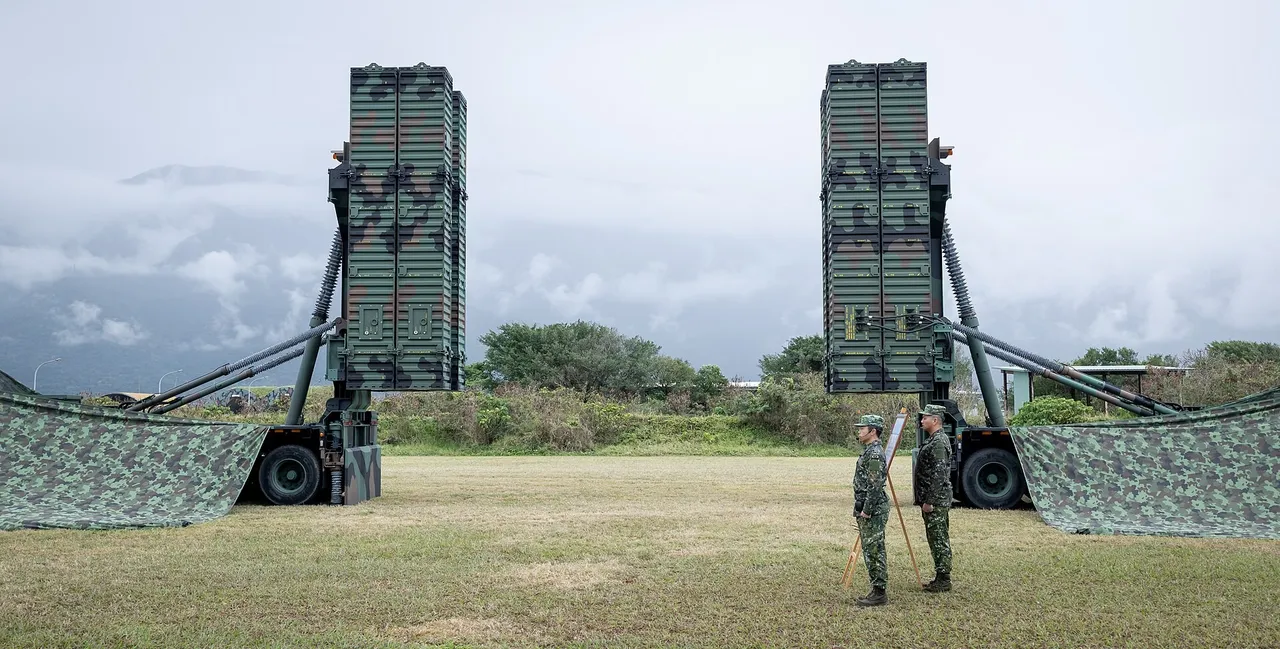
Taiwan's air force declared its joint air-defence command network combat-ready on 26 November 2026, but the AI layer, new interceptors and base links still lag.
TaiwanDefence · 23h ago · 4 min read

Why India's November 2026 MH-60R milestone still leaves its warships short of helicopters
In November 2026 the US finished handing over India's 24 MH-60R helicopters, a year late. The navy's new warships are still arriving faster than helicopters.
TaiwanDefence · 2d ago · 4 min read
Why the Marines' November 2026 push for a longer-range Naval Strike Missile matters around Taiwan
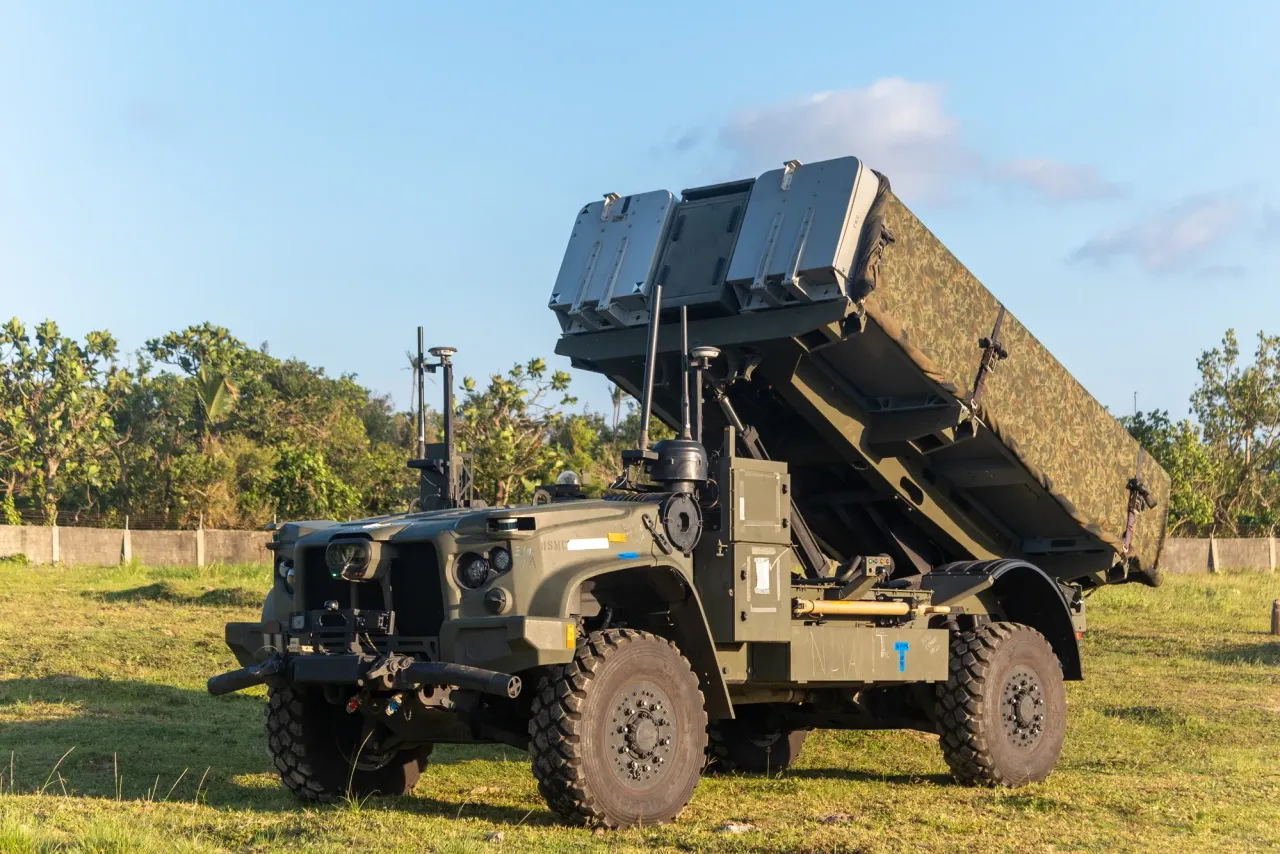
In November 2026 the Marines said they are studying how to double the NSM's 250 km reach. Yonaguni and the Batanes show what that could and could not change.
TaiwanDefence · 2d ago · 4 min read
Discussion (0)
Comments are not currently available.