
ANALYSIS
Why the Marines' November 2026 push for a longer-range Naval Strike Missile matters around Taiwan
In November 2026 the Marines said they are studying how to double the NSM's 250 km reach. Yonaguni and the Batanes show what that could and could not change.
TAIPEI —
This article is an original Taiwan Defence analysis based on the cited public sources. It distinguishes reported facts from analytical judgments and does not represent original field reporting.
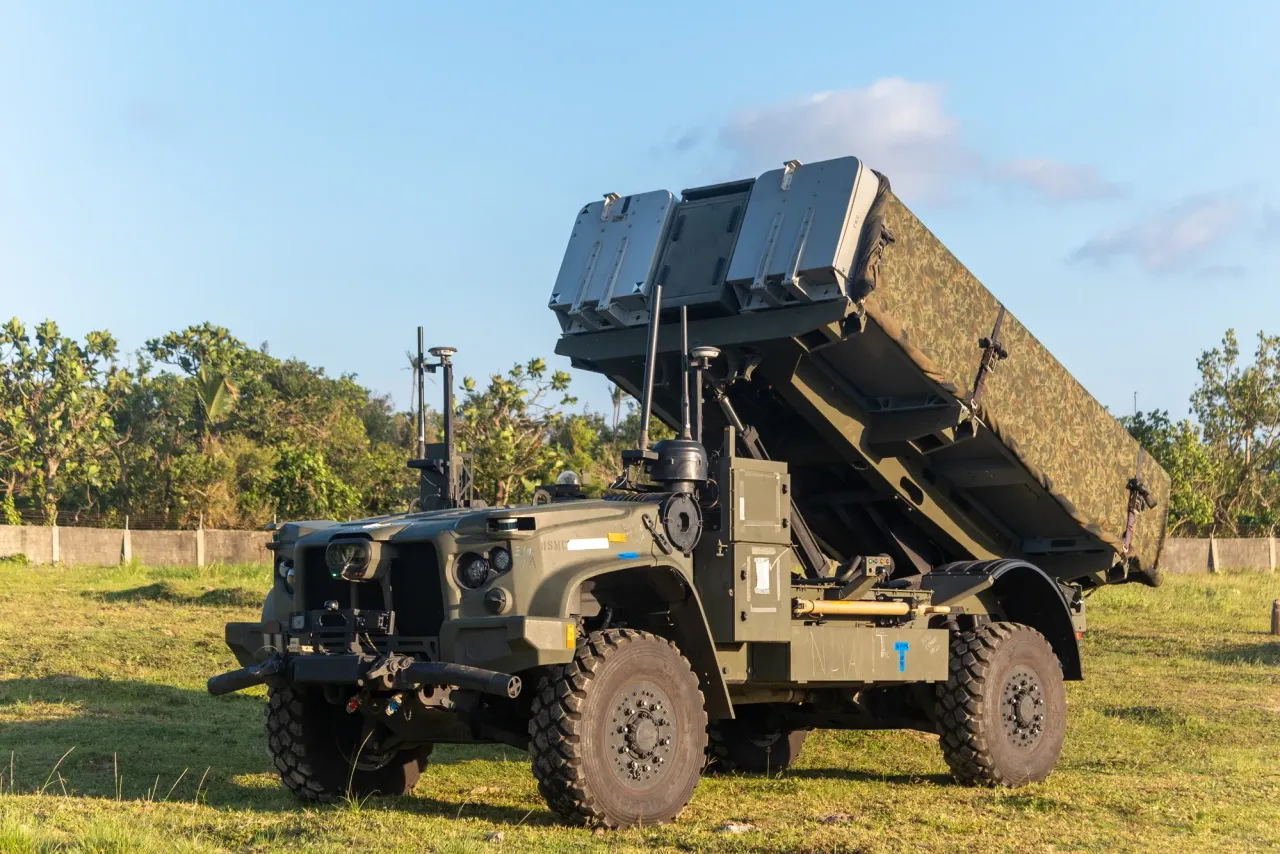
A US Marine Corps spokesperson told The War Zone on 23 November 2026 that the Naval Strike Missile fired from the service's NMESIS launchers has a range of 135 nautical miles, about 250 km, and that the Marines are exploring ways to more than double it. The Corps has not said how the extra reach would be found, what it would cost or when a longer-range missile could be ready, Defence Industry Europe noted the next day.
Read against the map, the study matters most around Taiwan. A missile with roughly 500 km of reach would let a handful of launchers on Japan's Yonaguni Island or the Philippines' Batanes Islands cover the approaches to Taiwan's northern and eastern ports and most of the Luzon Strait. Yet range alone will not decide its worth. Launcher numbers, targeting data and the ability of small island garrisons to survive under fire matter at least as much.
What the Marines have said
The Naval Strike Missile was developed by Norway's Kongsberg and is produced with Raytheon for US forces. It is a stealthy, high-subsonic cruise missile that flies to a target area on GPS-aided inertial navigation and then homes with a passive imaging infrared seeker, and it has a secondary land-attack role. Earlier versions were credited with about 100 nautical miles before the Block 1A variant raised the stated figure, and Kongsberg's latest literature lists more than 300 km.
The War Zone suggested that a lighter warhead or better fuel economy and capacity could be among the options. It calculated that doubling the reach would roughly quadruple the sea area a single launcher can threaten, from about 57,000 to about 229,000 square nautical miles. Each uncrewed ROGUE-Fires launcher, built on a Joint Light Tactical Vehicle, carries two missiles, three launchers form a section and a full medium-range missile battery has 18 launchers.
The programme already has money and an industrial base behind it. Army Recognition cited US budget documents for fiscal 2026 that plan 90 missiles for the Marines and 16 for the Navy, worth about 199.9 million dollars in procurement plus 19.1 million dollars for research and testing. On 28 September 2026 Kongsberg announced a framework agreement with the Marines worth up to 404 million dollars for launchers, fire-control equipment and support through 2034. In October the 1st Battalion, 10th Marine Regiment became the Corps' first dedicated medium-range missile battalion.
The geography around Taiwan
The 3rd Marine Littoral Regiment in Hawaii received NMESIS in November 2024 and the 12th Marine Littoral Regiment on Okinawa followed in June 2026, according to Defence Industry Europe. Marines have since moved launchers during Balikatan in the Philippines and the Keen Sword exercise in Japan. In October that exercise put NMESIS elements on Yonaguni, about 65 nautical miles east of Taiwan, The War Zone reported, and its own map showed how a battery in the Batanes could already create a denial zone over much of the Luzon Strait.
Asia Times argued on 25 November that a longer missile would deepen that coverage in two directions. From the Batanes it would reach more of the waters Chinese warships must cross to complete a blockade of Taiwan or break out into the western Pacific. From Yonaguni it could reach ships off Keelung, Suao and Hualien, the ports Taiwan would need for resupply, though it would do nothing against submarines, sea mines or missile strikes on the ports themselves.
The study also fills a gap left by the Marines' decision to drop plans for ROGUE-Fires launchers armed with Tomahawk cruise missiles. A 500 km Naval Strike Missile would still fall far short of Tomahawk's reach of roughly 1,000 miles, The War Zone noted. Asia Times pointed out, citing Congressional Research Service reports, that the US Army's Typhon battery of four tractor-trailer launchers and support vehicles is hard to hide on small islands, while NMESIS fits on a light truck that can shuttle between firing positions.
The limits
Asia Times also set out why a longer reach would not settle the contest. Chinese surface groups rarely sail alone and operate under layers of submarines, fighters, area air-defence destroyers, decoys and close-in guns, which lower the odds that a subsonic missile gets through. Islands such as Yonaguni and the Batanes lack room for dispersed magazines and hardened shelters, and once local air defences run short of interceptors, launchers become exposed whenever they leave cover to fire.
Range also raises the bar for targeting. A missile that can fly 500 km is only useful if someone can find and track a ship that far away and pass the data to a launcher in time. Army Recognition argued that the Marines' investment in precision weapons has to be matched by work on communications, intelligence sharing, transport and sustainment, and that is where the harder questions lie.
What to watch
The next signals will be concrete ones: a formal requirement or contract for an extended-range missile, a line in the Marines' next budget request, a test firing, and whether Japan and the Philippines allow launchers to stay on Yonaguni and in the Batanes for longer than an exercise. Until then the 23 November statement shows intent rather than a new capability, but it points to the waters around Taiwan as the place where the Marines want their missiles to reach further.
Sources
More in Analysis
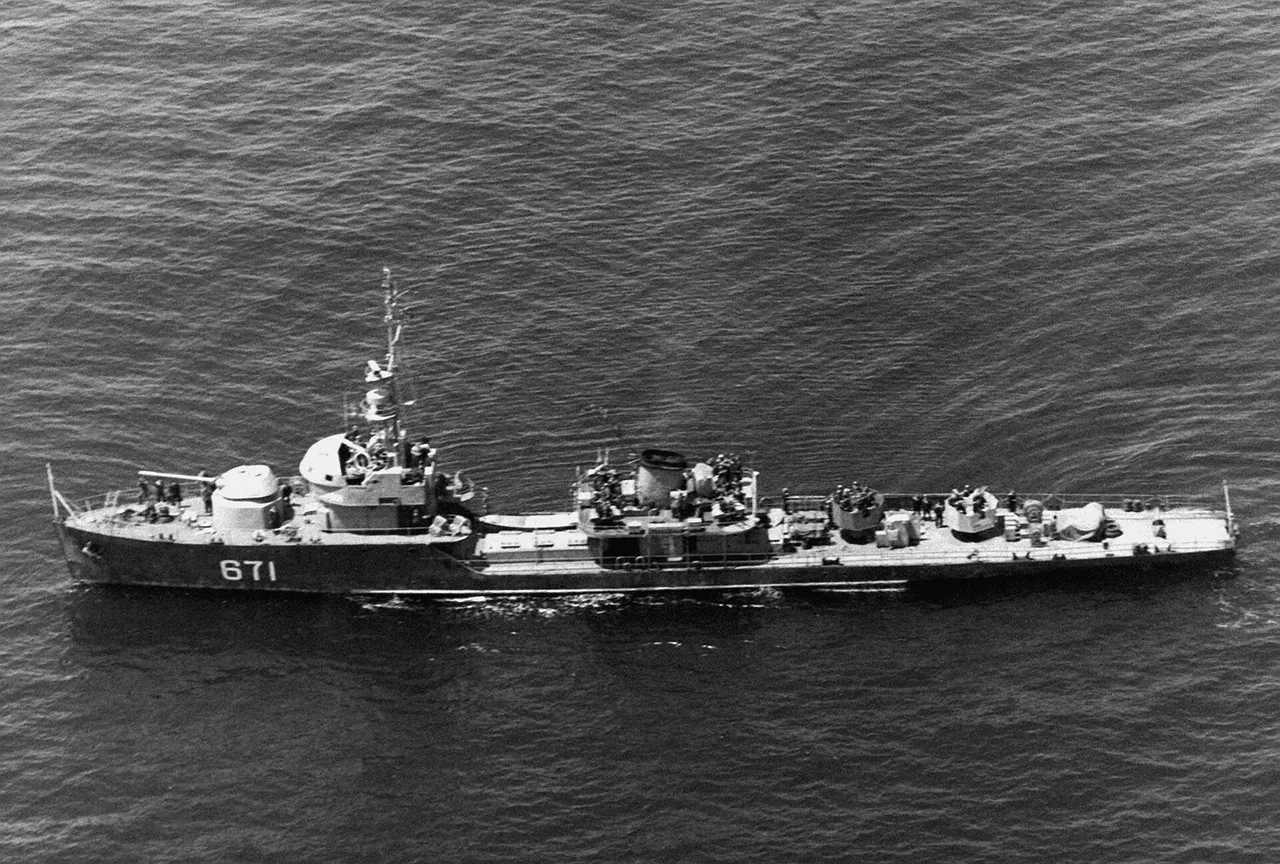
Why North Korea's big new destroyers, tracked in November 2026, still need Russia and cannot fight alone
Imagery published in November 2026 shows two 5,000-ton destroyers settling in and yards growing, but the ships lack air and submarine cover and lean on Russia.
TaiwanDefence · 1d ago · 4 min read
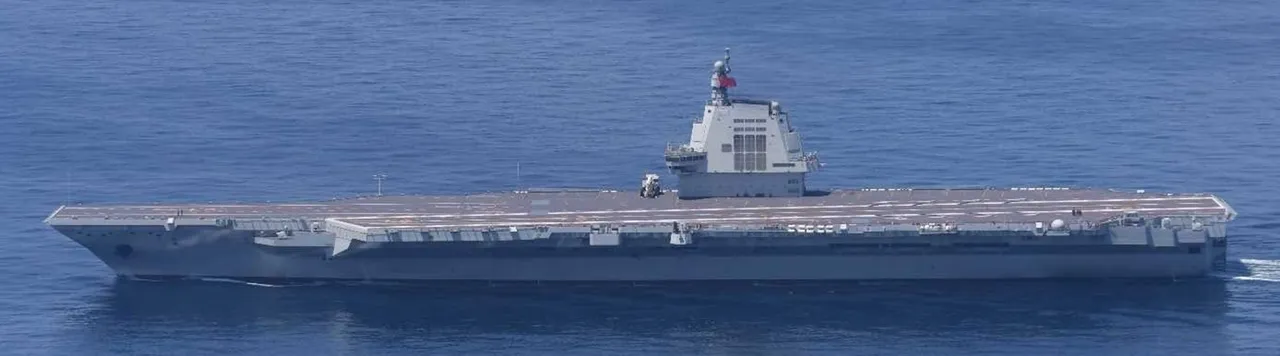
Why China's fourth carrier, seen taking shape in November 2026, is about endurance more than the strait
Imagery from 12 November 2026 shows the Type 004 hull filling out at Dalian. Nuclear power would let China keep a big carrier at sea far from its coast.
TaiwanDefence · 2d ago · 4 min read
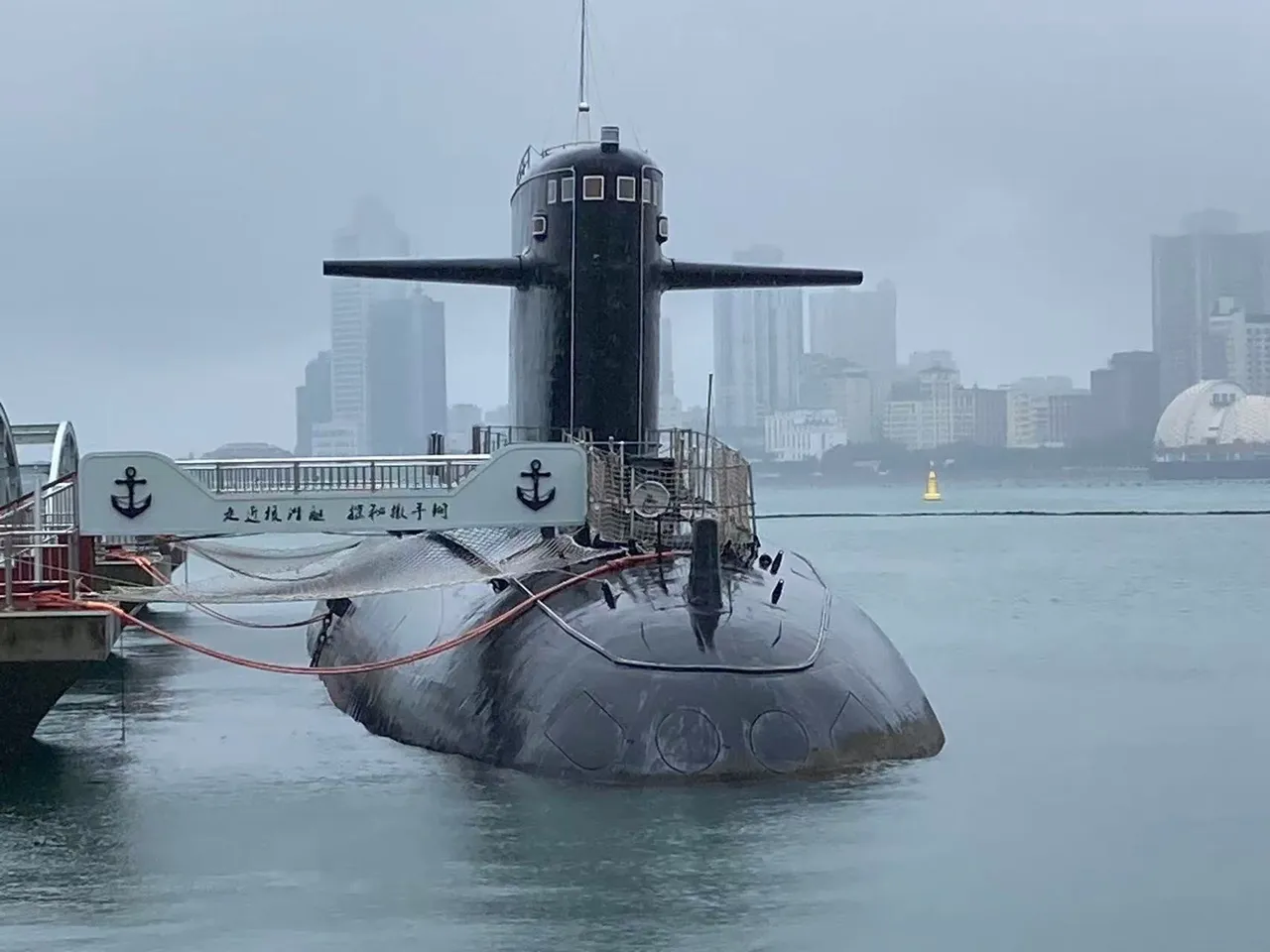
Why China's third new nuclear submarine, seen in November 2026, is aimed at Taiwan's helpers
Satellite images from 6 November 2026 show a third Type 095 boat at Huludao; its range and missiles point at US forces sailing to Taiwan's aid.
TaiwanDefence · 3d ago · 3 min read
Discussion (0)
Comments are not currently available.