
Japan's defence ministry adopts an AI vision that leaves final decisions and responsibility with humans
Japan's Defense AI Vision, issued on 27 November, sets five principles for military AI, rules out fully autonomous lethal weapons and seeks to avoid reliance on any one supplier.

TAIPEI —
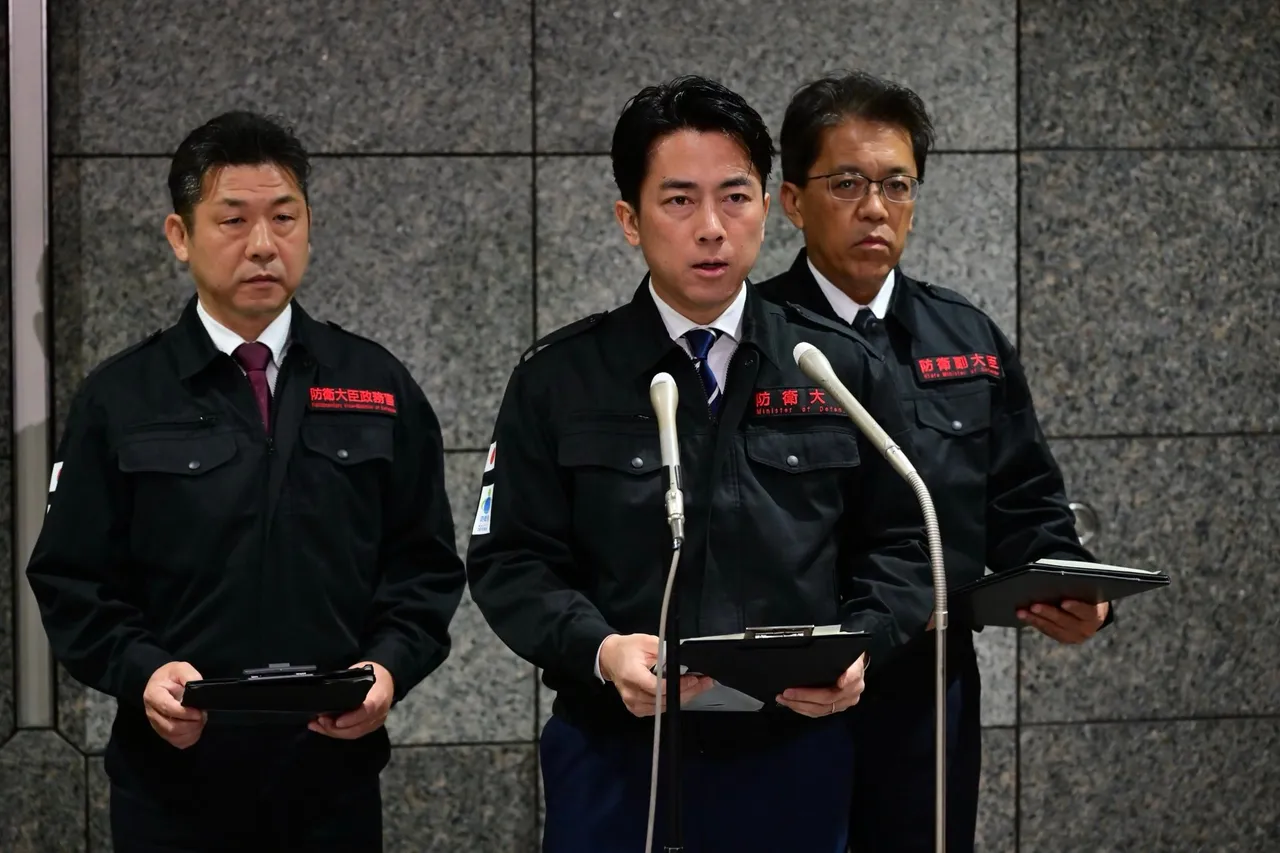
Japan's Ministry of Defense said on Friday 27 November that it had adopted a new Defense AI Vision, a policy meant to tie artificial intelligence and data to the strengthening of the country's defence capabilities. The document replaces the basic policy on promoting AI use that the ministry drew up in July 2024, and it sets out five principles under which the Self-Defense Forces are to use the technology.
The first principle is that people, not machines, make the final decision and carry responsibility for it, with oversight matched to the use, impact and risk of each system and the ability to step in when needed. The others call for responsible use under domestic and international law, including international humanitarian law; safety, reliability, transparency and accountability checked before and during use; the ability to keep using the necessary technology and data without leaning too heavily on particular companies; and rapid adoption built around concrete mission needs.
In the summary released with the vision, the ministry also stated that it has no intention of developing fully autonomous lethal weapons that operate beyond human involvement.
From human involvement to human responsibility
Defence Minister Shinjiro Koizumi told reporters on Friday that the aim was not the use of AI and data as such, but to turn information into action faster and change the way Japan's defence power is exercised. He said the new vision builds on the 2024 policy, which had already called for human involvement, but now spells out that judgement and responsibility rest with people and that the limits of what is delegated to AI must be set in advance.
The Sankei Shimbun noted that the earlier policy had spoken only of ensuring human involvement, and that the new wording makes clearer who is accountable. The paper added that concerns about AI being misused for disinformation and cyber attacks leave safety as an open challenge for the ministry.
The document describes three shifts it wants to bring about: moving information quickly into decisions and action, keeping humans in command and responsible, and having the ministry itself choose, assess and keep improving the AI it uses. It lists areas of use that include sorting and analysing intelligence, supporting commanders' decisions, protecting personnel through remote operation and robotics, cyber defence, logistics and maintenance, administrative work, and training.
Data chief and an action plan with deadlines
Koizumi said the ministry would build a department-wide data management team under its chief digital officer so that the ground, maritime and air forces can share data, which he called essential for joint operations. He said an implementation plan with priority projects would follow, with progress checked against deadlines such as 30, 60 and 90 days.
The Yomiuri Shimbun reported that the vision also covers what it called AI sovereignty, meaning Japan should not lose its freedom to choose and keep using the systems it relies on. It said the government plans to write the introduction of AI-based systems to speed up Self-Defense Forces decision-making into the three national security documents due to be revised in December, and that the ministry will draw up its implementation plan after the new year.
Sources
More in Indo-Pacific
Japan weighs 56.3 trillion yen for defence over five years, well short of what its military wanted
Tokyo is said to be settling on a bigger five-year defence budget from April 2027, but one below the 80 trillion yen that defence hawks had pushed for.
TaiwanDefence · 5h ago · 2 min read
Philippine military wraps up its DAGIT-PA drill as Teodoro orders tougher cyber and supply tests for 2027
Defence Secretary Gilberto Teodoro wants next year's joint exercise to add communications failures, supply-route disruptions and short-notice locations.
TaiwanDefence · 8h ago · 2 min read
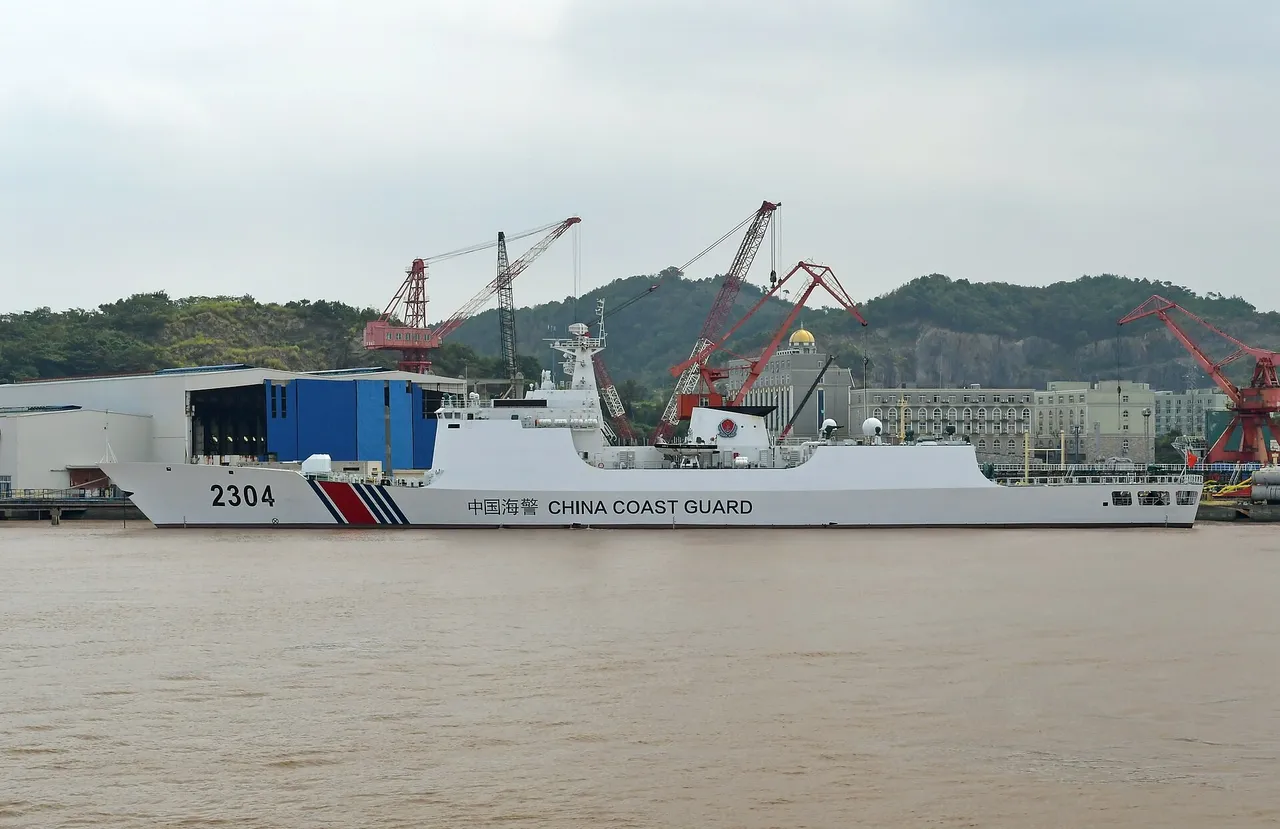
Two armed Chinese coast guard ships enter Senkaku waters and try to approach a Japanese fishing boat
The intrusion off Minamikojima was the first since 9 November; Japan says it is the fifth time this year Chinese ships have closed on a Japanese fishing boat there.
TaiwanDefence · 12h ago · 2 min read
Discussion (0)
Comments are not currently available.