Fiji's first military alliance, with Australia, takes effect with a pledge to meet any attack in the Pacific
The Veitacini Treaty took effect on 26 November, three weeks after Fiji's parliament approved it despite a committee's call to reopen talks over visiting forces and sovereignty.

TAIPEI —
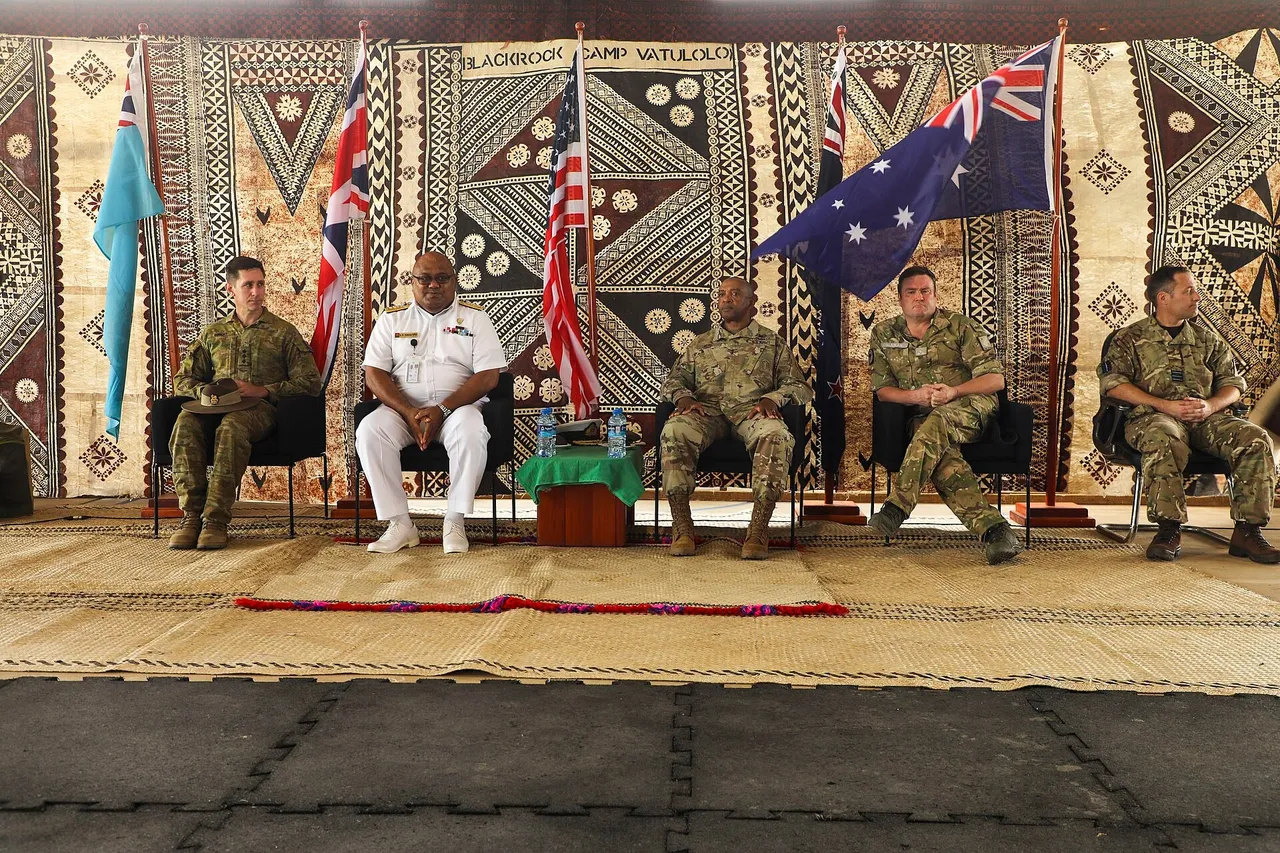
Fiji's first military alliance with any country has entered into force. Prime Ministers Sitiveni Rabuka of Fiji and Anthony Albanese of Australia said in a joint statement on 26 November that the Ocean of Peace Alliance, known as the Veitacini Treaty, and the broader Vuvale Union were now in effect. Under the alliance, the two countries acknowledge that an armed attack on either of them within the Pacific would endanger their own peace and security and that of the region, and declare that they would act to meet the common danger in accordance with each country's domestic processes.
The treaties took effect after diplomatic notes for the Vuvale Union were exchanged and Fiji handed over its instrument of ratification for the alliance at the Office of the Prime Minister in Suva on the morning of 26 November, in a ceremony attended by Rabuka and the Australian High Commissioner to Fiji, Peter Roberts, The Fiji Times reported.
The leaders described the alliance as a historic but natural step that reflects long-standing defence cooperation and the two countries' record of supporting each other's security and that of the region. They said Fiji had first proposed the pact and that, in a changing and challenging strategic environment, the two were stronger together. The alliance is open to accession by other Pacific nations if the existing parties agree.
The Vuvale Union is the wider framework. It commits the two governments to cooperation on transnational crime and illicit drugs, health, infrastructure and economic security, as well as education, skills, sport and mobility. Implementation is to be driven by an officials-level body called the Vuvale Bukmak and a ministerial-level Vuvale Forum.
Entry into force closes a contested ratification. Fiji's parliament approved both treaties on 6 November by 27 votes to seven, with one abstention and 18 members not voting, after its Standing Committee on Foreign Affairs and Defence had recommended deferring ratification and reopening talks with Australia. During the debate, opposition MP Virendra Lal, a member of that committee, argued that the alliance would place foreign military personnel on Fijian soil under its Article 7, constrain Fiji's foreign policy under Article 10 and risk drawing Fiji into a Taiwan Strait or South China Sea conflict through Australia's other alliances.
Defence Minister Pio Tikoduadua rejected that reading in parliament, saying the treaty covers only the defence of Fiji and Australia and that no one would be going to the Taiwan Strait. Rabuka told lawmakers the treaties do not transfer Fiji's sovereignty or give Australia authority over its foreign, defence or security decisions. Foreign Minister Sakiasi Ditoka said the accompanying commitments amount to more than A$1 billion over ten years, made up of about A$674 million in grants and A$350 million in concessional loans.
With the treaty in force, attention turns to how the alliance is put into practice, including any arrangements for visiting forces that critics in Suva have questioned, and to whether other Pacific island states seek to join under its accession clause.
Sources
More in Indo-Pacific
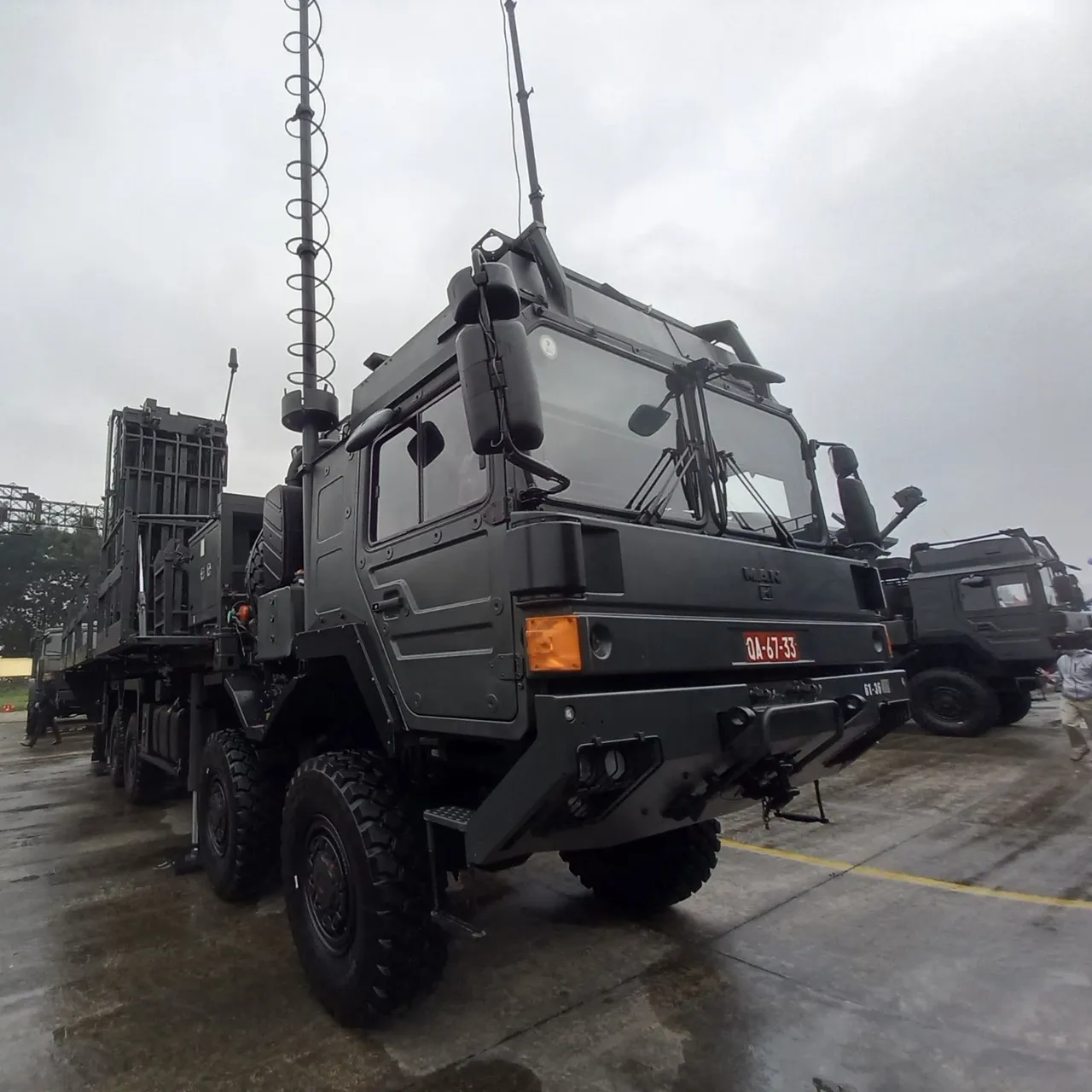
Vietnam rehearses a layered air defence dome over Hanoi and puts drones at the top of the threat list
Defence Minister Phan Van Giang watched a 40-minute live-fire drill on 27 November and told units to hunt down drone operators, not just shoot at drones.
TaiwanDefence · 10h ago · 3 min read
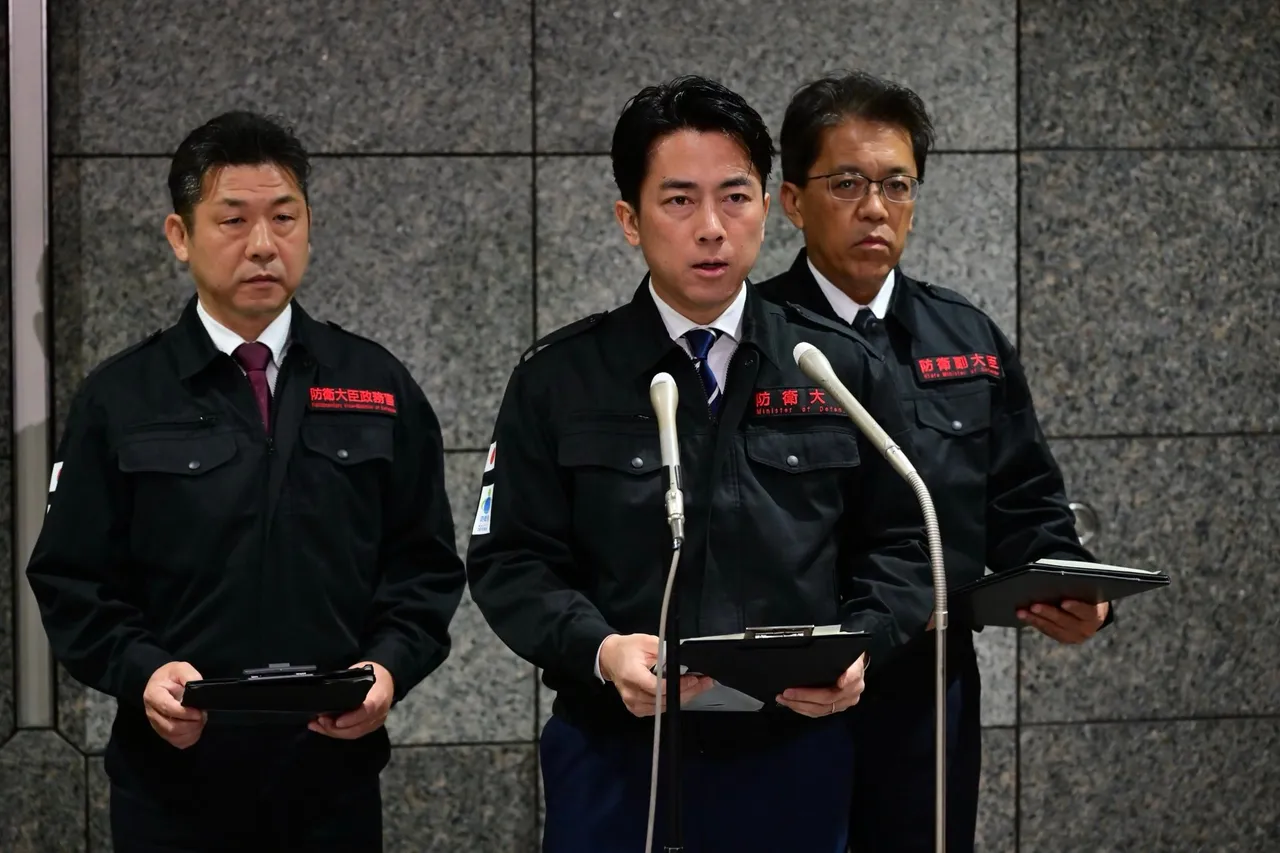
Japan's defence ministry adopts an AI vision that leaves final decisions and responsibility with humans
Japan's Defense AI Vision, issued on 27 November, sets five principles for military AI, rules out fully autonomous lethal weapons and seeks to avoid reliance on any one supplier.
TaiwanDefence · 18h ago · 2 min read
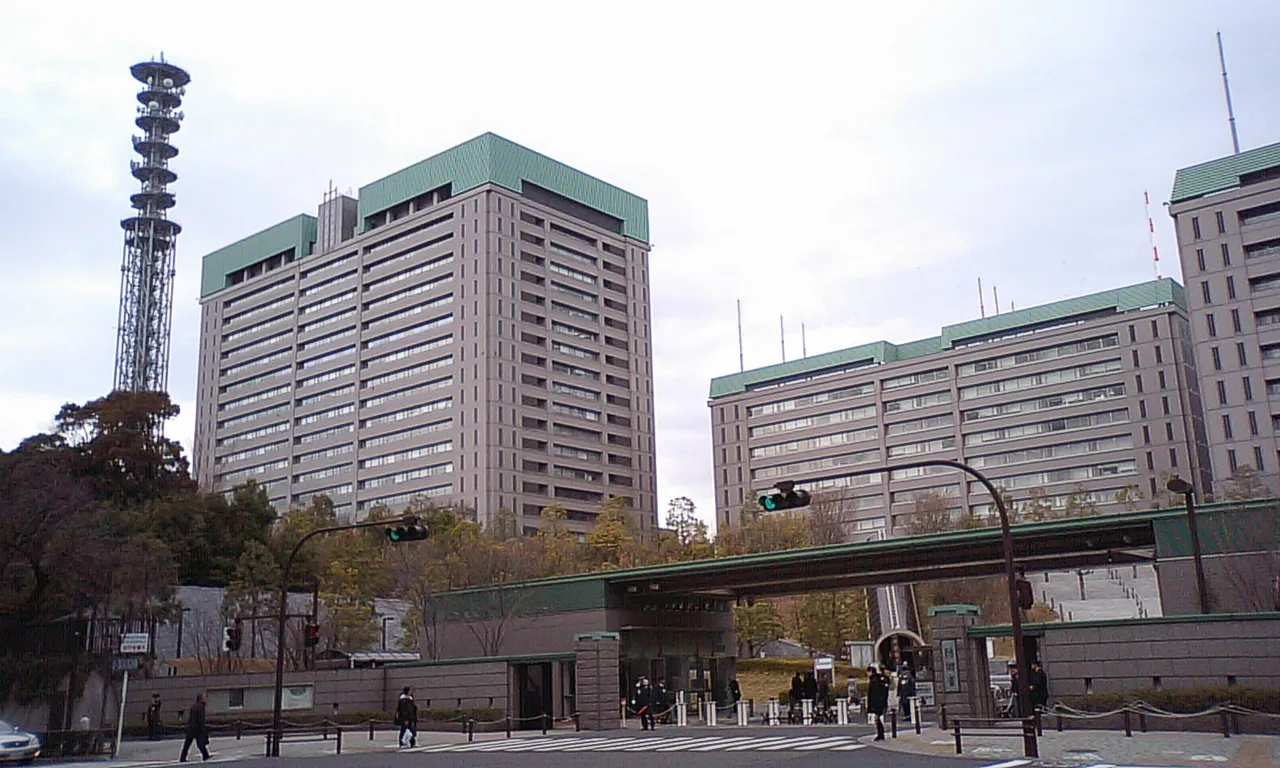
Japan weighs 56.3 trillion yen for defence over five years, well short of what its military wanted
Tokyo is said to be settling on a bigger five-year defence budget from April 2027, but one below the 80 trillion yen that defence hawks had pushed for.
TaiwanDefence · 22h ago · 2 min read
Discussion (0)
Comments are not currently available.