
ANALYSIS
Why South Korea is turning to drone-armed reservists as its active army shrinks towards 2040
A 27 November 2026 visit to the 72nd Infantry Division showed Seoul's plan for 100 reserve drone units by 2030 and 50,000 standing reservists by 2040, a bet that covers only part of the gap.

TAIPEI —
This article is an original Taiwan Defence analysis based on the cited public sources. It distinguishes reported facts from analytical judgments and does not represent original field reporting.
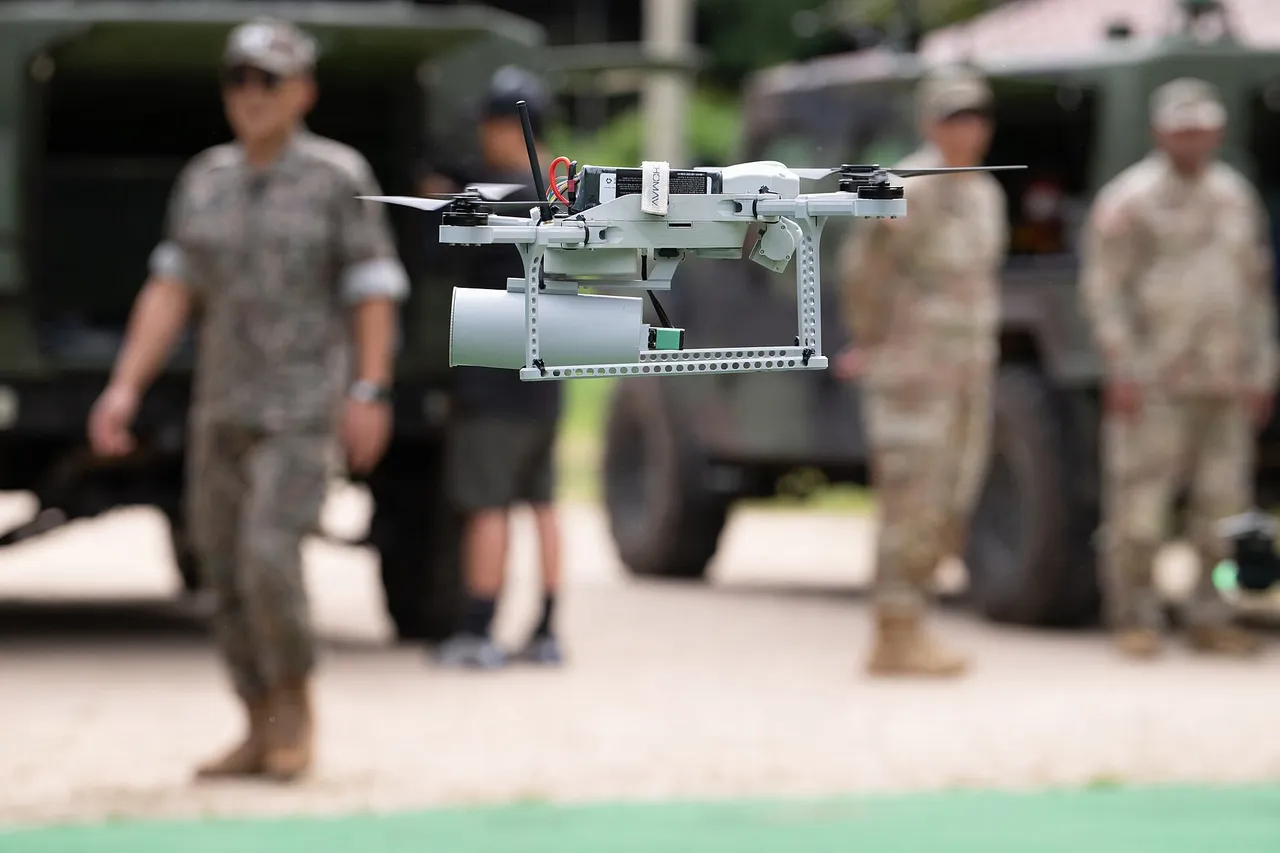
On 27 November 2026 South Korea's defence minister, Kang Shin-chul, went to the Army's 72nd Infantry Division, a reserve mobilisation division north of Seoul, to inspect a pilot unit that turns reservists into drone operators. The visit was small, but the plan behind it is not: Seoul wants reserve units built around drones and robots to carry part of the load as its active-duty force shrinks over the next 15 years.
The pilot is a drone and robot company formed inside the 72nd Division. Its core is made up of civilian drone specialists who have been selected as standing reservists, part-time soldiers, so that the unit runs in peacetime rather than existing only on a mobilisation list. The ministry described the company as the first step in moving reserve units away from a structure based on sheer numbers of troops towards one based on unmanned combat systems.
The targets are ambitious. The ministry said the reserve drone and robot units would grow to 10 in 2027 and to 100 by 2030. It also plans to enlarge the standing reserve, including a new category of drone-specialist standing reservists, to 50,000 people by 2040, and to bring the drones, robots and other modern equipment of reserve units up to the same level as active-duty units.
The ministry's own release framed the effort around what it called the settled future of a smaller standing force. That wording matters. Seoul is no longer treating the fall in conscript numbers as a risk to be avoided but as a fixed planning assumption, and the reserve, long seen in South Korea as a pool of former conscripts called up for a few days of training, is being recast as a place to put scarce technical skills.
The arithmetic behind the plan
The scale of the problem has been laid out by officials over the past months. In July a defence ministry official said standing forces would fall to between 350,000 and 400,000 by 2040, Newsis recalled in its 27 November report. In October the Seoul Economic Daily reported that a draft basic plan for defence reform would cut the active force, now about 480,000, by 130,000 in three stages to 2030, 2035 and 2040, while adding standing reservists and civilian staff to keep total defence manpower at about 500,000. The same draft would raise the share of officers and non-commissioned officers among active troops from 40 per cent to 63 per cent and expand drone and other unmanned forces to about 30 times their current size. The paper said the plan still needed the minister's sign-off, the defence reform committee's approval and the president's endorsement before being finalised and published this year.
Set against those numbers, the reserve plan covers only part of the gap. Even if the standing reserve reaches 50,000 by 2040, it would replace well under half of the 130,000 active posts the draft reform would remove. The rest would have to come from civilian staff, a larger professional cadre and machines, which is why the reserve drone units and the 30-fold growth in unmanned systems belong to the same bet.
What the pilot shows, and what it does not
Kang told the reservists at the 72nd Division that reserve forces with real combat skills and expertise were now a core part of the military, and said active and reserve forces should grow together as a single warrior community able to win against any threat. The ministry said it would go on reforming the structure, manpower management and training system of reserve units as a whole.
The release did not say how much the expansion would cost, how many drone specialists the ministry expects to recruit each year or what drones the reserve companies would fly. Nor did it say how the pilot company has performed. Moving from one company to 10 within a year and to 100 within four would depend on persuading enough civilians with drone skills to sign up for part-time service, and on equipping reserve units on a par with active ones at the same time as the active force shifts towards a larger professional cadre.
Three markers will show whether the plan is real. The first is the final defence reform basic plan, which the Seoul Economic Daily said was due to be confirmed and published by the end of 2026. The second is whether 10 reserve drone and robot units actually stand up in 2027, as the ministry promised on 27 November. The third is how the standing reserve grows towards its 50,000 target, the clearest sign of whether South Korea can attract the skilled part-time soldiers on which this part of its future force depends.
Sources
More in Analysis
Why Guam's missile shield, mapped out in November 2026, still leaves its air and naval bases waiting
A joint terrain walk and a congressional report in November 2026 show the Army racing to put 20 IFPC launchers on Guam by mid-2027, but only to guard Army sites.
TaiwanDefence · 6h ago · 3 min read
Why Taiwan's Huanzhan air-defence network, declared ready in November 2026, is only the start of T-Dome
Taiwan's air force declared its joint air-defence command network combat-ready on 26 November 2026, but the AI layer, new interceptors and base links still lag.
TaiwanDefence · 1d ago · 4 min read
Why India's November 2026 MH-60R milestone still leaves its warships short of helicopters
In November 2026 the US finished handing over India's 24 MH-60R helicopters, a year late. The navy's new warships are still arriving faster than helicopters.
TaiwanDefence · 2d ago · 4 min read
Discussion (0)
Comments are not currently available.