
Hackers breach the US Air Force's Cloud One platform as the Pentagon insists its systems are secure
The intrusion, found during an upgrade, has frozen updates on a cloud that hosts air defence and munitions-tracking software, and Cyber Command has been called in to assess the damage.

TAIPEI —
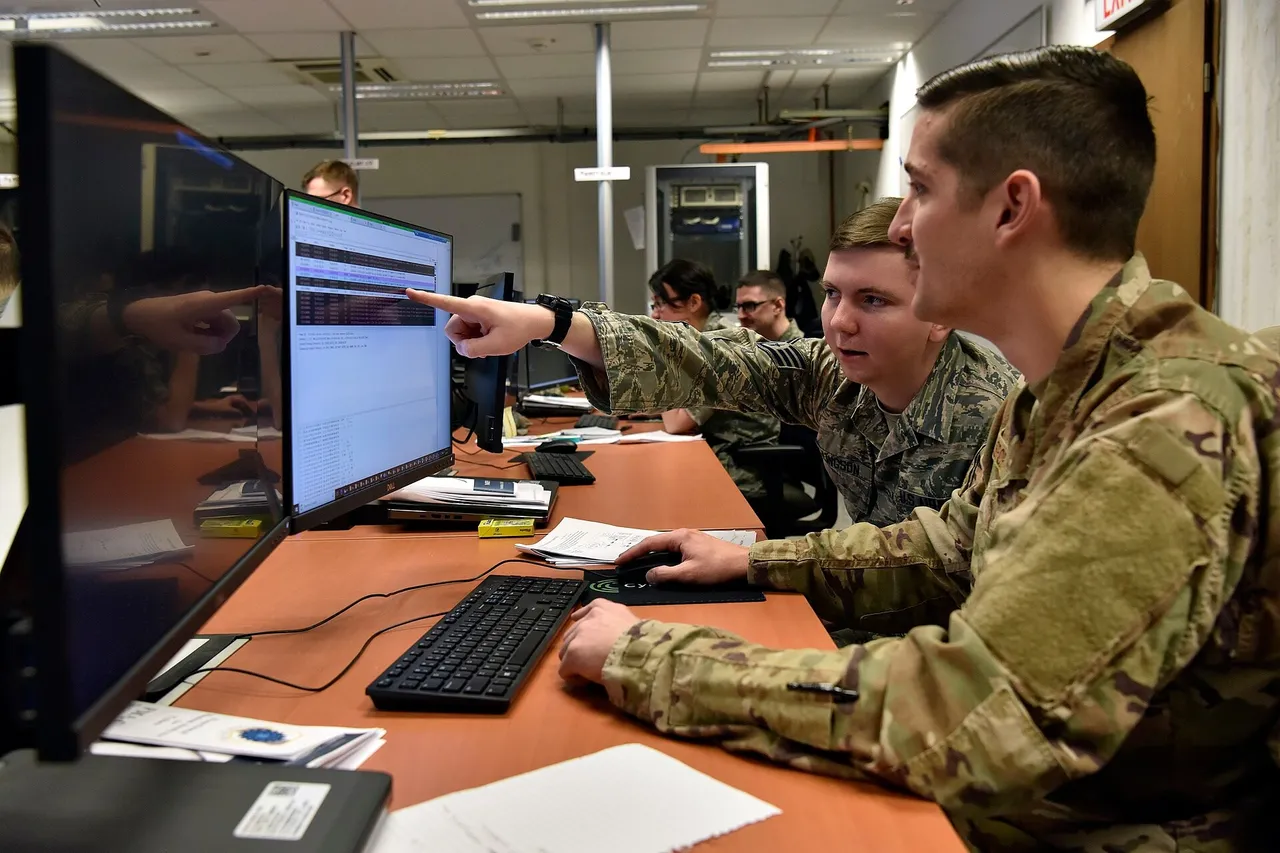
Hackers have broken into Cloud One, the US Air Force's flagship cloud computing platform, Reuters reported on 27 November, citing three people familiar with the matter. Two of them said the intrusion was found within roughly the past month while the system was being upgraded, and that the discovery has disrupted work across the platform.
A US official separately confirmed the hack to NBC News on Friday but could not say when it took place or what it affected. NBC reported that the breach could have exposed sensitive military information.
Reuters could not establish who the hackers were, how far the intrusion reached or whether anything was stolen. One source told the agency that the intruders used a software vulnerability to reach the platform's control plane. In theory that kind of access could let an intruder check the operational status of military aircraft or follow the movement of spare parts, the source said, although it was unclear whether the hackers did either.
Cloud One runs scores of Air Force applications, from personnel and pay systems to logistics and maintenance software, according to Reuters. Among them are Cloud-Based Command and Control, which brings together air defence radar and other feeds from across North America, and the Theater Integrated Combat Munitions System, which tracks bombs and missiles at more than 200 US Air Force locations around the world.
The fallout has already slowed the service. Efforts to move back-office applications onto Cloud One, a long-standing military priority, have been paused, and updates to applications already running on the platform have been blocked, several sources told Reuters. That has left Air Force personnel unable to apply fixes at a time when a fresh batch of serious software vulnerabilities is being disclosed across the industry. Some users have also had their administrator rights withdrawn, one source said.
Investigators have called in US Cyber Command, the military's cyber force, to assess the damage, according to one of the people who spoke to Reuters. Two sources described Cloud One as one of the biggest cloud platforms in the US military.
The Air Force declined to discuss the case. A spokesperson said the service does not comment on the security posture, vulnerabilities or operational status of specific networks and systems, and told Reuters that it continuously takes prudent measures to protect its information, systems and mission capabilities.
The Pentagon did not specifically deny the breach. Late on Friday a defence official told AFP that the department's systems were safe and secure and were managed around the clock by expert teams, and that all mission-critical operations and applications would be maintained. Earlier the same day an official said that, as a matter of policy and operations security, the department does not comment on the status of its networks.
Cloud One was set up in 2017 as a one-stop shop for the Air Force's computing needs, drawing on resources from Microsoft, Amazon, Oracle and Alphabet. SAIC was the prime contractor until 2026, when Leidos took over, Reuters said. SAIC did not respond to the agency, and Leidos referred questions to the Air Force.
The reported intrusion follows a string of other recently disclosed cyber incidents at US federal agencies, including reported breaches at the FBI, the CIA and the Treasury Department. It is not clear whether any of them are connected, BleepingComputer noted.
Sources
More in Air Force
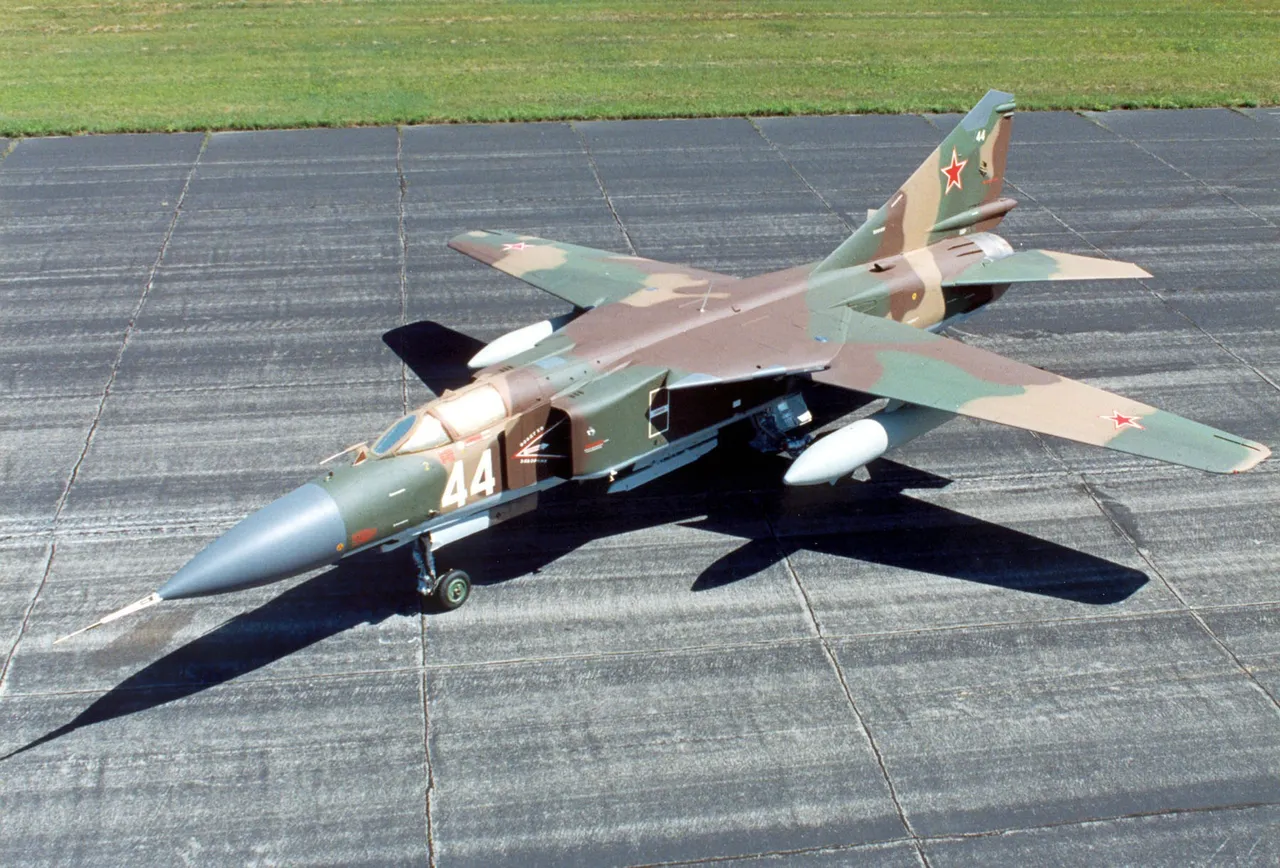
North Korea's Bukchang air base appears back in use after three years of rebuilding
Satellite imagery shows MiG-23 fighters back on the apron at the renovated base, while groundwork at Panghyon points to an air force display for Aviation Day on 29 November.
TaiwanDefence · 32m ago · 2 min read
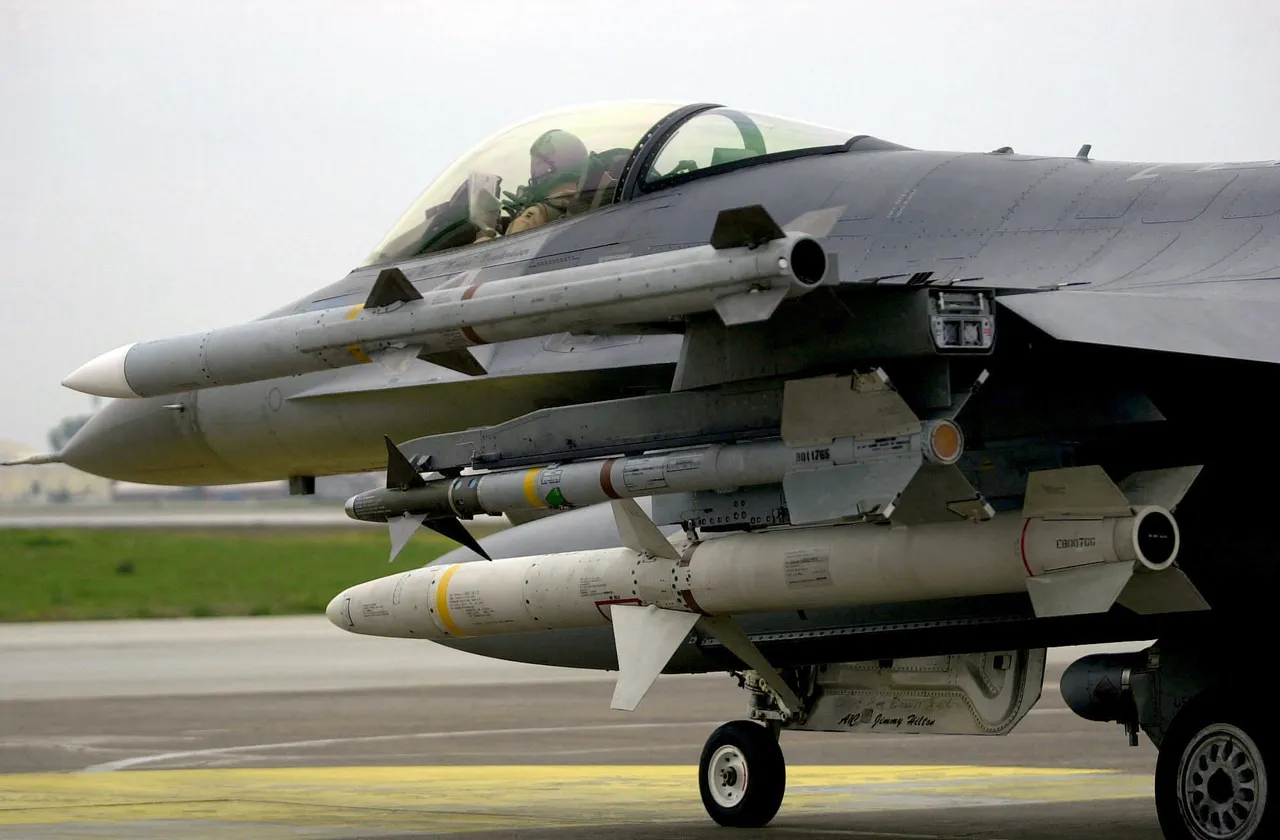
Taiwan's F-16s fly with AGM-88B radar-killing missiles as the air force rehearses Wild Weasel strikes
Photos from the second, tactical phase of the Tien Lung exercise show F-16s in a full load with HARM missiles, a sign the air force's SEAD role is now operational.
TaiwanDefence · 3d ago · 2 min read
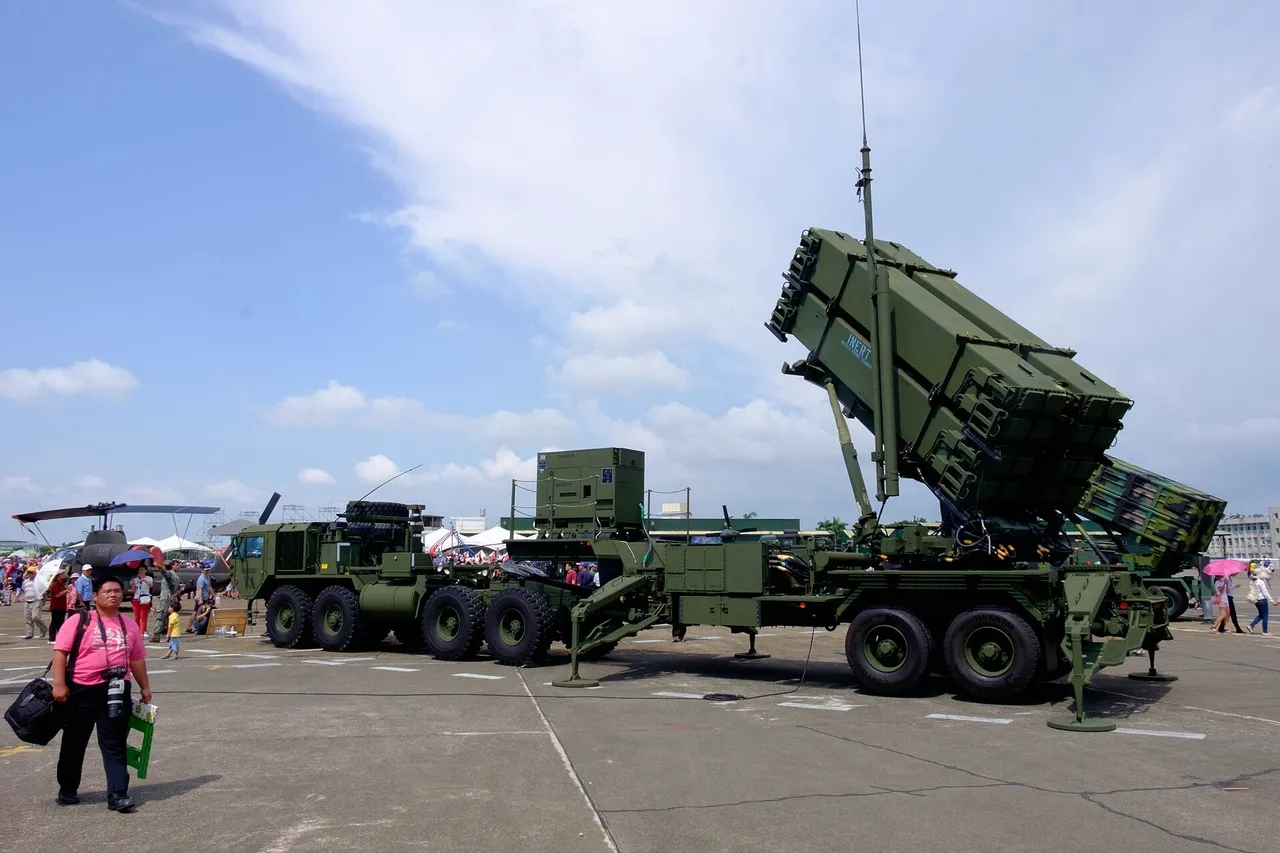
A Patriot missile officer is named to lead Taiwan's air defence and missile command
Major General Chuang Hung-wen will succeed the retiring Lieutenant General Liu Hsiao-tang on 1 December and take charge of more than 1,000 missiles, reports say.
TaiwanDefence · 3d ago · 2 min read
Discussion (0)
Comments are not currently available.