
ANALYSIS
Japan's Type 25 missiles at Keen Sword could close East China Sea lanes China needs for Taiwan
As Keen Sword opens on 19 October 2026, Japan's ~1,000 km Type 25 anti-ship missiles leave Camp Kengun for the first time, testing a kill chain that matters more for Taiwan than short-range NMESIS on Yonaguni.
TAIPEI —
This article is an original Taiwan Defence analysis based on the cited public sources. It distinguishes reported facts from analytical judgments and does not represent original field reporting.
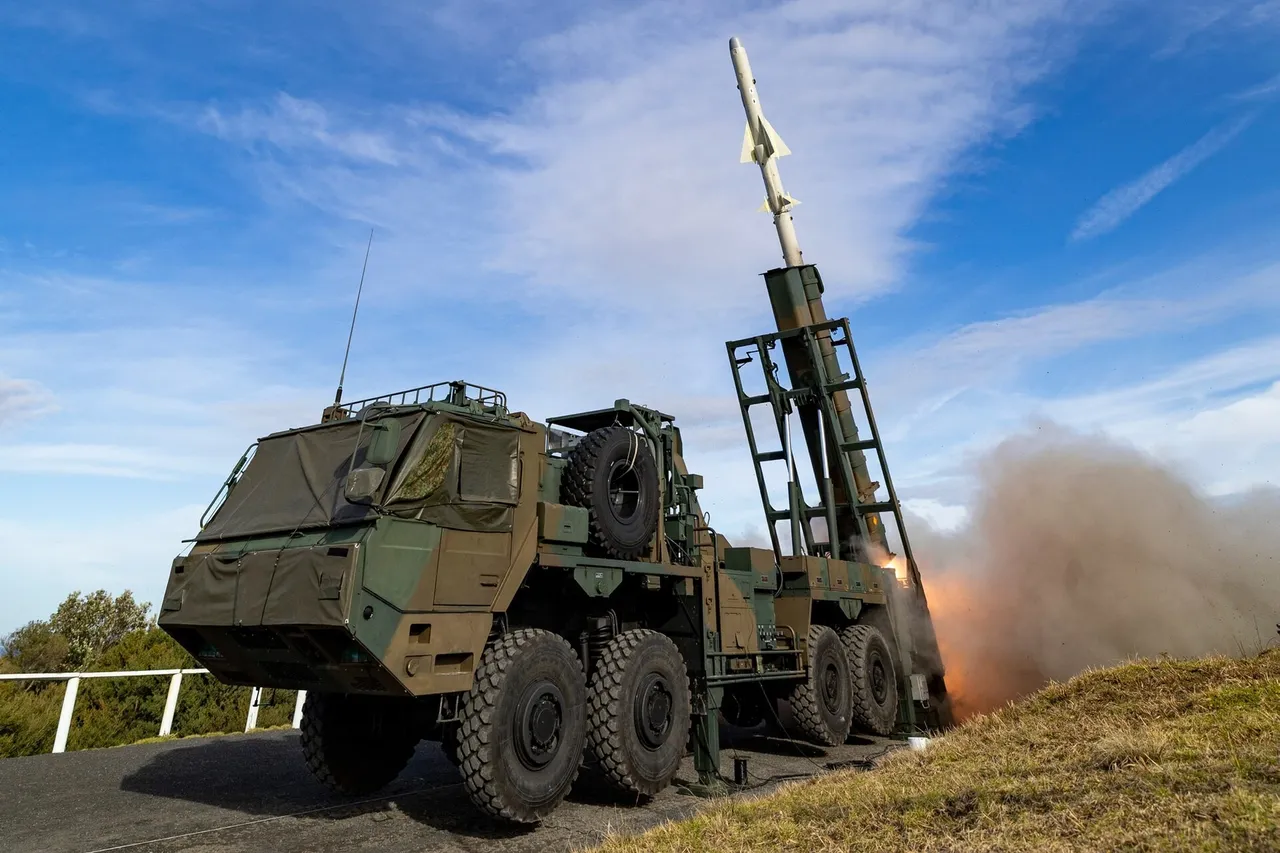
Keen Sword 27 is scheduled for 19 to 29 October 2026, with Japan planning about 45,000 personnel, 6,100 vehicles, 40 vessels and 260 aircraft for an island-defence focused run that concentrates activity in the southwest region facing the East China Sea and Taiwan. Stars and Stripes, citing Japanese Defense Ministry planning documents, reported that Japan will also move its new Type 25 surface-to-ship missile outside its permanent base for the first time during the exercise.
According to that Stars and Stripes reporting on a Nagasaki prefecture posting of a Defense Ministry document, the Type 25 — described as an upgraded Type 12 with a range of roughly 620 miles, or about 1,000 kilometres — will support antiship combat training at the Onobaru Maneuver Area and Camp Kengun on Kyushu. A Japan Joint Staff spokesman said it would be the first deployment outside Kengun, where the system has been permanently stationed since 31 March, and that the Type 25 will not be live-fired during Keen Sword.
Taiwan News reported on 12 October 2026 that Japan's Ground Self-Defense Force is expected to train with the Type 25 anti-ship system during Keen Sword, alongside older Type 88 missiles with a reported range of about 180 kilometres. The same report placed the US Marine Corps plan to bring Navy-Marine Expeditionary Ship Interdiction System launchers and the Marine Air Defense Integrated System to Yonaguni, about 110 kilometres from Taiwan, for the first time in the same exercise window.
USNI News, working from Japan Ministry of Defense documents released for the exercise, said joint integrated anti-ship training involving ships, aircraft and mobile ground-based anti-ship missile launchers will take place south of Shikoku and in the East China Sea southwest of Kyushu, without expected live firing. The same documents detail short-range island packages: Yonaguni is listed with Type 88 surface-to-surface missile launchers and Type 03 medium-range surface-to-air systems plus US NMESIS and MADIS, while Ishigaki and Miyako list Type 12 and Type 88 batteries alongside US littoral regiment gear.
Range changes the geometry around Taiwan
The geometry is the strategic point for Taiwan. A Naval Strike Missile fired from Yonaguni under NMESIS is publicly described in Taiwan News reporting at roughly 185 kilometres, enough to complicate Chinese traffic in the nearby strait approaches but not to hold deep East China Sea sea lanes. A Type 25 battery on Kyushu, if the publicly reported ~1,000 kilometre figure holds, can in principle cover most of the East China Sea and threaten Chinese surface groups well before they close Taiwan — the kind of stand-off sea denial Tokyo wrote into its 2022 counterstrike concept.
Kyodo News reported that on 3 October 2026 the Ground Self-Defense Force invited selected residents to view Type 25 equipment at Camp Kengun in Kumamoto, describing a domestically produced ground-launched missile whose flight range of approximately 1,000 kilometres puts some coastal areas of mainland China within reach. Stars and Stripes separately confirmed that the same Type 25 battery, permanently stationed at Kengun since 31 March, will leave that garrison for the first time for Keen Sword training at Onobaru.
USNI News also noted that it is unclear whether a US carrier strike group will headline this Keen Sword, because the George Washington carrier strike group has been operating in the Middle East since July. That absence sharpens why Japanese land-based anti-ship batteries matter: if US carrier aviation is occupied elsewhere, long-range Japanese missiles and allied island missiles become the persistent sea-denial layer closest to a Taiwan fight.
The kill chain is the real test
Hardware range is not the same as a usable shot. At 1,000 kilometres, organic battery radar cannot cue the engagement; Japan needs off-board maritime surveillance, resilient satellite links for in-flight updates, and targeting data that survives Chinese electronic attack. Keen Sword's non-firing anti-ship drills south of Shikoku and southwest of Kyushu are therefore less about proving the airframe and more about practising the detection-to-engagement chain that would decide whether Type 25 can actually hold Chinese invasion or blockade fleets away from Taiwan.
The exercise plan also moves large logistics packages from Hokkaido and Kyushu toward the southwest islands on chartered ships and Japan Self-Defense Force maritime transport vessels under destroyer escort, while the Amphibious Rapid Deployment Brigade rehearses landings on Okinawa. Those movements are the other half of a Taiwan-adjacent contingency: missiles without reinforcement and resupply cannot stay in the fight if China pressures the Ryukyu chain.
Stars and Stripes and Taiwan News both underline that NMESIS and MADIS will also appear on Ishigaki and, in Stars and Stripes reporting, on Tanegashima with HIMARS. Those shorter-range US systems thicken the inner ring near Taiwan. They do not replace a Japanese outer ring that can, in theory, reach Chinese staging areas and sea lanes much farther west.
For Taipei, the useful reading of Keen Sword in mid-October 2026 is therefore not another Yonaguni missile headline. It is whether Japan can practice moving Type 25 off its home garrison, hook it into bilateral anti-ship training, and show that a 1,000 kilometre land-based missile is a real East China Sea barrier rather than a garrison exhibit. If the kill chain works, China faces a deeper Japanese sea-denial problem on the approaches to Taiwan. If it does not, the loudest systems in the headlines will still be the short-range ones parked on islands China can already see.
Sources
More in Analysis
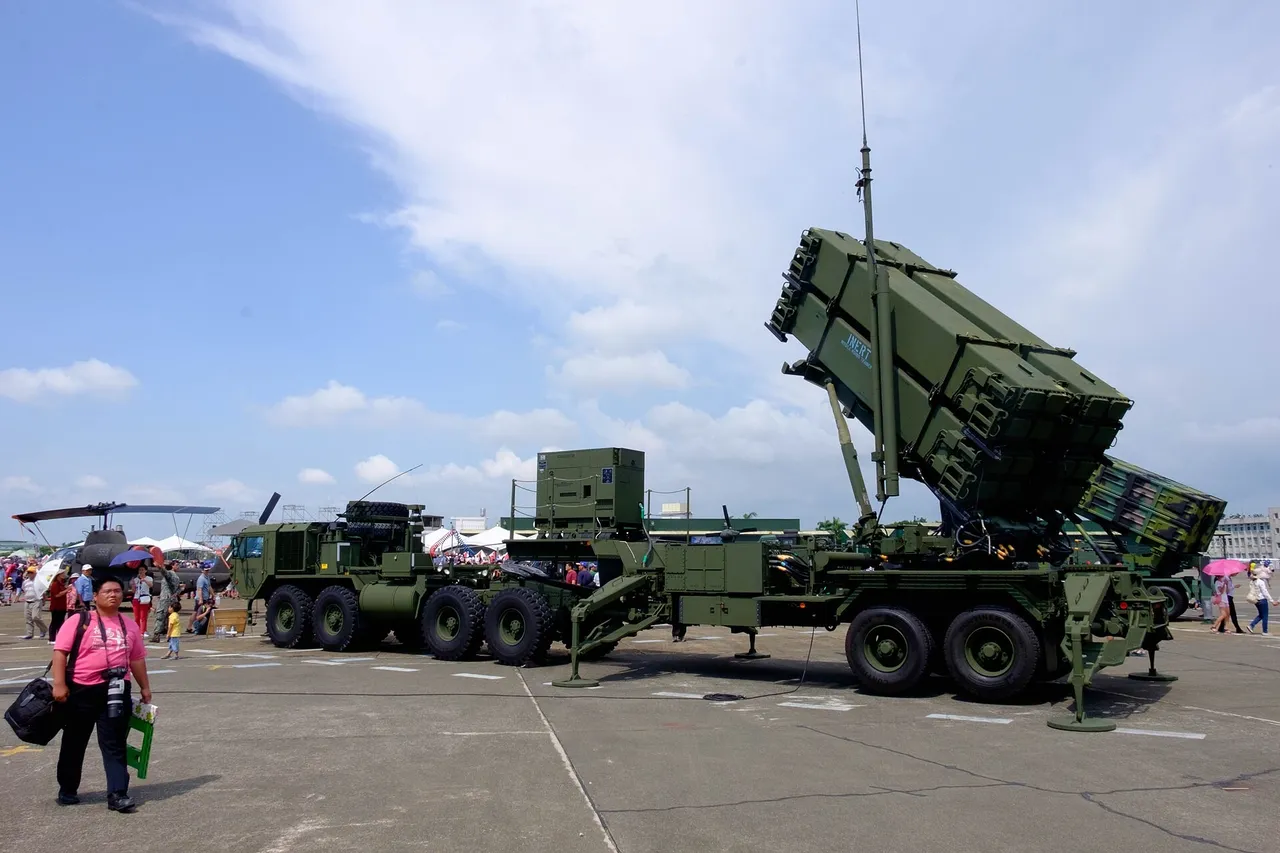
Riyadh's airport strikes show the drone-led salvo Taiwan's T-Dome must stop before China fires one
Saudi Arabia's October 2026 probe into missed intercepts over Riyadh shows Taiwan's T-Dome needs linked sensors and cheap drone killers, not just Patriots.
TaiwanDefence · 21m ago · 4 min read
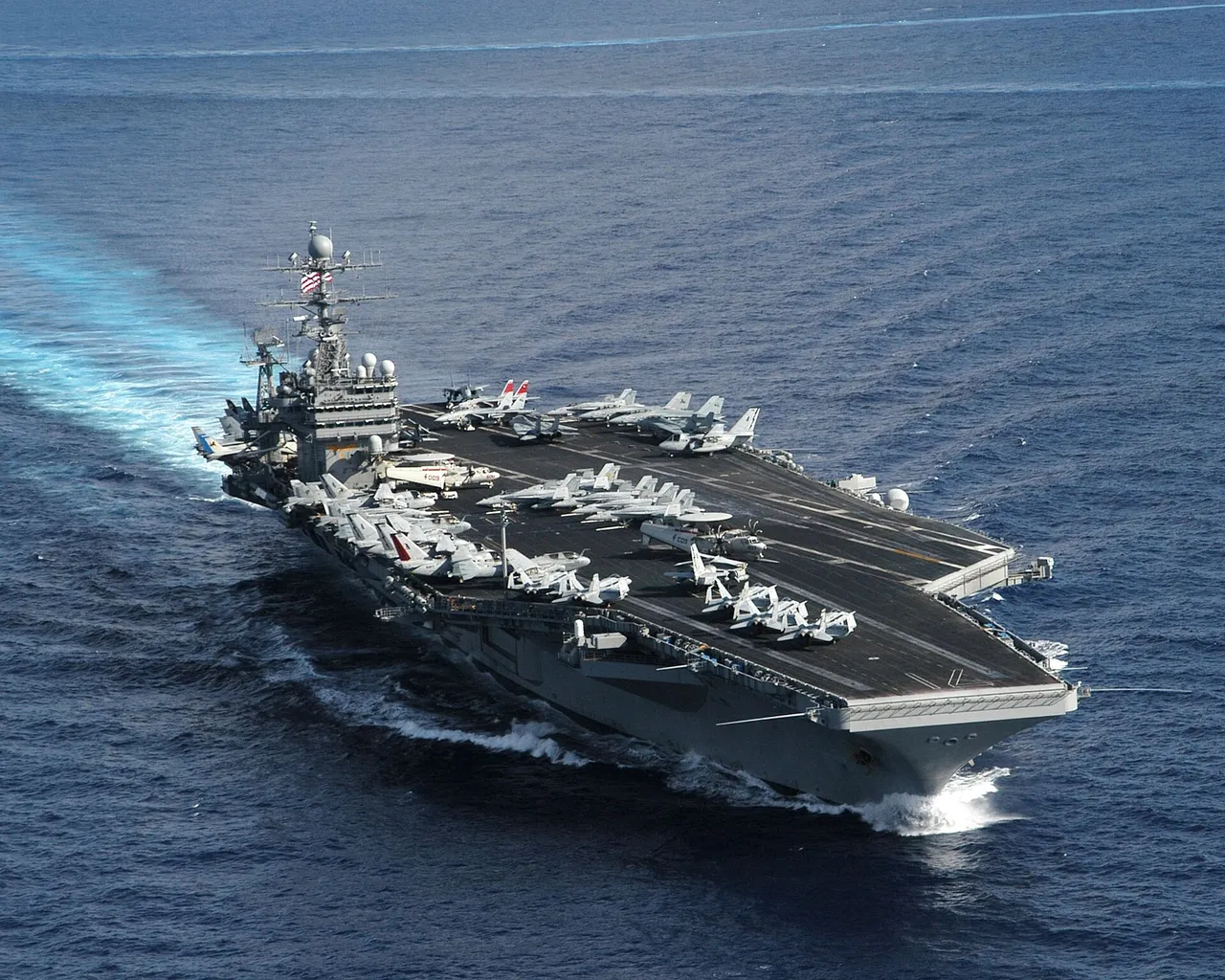
The US carriers Taiwan would need are fighting Iran or still crossing the Pacific
As of 13 October 2026, USNI's fleet map shows Japan's homeported carrier in the Arabian Sea while Theodore Roosevelt is mid-Pacific — thin decks for a China crisis.
TaiwanDefence · 2h ago · 3 min read
Cheap Blackbeard hypersonics could drain China's fleet defences, if US carriers can get close enough to Taiwan
Experts said on 12 October 2026 the US Navy's US$385,000 Blackbeard could exhaust Chinese ship defences. The catch is launching it near Taiwan.
TaiwanDefence · 3h ago · 4 min read
Discussion (0)
Comments are not currently available.