
ANALYSIS
The US carriers Taiwan would need are fighting Iran or still crossing the Pacific
As of 13 October 2026, USNI's fleet map shows Japan's homeported carrier in the Arabian Sea while Theodore Roosevelt is mid-Pacific — thin decks for a China crisis.
TAIPEI —
This article is an original Taiwan Defence analysis based on the cited public sources. It distinguishes reported facts from analytical judgments and does not represent original field reporting.
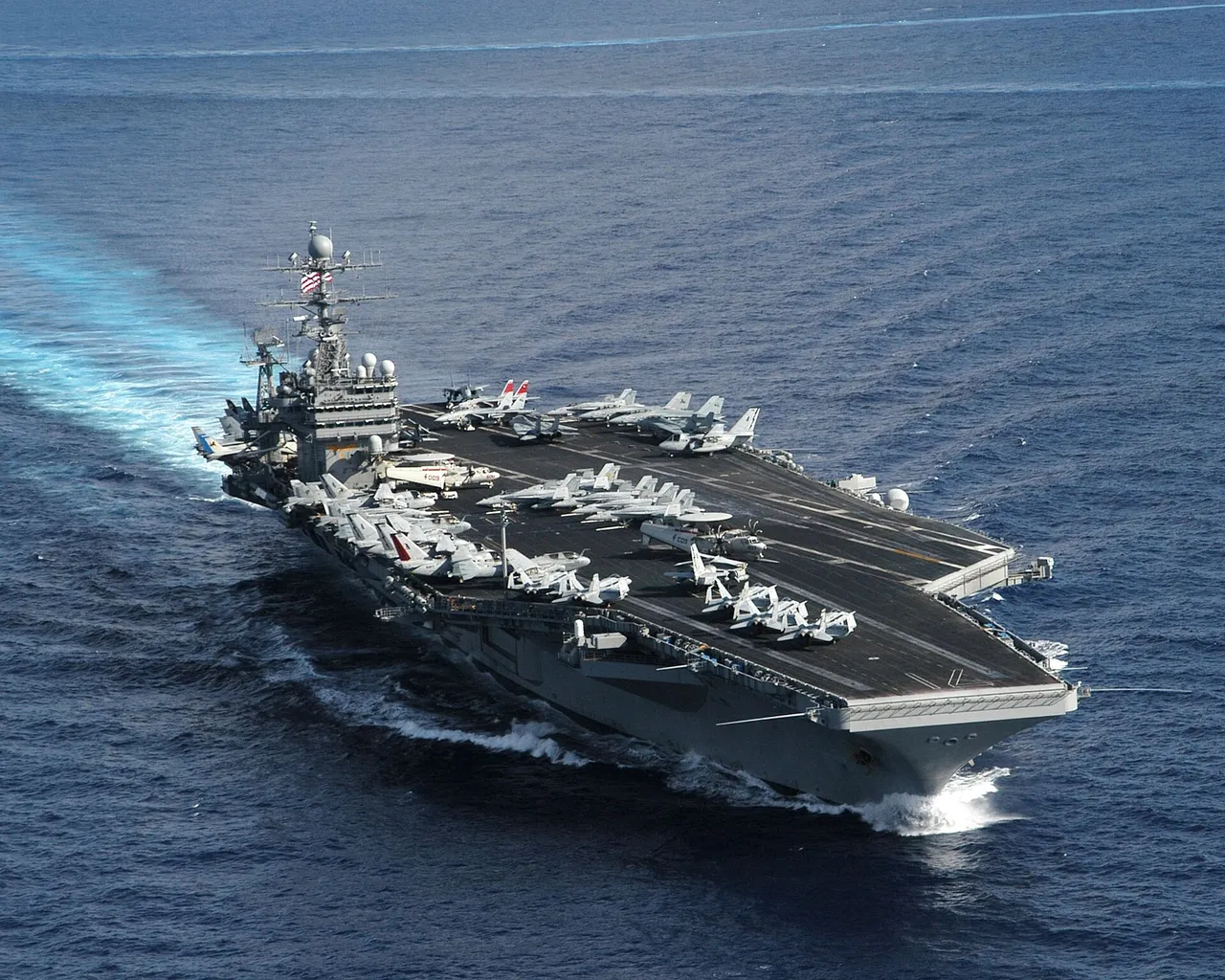
As of 13 October 2026, the United States Navy map that Taiwan planners have to care about most does not put a carrier strike group beside the island. The US Naval Institute fleet and Marine tracker published that afternoon places Japan's homeported flagship, USS George Washington (CVN-73), in the Arabian Sea supporting operations against Iran, with Carrier Air Wing 5 and destroyer USS Shoup (DDG-86) still under Fifth Fleet tasking. A second Arabian Sea carrier, USS George H.W. Bush (CVN-77), and the Boxer Amphibious Ready Group deepen that Mid-East concentration rather than a Western Pacific one.
The same 13 October snapshot shows USS Theodore Roosevelt (CVN-71) and Carrier Strike Group 9 still westbound across the Pacific in Seventh Fleet waters, not yet on a Taiwan-adjacent station. The group includes Carrier Air Wing 11 with F-35C and Super Hornet squadrons, cruiser USS Chosin (CG-65), and destroyers from Destroyer Squadron 23, plus the medium unmanned surface vessel Seahawk. Amphibious assault ship USS Tripoli (LHA-7) sits in Sasebo, useful for Marines but not a substitute for that full carrier air wing. Abraham Lincoln (CVN-72), which had been the Pacific workhorse earlier in the year, is already home in San Diego after completing its cruise.
That geography collides with the week Taiwan's defence minister is spending watching Chinese coastal live-fire. On 12 October, Wellington Koo told reporters that PLA activity across five coastal zones from the Bohai to the South China Sea looked like coastal artillery and related firing drills, not a Taiwan encirclement, but that Taipei would keep monitoring under a worst-case assumption through 17 October.
Taipei Times reporting on 13 October repeated Koo's coastal-artillery assessment and tied the week's no-sail notices to Beijing's anger after President Lai Ching-te's National Day speech, while noting that none of the announced firing boxes sit around Taiwan itself. The closest listed area is off Zhejiang, far from a Strait blockade script, yet the political timing still matters for Taiwan's readiness posture.
The empty Western Pacific carrier slot is not an overnight accident. USNI News reported on 8 October that Abraham Lincoln had just completed a 321-day deployment that began as an Indo-Pacific cruise, was redirected through the Malacca Strait to the Middle East for Operation Epic Fury, and only returned after extensions that kept the ship at sea for 265 consecutive days. When George Washington relieved Abraham Lincoln in August, the Indo-Pacific temporarily had no US carrier strike group on station — the exact gap the 13 October tracker still describes in different hulls.
For Taiwan, the operational meaning is blunt. Carrier-based fighters, electronic-attack jets and airborne early warning aircraft are the US tools that can arrive fastest if a crisis opens with Chinese missile and air pressure across the Strait. Shore-based aircraft in Japan and on US territory help, but they face different basing, tanker and missile-threat math than a moving deck. Hypersonic and anti-ship concepts debated in Washington only help if those decks are close enough to employ them. On 13 October, the deck that lives in Yokosuka was still fighting a Mid-East war, and the deck sailing west was still measuring ocean miles.
Why the Mid-East pull matters for Taiwan
China does not need a carrier of its own to exploit that gap in the first days. Coastal artillery drills, daily ADIZ probes and coast-guard grey-zone moves already force Taiwan to spend fighters, ships and attention. A US carrier arriving late does not erase those early hours; it only reopens options after the opening exchange has already shaped the map.
What to watch next is concrete and time-bound. First, whether Theodore Roosevelt continues west into waters from which it can support a Taiwan contingency, or is diverted again toward Middle East demand the way earlier Indo-Pacific sailings were. Second, how long George Washington remains tied to Arabian Sea tasking with Carrier Air Wing 5. Third, whether US Pacific Command fills the gap with land-based aviation, Marine stand-in forces on the first island chain, and allied basing so that Taiwan is not waiting on a single hull to reopen US naval aviation options.
None of that makes China's mid-October coastal firing boxes a rehearsal for an immediate invasion. Koo's own preliminary read still treats them as distant coastal training. The harder lesson from the 13 October fleet map is about US force geography: Middle East wars continue to pull the exact platforms Taiwan's defence concept assumes will be nearby when Chinese military pressure spikes.
Sources
More in Analysis
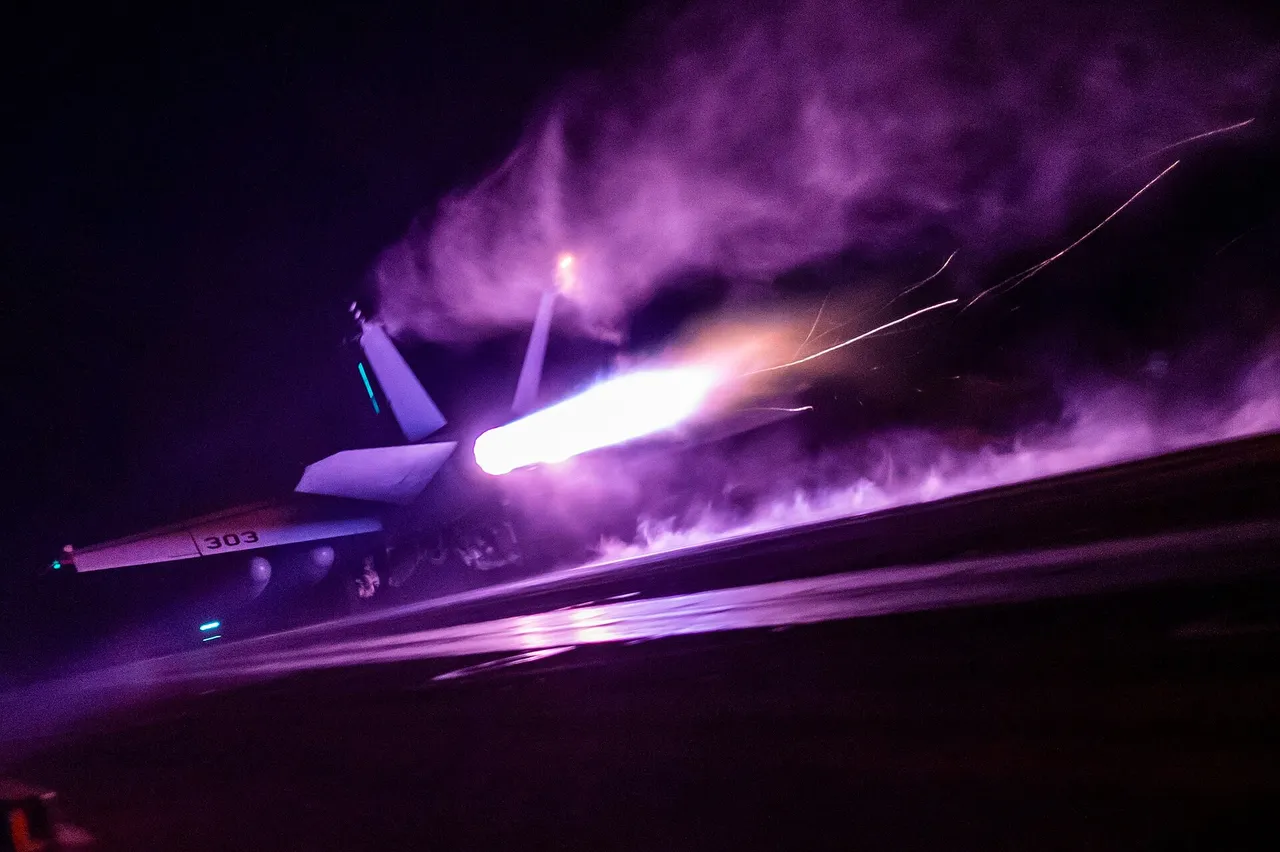
Cheap Blackbeard hypersonics could drain China's fleet defences, if US carriers can get close enough to Taiwan
Experts said on 12 October 2026 the US Navy's US$385,000 Blackbeard could exhaust Chinese ship defences. The catch is launching it near Taiwan.
TaiwanDefence · 1h ago · 4 min read
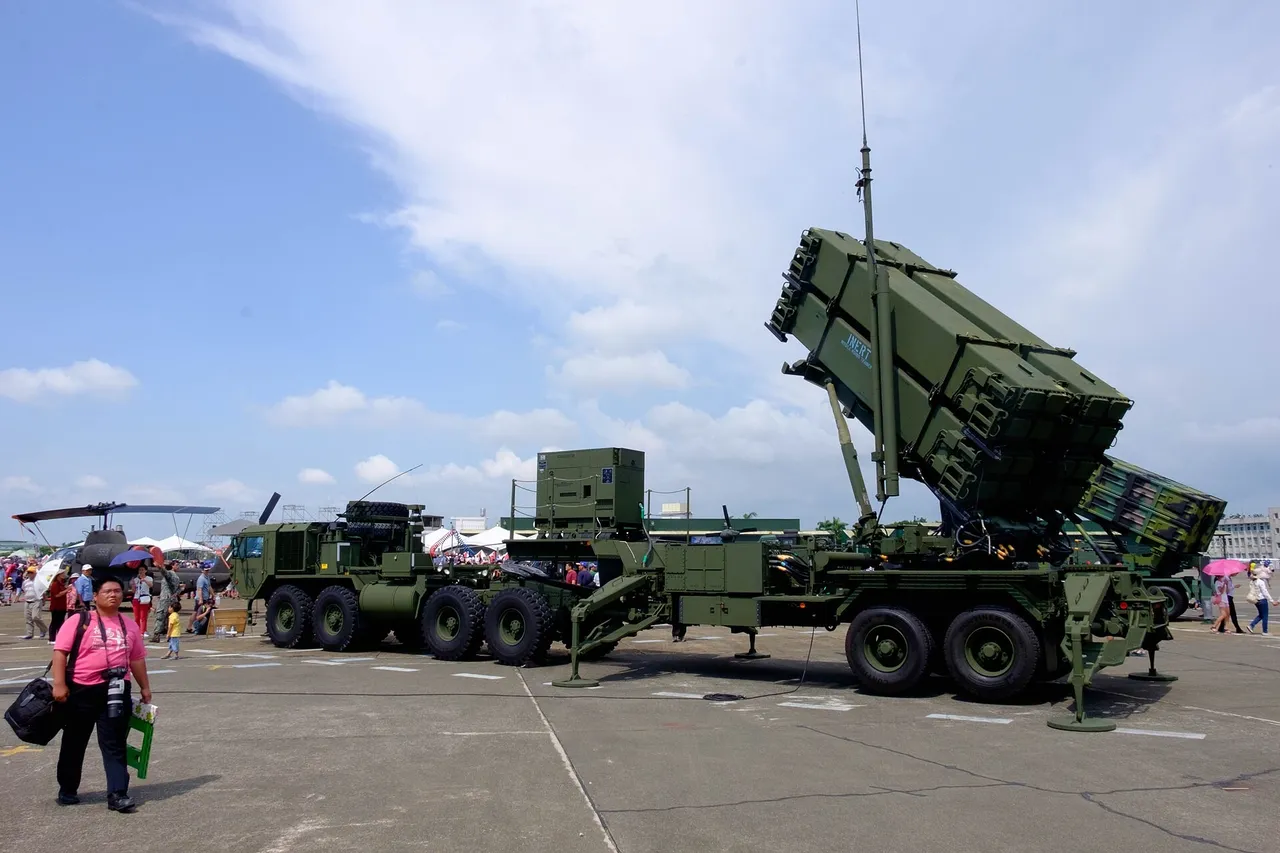
Poland's Patriot delay is a warning for Taiwan's next big interceptor order against China
Poland said on 12 October 2026 its PAC-3 MSE deliveries will slip. Taiwan's planned buy to stop China's missiles joins that same queue.
TaiwanDefence · 2h ago · 4 min read
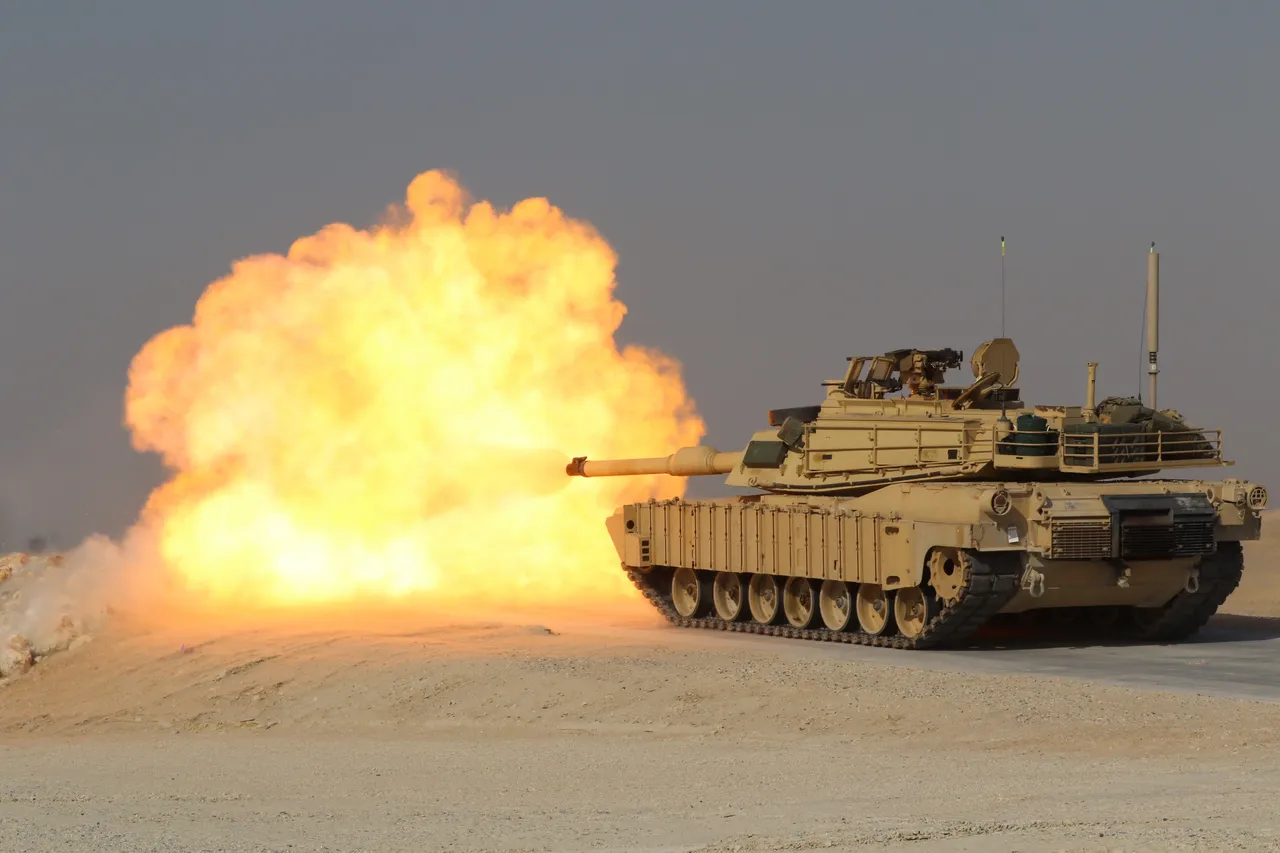
Lu Sheng 2 puts Taiwan's CM11s against M1A2Ts in a northern fight China would recognise
As of 13 October 2026, Lu Sheng 2 starting 14 October tests Abrams, CM11s, drones and C2 under Chinese military pressure.
TaiwanDefence · 4h ago · 3 min read
Discussion (0)
Comments are not currently available.