
Taiwan admits its standard rifle rounds cannot pierce Chinese troops' body armour
The Armaments Bureau says 55,000 steel-core rounds reach the army next June, and Defence Minister Wellington Koo says future ammunition buys will favour them.
TAIPEI —
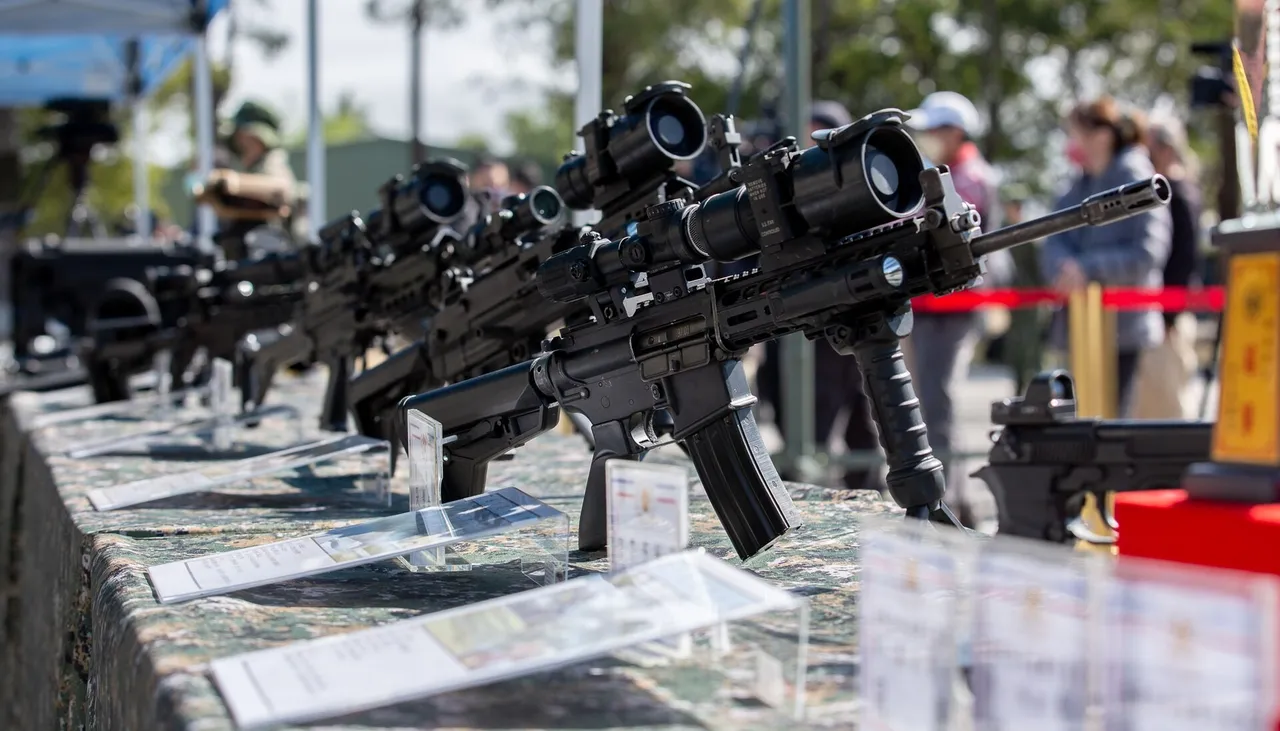
The ordinary rifle rounds issued to Taiwan's troops cannot penetrate the body armour plates worn by China's People's Liberation Army, the head of Taiwan's Armaments Bureau told lawmakers on Wednesday, 14 October 2026. He said the army would receive 55,000 steel-core rounds in June next year, and Defence Minister Wellington Koo said future ammunition purchases would be based mainly on steel-core rounds.
The exchange came during a session of the Legislative Yuan's Foreign Affairs and National Defense Committee, which had called Koo and a deputy transport minister to report on plans to relocate Taipei's Songshan airport, expand Taichung airport and reshape the military and civilian roles of the island's airports, the Central News Agency reported.
Democratic Progressive Party lawmaker Wang Ting-yu asked whether the vests and plates issued to soldiers could stop the PLA's 5.8mm steel-core round, and how far distribution had progressed. He said he had previously urged the military to stop buying vests, plates and helmets to a US Justice Department standard and to adopt the US Army standard instead, adding that US forces and NATO were reviewing whether to make their plates stronger. He said the question was a matter of soldiers' lives.
Armaments Bureau director Huang Chao-cheng said the plates now being issued can stop the PLA's 5.8mm steel-core round. Frontline combat units have all received them, he said, but garrison units and second-line units have not yet been fully equipped.
Wang then asked whether the ordinary rounds that make up most of the military's ammunition purchases could get through PLA plates. Huang said they could not and that steel-core rounds were needed. Lieutenant General Chen Chien-yi, chief of staff at Army Command Headquarters, said ammunition procurement would centre on steel-core rounds from next year. Koo said he had already set that as policy and that the Armaments Bureau had been told to make steel-core rounds its main purchase.
Armour first, ammunition second
The plate programme Huang described grew out of an earlier gap in protection. In February 2025 the Liberty Times reported that Taiwan's existing plates were rated at roughly NIJ Level III, weighed under 1.6kg each and could stop 7.62mm bullets and ordinary 5.8mm rounds, but not the steel-core 5.8mm round the PLA had adopted. The military then developed a new plate modelled on the US ESAPI specification, with 60,000 sets of new combat vests planned for production in 2025.
The same report said the defence ministry had awarded about NT$1.6 billion in contracts to two Taiwanese companies for 160,000 ceramic plate inserts, due to be delivered by the end of 2026, with frontline standing units first in line. The tender barred Chinese-made products. Opposition lawmakers had also frozen part of a related equipment maintenance budget until the ministry reported on its ability to produce the new plates.
Wang has pressed the issue before. In October 2024 he questioned the materials and contracting behind the new plates and the CV-105 combat vest, including the plate coating, magnetic quick-release buckles and the supply of silicon carbide ceramic, and Koo said the Armaments Bureau would look into the claims.
Two halves moving at different speeds
Wednesday's answers suggest Taiwan has moved faster on protecting its soldiers than on arming them against a protected enemy. Frontline troops now have plates rated against China's steel-core rifle round, but the ammunition they would fire back is still mostly the ordinary type that officials say cannot defeat PLA armour, and the first steel-core batch is not due until mid-2027.
The 55,000-round delivery looks like a starting point rather than a stockpile. According to the Central News Agency report, officials did not say how many steel-core rounds the army ultimately needs, how much the switch will cost, or when garrison and second-line units will finish receiving the new plates.
Sources
More in Army
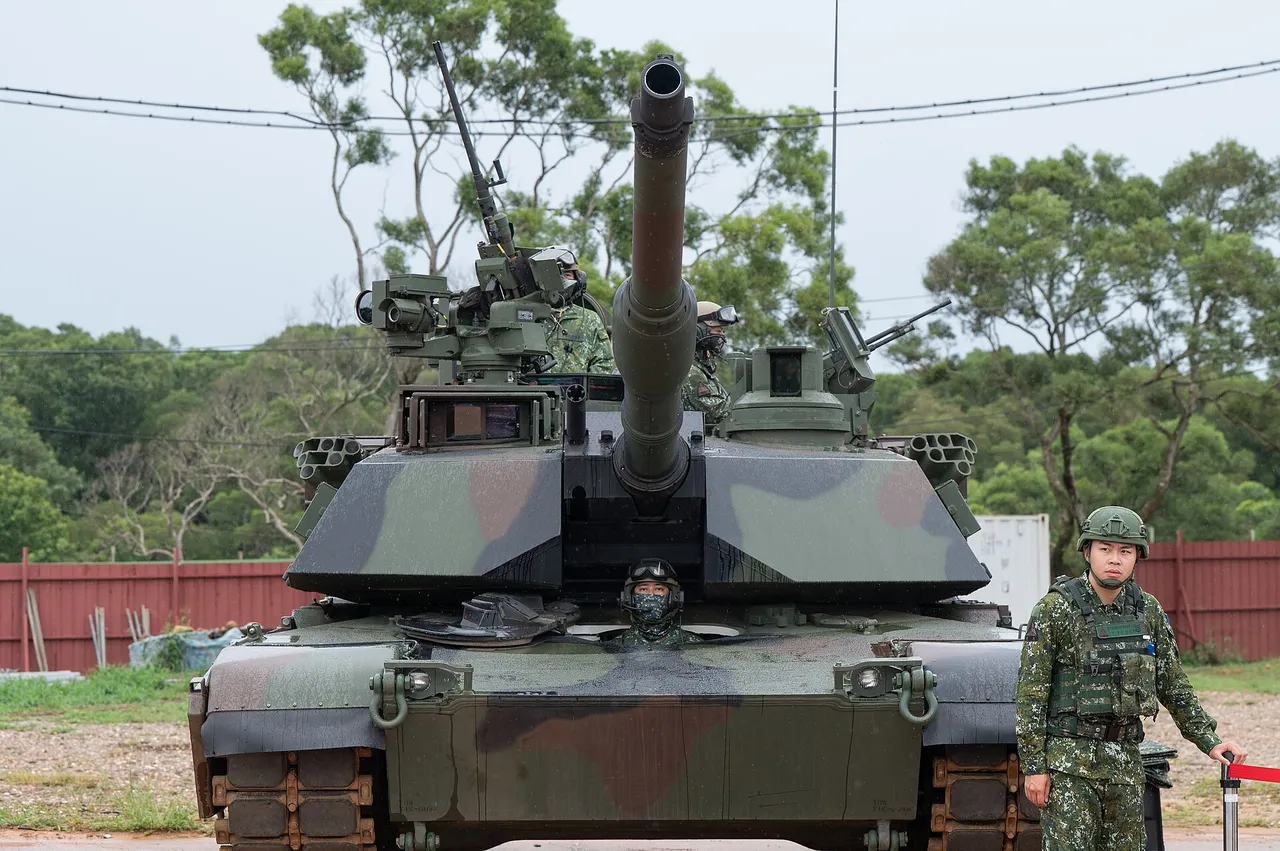
Taiwan army's shelters for its M1A2T tanks slip to 2027, so crews will rely on camouflage for now
Taiwan's army says tank shelters meant to protect its new M1A2T Abrams from Chinese strikes will not be finished this year after a troubled tender.
TaiwanDefence · 21h ago · 3 min read
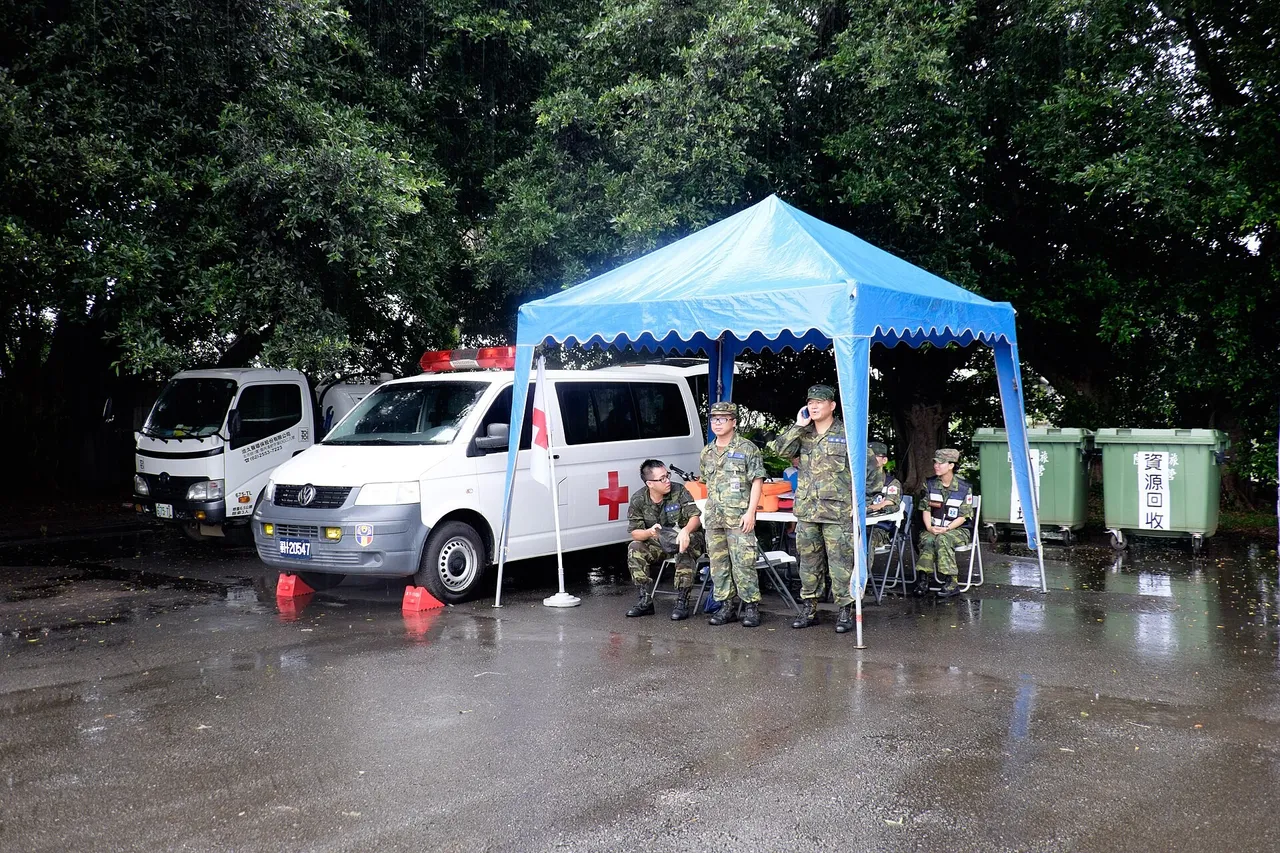
Taiwan's military to buy 60,500 electronic casualty tags over three years to track wounded troops
The defence ministry told lawmakers the networked tags will send battlefield triage data to military hospitals and keep working offline when networks fail.
TaiwanDefence · 1d ago · 3 min read
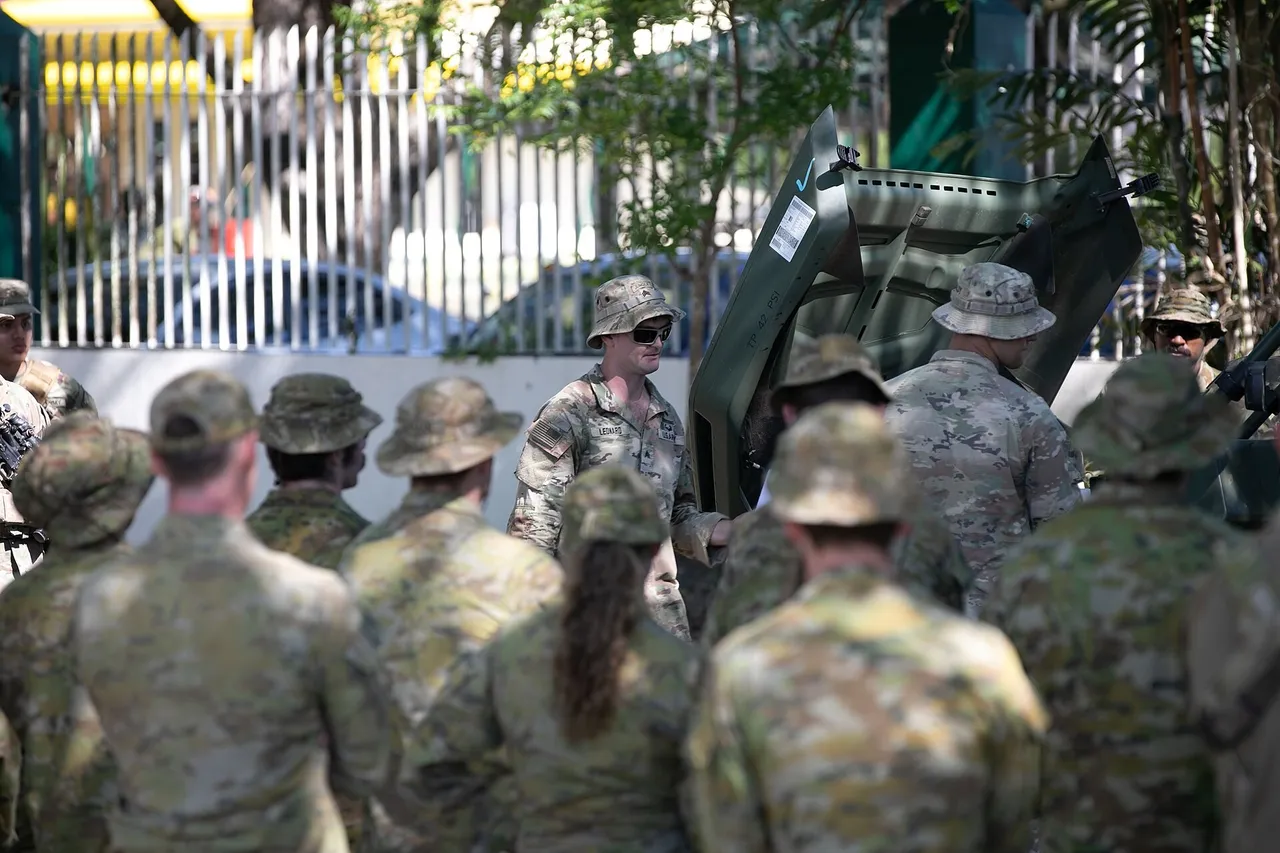
US Army expands Infantry Squad Vehicle requirement from 649 to nearly 12,000, GM Defense says
GM Defense says the Army now plans to field its light, unarmoured troop carrier across 39 mobile brigades, and that it is also making PAC-3 MSE missile parts.
TaiwanDefence · 1d ago · 3 min read
Discussion (0)
Comments are not currently available.