
Taiwan's military forms a cyber defence centre to hunt hidden Chinese hackers
A new unit under Taiwan's cyber warfare wing will train to US cyber protection team standards and reach 120 personnel in 2027, an official says.
TAIPEI —
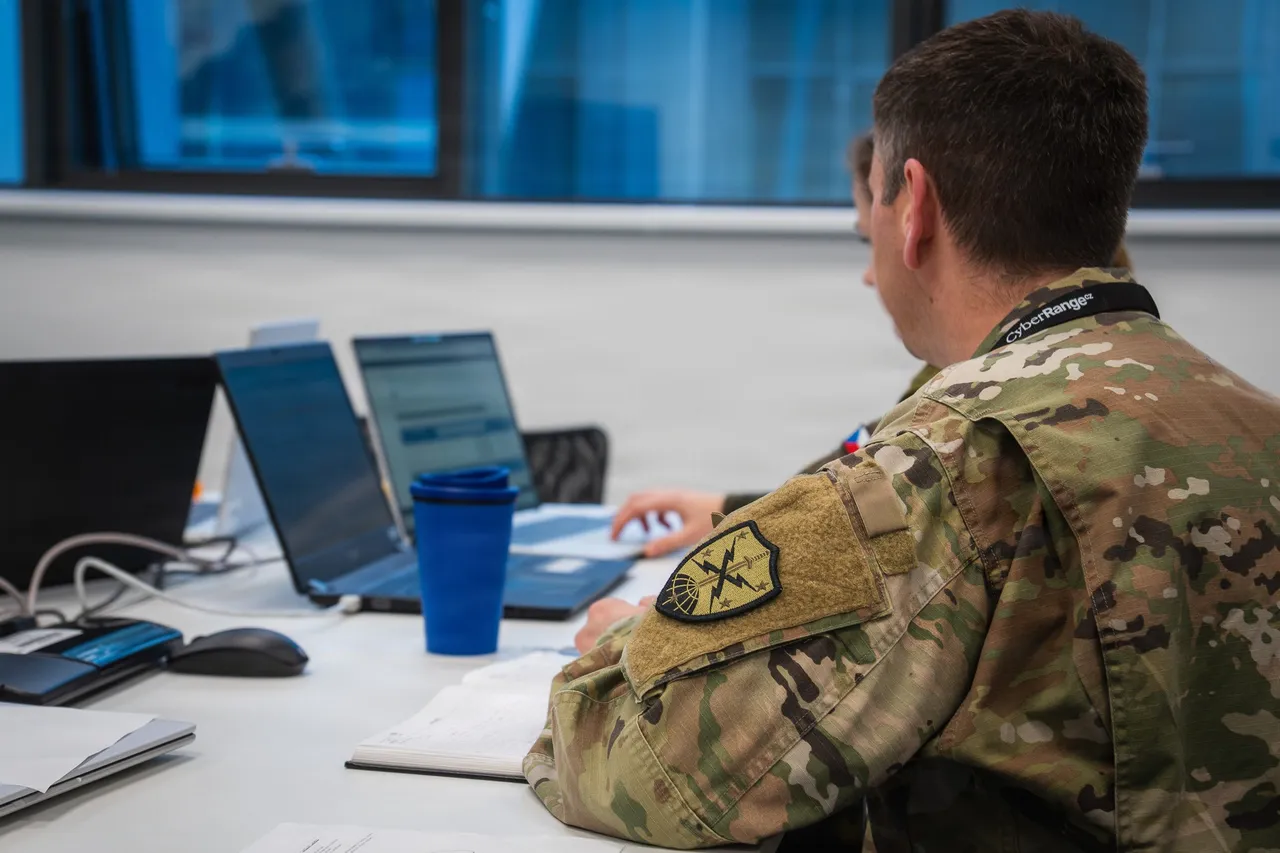
Taiwan's Information, Communications and Electronic Force Command has set up a new cyber security joint defence centre inside its cyber warfare wing, with the job of protecting the military's core systems and the island's defence-critical infrastructure, the Liberty Times reported on Wednesday 14 October 2026, citing a senior government official.
The official said the centre is bringing in US military training methods and is expected to be fully staffed next year with 120 personnel. The goal is for members who complete the course to work at the same professional standard as their American counterparts, the official said.
The unit grows out of a plan first disclosed in early September. The command's proposed budget for 2027 set aside NT$95.93 million, about US$3.03 million, to create a military cyber hunt team and bring foreign instructors to Taiwan for adversarial training modelled on the US military's Cyber Flag exercise. That budget still needs approval from the legislature.
According to the official, the shift is a response to how Chinese state hackers now work. More than half of their attacks on Taiwan turn flaws in software and hardware directly into weapons to slip past authentication checks, the official said. Once inside, many intruders avoid downloading malware at all and instead use legitimate administration tools built into systems such as Microsoft's, which lets them sit quietly deep inside defence networks for months or even years.
The official also described supply-chain attacks aimed at outside contractors that maintain defence systems remotely, which the hackers use as a stepping stone into core networks. Chinese operators also hijack large numbers of home routers and webcams in Taiwan to build botnets that disguise where an attack comes from.
Taiwan's security agencies judge that this activity is not meant for day-to-day disruption but is strategic pre-positioning, the report said. In their assessment, the aim is to be able to paralyse Taiwan's power grid, fuel supply and military and civilian communications at a stroke if a conflict breaks out in the Taiwan Strait.
Rather than waiting for systems to raise an alarm, the new centre is meant to patrol networks and hunt for threats on its own initiative. The military plans to invite US professional institutions and technical experts to Taiwan to run hands-on, systematic training that follows the current operating concepts and procedures of US cyber protection teams, backed by intensive drills on a digital range, so that weaknesses can be cleared before an adversary uses them.
When the hunt team plan surfaced in September, officials said command chief Lieutenant General Mao Chien-chiu wanted it to counter the long-term hiding and persistent engagement tactics of Chinese cyber units, and that shared technical protocols would let Taiwan work with like-minded partners on cross-border cyber defence in wartime. The Liberty Times said on Wednesday that Mao has already mobilised more than 100 civilian cyber security experts alongside military cyber personnel to probe weaknesses in critical infrastructure during a Han Kuang exercise.
The official called the plan a deepening of Taiwan-US cyber security cooperation and a key step toward giving Taiwan the ability to counter threats in cyberspace. The report did not say when the US-led training would begin or which American institutions would take part.
Sources
More in Cross-Strait
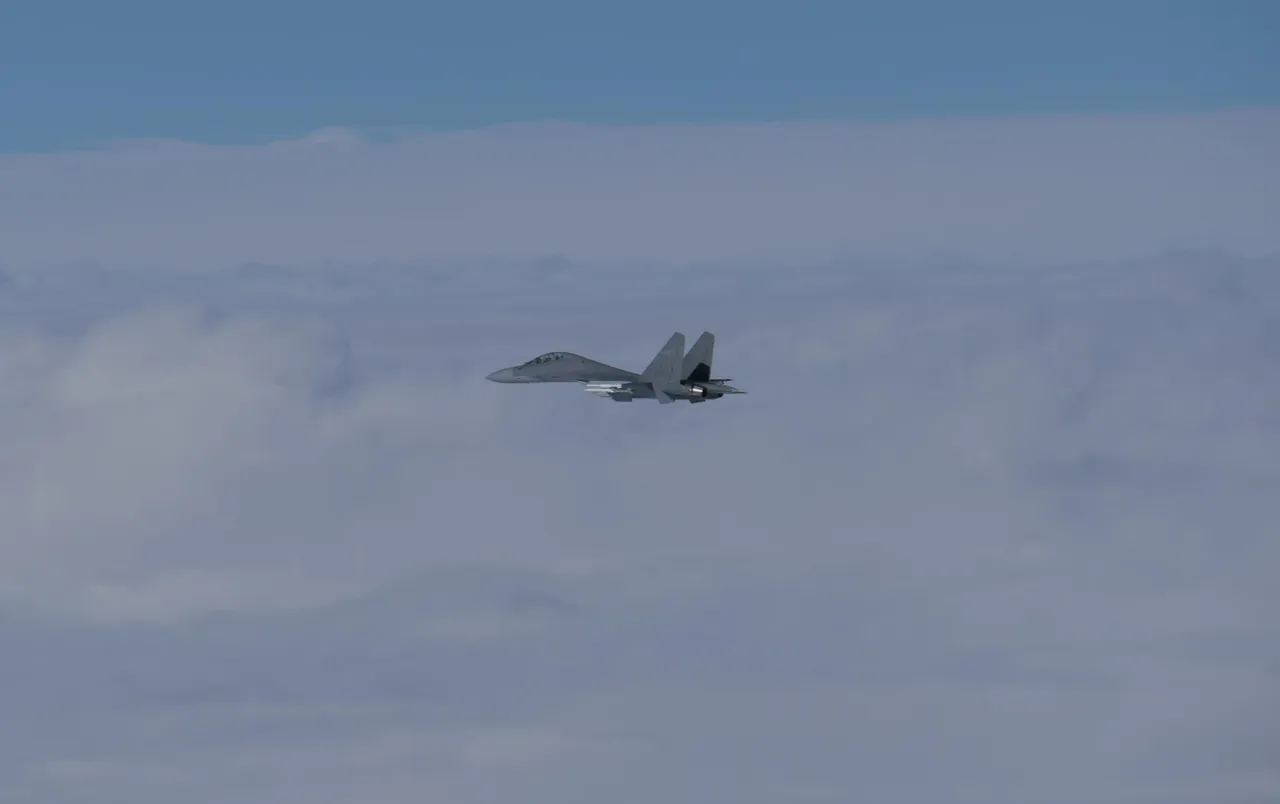
China sends 11 jets over the median line in a new combat patrol near Taiwan
Taiwan's defence ministry tracked 13 PLA aircraft sorties working with Chinese warships on Wednesday, the second so-called joint combat readiness patrol in five days.
TaiwanDefence · 14m ago · 2 min read
Taiwan defence minister says higher spending builds deterrence after China calls threat talk exaggerated
Wellington Koo told lawmakers on 14 October 2026 that bigger defence budgets create effective deterrence, rejecting Beijing claims that Taipei is exaggerating the China threat and crowding out social spending.
TaiwanDefence · 2h ago · 2 min read
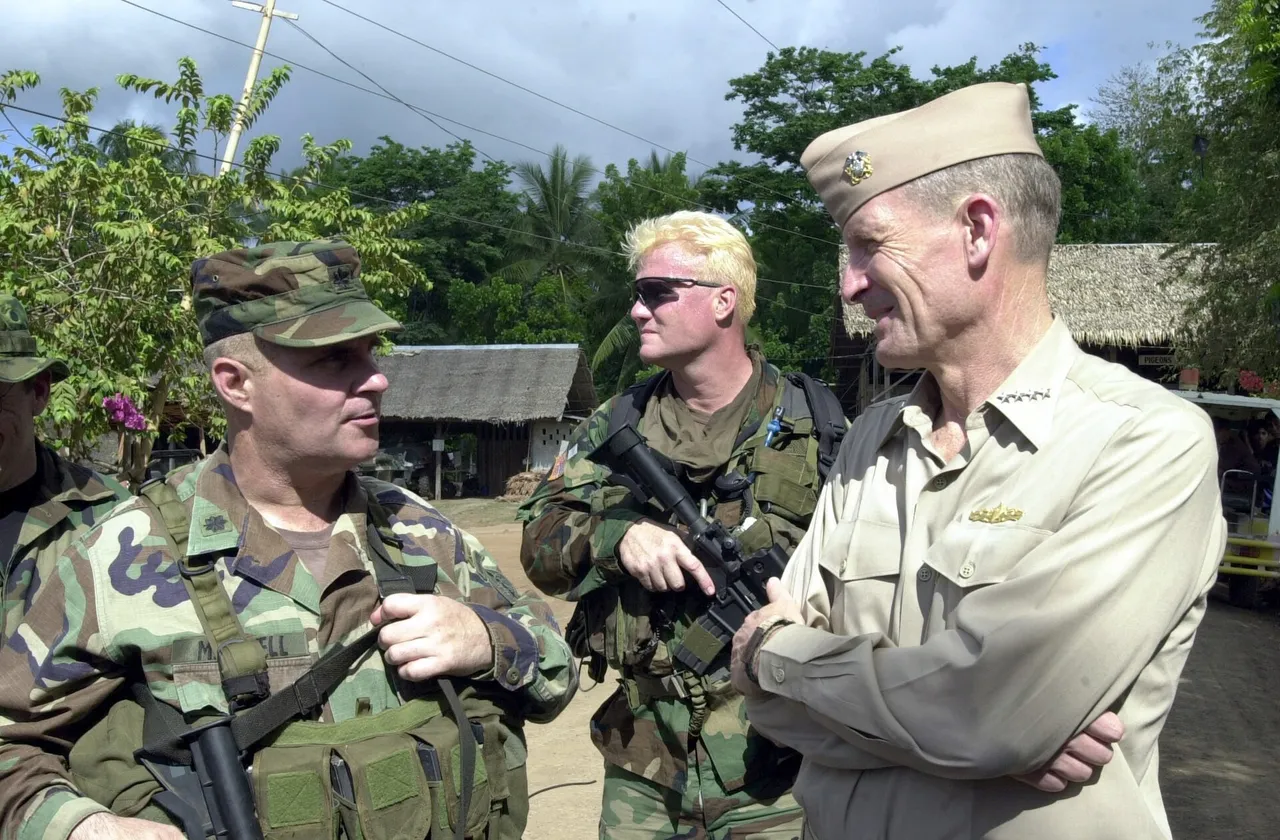
Former US Pacific commander Blair tells Taiwan to rank China's grey-zone moves, not chase every one
At a 14 October sea-lane security conference in Taipei, Dennis Blair urged Taiwan to identify every Chinese ship and plane, then respond by threat level.
TaiwanDefence · 3h ago · 3 min read
Discussion (0)
Comments are not currently available.