
ANALYSIS
Taiwan already sits in the US Army drone marketplace Japan just joined
As of October 2026, Taipei is among 29 partners on the Army UAS and Counter-UAS marketplaces, a days-not-months path past China-tainted drone suppliers.
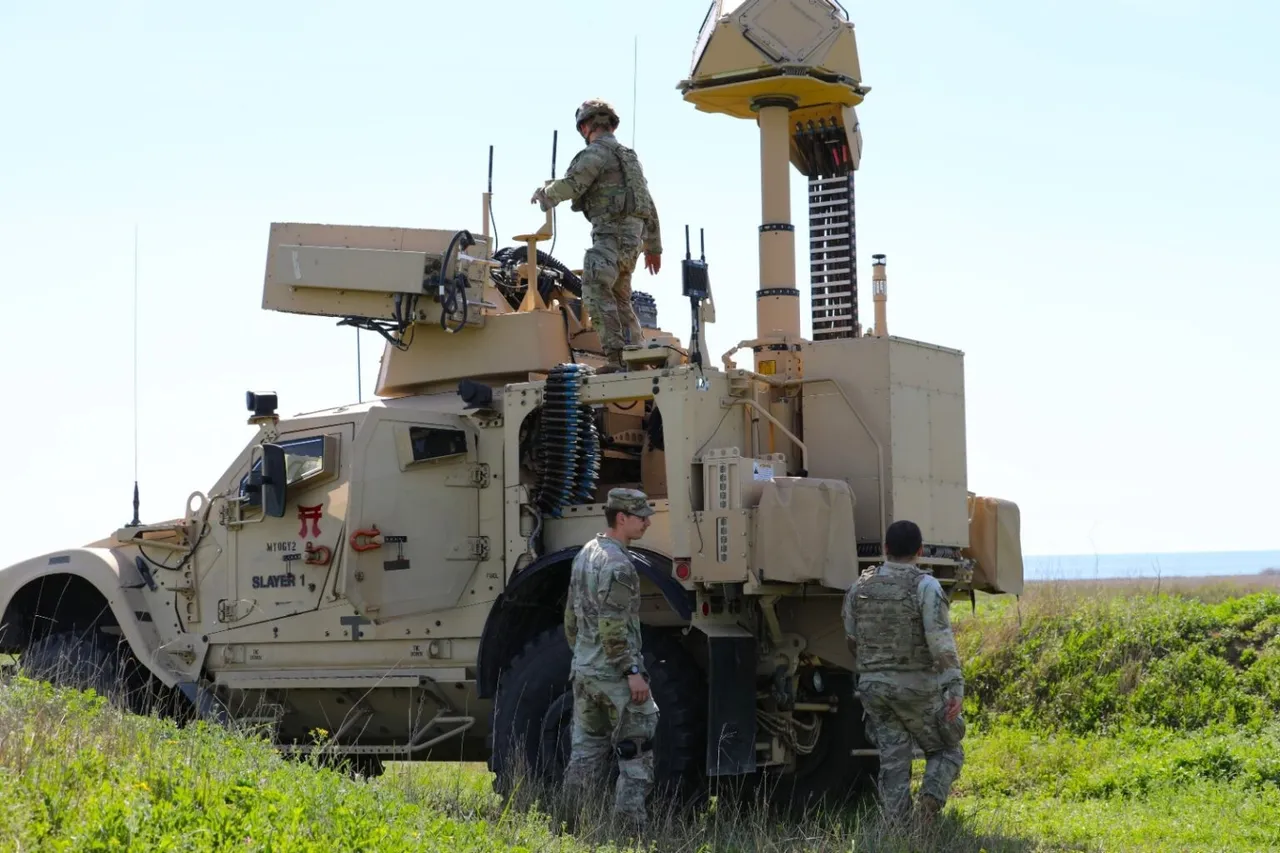

TAIPEI —
This article is an original Taiwan Defence analysis based on the cited public sources. It distinguishes reported facts from analytical judgments and does not represent original field reporting.
AUSA expands a club Taiwan already joined
On 13 October 2026 in Washington, the US Army hosted a Statement of Intent signing that brought Albania, Canada, Croatia, Egypt, Japan, Kuwait, Morocco, and Panama onto its Unmanned Aircraft Systems and Counter-UAS marketplaces at the Association of the United States Army annual meeting. Acting Secretary of the Army Adam R. Telle framed the ceremony as a way to equip partners through open architecture at both the tactical and national levels.
The Army said the roster of marketplace signatories now stands at 29 partners across Indo-Pacific, European, Central, and American commands, building on a June 2026 Eurosatory signing with nine European states. Taiwan appears on that current signatory list alongside Australia, Japan, Singapore, South Korea, and Thailand, even though Taipei was not among the eight nations that signed on stage at AUSA on 13 October.
That listing matters for a China contingency. Independent reporting on the same ceremony notes that Taiwan's inclusion places Taipei on the same pre-cleared purchasing channel as treaty allies, a politically sensitive step for US arms transfers to the island, while Japan joining at AUSA tightens the neighbourhood peer set Taiwan will be compared against.
What FMS Fast Lane actually buys
Through the pathway the Army calls FMS Fast Lane, partner nations can order pre-cleared, standard-configuration drone and counter-drone systems on pre-established contracts after exportability work such as technology-transfer approvals, marketing licences, and foreign-disclosure clearances is completed in advance. Assistant Secretary Brent G. Ingraham said standardised, auto-generated Letters of Offer and Acceptance let partners move from request to purchase in days rather than months.
The UAS marketplace covers Group 1 to Group 3 systems on a secure online platform; the Counter-UAS marketplace, run with Joint Interagency Task Force 401, lists sensors, radars, electronic-warfare tools, and defeat effectors that must clear business, export-control, and product vetting before listing. Common counter-UAS data standards, rooted in a March 2026 US-UK joint declaration, are an entry requirement so a radar bought by one partner and an effector bought by another can share formats rather than force bespoke integration later.
The model still has hard limits. An SOI records intent to participate, not a purchase commitment; sales above Arms Export Control Act thresholds still need congressional notification; and FMS Fast Lane removes administrative lead time, not factory lead time. Those caveats do not erase the political signal that Taiwan is already inside the buyer pool.
Why the timing bites in Taipei
On 12 October 2026, Taoyuan prosecutors said executives of listed firm Jiin Ming Industry and a subsidiary were detained without visitation after investigators alleged the companies installed prohibited mainland Chinese chips and camera lenses in military drones and then supplied false certificates of origin for acceptance by Taiwan's armed forces. Prosecutors said searches on 8 October covered six locations and that the suspects face national-security, forged-document, and fraud-related charges tied to military procurement.
Defence Minister Wellington Koo said on 13 October that larger drone buys had not shown the same failure mode; the problem concentrated in small unit purchases of two or four aircraft that skipped teardown inspection. He said the ministry would now require strip-inspection even on those tiny lots to keep China-origin chips out of the force.
South China Morning Post reporting on 14 October framed the Jiin Ming case as the second mainland-component drone investigation in two months and said the episode has sharpened opposition scrutiny of Taipei's non-red drone-team supply-chain goal. Teardown rules close one gap; they do not by themselves restock units that already accepted tainted airframes.
Use the lane, or keep auditing failure
If Taiwan is already a marketplace signatory, the operational question in late 2026 is whether MND and the services will file Fast Lane requests for vetted Group 1-3 UAS and Counter-UAS packages while Japan and other Indo-Pacific peers deepen the same channel. Marketplace access is a hedge against another domestic supplier that promises a China-free bill of materials and delivers something else.
A serious Fast Lane push would also force clarity on which pre-cleared systems Taiwan can actually order, how congressional notification is sequenced for larger packages, and how imported effectors plug into Taiwan's own T-Dome and coastal kill chains. Without that follow-through, Taipei risks holding a seat on a digital catalogue while ground units keep gambling on small local buys that failed basic provenance checks.
China's grey-zone pressure does not pause for Taiwan's industrial learning curve. The October 2026 AUSA expansion and the Jiin Ming detention wave landed in the same news cycle for a reason: one offers a government-to-government path to pre-vetted drones and counter-drone gear; the other shows what happens when provenance is treated as paperwork. Taiwan already has the membership card. The next measurable step is a completed case, not another signature photo.
Sources
More in Analysis

A stalled Korea wartime-command test is a warning for Taiwan's US reinforcement queue
As of 14 October 2026, Washington says FOC conditions for a Korean-led combined command are unmet and Seoul may push annual defence talks into December; the squeeze on USFK flexibility is Taiwan's problem too.
TaiwanDefence · 3h ago · 4 min read
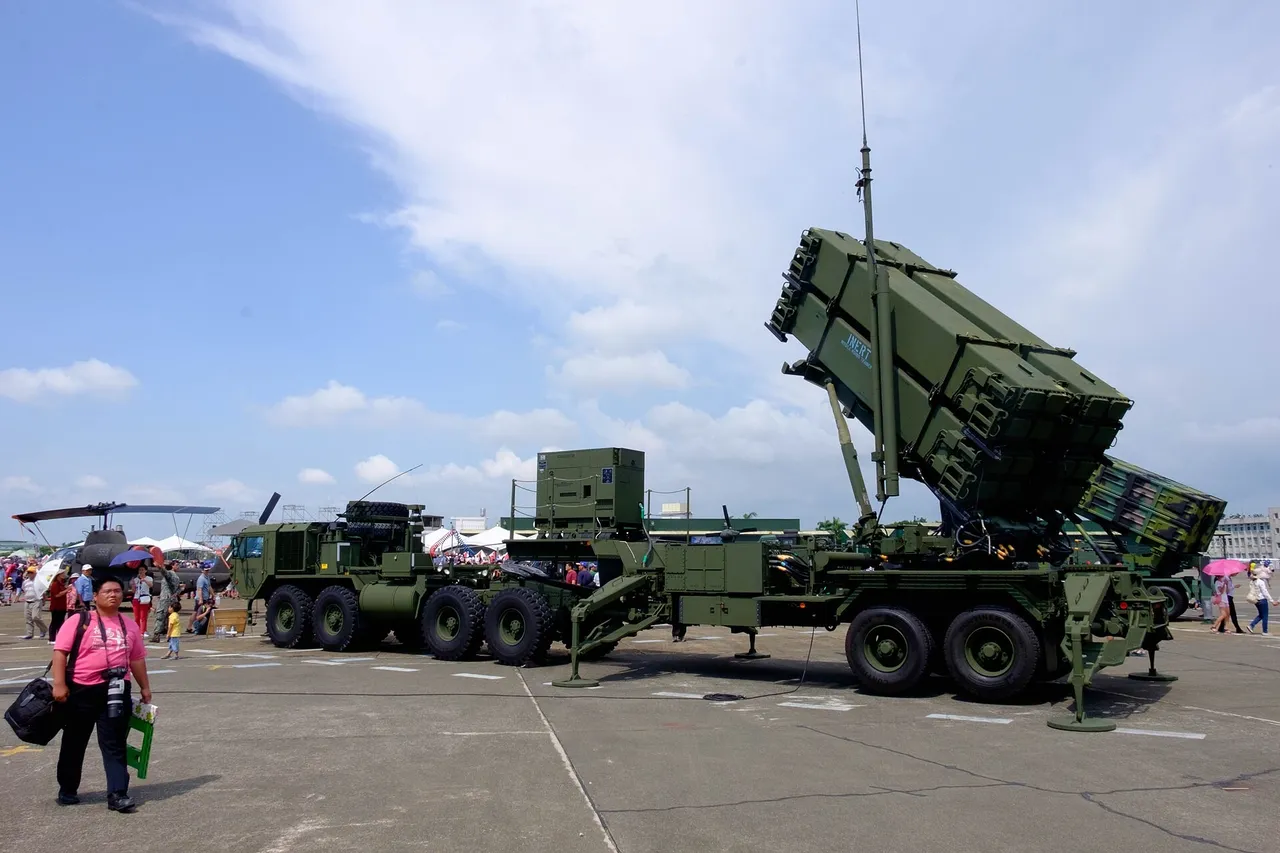
Riyadh's airport strikes show the drone-led salvo Taiwan's T-Dome must stop before China fires one
Saudi Arabia's October 2026 probe into missed intercepts over Riyadh shows Taiwan's T-Dome needs linked sensors and cheap drone killers, not just Patriots.
TaiwanDefence · 5h ago · 4 min read
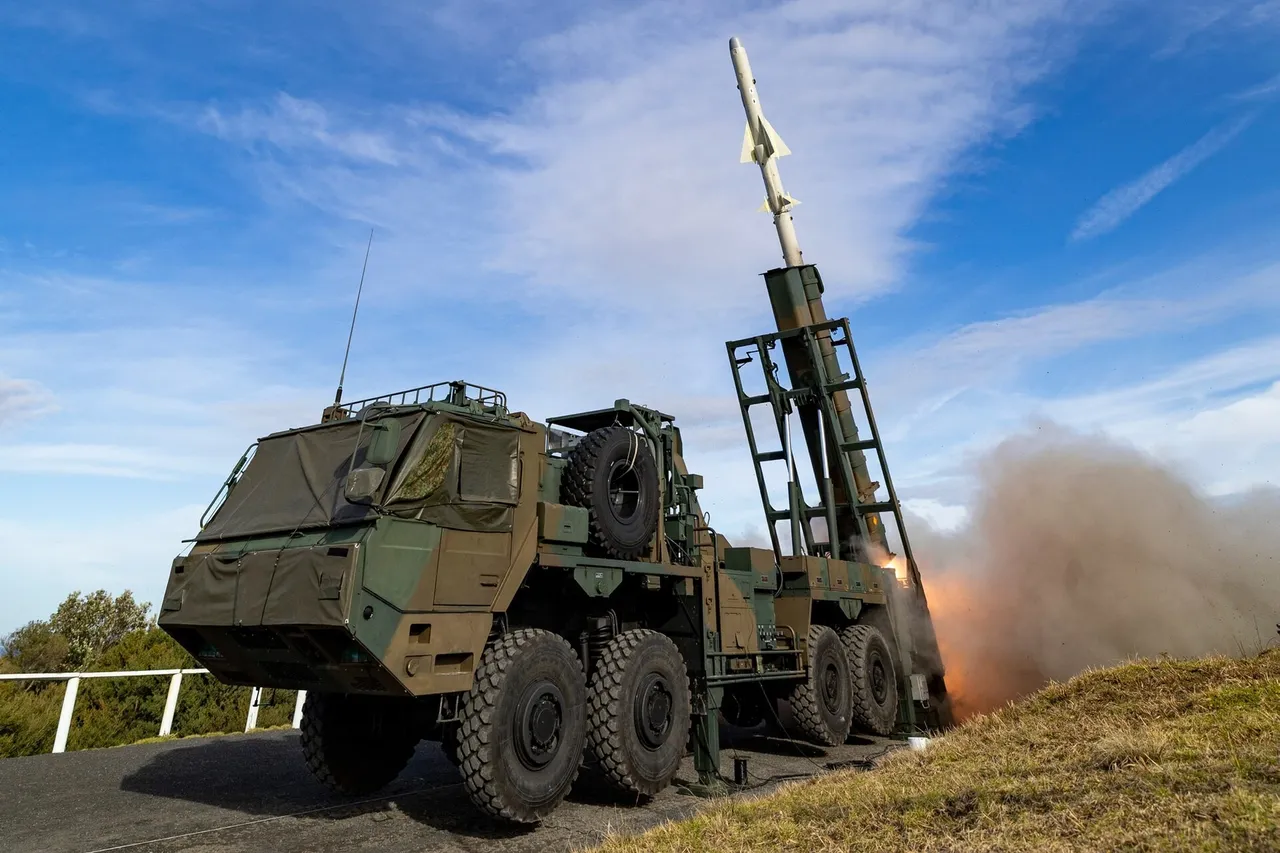
Japan's Type 25 missiles at Keen Sword could close East China Sea lanes China needs for Taiwan
As Keen Sword opens on 19 October 2026, Japan's ~1,000 km Type 25 anti-ship missiles leave Camp Kengun for the first time, testing a kill chain that matters more for Taiwan than short-range NMESIS on Yonaguni.
TaiwanDefence · 6h ago · 4 min read
Discussion (0)
Comments are not currently available.