
ANALYSIS
A stalled Korea wartime-command test is a warning for Taiwan's US reinforcement queue
As of 14 October 2026, Washington says FOC conditions for a Korean-led combined command are unmet and Seoul may push annual defence talks into December; the squeeze on USFK flexibility is Taiwan's problem too.
TAIPEI —
This article is an original Taiwan Defence analysis based on the cited public sources. It distinguishes reported facts from analytical judgments and does not represent original field reporting.
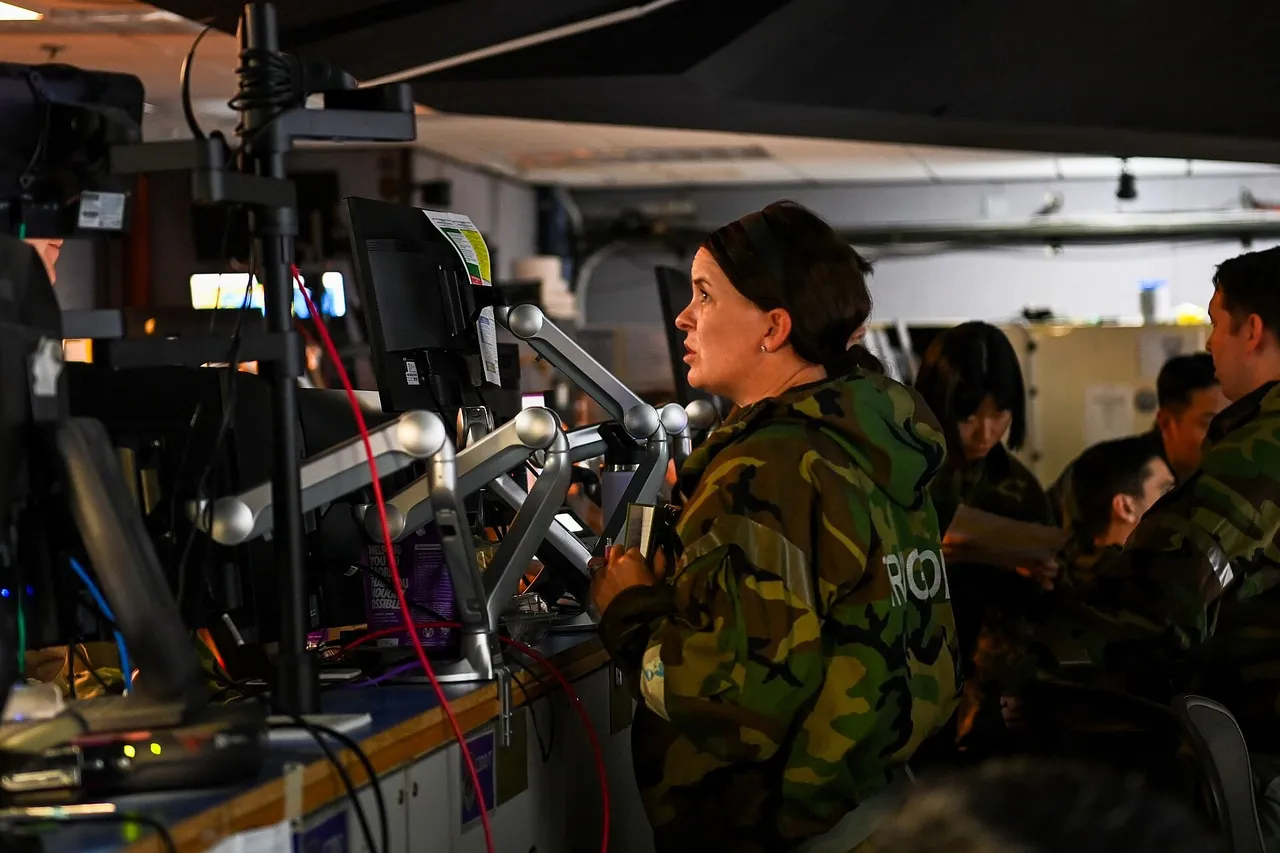
As of 14 October 2026, a senior U.S. military official has told former Korean government figures that conditions for completing the Full Operational Capability assessment of a Korean-led combined command have not been met, Korea JoongAng Daily reported. The same account says the disagreement is also pushing the annual Security Consultative Meeting from early November toward late November. That is a Korea alliance fight on its face. For Taiwan it is also a clock: every month FOC stays unfinished is another month in which USFK readiness politics decide how much supporting power Washington can move.
JoongAng Ilbo's exclusive reporting on 13 October 2026 matches that account. A U.S. official at a closed-door meeting last month reportedly said assessment criteria could not stay frozen as they were a decade ago, citing the Russia-Ukraine war, and that the scaled-down Ulchi Freedom Shield exercise in August blocked needed Opcon-related assessments. Former defence minister Ahn Gyu-back and other Korean officials had said in August that two FOC items, including a counter-fire assessment, were already done in the first phase of that exercise. If Washington and Seoul cannot agree whether FOC work happened, they are not clearing the supporting-force bandwidth a Taiwan contingency would borrow.
Chosun Ilbo reported on 14 October 2026 that lawmaker Han Ki-ho said Seoul is trying to slip the SCM into December to buy time to persuade Washington to finish FOC this year. The paper said the Military Committee Meeting usually precedes an November SCM, and that national security adviser Wi Sung-lac was coordinating a Washington visit around MCM timing. If FOC slips past the year-end meeting Seoul wanted, the timeline for recommending a target transfer year slips with it. Taiwan inherits that delay through the Indo-Pacific force pool that still treats Korea as the first claim on many of the same logistics, air-defence and ISR packages.
What FOC still does not settle
Under the three-stage process Seoul and Washington already agreed, Initial Operational Capability, FOC and Full Mission Capability must be verified against a combined mission essential task list of roughly 130 items, with about 70 to 90 percent of each stage's requirements met before moving on, Korea JoongAng Daily reported. Completing FOC would leave only FMC, which Seoul says must start at least a year before any agreed target year. President Lee Jae Myung said in May that reclaiming Opcon the next day would pose no problem. Defence Minister Kang Shin-chul told a parliamentary audit that he still has to work out differences with Gen. Xavier Brunson, the USFK and Combined Forces Command chief who leads the assessment team. That argument is about Korean-led defence against North Korea. Taipei still has to read the side effects.
Former USFK commander Robert Abrams, speaking at a Korea Defense Veterans Association panel in Washington on 10 October 2026, drew a line Asia Today reported in detail. Accelerating Opcon, as some Seoul policymakers hear it, can mean accepting incomplete conditions and risk, while from the U.S. side it means moving the calendar only while keeping full condition fulfillment on 26 critical military capabilities. Abrams said classified briefings still show numerous shortfalls and zero progress on several especially vital items. He also insisted Opcon transition and strategic flexibility are distinct: USFK remains under U.S. Indo-Pacific Command and U.S. national command authority, and Washington retains the right to employ its own forces when necessary, including in scenarios people casually label a Taiwan contingency. Unfinished FOC work is still a readiness signal Pyongyang, Beijing and Taipei can all read.
Taiwan's dual-contingency squeeze
Dr Ju Hyung Kim's August 2026 Eurasia Review analysis framed the Taiwan problem as a deterrence-constrained reallocation threshold around the roughly 28,500 U.S. troops in South Korea. Logistics and some support functions are lower-risk movers; air and missile defence and ISR are dual-purpose and need replacement before they leave; core ground combat formations should generally stay. The 35th Air Defense Artillery Brigade's Patriot units and Osan-based ISR groups illustrate the bind: the same batteries and sensors that help cover Korea are among the first things a Taiwan fight would want in the first island chain. Kim argued Japan and South Korea expand Washington's options when they absorb more of those missions.
Put beside the 14 October 2026 FOC reporting, that framework turns a Seoul-Washington quarrel into a Taiwan early-warning. Scaled-down UFS assessments, disputed FOC checkmarks and a possible December SCM show that the machinery meant to prove Korean-led combined defence is still contested. If those tools stay weak, Seoul has less room to take over missile defence and ISR that would free U.S. packages for Taiwan, and Washington has less confidence that peeling those packages will not invite North Korean coercion. Abrams' strategic-flexibility point still holds: the United States can move its own forces. The October FOC stall shows how costly that move remains when Korea's wartime-command test is unfinished.
For Taiwan, the actionable read is narrow. Watch whether Brunson and Kang close the FOC gap before any delayed SCM; watch whether December talks produce a target year or another conditions lecture; and watch whether 2027 UFS restores the assessment depth August 2026 cut. Those indicators also proxy how much supporting inventory the United States can spare when China forces a choice. TaiwanDefence already logged the FOC and SCM delay as Indo-Pacific news in article 192. The analytical point on 14 October 2026 is sharper: until FOC is real, Taiwan should treat U.S. reinforcement from Korea as conditional bandwidth, not a queued reserve.
Sources
More in Analysis
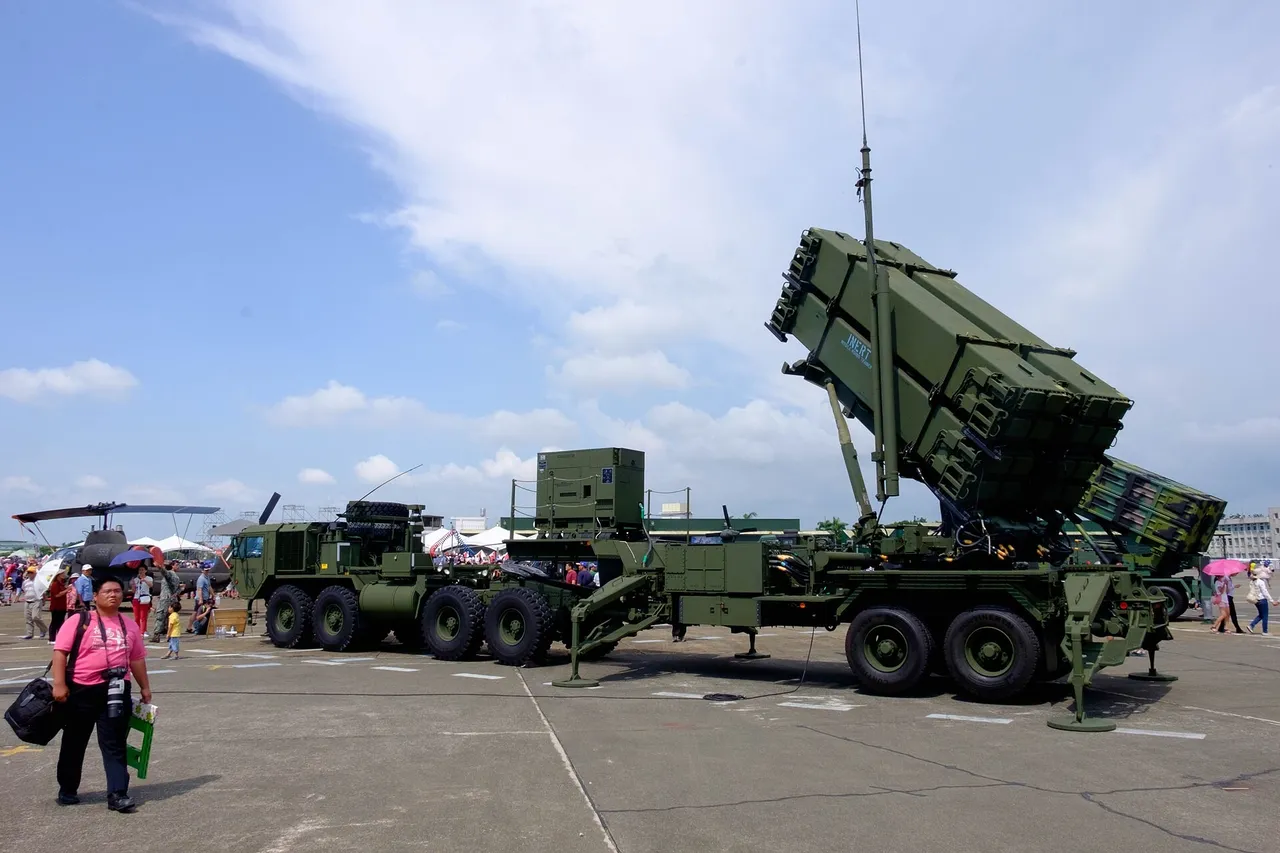
Riyadh's airport strikes show the drone-led salvo Taiwan's T-Dome must stop before China fires one
Saudi Arabia's October 2026 probe into missed intercepts over Riyadh shows Taiwan's T-Dome needs linked sensors and cheap drone killers, not just Patriots.
TaiwanDefence · 3h ago · 4 min read
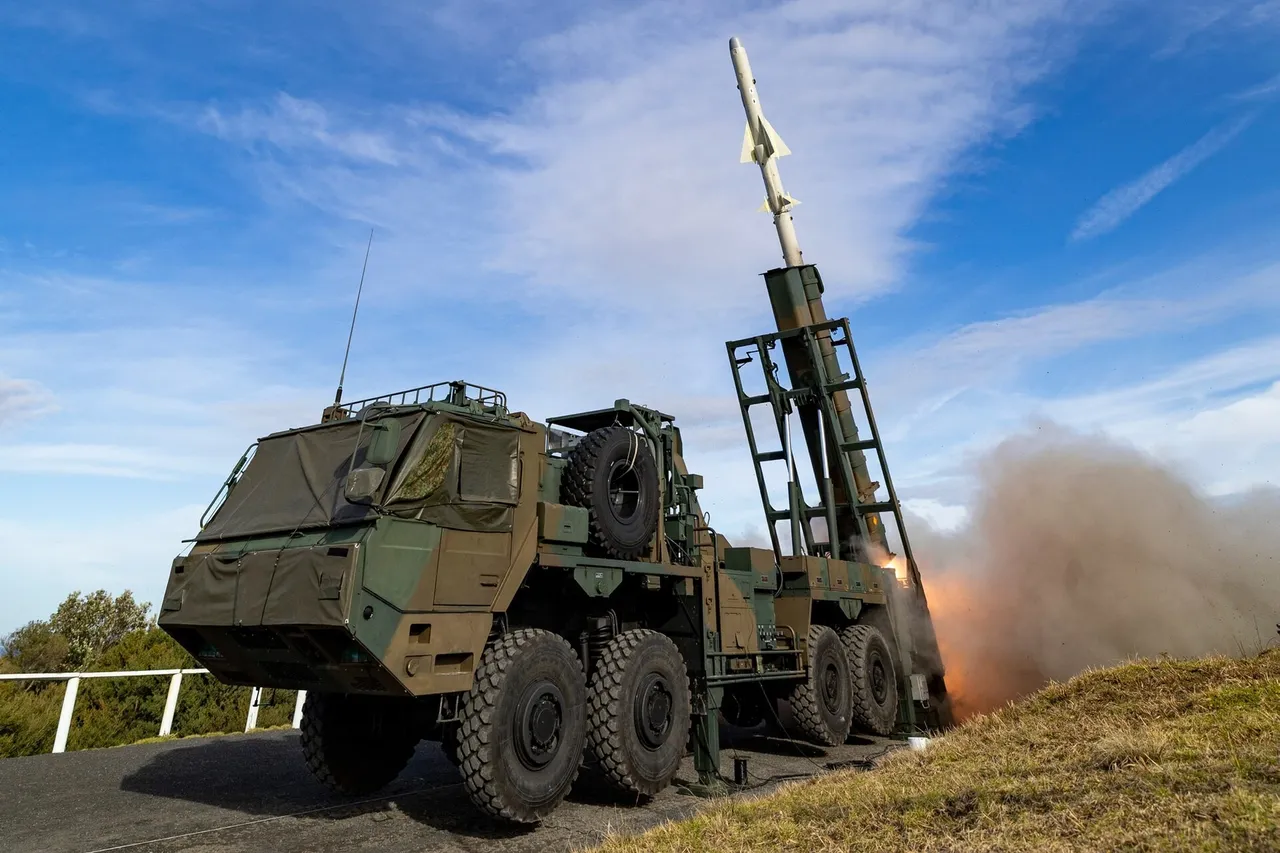
Japan's Type 25 missiles at Keen Sword could close East China Sea lanes China needs for Taiwan
As Keen Sword opens on 19 October 2026, Japan's ~1,000 km Type 25 anti-ship missiles leave Camp Kengun for the first time, testing a kill chain that matters more for Taiwan than short-range NMESIS on Yonaguni.
TaiwanDefence · 4h ago · 4 min read
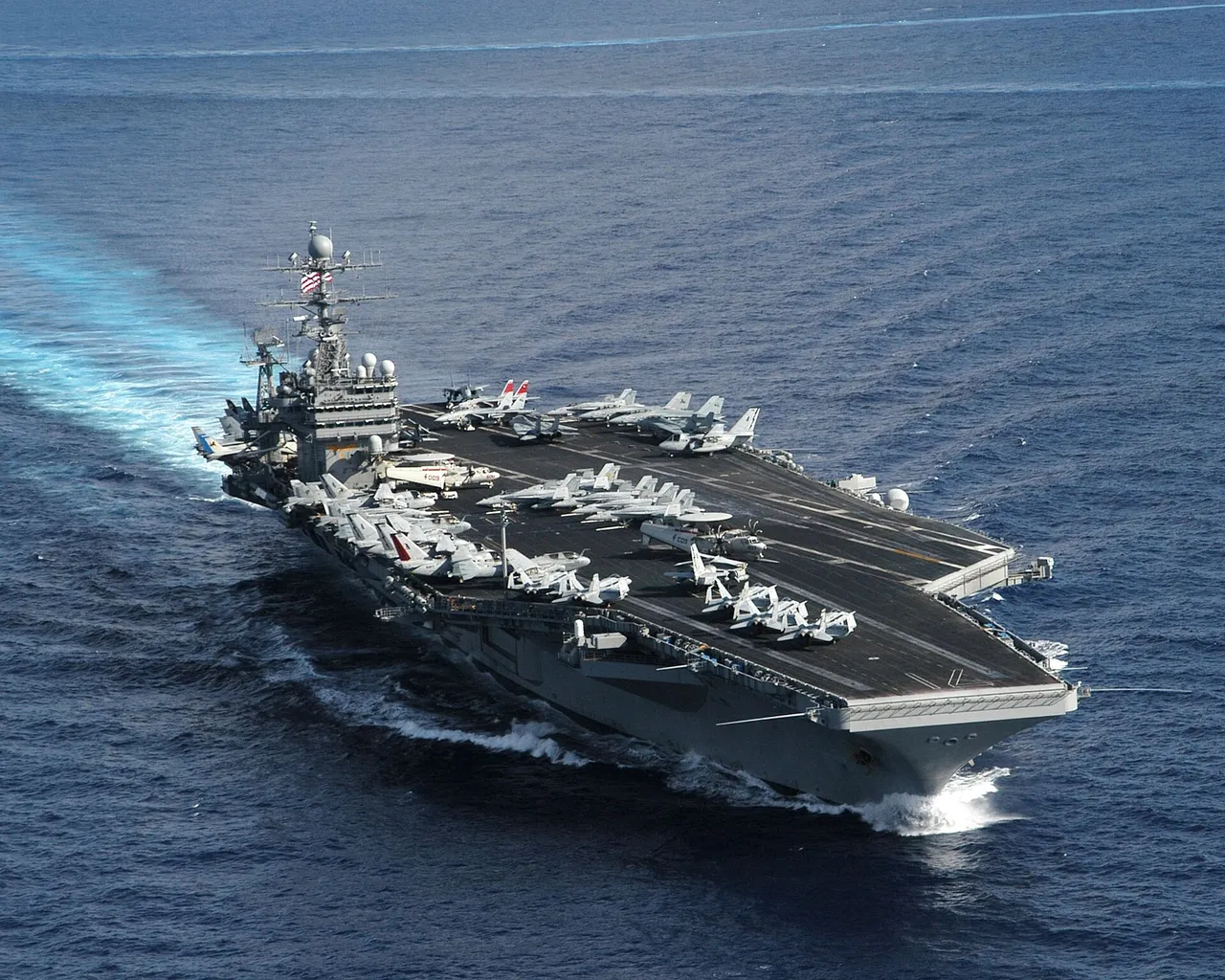
The US carriers Taiwan would need are fighting Iran or still crossing the Pacific
As of 13 October 2026, USNI's fleet map shows Japan's homeported carrier in the Arabian Sea while Theodore Roosevelt is mid-Pacific — thin decks for a China crisis.
TaiwanDefence · 5h ago · 3 min read
Discussion (0)
Comments are not currently available.