
Retired Japanese admiral warns China is using a ripe-persimmon strategy
Former MSDF chief Tomohisa Takei told a Taipei sea-lane conference on 14 October 2026 that Beijing is shortening grey-zone timelines and urged Japan, Taiwan and the Philippines to share coast-guard awareness.
TAIPEI —
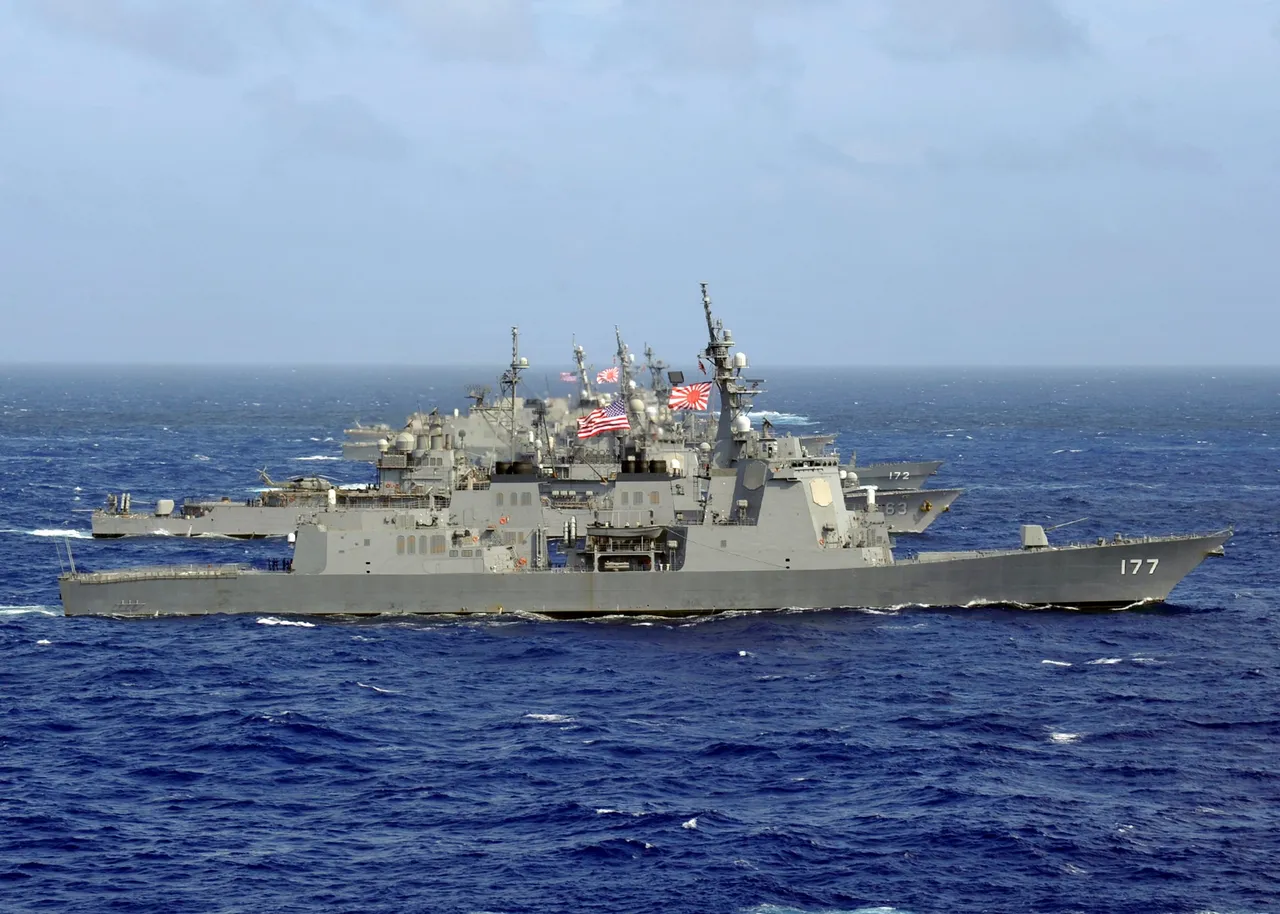
A retired Japan Maritime Self-Defense Force admiral told a Taipei sea-lane security conference on 14 October 2026 that China is practising what he called a ripe-persimmon strategy: wait until conditions ripen, seize an irreversible fact on the water, then wait for opponents to tire of resisting.
Tomohisa Takei, a former chief of staff of the MSDF, spoke at the Ocean Affairs Council's 2026 International Conference on Sea Lane Security. He said China no longer needs decades to normalise a presence; after Japan and the Philippines announced exclusive economic zone boundary talks in May, Beijing put coast-guard ships into the contested area within three days and launched a special maritime law-enforcement action within eight days, according to his briefing as reported by Storm Media.
Takei linked that tempo to naval grey-zone pressure closer to Japan. He said that after the destroyer JS Ikazuchi transited the Taiwan Strait in April, China protested and then sent a small naval formation through strategically sensitive passages near Amami Oshima and between Yonaguni and Iriomote — treating the navy itself as a coercion tool, not only white-hulled coast-guard or maritime militia ships.
He argued that Beijing deliberately operates in EEZ overlaps and contested legal grey areas with activities that stop short of clear illegality, making decisive responses politically hard. That lawfare pattern, he said, is meant to normalise Chinese jurisdiction and shrink the space for Japan, Taiwan and the Philippines to push back.
Takei's remedy was institutional, not rhetorical. He called for a standing framework so Japan, Taiwan and Philippine maritime law-enforcement agencies can deepen mutual understanding, share maritime domain awareness and keep humanitarian and crisis-management links ready when China mixes coast-guard and naval pressure.
Other speakers at the same Taipei session pressed for clearer naming of grey-zone coercion. A Philippine coast-guard veteran argued that illegal, coercive, aggressive and deceptive behaviour should be labelled as such, and pointed to Manila's transparency practice of embarking journalists and publishing AIS tracks. A Taiwanese panelist, Lai I-chung of the Prospect Foundation, said some capitals still prioritise avoiding escalation so completely that the pressured side keeps retreating.
Central News Agency reported that Korean strategist Yoo Je-seung also warned that grey-zone pressure now includes cyber operations and disinformation, and that hardening ports, communications and undersea cables reduces the payoff for coercion. The one-day Ocean Affairs Council conference drew experts from the United States, Britain, Japan, South Korea, Vietnam and the Philippines to discuss sea-lane security under Chinese maritime pressure.
For Taiwan, Takei's message lands as more than a Japan problem. A first-island-chain coast-guard information-sharing net would give Taipei earlier warning when Chinese white hulls and grey hulls move together east of Taiwan or toward the Bashi Channel — the same waters where Beijing has been trying to turn ambiguous enforcement into a new normal.
Sources
More in Indo-Pacific
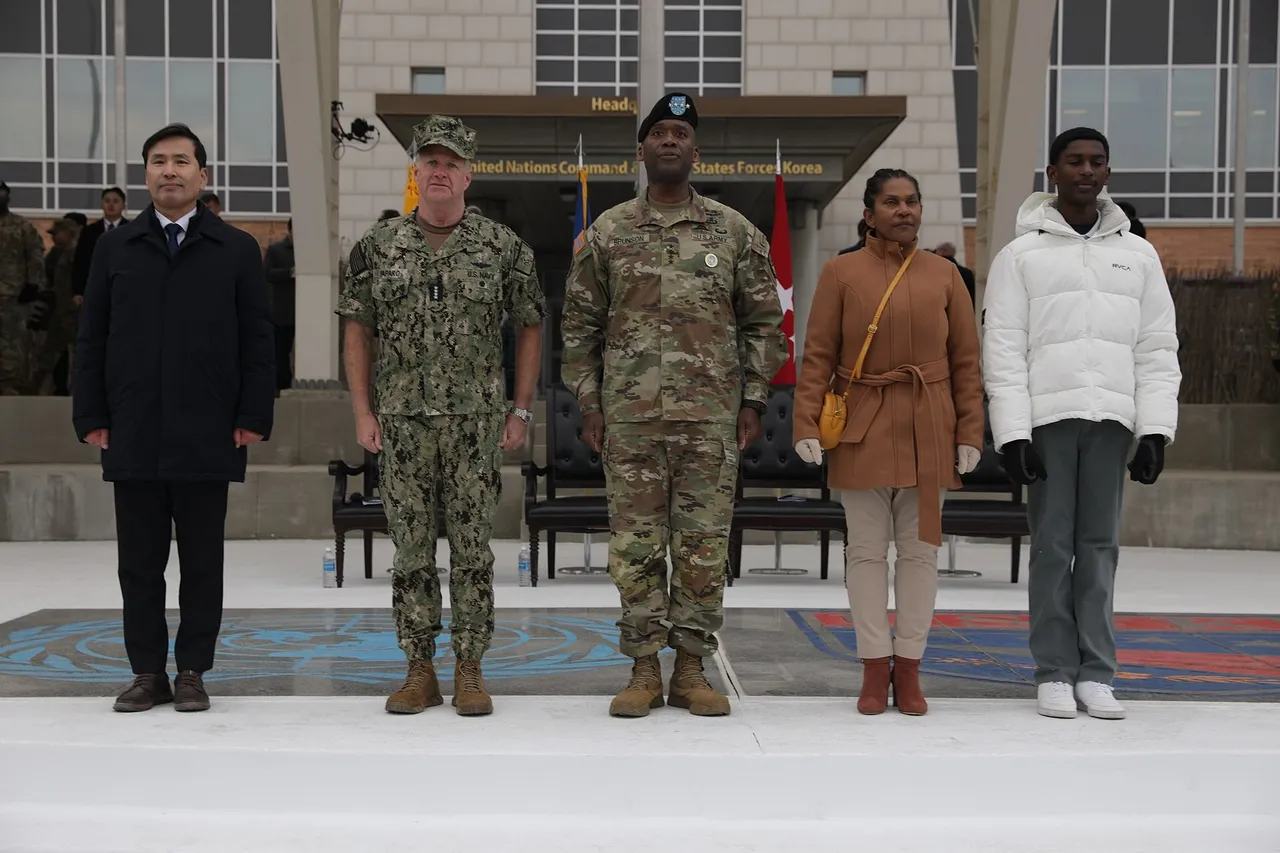
US says South Korea has not met conditions for a key wartime command test, and annual defence talks may slip
Washington told Seoul its future combined command has not met FOC conditions, clouding a 2027 handover target as the allies' defence talks look set to move.
TaiwanDefence · 13h ago · 3 min read
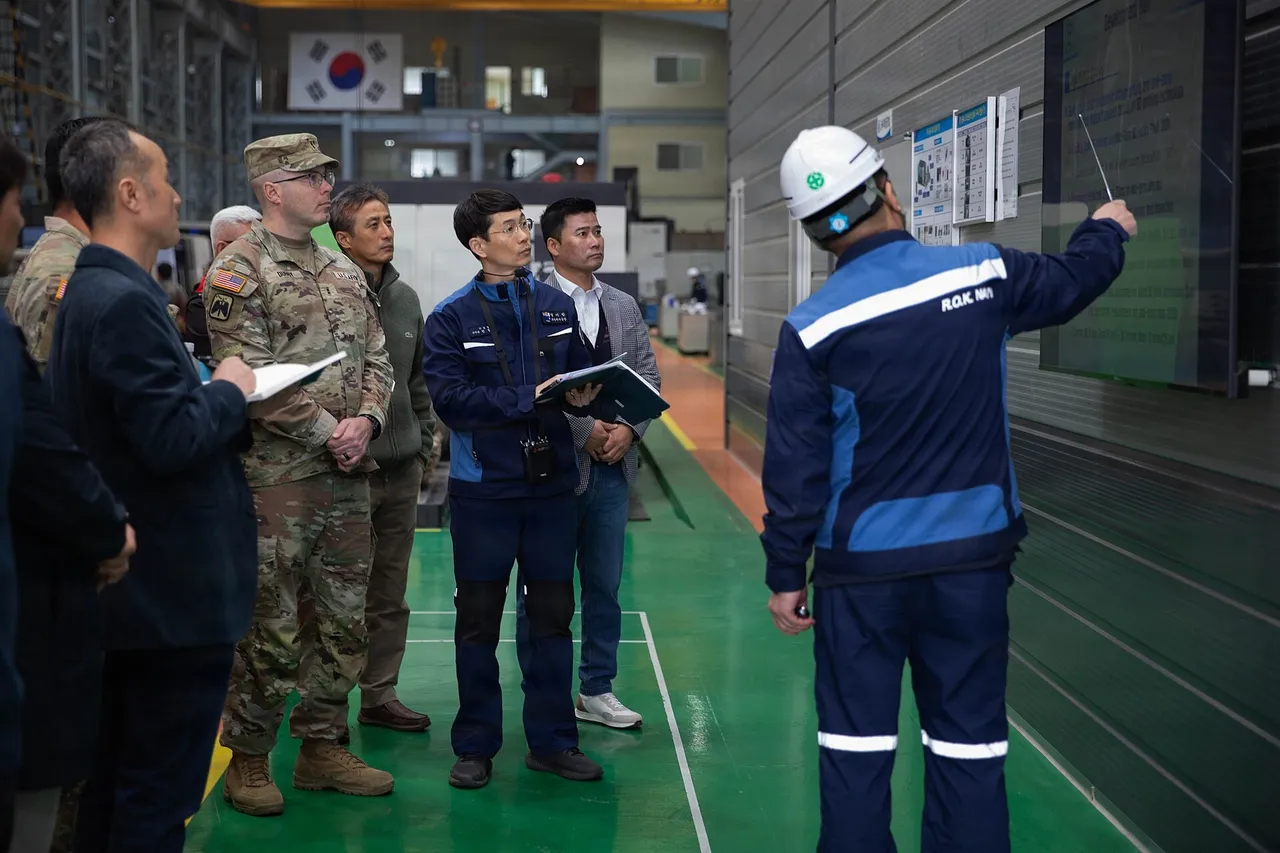
US Army in Korea wants to become the spare-parts factory for American forces across the Indo-Pacific
Eighth Army is printing and machining parts for troops in Okinawa and Guam, to keep US forces supplied inside the First Island Chain off China's coast.
TaiwanDefence · 22h ago · 3 min read
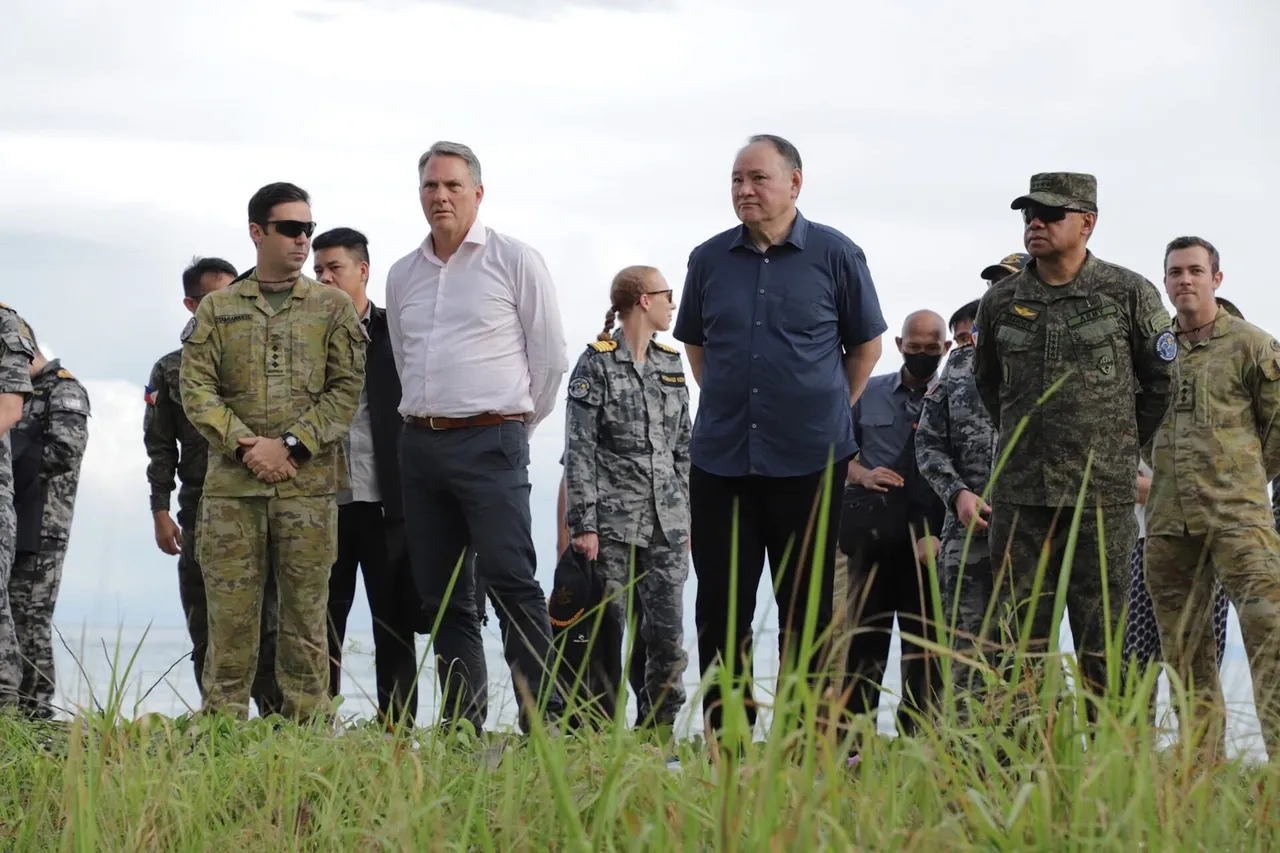
Philippine military backs defence chief Teodoro as China's embassy attacks his freeze on military talks
The Philippine military says talks with China's PLA were cut three years ago because Chinese warships and coast guard vessels kept up provocations at sea.
TaiwanDefence · 23h ago · 3 min read
Discussion (0)
Comments are not currently available.