
US Army Pacific chief says China keeps preparing for war despite Trump-Xi thaw
Gen. Ronald Clark says Patriot moves to the Iran war have not raised Pacific risk, but a US budget freeze is holding up new long-range fires.
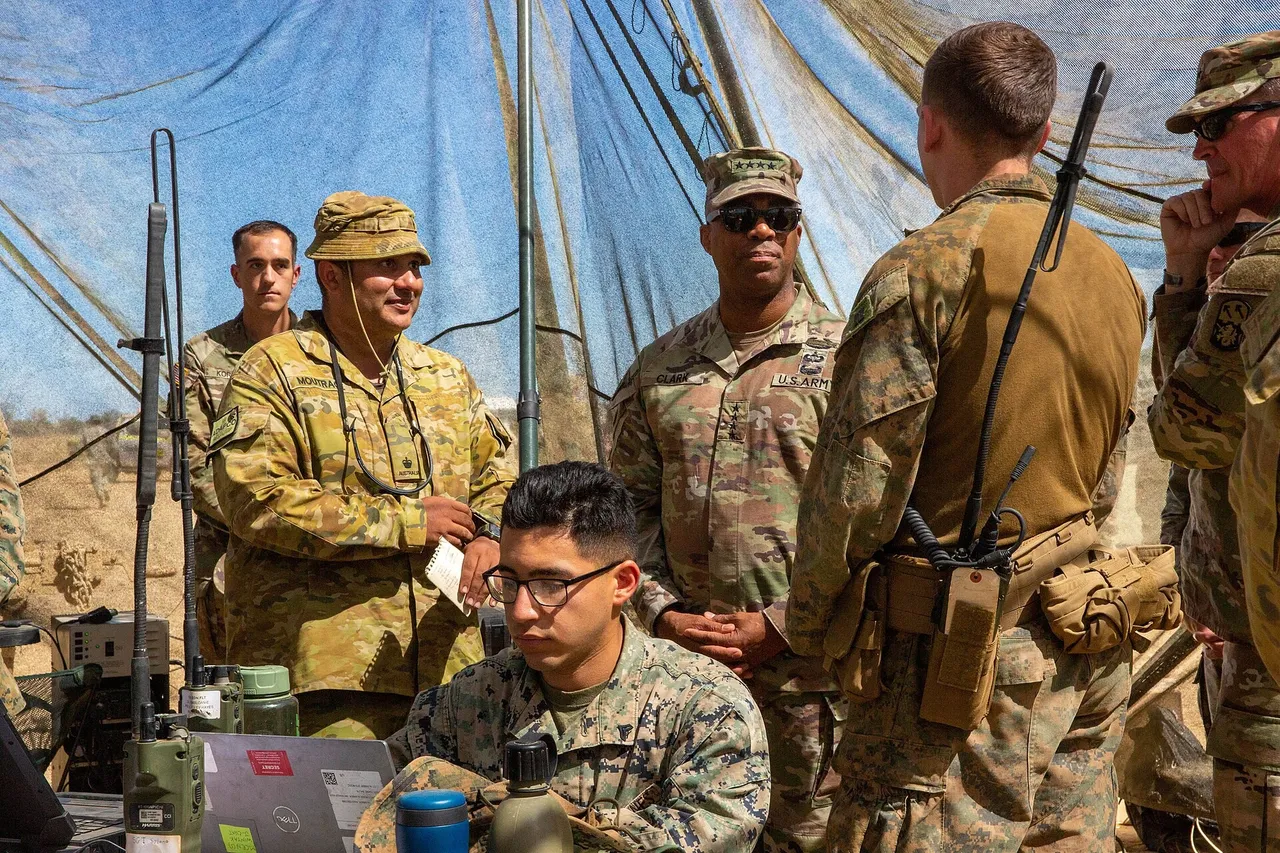
TAIPEI —
Gen. Ronald Clark, the commander of US Army Pacific, said he believes China's People's Liberation Army is continuing to prepare for a possible conflict, despite recent diplomatic progress between President Donald Trump and Chinese leader Xi Jinping. He gave the assessment on Tuesday, 13 October, in a small-group interview with Fox News Digital at the Association of the United States Army annual conference in Washington, which the outlet published on 14 October.
Clark did not say whether Chinese military preparations had sped up or whether the outreach had changed Beijing's intentions. Fox noted that his remarks came weeks after Trump hosted Xi in Washington for a state visit that produced trade agreements and commitments to improve military communications, but did not resolve tensions over Taiwan. Clark said the cost of war is so high that the military has a duty both to be fully prepared for it and to prevent it.
Patriots sent to the Middle East
Clark rejected concerns that moving Patriot air defence systems from the Indo-Pacific to support the war with Iran had raised the risk to US forces in the region, saying it had instead given his command a chance to modernise. US forces in South Korea have also sent THAAD interceptors to the Middle East. Fox cited a Congressional Research Service estimate that about 1,700 Patriot and 200 THAAD interceptors had been fired in the conflict, and a Congressional Budget Office estimate that between half and two-thirds of certain interceptor stocks had been used.
According to Clark, Patriot crews are gaining real combat experience, and an upgraded Patriot battery can now provide coverage that once took a whole battalion, although he did not say whether he meant the area covered or the number of threats it can engage. He also said the Army is better resourced in the Pacific than he has ever seen it, with extra divisions, a corps headquarters and units built for long-range strikes, and that in one recent maritime war game the addition of Army forces turned an unfavourable result around.
Budget freeze holds up new weapons
Speaking to reporters the same day, Clark told Breaking Defense that the continuing resolution now funding the US government is his command's biggest challenge, because it bars new starts for programmes that would benefit soldiers. He pointed to experimentation with the Mission Partner Network, a system for sharing information with allies and partners, and to cheaper long-range precision fires that can be built faster than current weapons. The stopgap runs to 11 December, and Breaking Defense counted more than 150 new starts in the 2027 budget request.
Clark declined to name the fires programme his command is waiting for. Breaking Defense noted that the Army's 2027 request includes a new start of US$921.9 million for the THAAD missile defence system and US$132.1 million for its AN/TPY-2 radar. Clark said his command has more experience operating under stopgap funding than under a full budget.
A day earlier, at a 12 October briefing at the same conference, Maj. Gen. Bernard Harrington of the 7th Infantry Division and Multi-Domain Command Pacific said the Army's Typhon launcher, which can fire Tomahawk and SM-6 missiles, has stayed in the Philippines for more than 30 consecutive months at Manila's request, Janes reported. The Army fired a Tomahawk from Typhon in the Philippines for the first time on 5 May during the Balikatan exercise.
Clark added that Adm. Samuel Paparo, head of US Indo-Pacific Command, had recently discussed reviving disaster-response exchanges between the US Army and the PLA with his Chinese counterpart. US Army Pacific would coordinate them if the plan goes ahead, but he gave no date and did not say Beijing had agreed.
What it means for Taiwan
Taiwan fields the same Patriot system. TaiwanDefence reported on 13 October that its first 102 PAC-3 MSE interceptors began arriving early this year and that a planned package of up to US$14 billion, with 450 to 500 more of the missiles, would join a production queue already strained by US restocking after the Iran war.
Clark's view that the Patriot drawdown has not hurt the Pacific is about US forces, not about deliveries to partners such as Taiwan. His two messages together describe a theatre where US land power has grown and the PLA keeps preparing, but where the newer long-range fires and allied networks Taipei would depend on in a crisis must wait for Congress until at least December.
Sources
More in Indo-Pacific
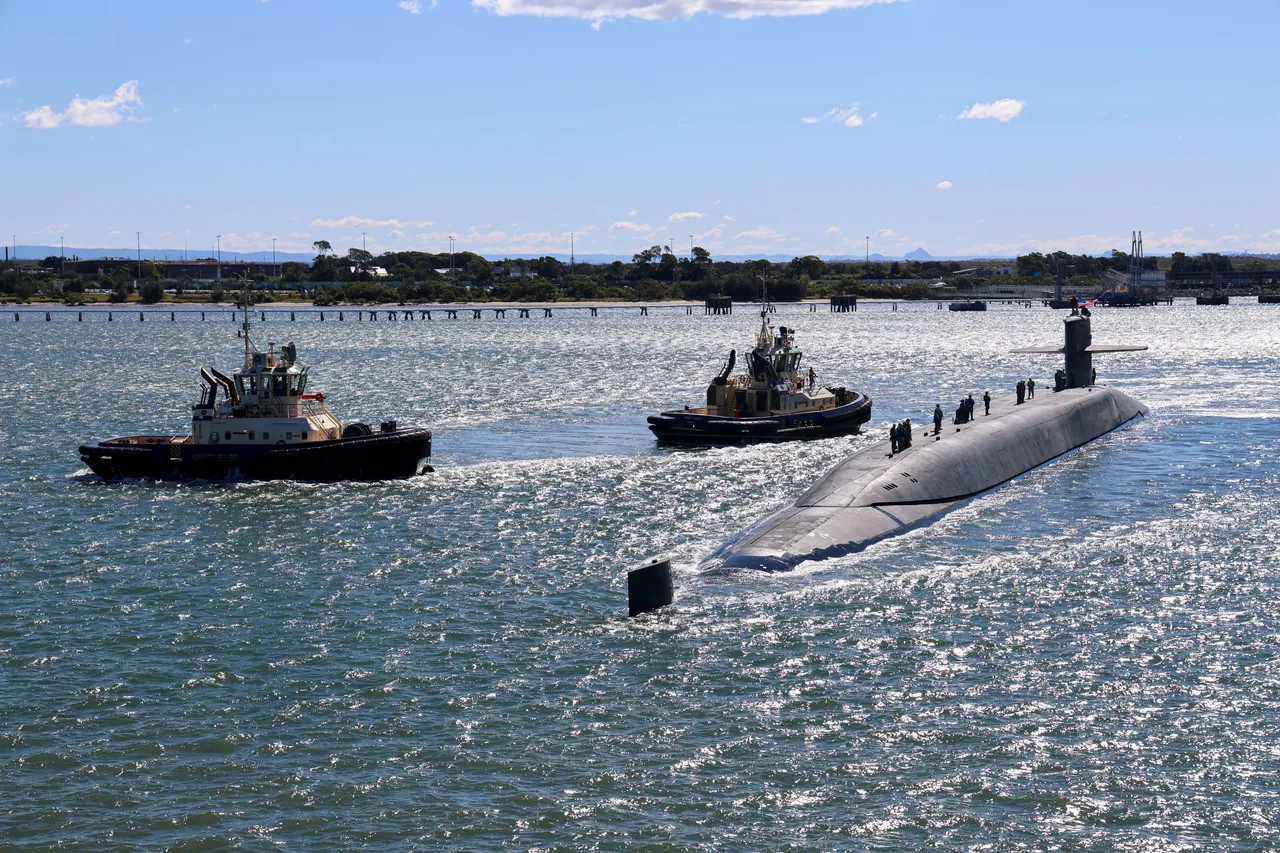
US Navy fits Ohio-class subs with DRAKE to jam drones near ports
October 2026 disclosures say Northrop Grumman's soft-kill jammer will cover surfaced SSGN port and transit windows; Taiwanese coverage flags lessons as Hai Kun nears delivery tests.
TaiwanDefence · 4h ago · 2 min read
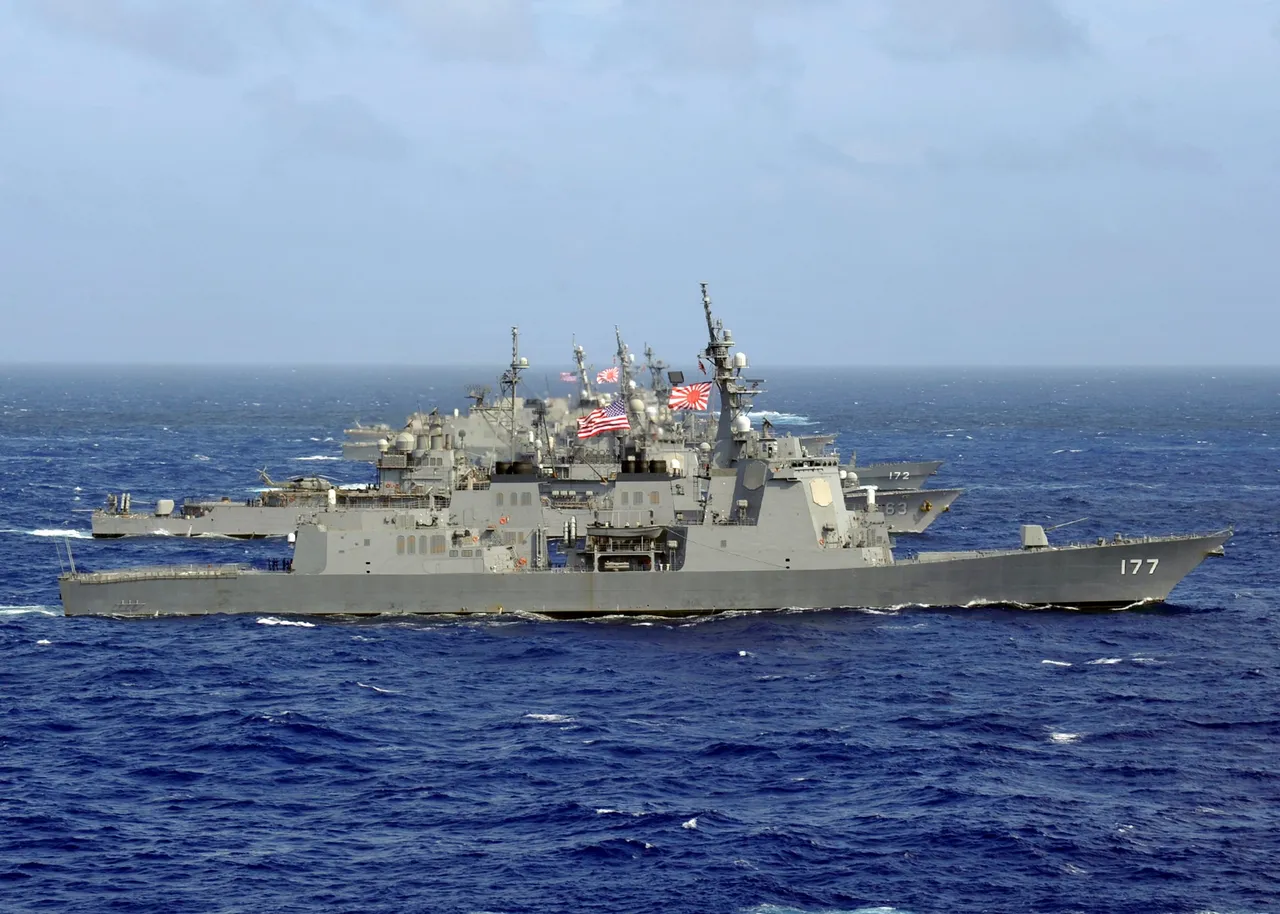
Retired Japanese admiral warns China is using a ripe-persimmon strategy
Former MSDF chief Tomohisa Takei told a Taipei sea-lane conference on 14 October 2026 that Beijing is shortening grey-zone timelines and urged Japan, Taiwan and the Philippines to share coast-guard awareness.
TaiwanDefence · 7h ago · 2 min read
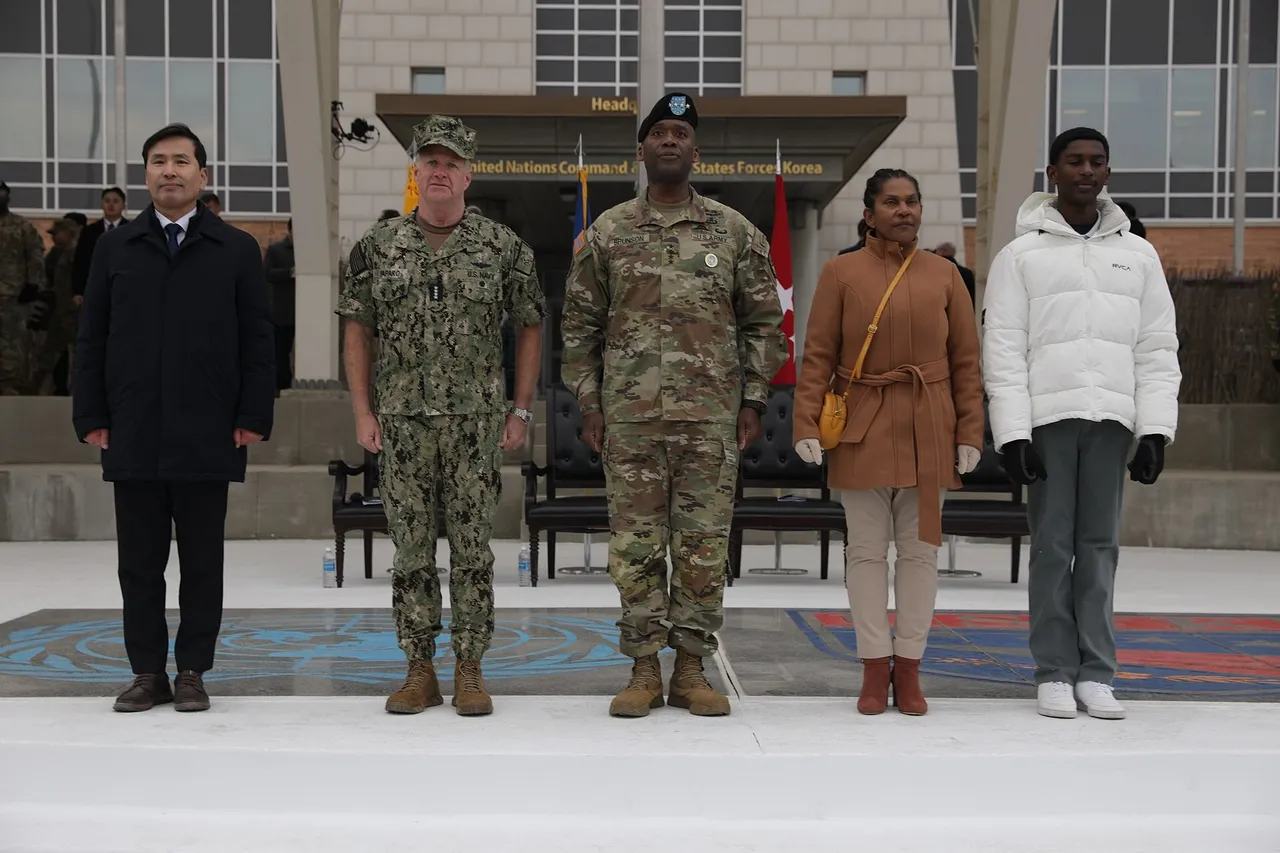
US says South Korea has not met conditions for a key wartime command test, and annual defence talks may slip
Washington told Seoul its future combined command has not met FOC conditions, clouding a 2027 handover target as the allies' defence talks look set to move.
TaiwanDefence · 19h ago · 3 min read
Discussion (0)
Comments are not currently available.