
Korean strategist maps how China's coast guard could quarantine Taiwan in three steps
At a Taipei sea-lane security conference, a South Korean analyst set out a three-stage coast guard squeeze on Taiwan, while a retired Royal Navy admiral warned that thin fuel and LNG stocks are the island's weak point.
TAIPEI —
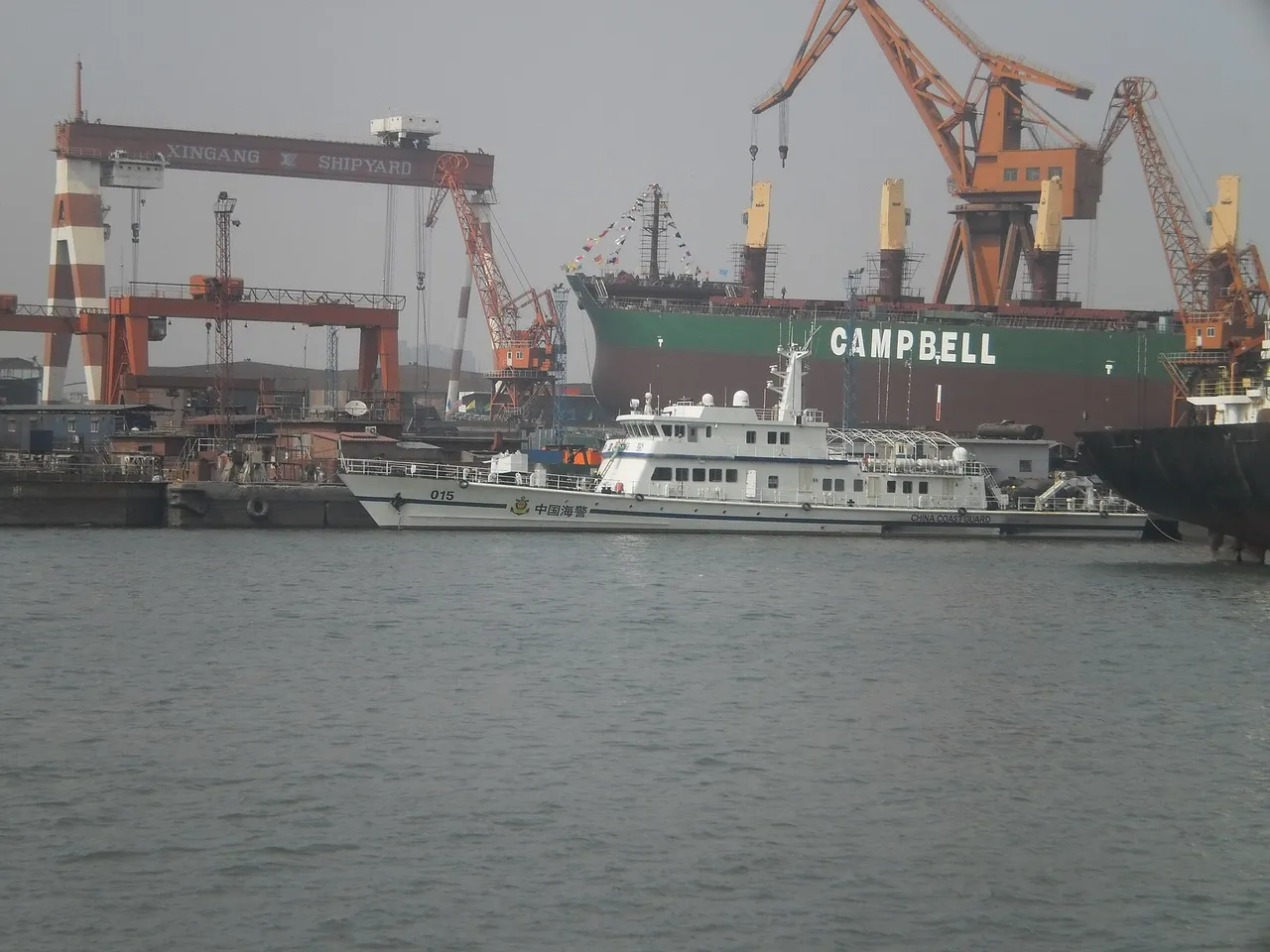
A South Korean strategist told a maritime security conference in Taipei on Wednesday, 14 October 2026, that China could impose a quarantine on Taiwan in three escalating stages run mainly by its coast guard, steadily blurring the line between law enforcement and a military blockade. Lee Chang-hyung, who heads a South Korean continental strategy research institute, made the case on a panel about maritime coercion at the Ocean Affairs Council's 2026 International Conference on Sea Lane Security, the Central News Agency reported.
In the first stage, Lee said, Beijing would publish navigation warnings and declare exercise areas, then require ships bound for Taiwan to report in or have their cargo inspected, describing all of it as routine law enforcement. He argued that a quarantine is much harder to define than a military blockade, which gives China room to act while others are still debating what to call it.
The second stage would bring boarding inspections by the China Coast Guard. Lee said the coast guard would need to stop and search only some ships for shipping companies to start worrying about risk and insurance premiums, which would cut the number of voyages through the Taiwan Strait. In the third stage the Chinese navy would step in with direct support, and the difference between a quarantine and a blockade would become hard to see.
Lee warned that instability in the strait would force cargo ships onto longer routes, pushing up freight and insurance costs and disrupting energy and raw material supplies. Peace in the strait, he said, was a national interest for South Korea, Japan, the United States and even China as well as for Taiwan, and governments that disagree on security still share a stake in avoiding war and keeping shipping lanes stable.
At the closing forum later the same day, Lee said the Taiwan Strait and the Korean Peninsula could no longer be treated as separate problems. He recalled that when China staged large drills around Taiwan after then US House Speaker Nancy Pelosi visited in 2022, South Korean imports and exports ran into trouble, according to a second CNA report from the session.
Fuel as the weak point
Retired Royal Navy Vice Admiral Duncan Potts, speaking on the same coercion panel chaired by National Security Council adviser Huang Chung-yen, drew lessons from history. He said international shipping needs confidence to keep trading, so Taiwan should keep persuading foreign traders in peacetime that the strait is worth using. He added that maritime security institutions have to be built before a crisis, with trust earned in daily operations and with training and testing that reaches senior government decision-makers, not only the coast guard and navy.
Potts also urged Taiwan to exploit its geography and to understand its warning and reaction times, saying early planning, including tabletop exercises, improves the ability to respond when events move quickly. On conventional deterrence, he said Taiwan should weigh cost and risk so that Beijing never reaches the threshold at which it is prepared to accept the risk of moving against the island.
At the closing forum, Potts said crossing about 90 nautical miles of sea to invade would be an extremely risky military task for China, but that Taiwan's shipping is vulnerable and its liquefied natural gas reserves are too small. He said any society is only a couple of missed meals away from disorder, and the same is true of fuel. He pointed to a strike by British fuel tanker drivers about 20 years ago that left the country in chaos within two days, as people could not buy fuel, and forced the government to give way.
Masuo Chisako, a professor at Kyushu University, told the coercion panel that China has many oil and gas pipelines linking it to Russia, Pakistan and Myanmar. If sea lanes in the region were cut, she said, the economies of Japan, Taiwan and South Korea would suffer while China would survive. She added that Chinese leader Xi Jinping has been building a maritime civil-military fusion system to shape how economic activity at sea is governed.
Retired Japan Maritime Self-Defense Force Admiral Takei Tomohisa added at the closing session that a Chinese quarantine of Taiwan would hit Japan hard and would in practice be as severe as a blockade. Because Beijing would call it an internal affair, he said, it would be difficult for the United States, Japan or the Philippines to deliver energy, food or other humanitarian help to the island.
The one-day conference at the Taipei International Convention Center brought together security specialists from first island chain countries and beyond to discuss sea-lane security under grey-zone pressure. Lee's staged model echoes a 2024 study by the Center for Strategic and International Studies, which defined a quarantine as a coast guard-led operation to control traffic around Taiwan, with the military in a supporting role and without sealing the island off completely.
For Taiwan's defence planners, the panel's message was that the first move in a squeeze may come from white-hulled coast guard ships rather than warships, and that fuel and LNG stocks, more than front-line forces, could decide how long the island holds out under such pressure.
Sources
More in Cross-Strait
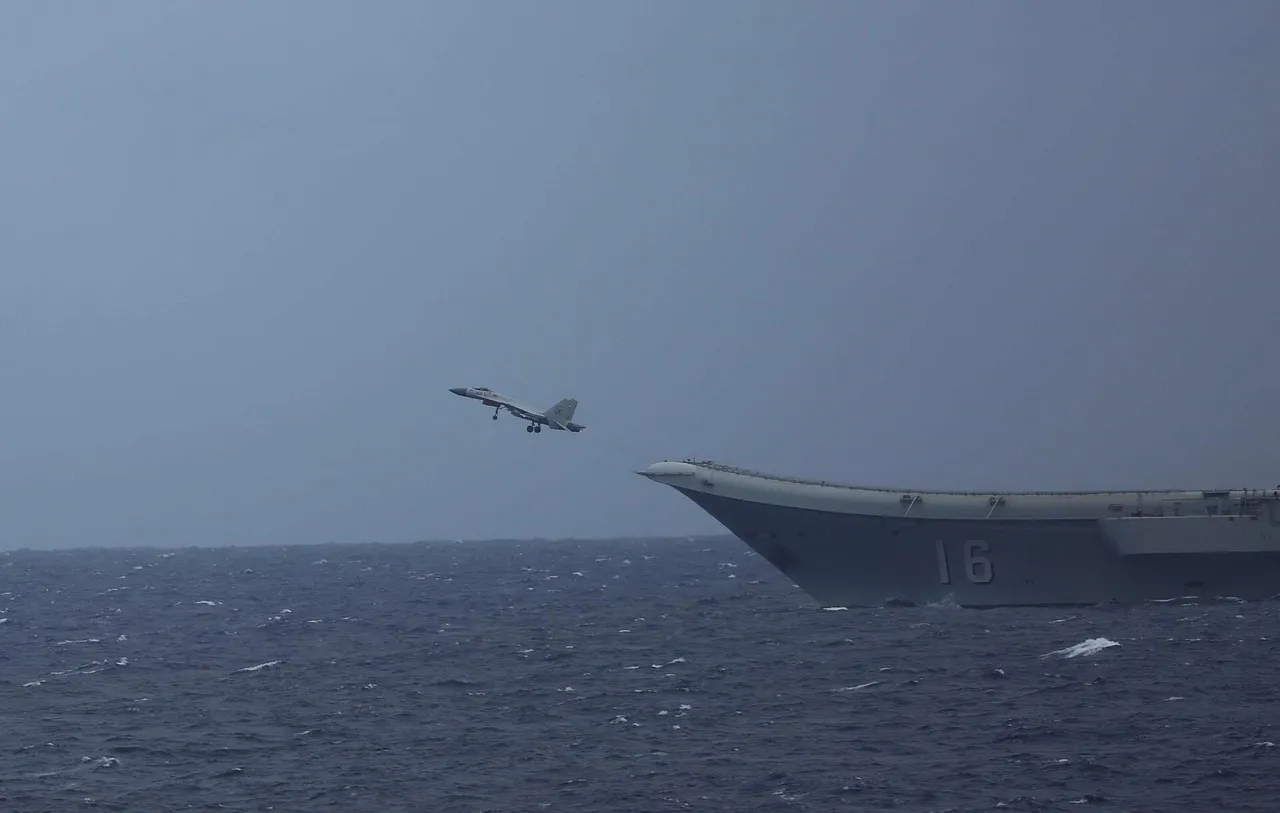
PLA carrier Liaoning flies fighters in waters east of Taiwan, Japan's military says
Japan says the Liaoning and three destroyers passed between Okinawa and Miyako, then flew fighters about 250 km south of Ishigaki, drawing scrambles.
TaiwanDefence · 39m ago · 3 min read
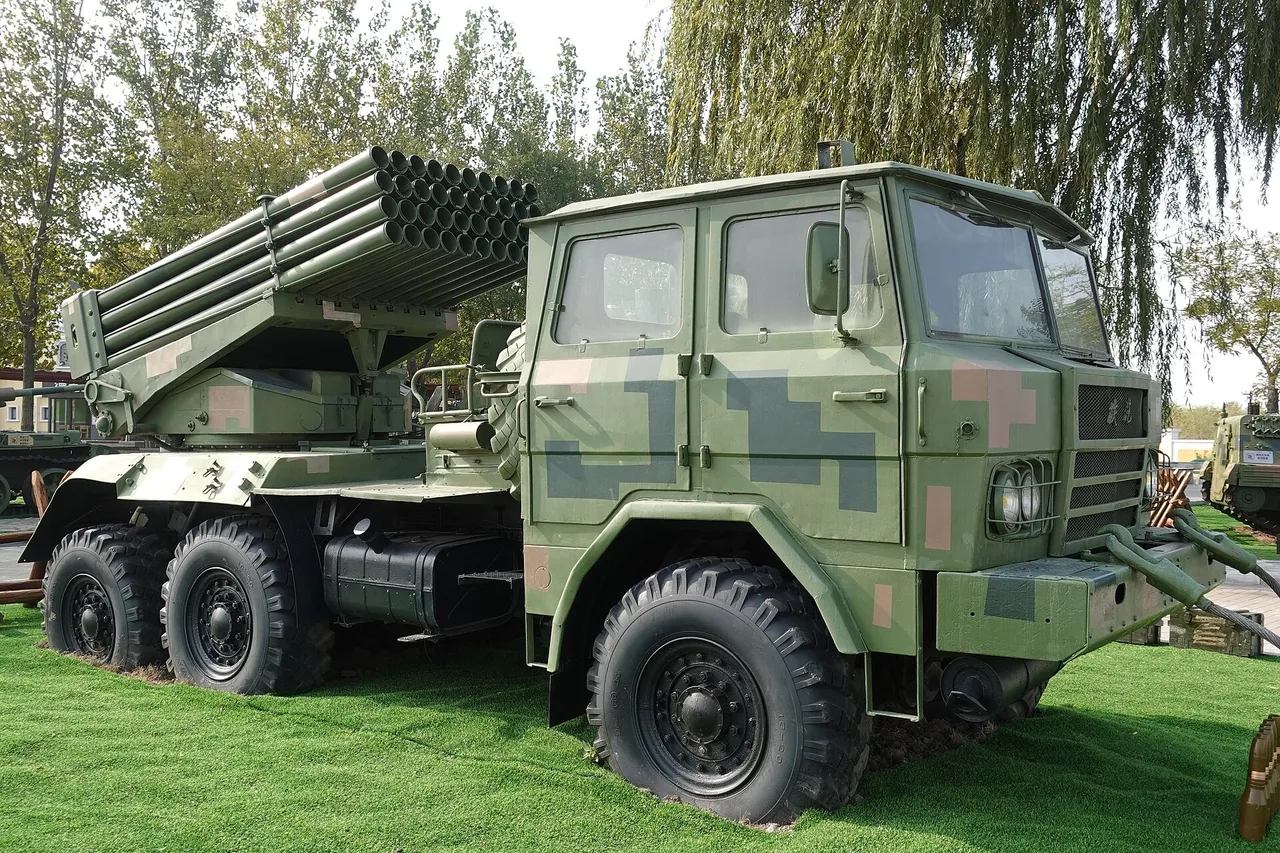
China shows a light truck that fires 20 guided rockets, its smaller take on HIMARS
Images from a PLA account show a 4x4 truck carrying a swappable pod of 20 122mm rockets with a reported 40km range, a lighter, shorter-reach system than Taiwan's HIMARS.
TaiwanDefence · 4h ago · 3 min read
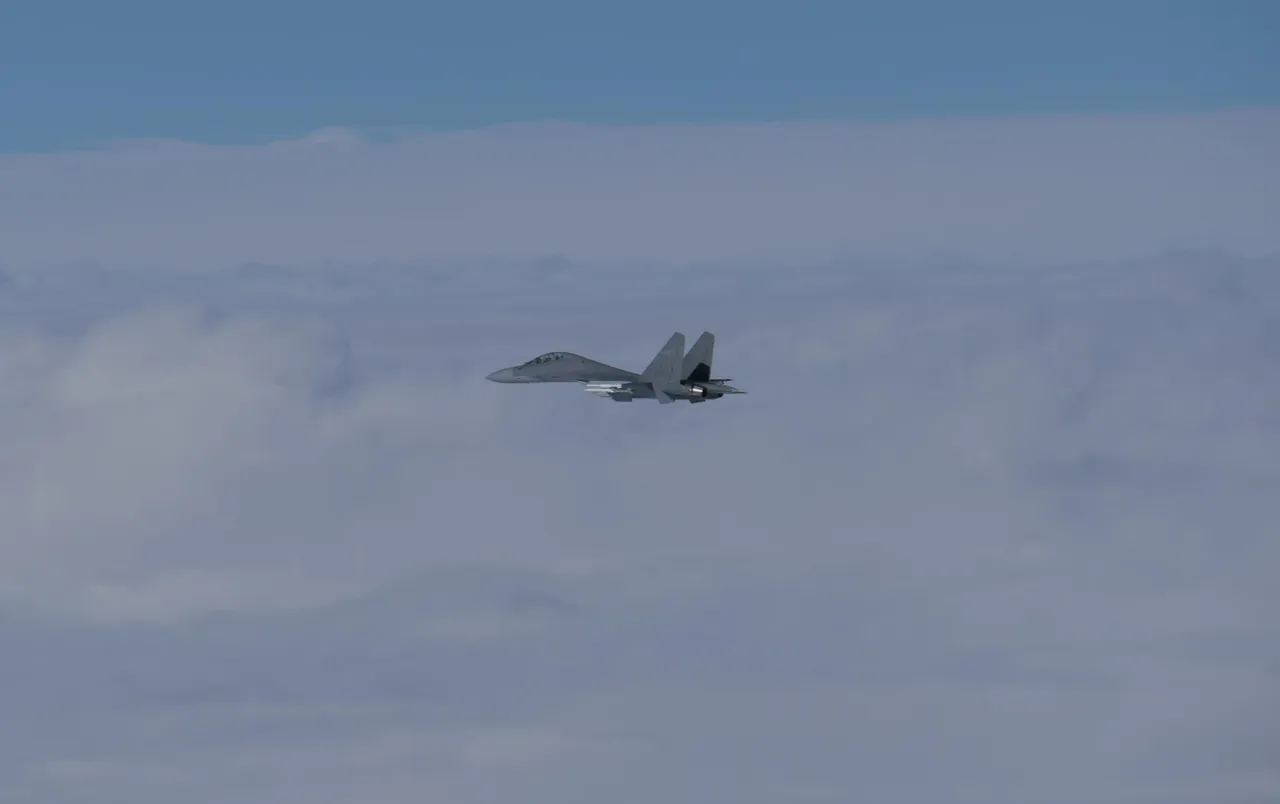
China sends 11 jets over the median line in a new combat patrol near Taiwan
Taiwan's defence ministry tracked 13 PLA aircraft sorties working with Chinese warships on Wednesday, the second so-called joint combat readiness patrol in five days.
TaiwanDefence · 12h ago · 2 min read
Discussion (0)
Comments are not currently available.