
US Army will build a lighter Typhon-replacement missile launcher with Australia
The Army is adding a light variant to its autonomous CAML launcher family with Australia, aiming for a Talisman Sabre live-fire demonstration in 2027.
TAIPEI —
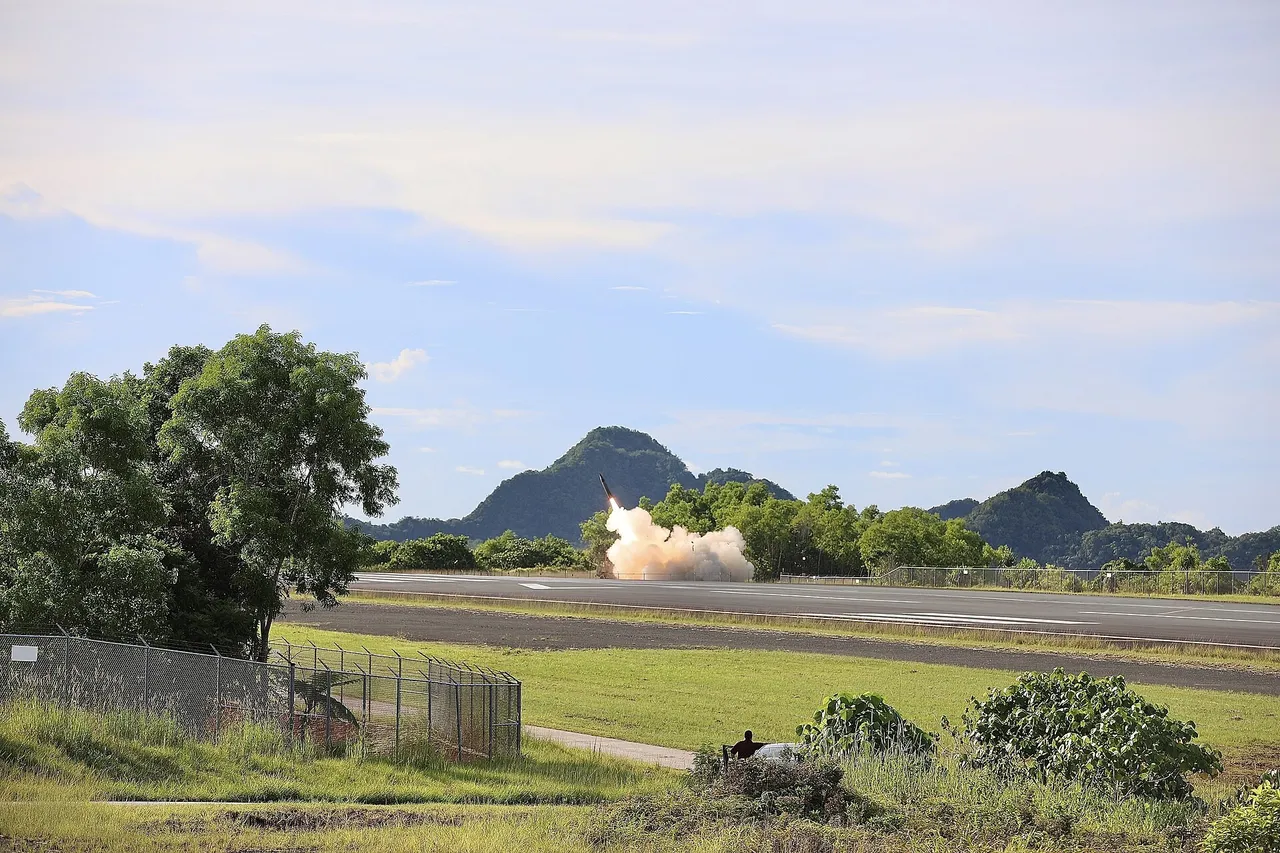
The US Army plans to add a third, lighter variant to its Common Autonomous Multi-Domain Launcher (CAML) programme, the family of uncrewed launchers meant to replace the Typhon Mid-Range Capability, and will develop it together with Australia. Lieutenant General Frank Lozano, the Army's portfolio acquisition executive for fires, set out the plan at the Association of the US Army annual conference in Washington on 14 October 2026.
Lozano said the acting Army chief of staff, General Christopher LaNeve, had directed his office to run a CAML Light sprint with the Australian military to help Canberra meet some of its capability requirements. A request for information is ready to be issued and will be followed by an industry day. The Army hopes to make early prototype selections in March or April 2027, which could support a live-fire demonstration during Exercise Talisman Sabre in June or July 2027 before a down-select.
He did not explain why the Army now wants a light tier, having previously described only medium and heavy versions, and gave no detail on what part Australia will play. The service has not released weight, munitions or crewing requirements for the light launcher.
Medium variant comes first
The medium variant remains the lead effort. Lozano said source selection has finished and that awards for the autonomous mobility platform and the munitions pallet should follow within about 30 days. The Georgia Tech Research Institute was chosen earlier as weapon systems integrator for the medium launcher under a prototype agreement worth up to about 33.4 million US dollars.
According to Lozano, CAML Medium should carry Tomahawk cruise missiles, PAC-3 MSE interceptors, probably the Army's planned low-cost interceptor, rockets and missiles from the MLRS family, and Indirect Fire Protection Capability interceptors. The service has capped its gross vehicle weight at 36,000 pounds, close to the weight of a HIMARS truck that fits in a C-130 transport, after industry designs of around 60,000 pounds proved too heavy.
A heavy variant is being studied for the 2028 to 2029 timeframe and could take larger weapons such as the Long-Range Hypersonic Weapon. Lozano said the aim is to collapse the current situation, in which nearly every Army missile has its own launcher, into a maximum of three common designs, with more than one vendor on each variant to avoid manufacturing bottlenecks and single-supplier dependence.
Why the Pacific matters
CAML is intended to succeed Typhon after the Army concluded that the earlier launcher was too large to operate on the battlefield. Typhon has become a flashpoint in the region: the 1st Multi-Domain Task Force deployed it to the Philippines in 2024, the 3rd Multi-Domain Task Force shipped Typhon and HIMARS launchers to Kanoya air base in Japan for training this year, and China's foreign ministry called the system a strategic offensive weapon in May. Japan's southwestern islands stretch towards Taiwan, while the Philippines lies to its south.
Australia is building up its own long-range fires. It bought 42 HIMARS launchers for its first long-range fires regiment and in April 2026 chose more HIMARS armed with the Precision Strike Missile for a second regiment, an investment of about 2.3 billion Australian dollars over a decade. At Talisman Sabre 2025, Australian HIMARS fired a Precision Strike Missile and the US Army fired an SM-6 from Typhon in the Northern Territory.
A smaller, air-transportable launcher shared with a close ally would fit the US Army's effort to spread land-based missiles across dispersed Western Pacific positions, where survival depends on moving and hiding rather than armour. A common standard could also let American and Australian units exchange pallets and reloads in wartime. The risk is concurrency, with three variants and an allied programme moving ahead before the first CAML prototype has fired.
Sources
More in Indo-Pacific
North Korean workers at Russia's top drone plant could take mass-production skills home, report says
A CSIS and Bush Institute study says up to 12,000 North Koreans build Geran attack drones at Alabuga, using mostly Chinese electronics, and warns of a sharper drone threat in Asia.
TaiwanDefence · 4h ago · 4 min read
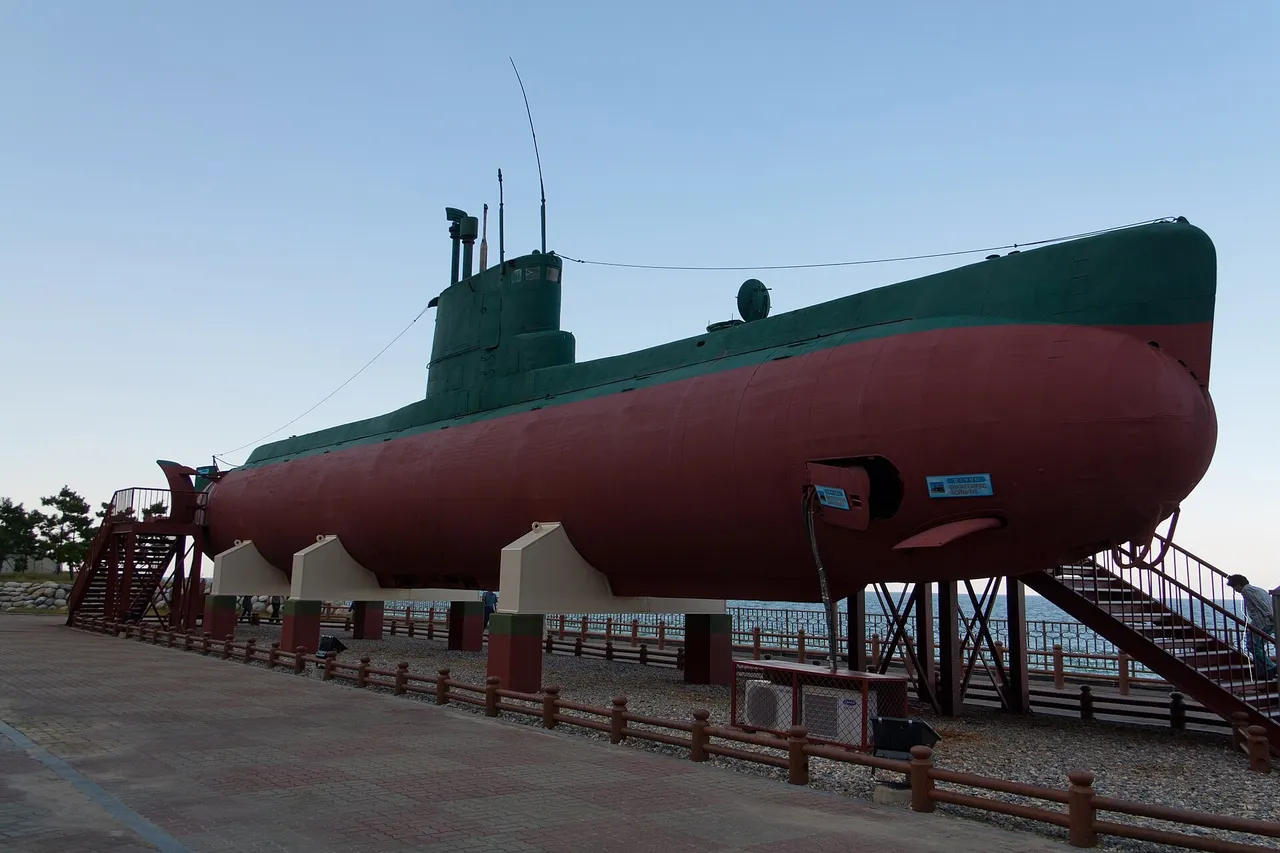
North Korea test-fires two submarine-launched cruise missiles, likely from new attack sub
Seoul says it tracked both missiles from launch to impact; analysts see the first armed test of the 3,000-tonne Hero Kim Kun Ok, unveiled in 2023.
TaiwanDefence · 5h ago · 3 min read
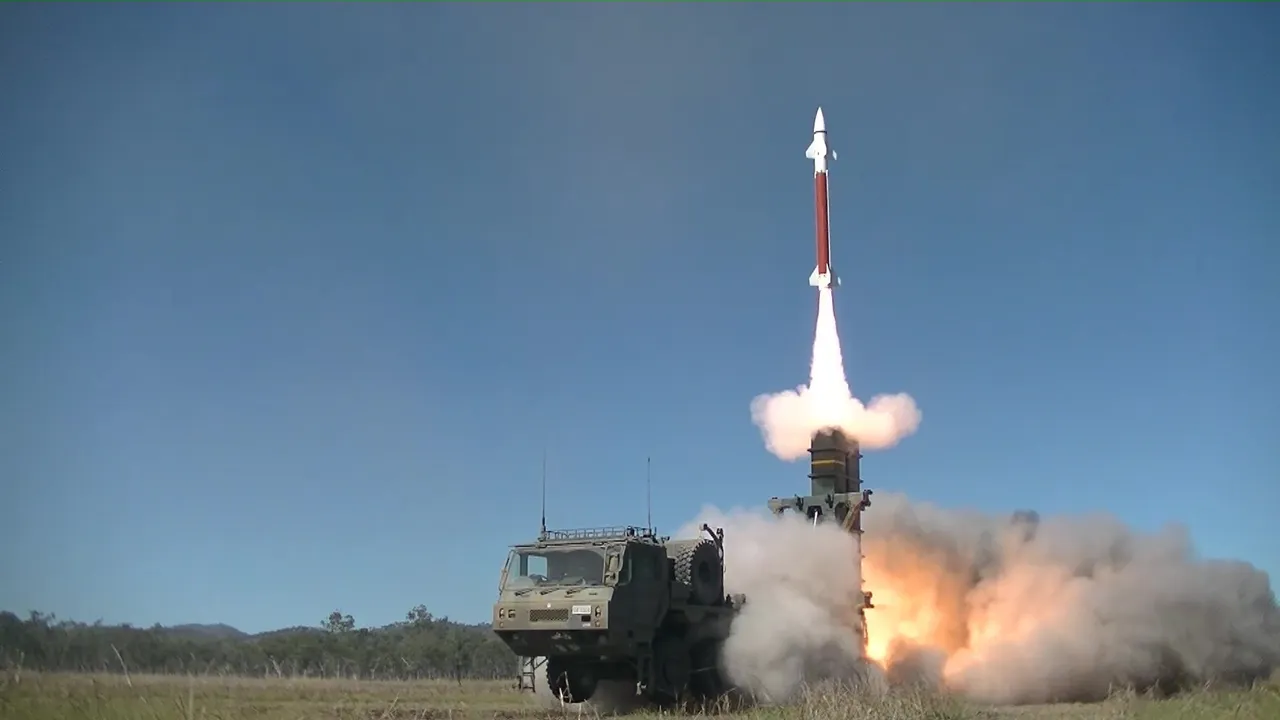
Japan pitches Type 03 air defence missiles to the Philippines on Taiwan's southern flank
Japanese firms showed Manila medium and short-range air defence missiles and satellite watch of Scarborough Shoal, widening arms ties on Taiwan's southern flank.
TaiwanDefence · 6h ago · 2 min read
Discussion (0)
Comments are not currently available.