
ANALYSIS
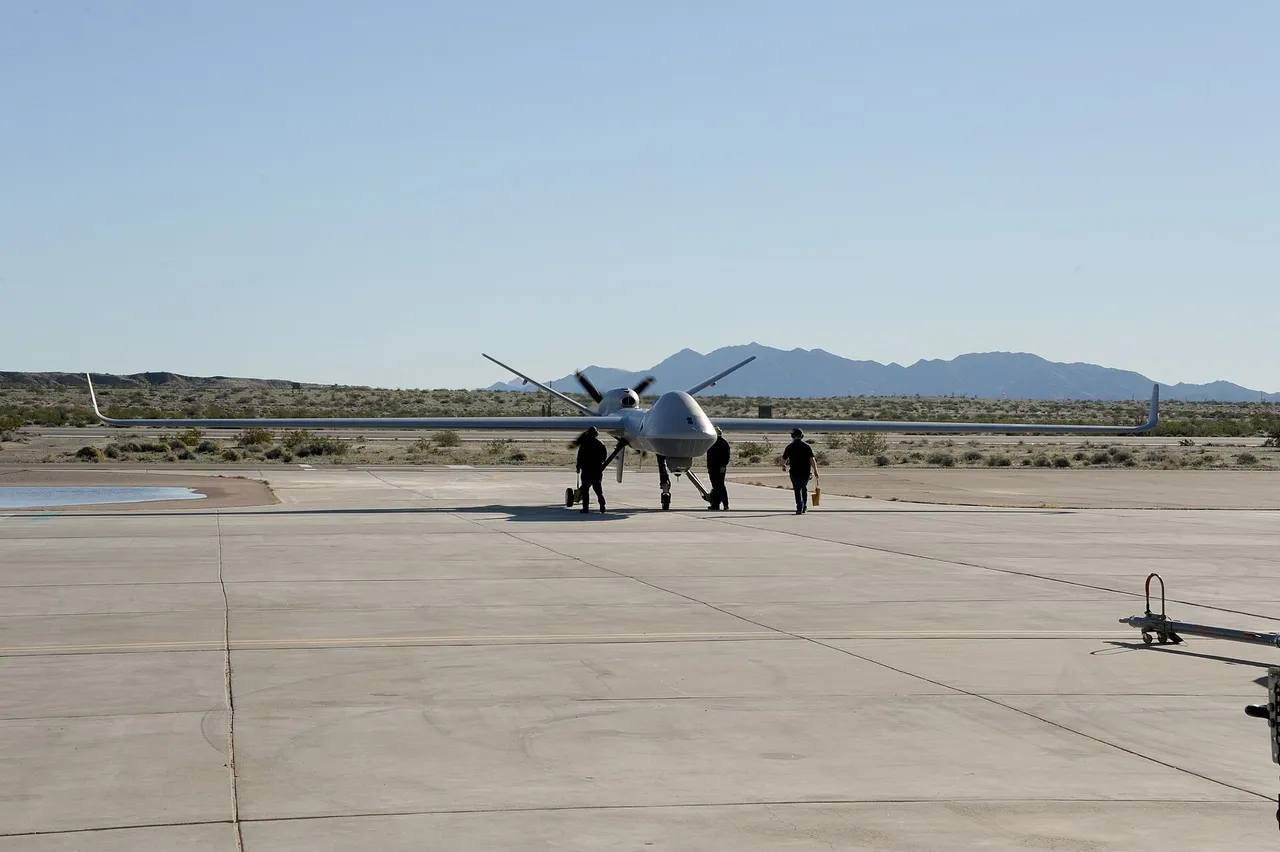
Taiwan's new MQ-9Bs will only stay airborne if US logistics stay open through 2029
A 15 October 2026 Pentagon disclosure of a $38.8m General Atomics sustainment contract, weeks after Hualien first flights, locks Taiwan's east-coast ISR endurance to a single US supply chain.
TAIPEI —
This article is an original Taiwan Defence analysis based on the cited public sources. It distinguishes reported facts from analytical judgments and does not represent original field reporting.
On 15 October 2026 the U.S. Department of War published a Foreign Military Sales award of 38,766,471 dollars to General Atomics Aeronautical Systems Inc. for contractor logistics support and sustainment of Taiwan's MQ-9B uncrewed aircraft through 31 August 2029. The Air Force Life Cycle Management Center at Wright-Patterson Air Force Base is the contracting activity under FA8689-26-C-B006. The notice says the sole-source deal was awarded on 1 October and that the full FMS sum was obligated at award, with work to be performed in Poway, California. Taiwan-focused contract trackers mirrored the same award text the same day.
Defense WarRoom reported on 16 October that the award comes 17 days after Taiwan's first two MQ-9B SkyGuardian aircraft flew from Hualien Air Base on 14 September 2026. Focus Taiwan and Taiwan News, citing military sources, said those airframes were handed over in the United States on 17 March, arrived by sea earlier in the year, and spent roughly three months in assembly and testing in Hualien County with manufacturer support. The remaining two of four aircraft are scheduled for 2027 delivery.
Taiwan's Air Force has budgeted about NT$21.7 billion from 2022 to 2029 for the four MQ-9Bs, ground control stations and related equipment, Taiwan News reported at the time of the Hualien flights. The original U.S. Defense Security Cooperation Agency notification framed the sale as intelligence, surveillance and reconnaissance, target acquisition, and counter-land, counter-sea and anti-submarine strike capabilities. Su Tzu-yun of the Institute for National Defense and Security Research has said the aircraft are meant to strengthen reconnaissance and surveillance rather than serve as a primary offensive weapon.
Defense WarRoom calculated that the CLS contract averages about 1.1 million dollars per month across roughly 35 months of performance. The Pentagon description covers sustainment services and contractor logistics support only. It does not disclose contractor headcount in Taiwan, whether coverage automatically extends to the second pair due in 2027, or whether an in-country depot will be built. That opacity matters because a four-aircraft fleet lives or dies on sortie generation and spare-parts flow.
Operating from Hualien on Taiwan's east coast, a long-endurance MQ-9B can hold Philippine Sea orbits beyond line-of-sight range and stay on station far longer than aging P-3C Orion patrol aircraft that have carried much of the burden of tracking People's Liberation Army Navy deployments. With one airframe typically on duty, one on standby, one in training and one in maintenance in peacetime models cited by INDSR researchers, any delay in California-sourced parts collapses persistent coverage. The CLS award therefore converts a platform purchase into a logistics dependency lasting through 2029.
That dependency is the strategic content of an otherwise modest contract. In peacetime, Taiwan inherits a mature General Atomics supply chain and operates the same aircraft family Japan already fields in maritime configurations. In a blockade or high-intensity contingency, spares shipped from Poway become a contested logistics problem the Oct. 15 notice does not address. The public record still leaves open whether Taiwan will fund additional MQ-9Bs, arm the weapons-ready airframes it bought, or build domestic intermediate maintenance that can survive a cut logistics line.
The analytical implication for Taiwan's east-coast ISR posture is therefore stark. The September Hualien flights proved the airframes can fly. The October sustainment award proves Washington will keep paying the OEM to keep them flying through 2029. What neither event yet proves is wartime resilience. Until Taipei publishes an initial operational capability date, a second-pair delivery schedule with local maintenance depth, and a clear armament policy, the MQ-9B programme remains a high-endurance sensor whose availability is contractually anchored in California.
For planners watching the Taiwan Strait in late 2026, the contract is a reminder that grey-zone persistence is a sustainment problem as much as a procurement problem. Four MQ-9Bs cannot flood the Philippine Sea with coverage, but they can outlast many crewed patrol cycles if the CLS pipeline stays open. Peak-season PLA watches and alliance rhetoric will dominate headlines; the quieter variable is whether FMS logistics for Taiwan's newest ISR aircraft keep pace with the threat those aircraft are meant to watch. That is the test the 38.8 million dollar award quietly sets through August 2029, and it is now firmly on the public record for allies and adversaries alike.
Sources
More in Analysis
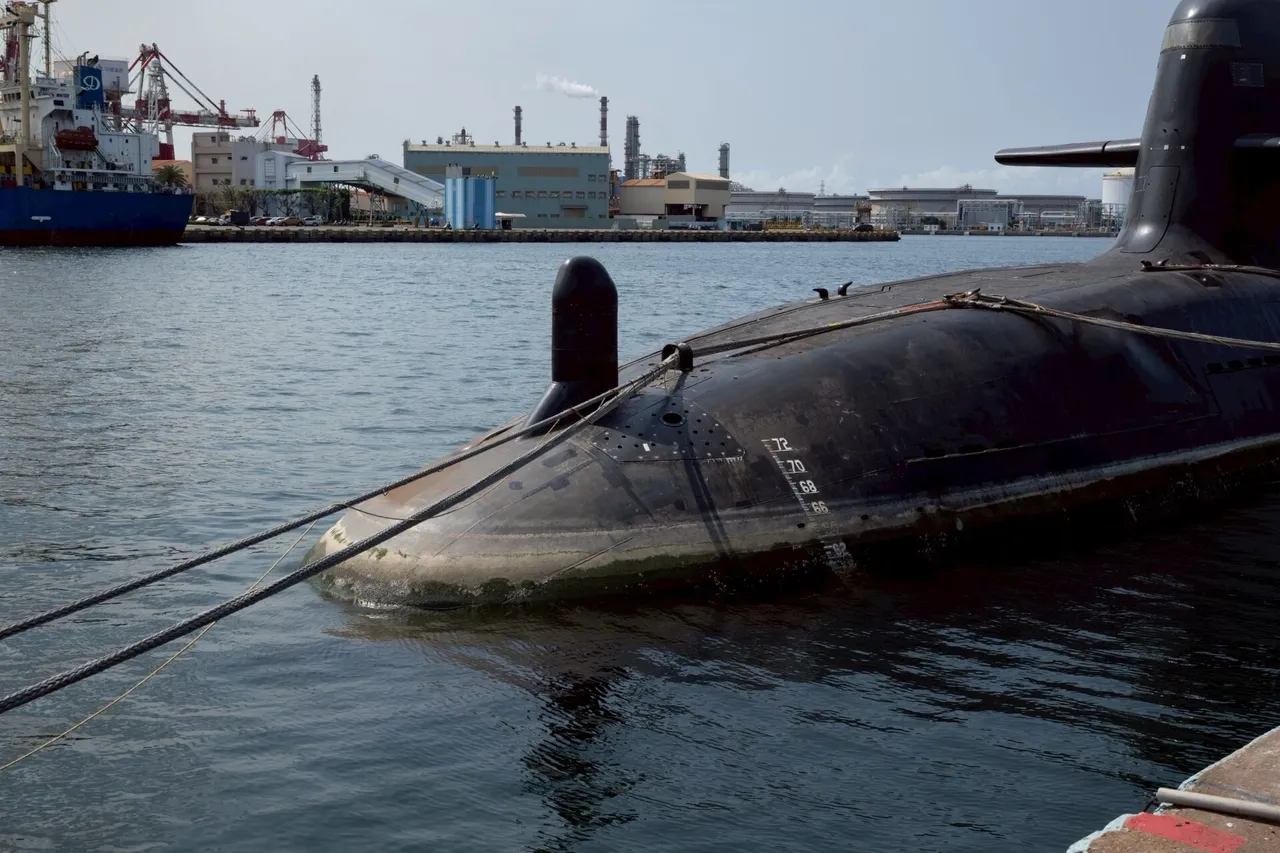
Hai Kun's deep dive is not the hard part — funding the next seven boats is
On 16 October 2026 Liberty Times relayed experts arguing the prototype will likely pass deep tests while Legislative Yuan politics threaten the follow-on class.
TaiwanDefence · 32m ago · 3 min read
Quieter PLA tallies can still mean total median-line pressure before Keen Sword
Taiwan's 16 October 2026 update showed eight PLA aircraft sorties and eight median-line crossings, the same week Japan scrambled fighters after Liaoning flight operations south of Ishigaki.
TaiwanDefence · 3h ago · 4 min read
A Houthi missile built from Chinese parts shows the supply-chain fight Taiwan is in too
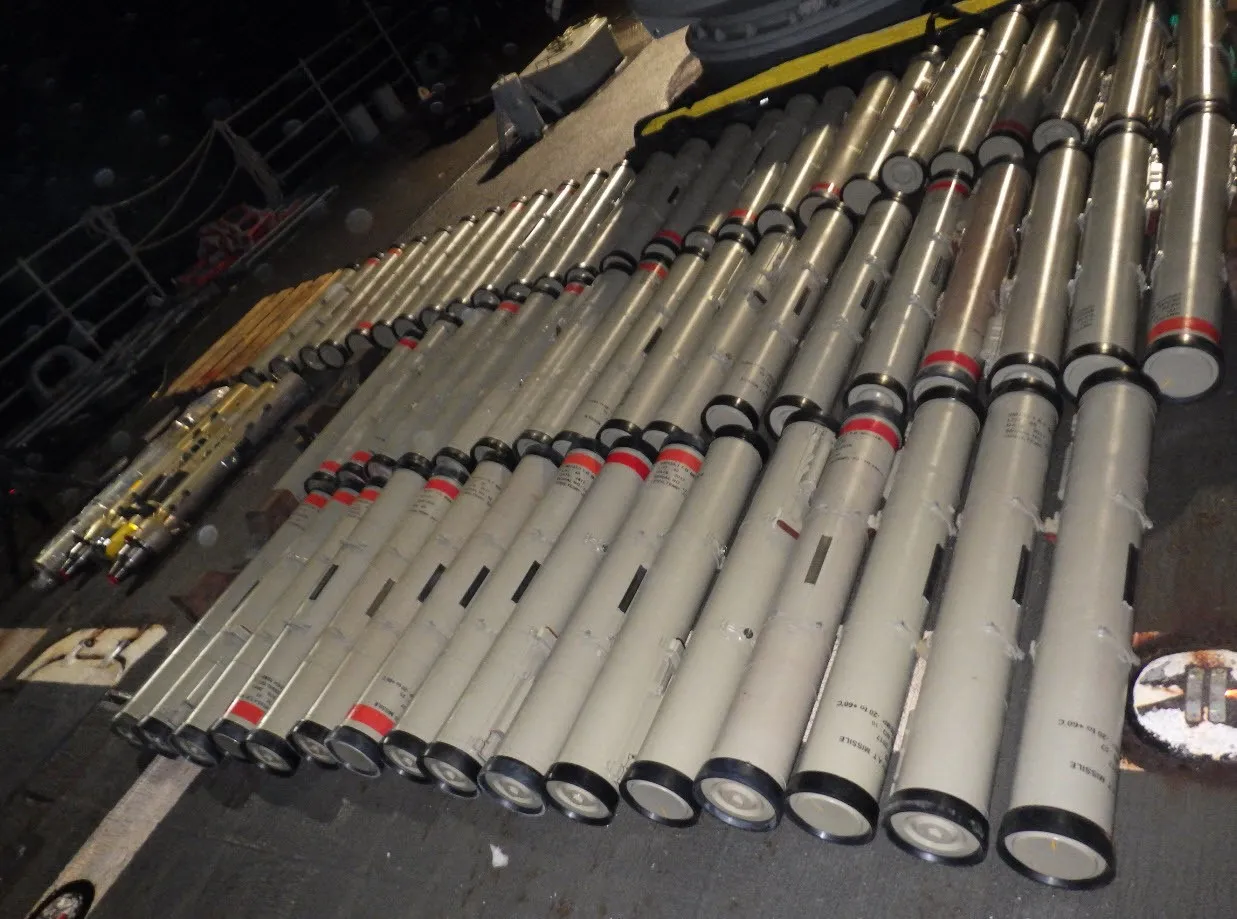
On 14 October 2026 a report traced Houthi missile parts to a Chinese machine shop, a warning for Taiwan's push to build China-free drones.
TaiwanDefence · 1d ago · 3 min read
Discussion (0)
Comments are not currently available.