
Taiwan-US Mighty Hornet IV attack drone clears southern flight tests
Kratos and Taiwan's NCSIST say the jet-powered loitering munition met every mark in recent southern trials, including strong winds, and is aimed at runway-free coastal defence.
TAIPEI —
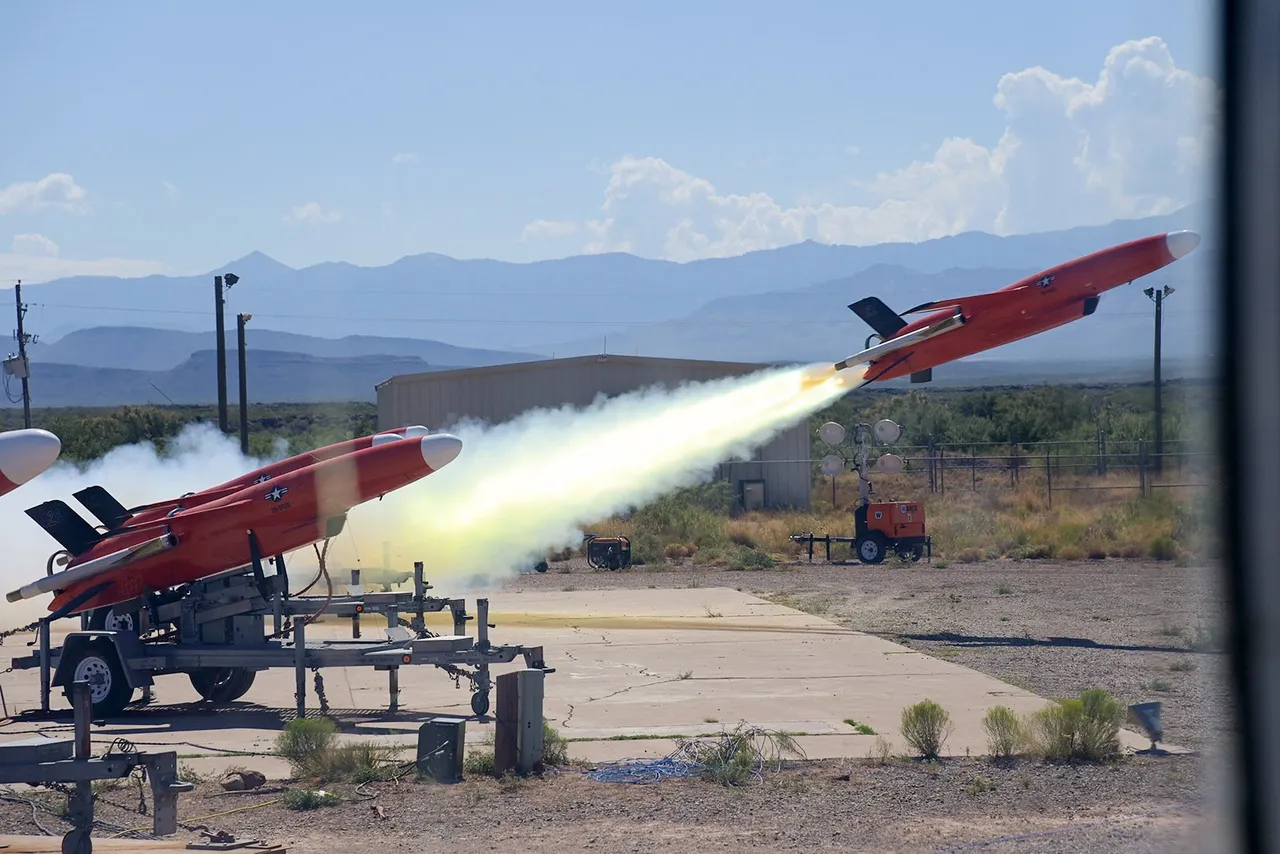
A Taiwan-US jet-powered attack drone known as the Mighty Hornet IV has completed live flight evaluation in southern Taiwan, according to Mirror News and Liberty Times Military reporting on 15 and 16 October 2026. Steve Fendley, president of Kratos Unmanned Systems, said he travelled to Taiwan to witness the trials and that every test objective was met even in strong winds and gusty conditions.
The aircraft is a cooperative product of Kratos and Taiwan's National Chung-Shan Institute of Science and Technology. Mirror News described a white-and-red airframe marked with both Kratos and NCSIST markings. Fendley told the broadcaster the jet-powered design carries a warhead and can fly at roughly Mach 0.7 with high G manoeuvre margins, giving it a speed and agility profile far above battery-powered loitering munitions.
Liberty Times Military reported endurance of about two hours, a stated attack range of up to 1,000 kilometres, and launch options that do not need a conventional runway, including pneumatic rail or rocket-boost methods. Fendley framed the system for Taiwan coastal defence, saying batteries could be dispersed along the shoreline and brought to ready status in roughly 30 minutes to strike landing ships if an amphibious force approached.
Under the division of labour described by Fendley and earlier company disclosures, Kratos supplies the mature Firejet-family green airframe while NCSIST integrates sensors, guidance and electronic-warfare payloads plus a high-explosive warhead. A February 2026 Kratos and NCSIST announcement said the integrated payload had already been validated in the United States, clearing the way for the flight-test phase now reported in Taiwan.
Fendley also outlined a three-stage manufacturing transfer path: US-built airframes with Taiwanese payload integration; kit assembly and test in Taiwan; and, if the US State Department approves technology transfer, full local production by qualified Taiwanese industry. He said dozens of countries have inquired about the type and that seven have moved into budget and rough-order-of-magnitude discussions, with Taiwan positioned as a possible future export production base if the line matures.
On cost, Fendley put a single Mighty Hornet IV at under US$500,000 while arguing it can deliver a large share of fighter-like effects for coastal strike and even high-speed counter-UAS interception. He said an adversary forced to expend million-dollar surface-to-air missiles against cheap jet drones would face a poor exchange ratio, while declining to engage would leave landing craft and other targets exposed.
The October reporting does not disclose how many airframes Taiwan has ordered, when a production decision will follow the southern tests, or whether State Department transfer approval has been granted. Those programme milestones remain open after the flight-evaluation results publicised this week.
Sources
More in Industry
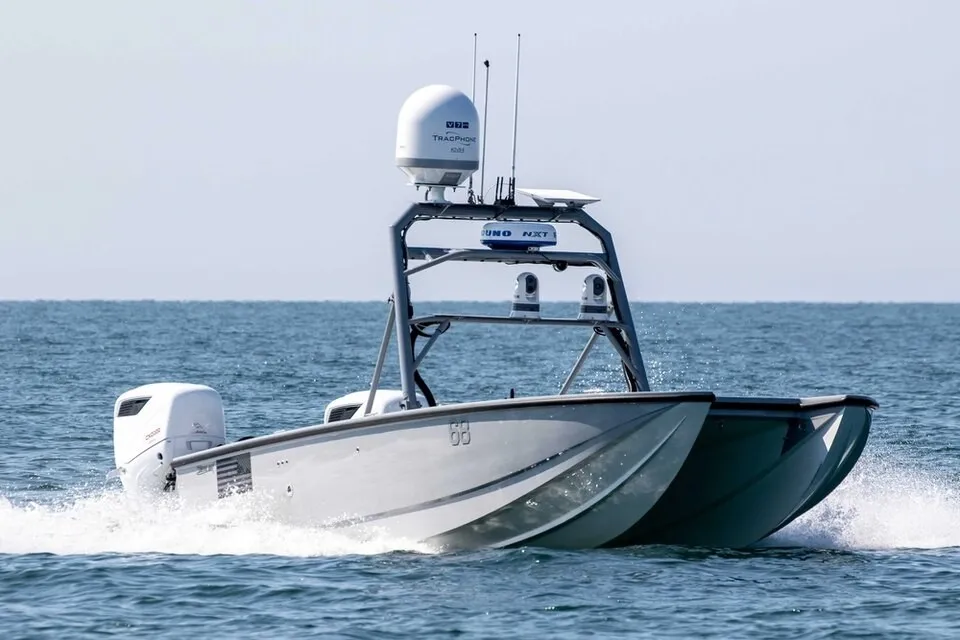
Taiwan's coast guard signs deal for US-designed Devil Ray T24 drone boats
MARTAC says Taiwan's coast guard is buying its T24 drone boats, to be built in Florida and Taiwan, as Chinese ship activity near the island grows.
TaiwanDefence · 1d ago · 3 min read

Taiwan's Thunder Tiger and AeroVironment to study Switchblade-armed drone boats
An MOU signed at AUSA will study fitting multi-round Switchblade launchers to a Taiwanese drone boat and building US-designed drones in Taiwan.
TaiwanDefence · 1d ago · 3 min read

Hegseth seeks $50bn to mass-produce drones, citing China's historic military build-up
The US defence secretary told AUSA a nearly $1.5 trillion budget is critical as China builds what he called perhaps history's biggest military, with drones moving from thousands to millions.
TaiwanDefence · 1d ago · 3 min read
Discussion (0)
Comments are not currently available.