
Hegseth seeks $50bn to mass-produce drones, citing China's historic military build-up
The US defence secretary told AUSA a nearly $1.5 trillion budget is critical as China builds what he called perhaps history's biggest military, with drones moving from thousands to millions.


TAIPEI —
US Defense Secretary Pete Hegseth told the Association of the United States Army annual meeting in Washington on Wednesday, 14 October 2026, that the Pentagon is asking Congress for roughly $50 billion in one-time reconciliation funding to mass-produce autonomous and robotic weapons. The aim, according to Defense News, is to take American stocks of such systems from the thousands into the millions.
Hegseth tied the request directly to the pace of a rival's rearmament. He said the United States faces a near-peer adversary carrying out what may be the largest military build-up in world history, and argued that whoever leads now in autonomy, robotics, space and artificial intelligence will pull much further ahead. The South China Morning Post reported the remark as a tacit reference to China.
He described the administration's nearly $1.5 trillion defence budget request as absolutely critical and a one-time generational investment. Defense News reported him saying the military would be handling hundreds of thousands of one-way attack drones this year and millions in the years after, at a pace the department had never seen.
The money sits on top of large sums already requested. The fiscal 2027 plan sets aside $53.6 billion for drone dominance under a $350 billion reconciliation package, split among $16.9 billion for unmanned procurement, $14.4 billion for counter-drone systems, $13.5 billion for contested logistics, $4.5 billion for collaborative autonomy and $4.3 billion for institutional costs. Defense News cautioned that the budget papers do not show whether the $50 billion Hegseth cited is the same money.
The panel also exposed new plumbing. Derrick Anderson, the assistant secretary for special operations, said the Defense Autonomous Warfare Group is being folded into a new Task Force Autonomous Warfare inside Special Operations Command. It will support Project Agincourt, run by Owen West, and later a four-star Autonomous Warfare Command planned by 1 October 2027, a step Congress still has to approve.
Air Force Secretary Troy Meink was more explicit about Beijing. He said China was carrying out probably the biggest weapons build-up in history and was already using low Earth orbit satellites to target American weapons, and that the joint force was working out how to degrade those systems while keeping its own survivable, with autonomy part of the answer.
Hegseth asked officials to tell him which rules could be signed away without new laws. Acting Army Secretary Adam Telle said the service would open its programmes and test ranges to companies outside the traditional defence base. The Army's own drone effort, announced in December 2025, budgets $1 billion for about 340,000 small drones over two years.
The China comparison has a Taiwan Strait dimension. The Post cited satellite imagery analysis suggesting the People's Liberation Army has parked more than 200 retired J-6 fighters converted into attack drones at six air bases near the Taiwan Strait, and noted that Beijing's 2026 to 2030 five-year plan puts unmanned and AI-enabled warfare at the centre of PLA modernisation. It also cited CSIS research crediting Chinese firms with over 80 per cent of world drone supply.
For Taipei, a US buying spree on this scale cuts both ways. Orders for hundreds of thousands of American drones a year could absorb scarce non-Chinese motors, batteries and sensors that Taiwan also needs, but they would also deepen a market for allied producers that does not run through China, which the Post said supplies most of the world's drones. Neither the fiscal 2027 spending bill nor the reconciliation request has yet passed Congress, so the size of that demand remains uncertain.
Sources
More in Industry
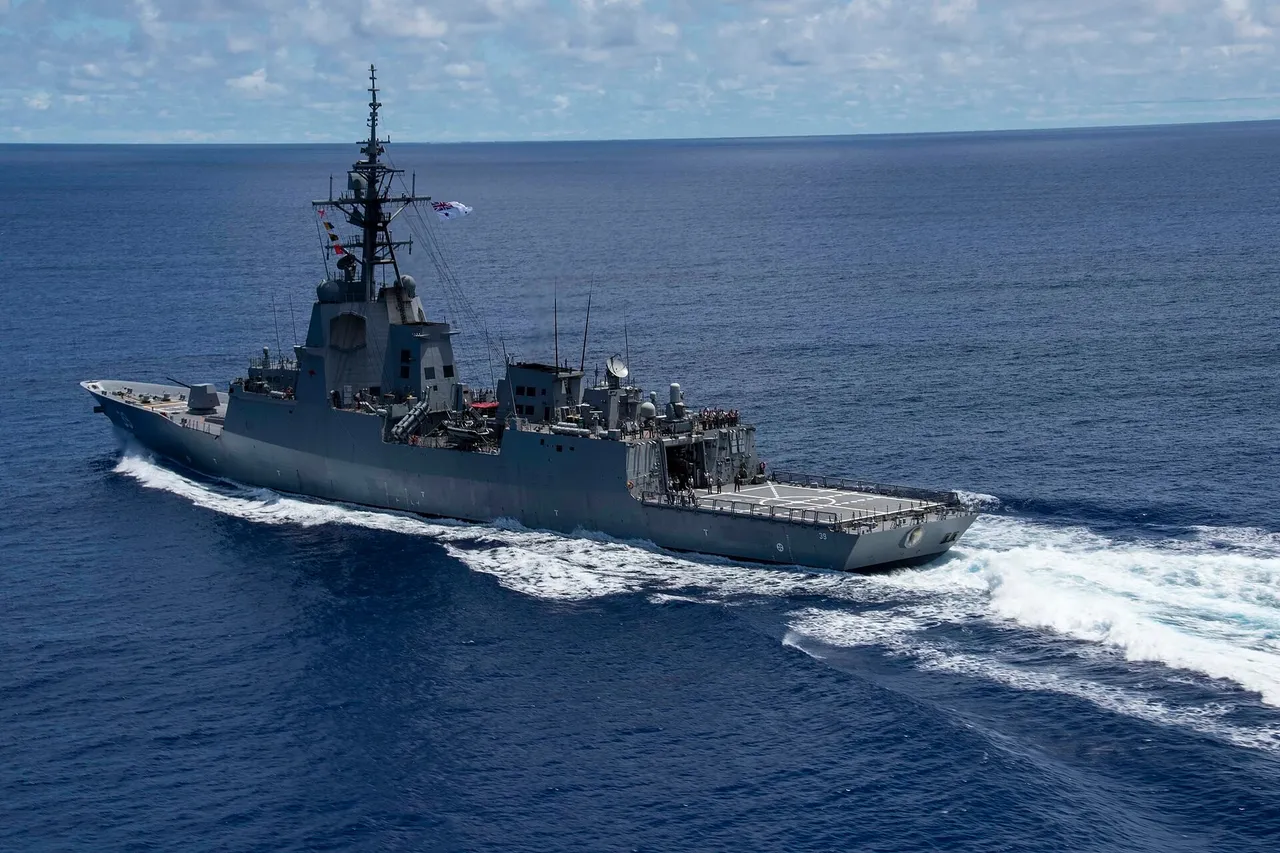
Only half of Australia's major defence projects are on schedule, Defence's annual report says
Navy projects fared worst, with 7 of 23 on track for time, while almost all stayed within approved cost, the 2025-26 report shows.
TaiwanDefence · 17h ago · 3 min read
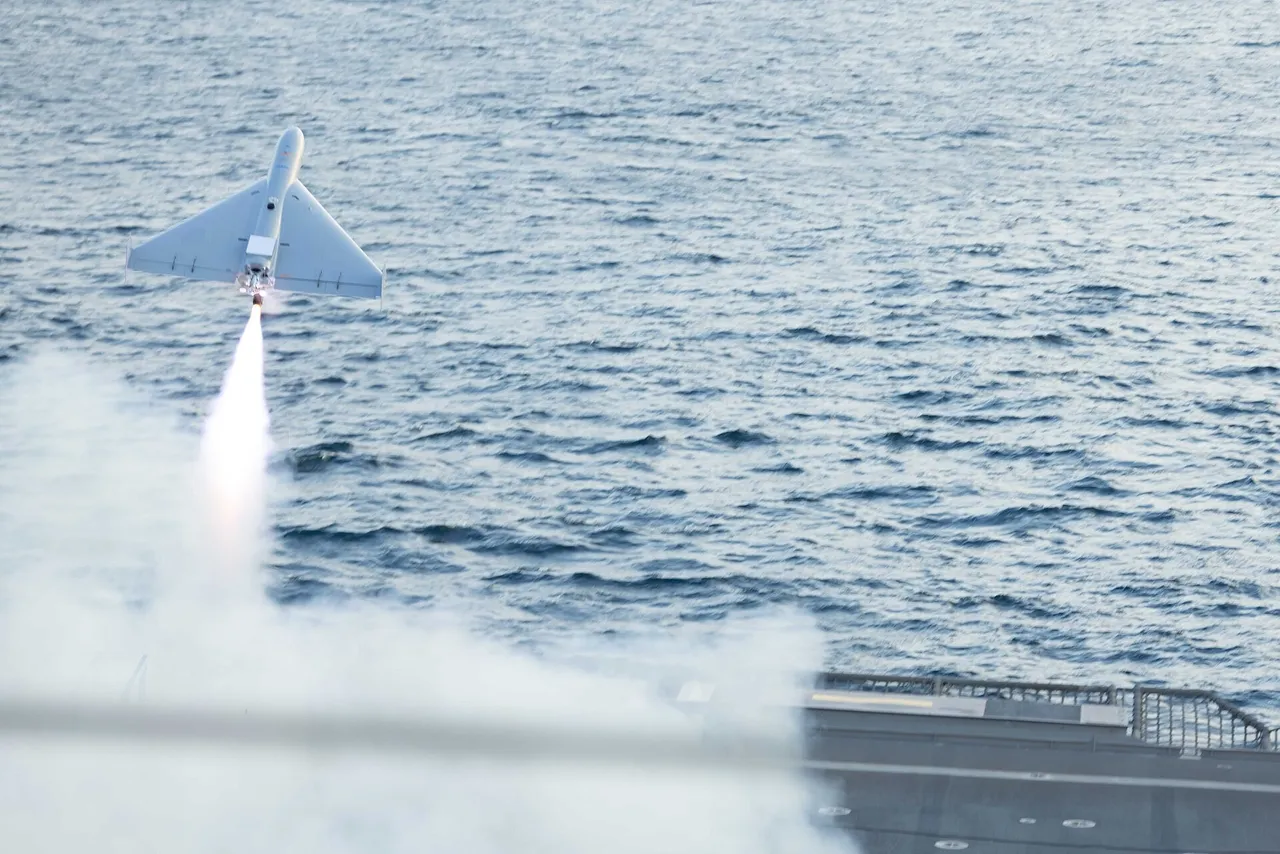
New Zealand's Defence Force wants long-range kamikaze drones in service by October 2027
A tender worth up to NZ$300 million seeks truck-launched one-way strike drones that three people can fire, linked to a US command and control system.
TaiwanDefence · 1d ago · 3 min read
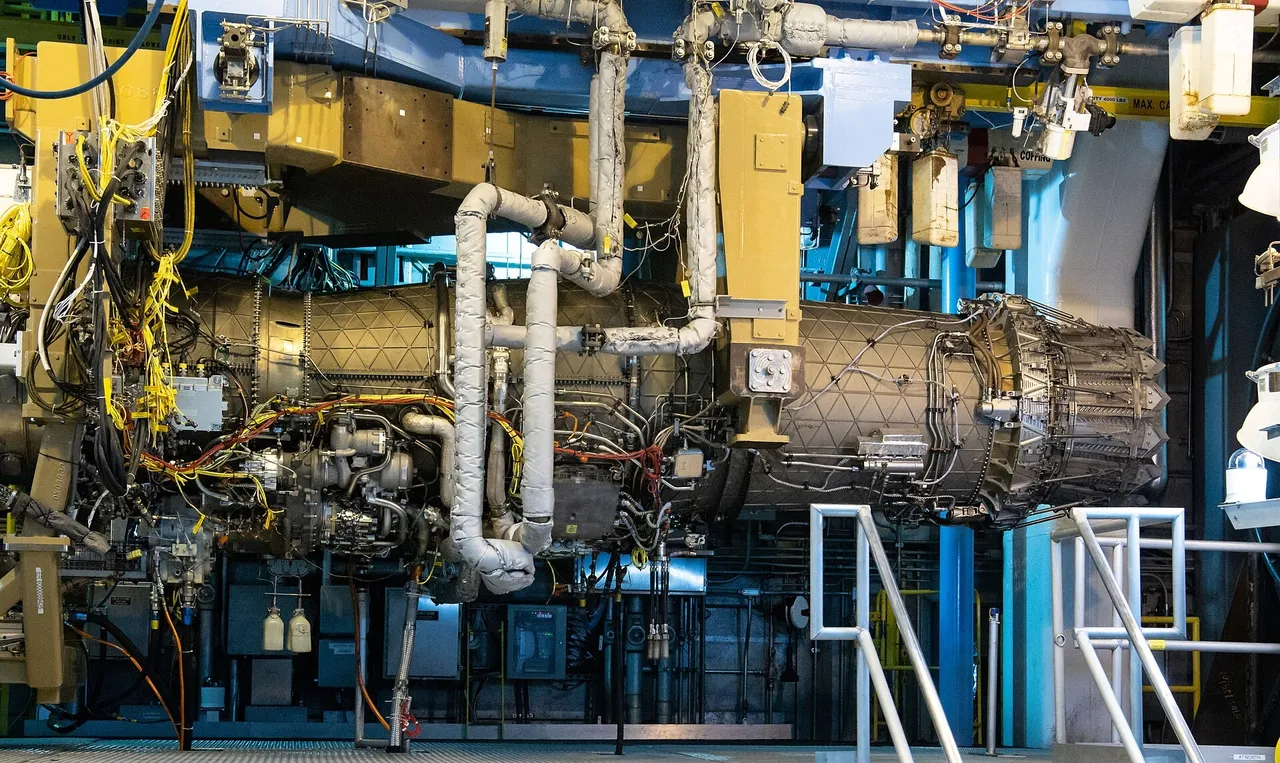
Pratt & Whitney gets $2.53bn to keep F-35 engines running, including at depots in Japan and Australia
A US Navy award announced on 25 November funds a year of F135 maintenance, repairs and spares for American and allied F-35 fleets, with work at Iwakuni and Williamtown.
TaiwanDefence · 1d ago · 2 min read
Discussion (0)
Comments are not currently available.