
New Zealand's Defence Force wants long-range kamikaze drones in service by October 2027
A tender worth up to NZ$300 million seeks truck-launched one-way strike drones that three people can fire, linked to a US command and control system.

TAIPEI —
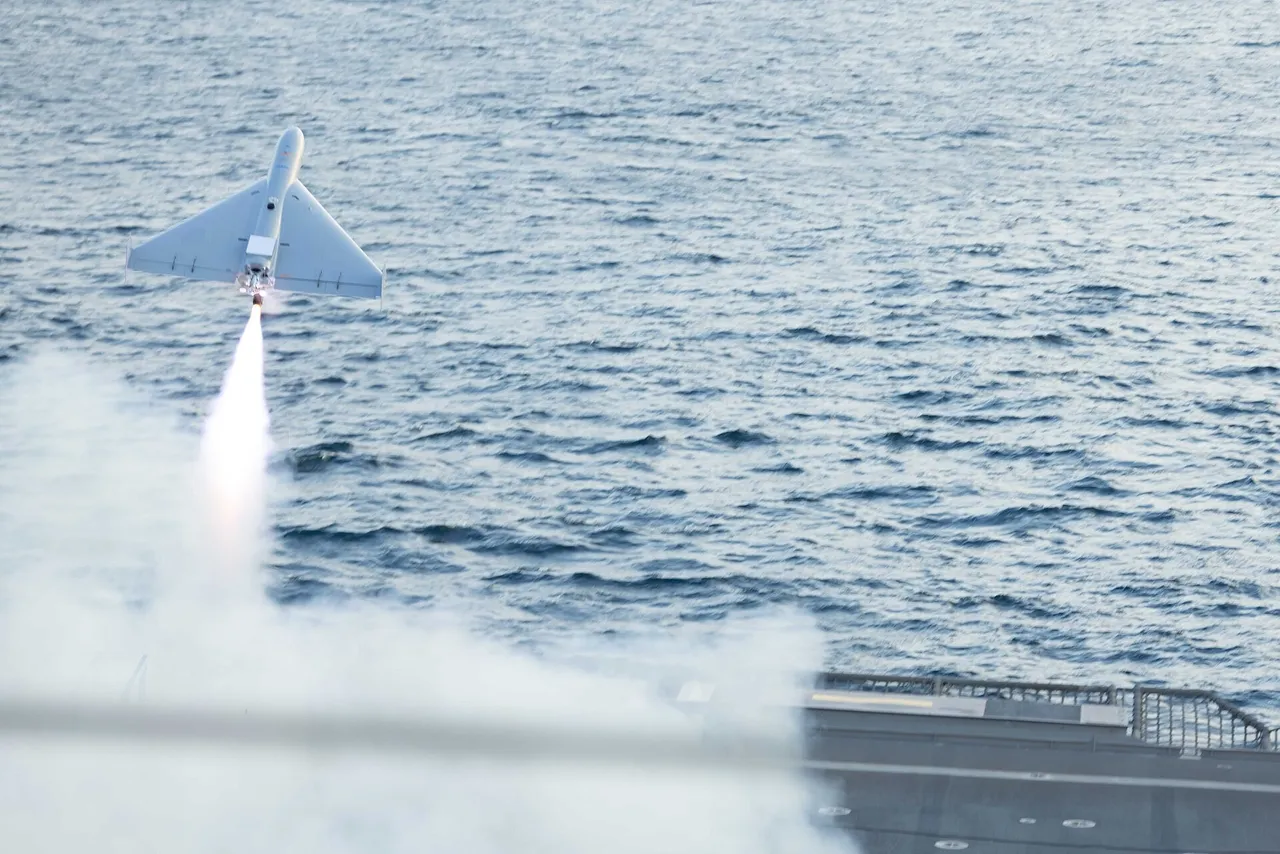
The New Zealand Defence Force is shopping for long-range one-way attack drones, often called kamikaze drones, under a programme it has named Project Longreach. Tender and industry briefing documents reported by RNZ on 26 November 2026 suggest the NZDF has up to NZ$300 million to spend, and that it wants the weapons in service by October 2027.
The government said in July that it was starting the process to buy long-range one-way strike drones, with between NZ$100 million and NZ$300 million set aside for them through to 2029. The request for proposals opened on the government tender service on 23 November and closes on 18 December.
The NZDF plans a shoot-off between shortlisted drones in April 2027, followed by further testing and the training of troops between July and September, before the weapons enter service in October. It wants to keep buying them over the six years from 2027, but has told bidders that the purchase is an interim step rather than a long-term solution.
The tender says the NZDF wants to set up an initial sovereign, scalable and sustainable land-based strike capability to support New Zealand's national security objectives and coalition operations across the Pacific and the Indo-Pacific. The package covers the strike drone itself, a launcher, a control system, cases for moving the systems by aircraft, ship or truck, integration, training, technical publications and through-life support.
Shoot and scoot
According to RNZ, the industry briefing says any system offered must be ready for a hasty launch by three people or fewer, for example from a hidden truck. A graphic in the briefing shows the drones being fired from a truck on a stylised Pacific island after being landed by the navy ship HMNZS Canterbury, a landing craft or one of the air force's new Hercules transports, a concept the NZDF calls shoot and scoot. The cover shows several of the weapons hitting an airbase, and other images depict a notional island target and a notional ship target.
The documents ask for precision and mass strike effects against targets on land and at sea, and for an expandable system that can scale up the volume of fire. The briefing describes the weapons as autonomous, precise and attritable, meaning cheap enough that large numbers can be lost. When it announced the purchase in July, the government had described the drones as human-operated, non-autonomous systems and a cheaper alternative to missiles. The NZDF told RNZ that decisions on the use of force would remain under human direction and control.
Wired into a US command system
The briefing refers to joint targeting and shows the drones integrated with the Global Command and Control System-Joint, or GCCS-J, which the US military uses as its system of record for commanding joint and coalition forces. New Zealand, Australia, Canada, Italy, Japan and the Netherlands have access to it through foreign military sales agreements, RNZ reported.
Asked whether New Zealand would keep sovereign command and control of the weapons, the NZDF said any future use, like that of all its capabilities, would be subject to government direction and carried out in line with New Zealand law and international obligations. It also said it would be wrong to describe the capability as purely offensive or purely defensive, since it is meant to give the government options across a range of scenarios.
A preference for local suppliers
The NZDF says it prefers a New Zealand solution, in which key development, production, integration and support work is done locally, and will look at overseas options only if a viable domestic pathway cannot be shown. It has already trialled air, land and sea drones from SYOS Aerospace of Mount Maunganui, and an SA7 one-way effector from the company was part of a package of uncrewed systems delivered in February.
B2B News pointed out that the compressed timetable gives local firms only weeks to put together bids covering launchers, logistics and training, which favours established overseas makers, and that Budget 2026 estimates show the Defence Capabilities line in Vote Defence falling from NZ$385 million in 2025/26 to NZ$280 million in 2026/27.
Alongside Longreach, the NZDF has issued a separate tender for a prototype electronic warfare payload for a small drone, intended for research, that would detect and locate radio signals and report back over a secure link. The NZDF said decisions on the strike drones remain subject to government consideration and approval, and that the tender is meant to identify options and costs.
Sources
More in Industry
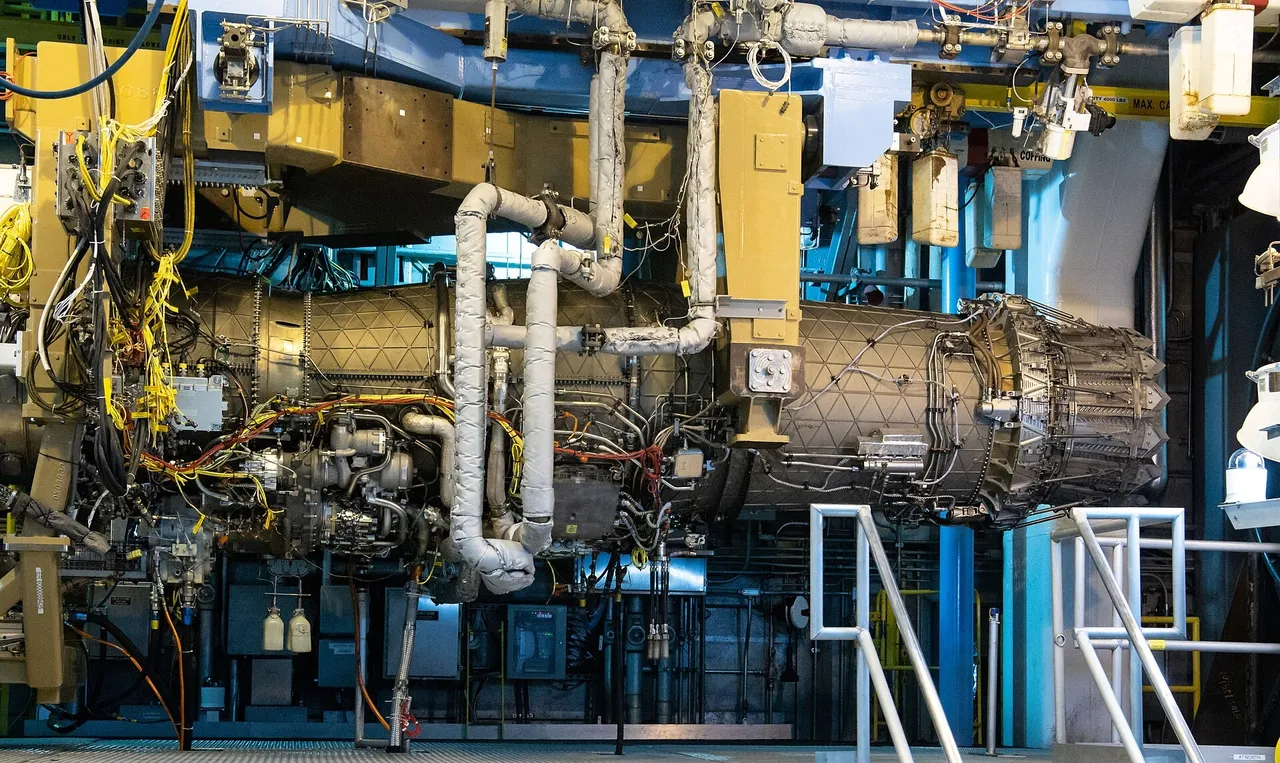
Pratt & Whitney gets $2.53bn to keep F-35 engines running, including at depots in Japan and Australia
A US Navy award announced on 25 November funds a year of F135 maintenance, repairs and spares for American and allied F-35 fleets, with work at Iwakuni and Williamtown.
TaiwanDefence · 21h ago · 2 min read
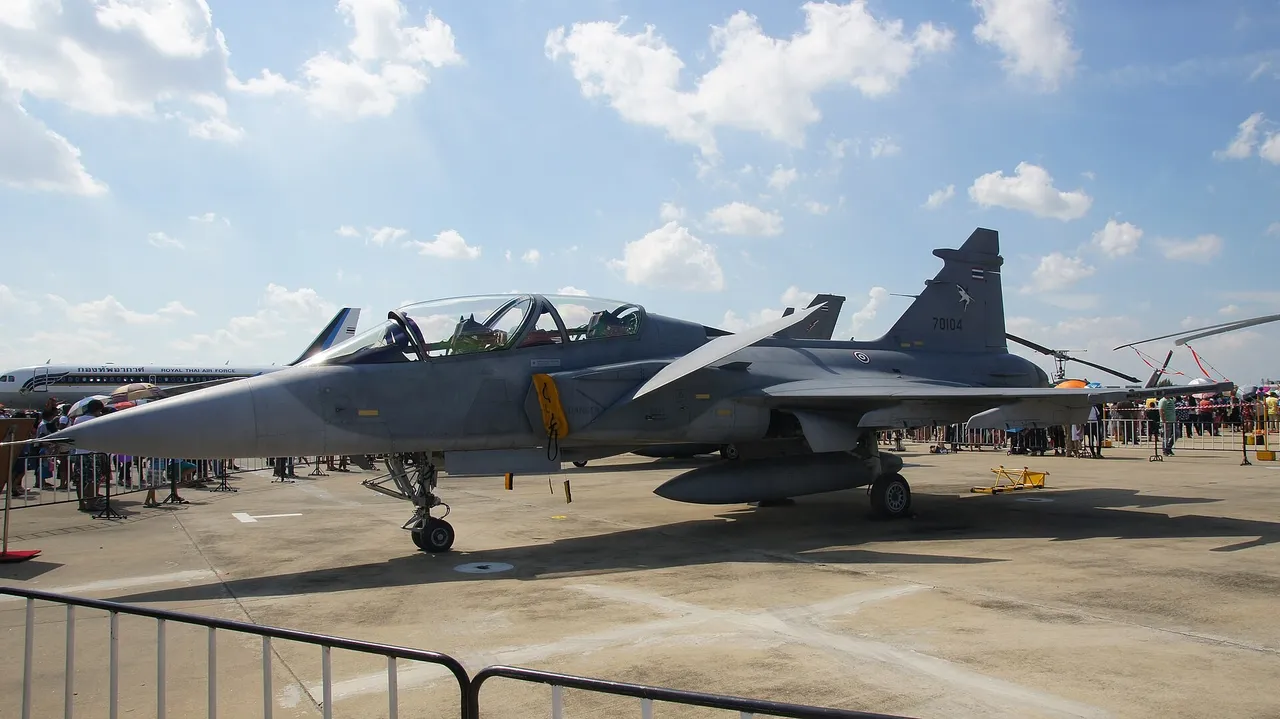
Thailand's air force wants to buy its eight remaining Gripen E/F fighters in a single order
Air chief Sakesan Kantha says merging two planned buying phases would complete a 12-jet squadron before ageing F-16s retire in 2028, and has briefed the prime minister.
TaiwanDefence · 1d ago · 2 min read
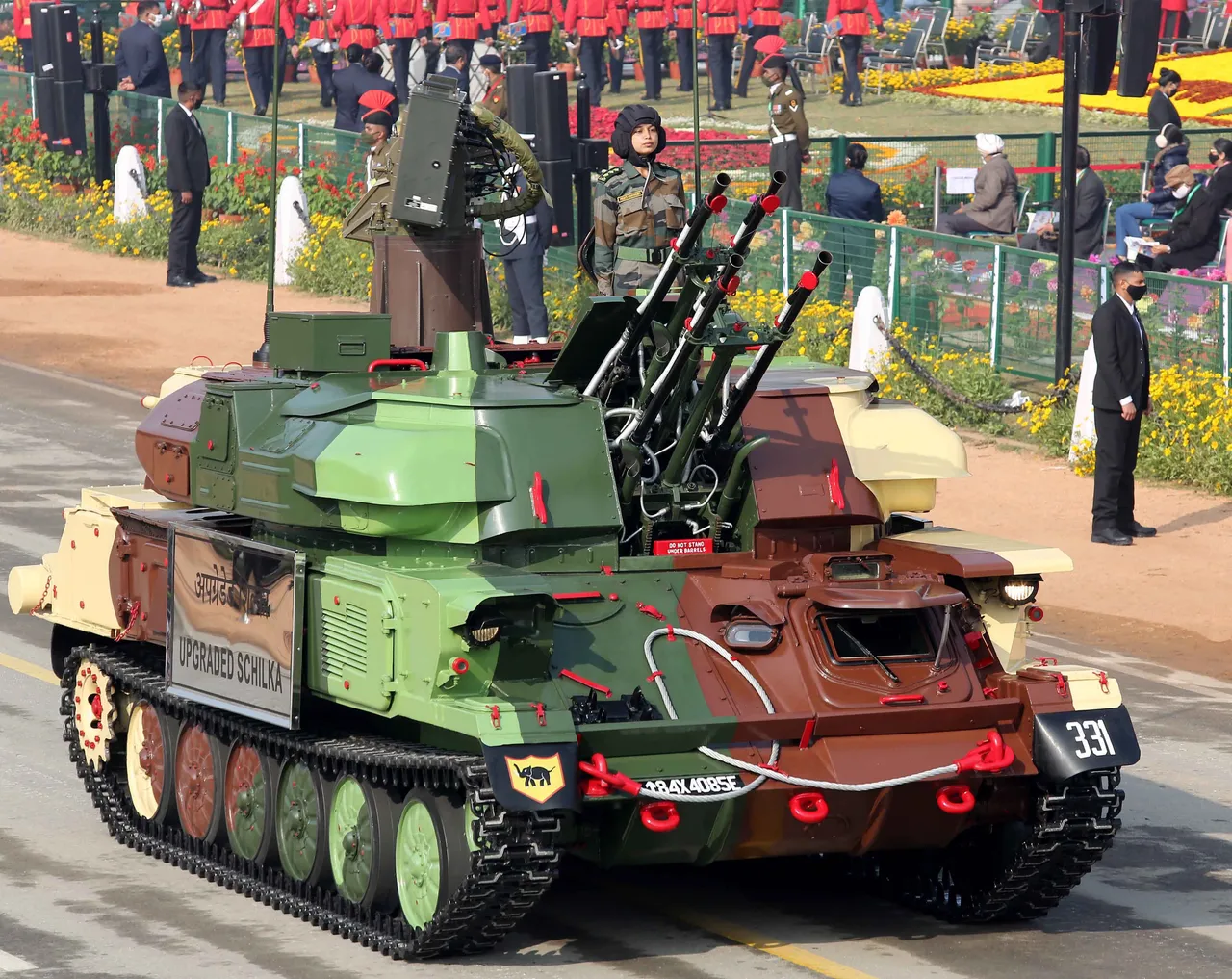
India's Bhargavastra counter-swarm drone system finishes Pokhran trials, ready for an Army prototype demo
Solar Defence and Aerospace says rockets fired at real drone swarm targets hit their aim points during in-house trials from 20 to 24 November.
TaiwanDefence · 1d ago · 2 min read
Discussion (0)
Comments are not currently available.