
Only half of Australia's major defence projects are on schedule, Defence's annual report says
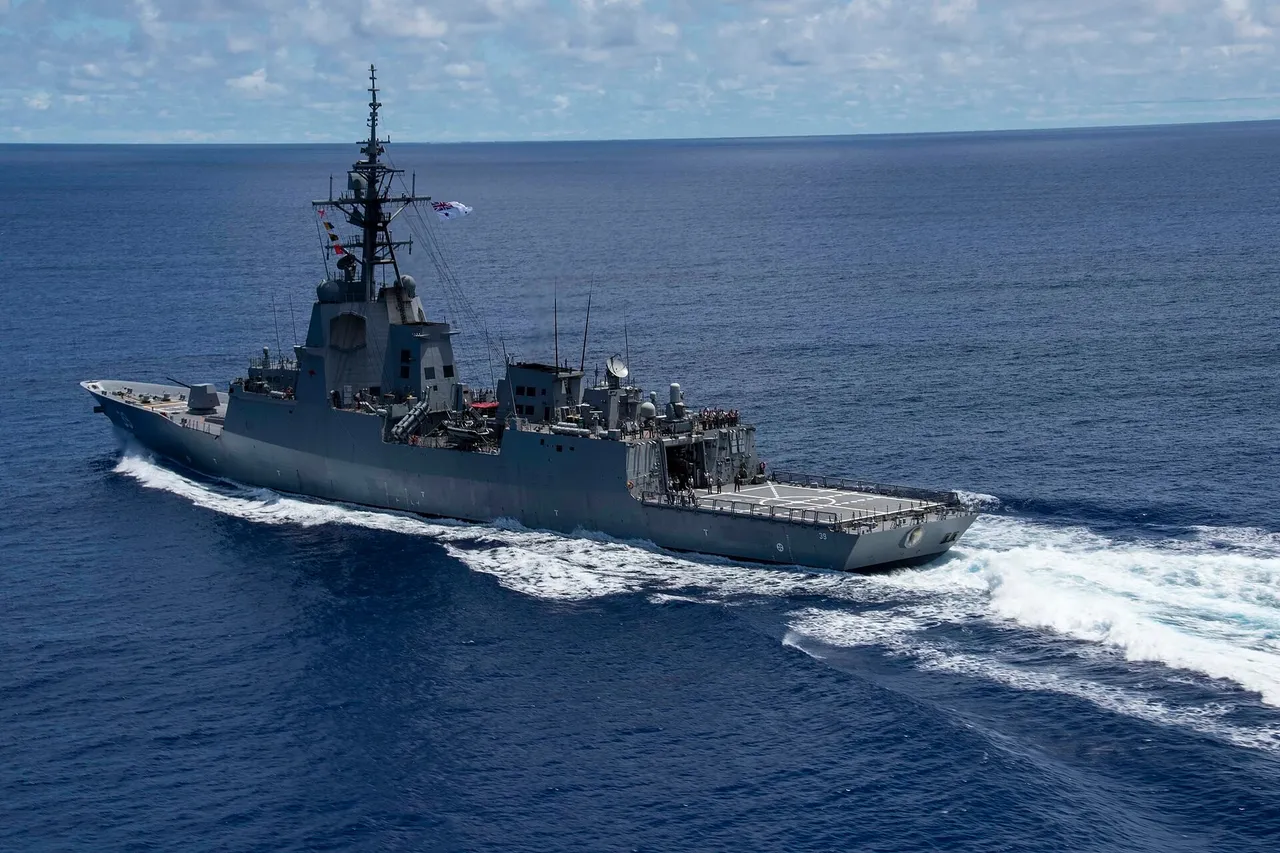
Navy projects fared worst, with 7 of 23 on track for time, while almost all stayed within approved cost, the 2025-26 report shows.

TAIPEI —
Only half of the major projects in Australia's defence investment program are on track to be delivered on time, according to the Department of Defence annual report for 2025-26, released on 27 November 2026. Of the 139 approved projects in the Integrated Investment Program that Defence assessed, 69 were judged to be on schedule, well short of its own target of at least 80 per cent.
Naval projects did worst. Only seven of 23 maritime projects were on track to meet the schedule approved by the government, or 30 per cent. Three of 11 cyber projects were on time and none of the five space projects was. Land did best, with 23 of 30 projects on schedule, while air managed 12 of 23 and enterprise and enabling projects 24 of 47.
Scope and money looked far healthier. Defence said 86 per cent of the projects were on track to deliver the scope the government approved and 99 per cent were within approved cost, including contingency. The government approved only two real cost increases during the period, one for a sewage and water treatment facility at RAAF Base Amberley in Queensland and one to complete the OneSKY civil-military air traffic management system.
The report puts numbers on the slippage. In the period assessed for this measure, which ran from 1 April 2025 to 31 March 2026, Defence asked the government to push back initial operating capability for 21 projects, by an average of 14.4 months, and final operating capability for 19 projects, by an average of 12.5 months. Sixteen of the projects seeking a schedule change wanted to move milestones that had already passed. Of 45 projects due to reach initial operating capability, plus 10 already overdue, only 12 got there, six of them late.
Defence listed the main drivers of schedule risk as limits on industry capacity, project planning and approval processes, immature designs, contract management, governance requirements, budget constraints and capability integration. It said it was tightening schedule assurance, scrutinising requests to change milestones more closely and putting projects with persistent schedule risk under senior review through its Projects of Interest and Projects of Concern regime.
The on-time figure fell from 72.9 per cent in 2024-25, but Defence said part of the drop reflects a new method that counts every schedule milestone, including those falling after the reporting period, and that the two years are not directly comparable. It also said stricter rules on changing approved milestones mean late projects are now more likely to show up as off track rather than being given a new baseline.
The report also shows a staffing gap in the nuclear-powered submarine program. The Australian Submarine Agency, which is delivering the AUKUS submarines, had 66.9 per cent of its Australian Defence Force positions filled at the end of 2025-26, against a target of 85 per cent, so Defence rated that target not achieved. It said counting only positions that were active and funded would have given an occupancy rate of 86.4 per cent. The Australian Financial Review, reporting on the annual report, described the agency as significantly understaffed.
Defence's net cost of services for the year was A$52.8 billion, A$2.37 billion or 4.7 per cent above budget. The biggest factor was supplier spending running A$1.74 billion over the original estimate, which the report attributes mainly to AUKUS-related payments.
Taken together, the figures suggest Defence's main problem is time rather than money: most projects are holding to their approved budgets and scope but are sliding to the right, and the navy, which carries the heaviest shipbuilding load, is slipping most.
Sources
More in Industry
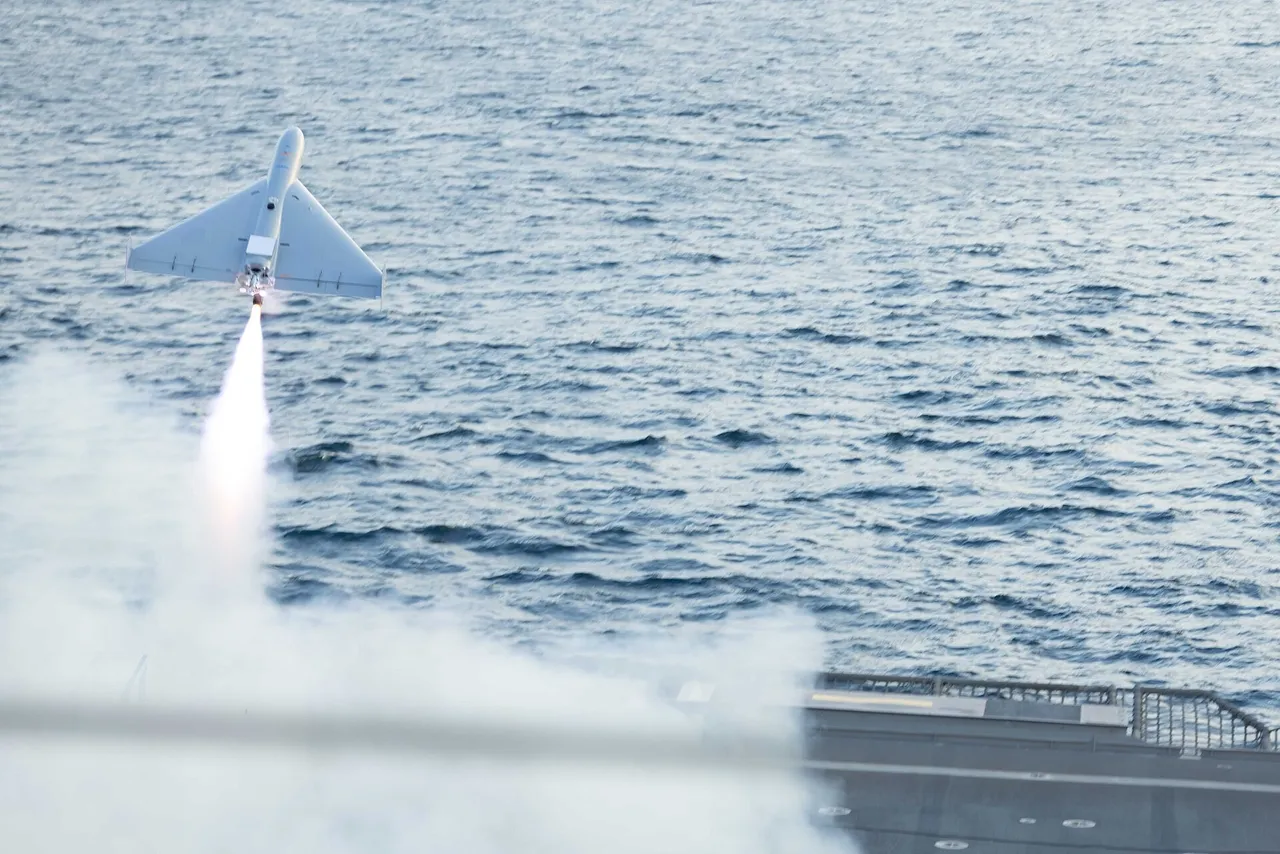
New Zealand's Defence Force wants long-range kamikaze drones in service by October 2027
A tender worth up to NZ$300 million seeks truck-launched one-way strike drones that three people can fire, linked to a US command and control system.
TaiwanDefence · 8h ago · 3 min read
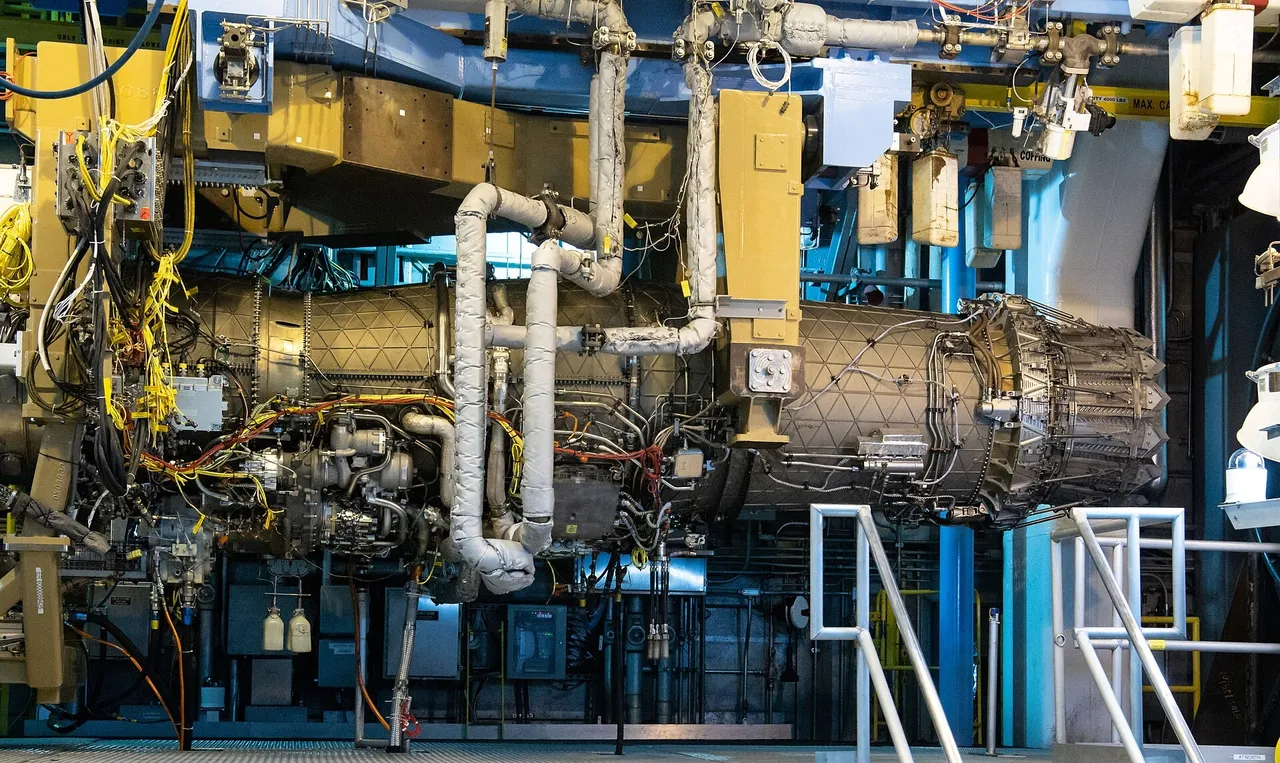
Pratt & Whitney gets $2.53bn to keep F-35 engines running, including at depots in Japan and Australia
A US Navy award announced on 25 November funds a year of F135 maintenance, repairs and spares for American and allied F-35 fleets, with work at Iwakuni and Williamtown.
TaiwanDefence · 1d ago · 2 min read
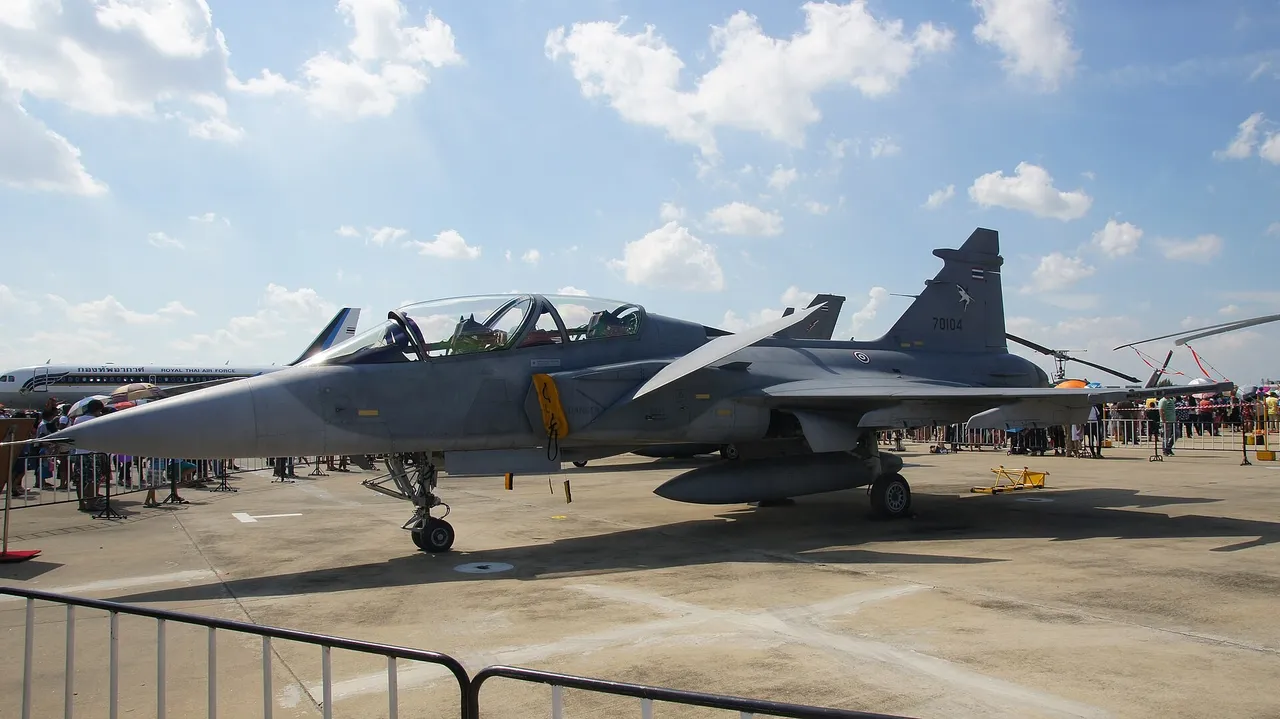
Thailand's air force wants to buy its eight remaining Gripen E/F fighters in a single order
Air chief Sakesan Kantha says merging two planned buying phases would complete a 12-jet squadron before ageing F-16s retire in 2028, and has briefed the prime minister.
TaiwanDefence · 1d ago · 2 min read
Discussion (0)
Comments are not currently available.