
Taiwan's cyber command stages a snap Dianche drill and its first inter-service hacking contest
ICEFCOM combined network defence, jamming and drone-harassment drills as it builds a 120-strong cyber hunting team modelled on US training.

TAIPEI —
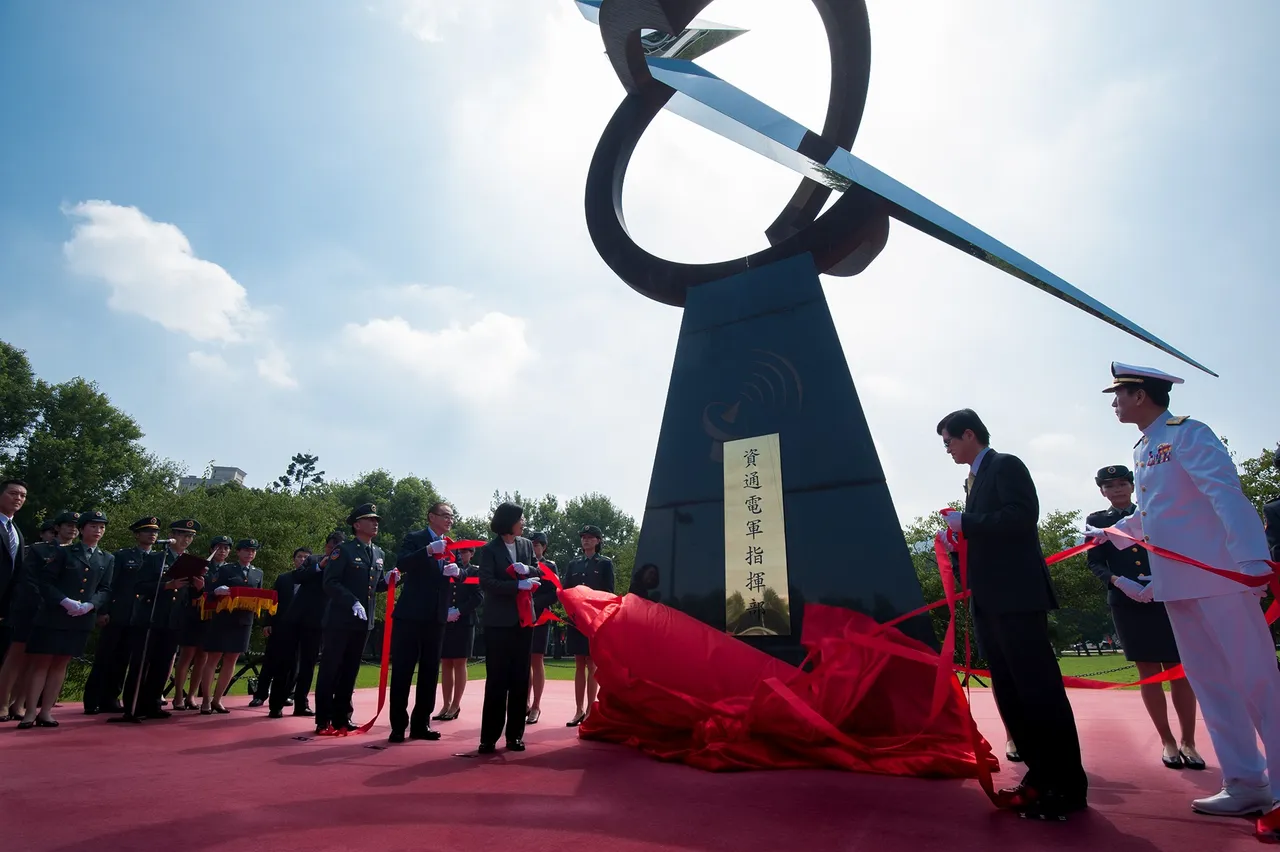
Taiwan's Information, Communications and Electronic Force Command (ICEFCOM), the military's cyber and electronic warfare service, has run an integrated drill that brought its communications, network and electronic warfare units together, and used it to stage its first cybersecurity contest open to all of the armed services. The Defence Ministry's Youth Daily News reported the exercise on 28 November 2026 but did not give its dates, saying only that it had taken place recently.
The Liberty Times, citing military sources, said the exercise was code-named Dianche and was run as a snap drill, launched without warning so that units had to react to a sudden attack rather than a scripted schedule. The ministry's newspaper said the drill used combat-realistic scenarios and a range of injected incidents to test how troops handle several threats arriving at once.
The drill covered keeping the communications backbone running, network attack and defence, and operations in the electromagnetic spectrum. Signals and information units concentrated on system operation and backup readiness to keep command-and-control links open. Electronic warfare units built their part of the drill around electromagnetic jamming and harassment by uncrewed aerial vehicles, practising how to assess the enemy, identify threats and take countermeasures.
Alongside the drill, the command invited information specialists from each service to a cybersecurity competition. Teams carried out hands-on network attack and defence tasks set under changing scenarios, which the military said was meant to deepen coordination between the services and their understanding of joint operations.
Lieutenant General Mao Chien-chiu, the ICEFCOM commander, said that with information threats around the world growing more complex, a solid cyber defence line could only be built if all the services worked together and protected one another. He urged personnel to learn from exchanges with the other services and to fold quick reaction and coordinated operations into their daily readiness, to raise the overall resilience of the armed forces.
The drill follows other steps by the command. According to the Liberty Times, ICEFCOM has set aside NT$95.93 million to form a new military cyber hunting team, and its cyber warfare wing has set up a cybersecurity joint defence centre responsible for protecting core military systems and critical defence infrastructure. The unit is adopting US training methods and is due to be fully staffed next year with 120 personnel, with the aim of bringing its trainees up to the professional standard of US forces.
The paper also noted that during this year's Han Kuang exercise, the command mobilised more than 100 civilian cybersecurity experts to work with military cyber warfare personnel on large-scale penetration testing and attack-and-defence drills against weak points in critical infrastructure.
Putting jamming, counter-drone work and network defence into one unannounced drill, and testing specialists from every service side by side, points to a command trying to make cyber and electronic warfare a joint, everyday readiness task rather than the preserve of a single service.
Sources
More in Cross-Strait
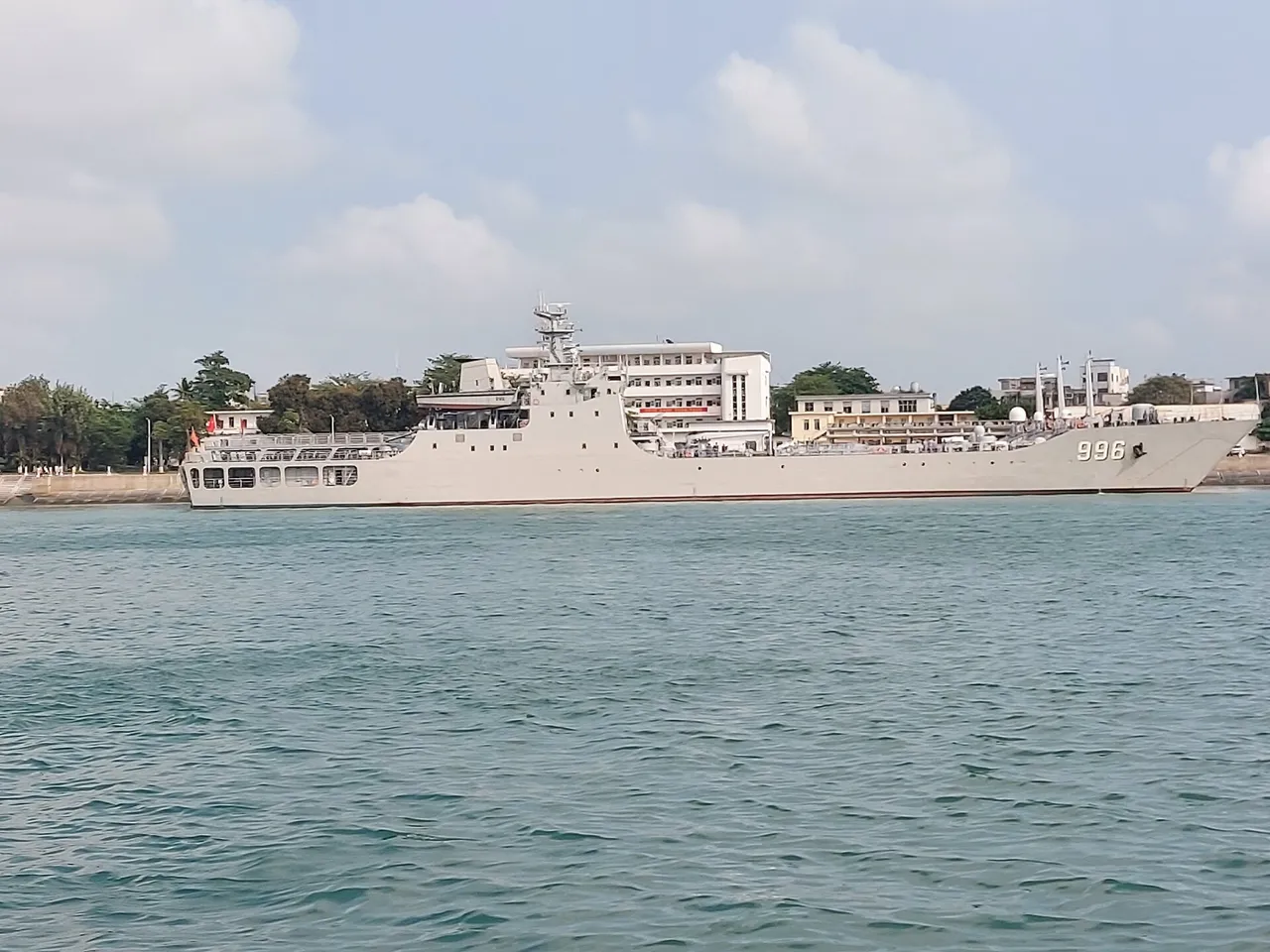
Satellite images show China linking civilian ships into a floating bridge in a Fujian landing drill
Reuters and geospatial firm ingeniSPACE say eight civilian vessels formed an 800-metre causeway in Dacheng Bay, 280km from Taiwan, as Taipei weighs what the drill means.
TaiwanDefence · 1d ago · 2 min read
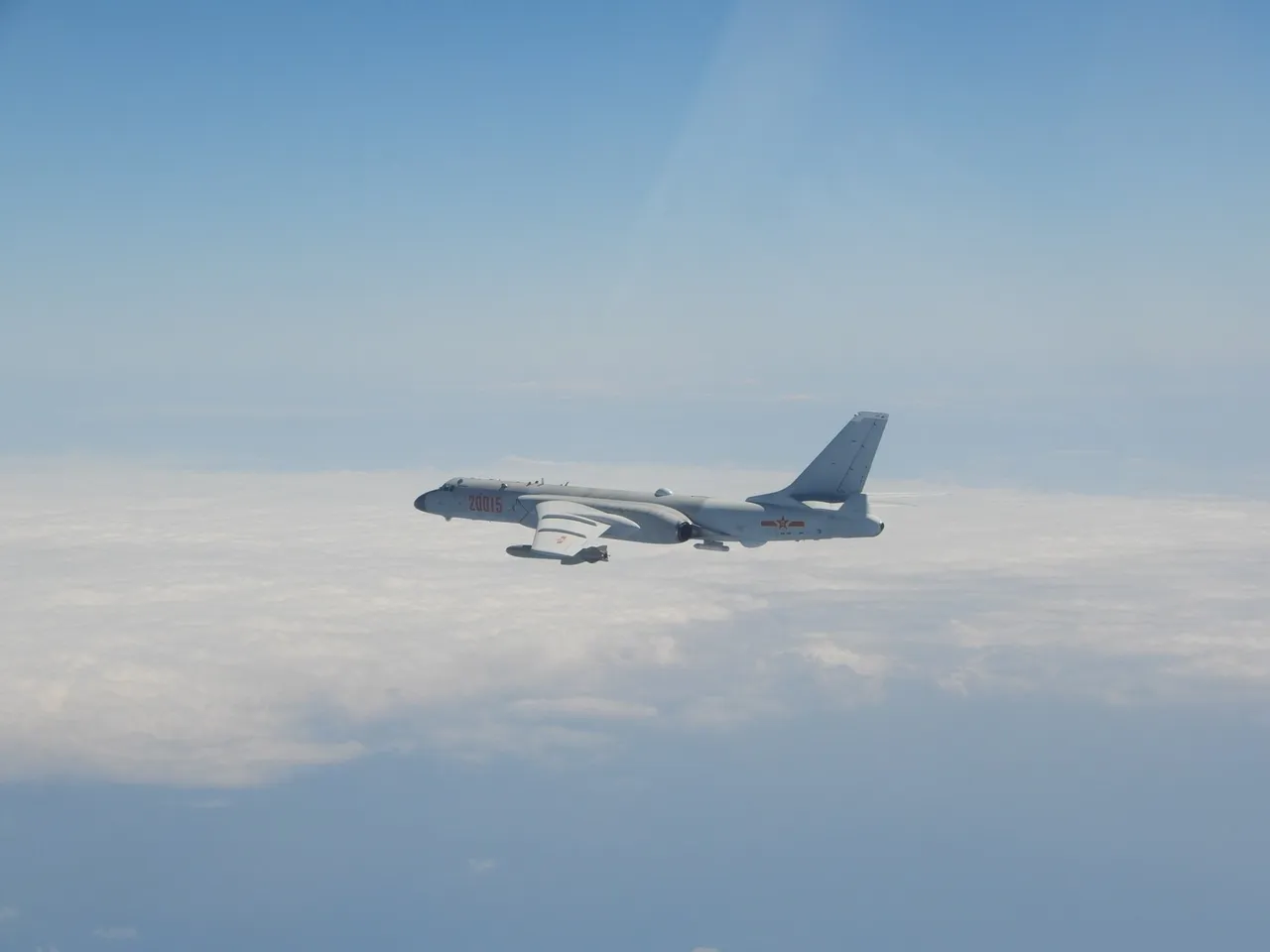
Chinese warplanes and warships stage a joint patrol around Taiwan on the eve of its local elections
Taiwan's defence ministry said 26 of 30 Chinese military aircraft crossed the Strait's median line on 27 November, in a second joint patrol in a week.
TaiwanDefence · 1d ago · 2 min read
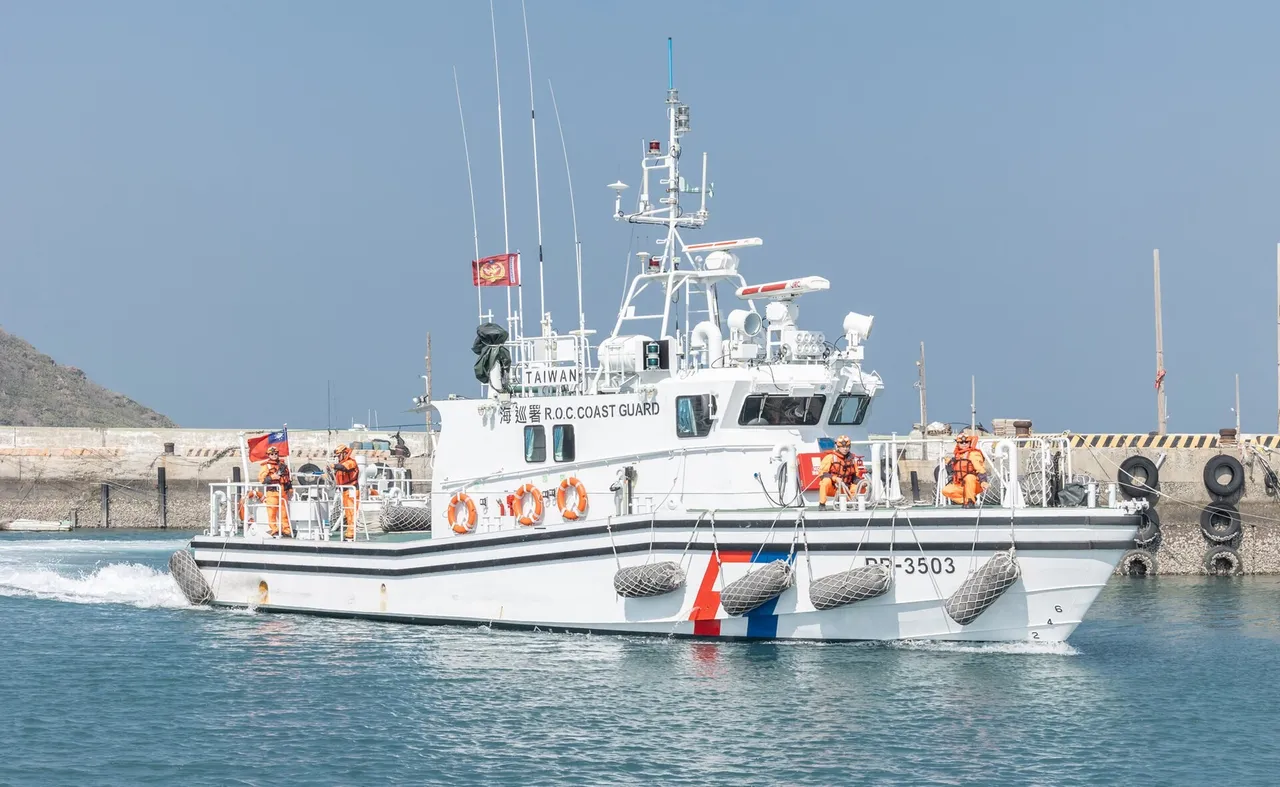
Taiwan's coast guard drives off eight Chinese vessels around Kinmen, Matsu and Penghu in a pre-election sweep
Cutters chased Chinese fishing boats off Penghu and a cargo ship off Kinmen in a three-day sweep that the coast guard says has pushed this year's tally to 377 ships.
TaiwanDefence · 2d ago · 2 min read
Discussion (0)
Comments are not currently available.