
ANALYSIS
Hai Kun's deep dive is not the hard part — funding the next seven boats is
On 16 October 2026 Liberty Times relayed experts arguing the prototype will likely pass deep tests while Legislative Yuan politics threaten the follow-on class.
TAIPEI —
This article is an original Taiwan Defence analysis based on the cited public sources. It distinguishes reported facts from analytical judgments and does not represent original field reporting.
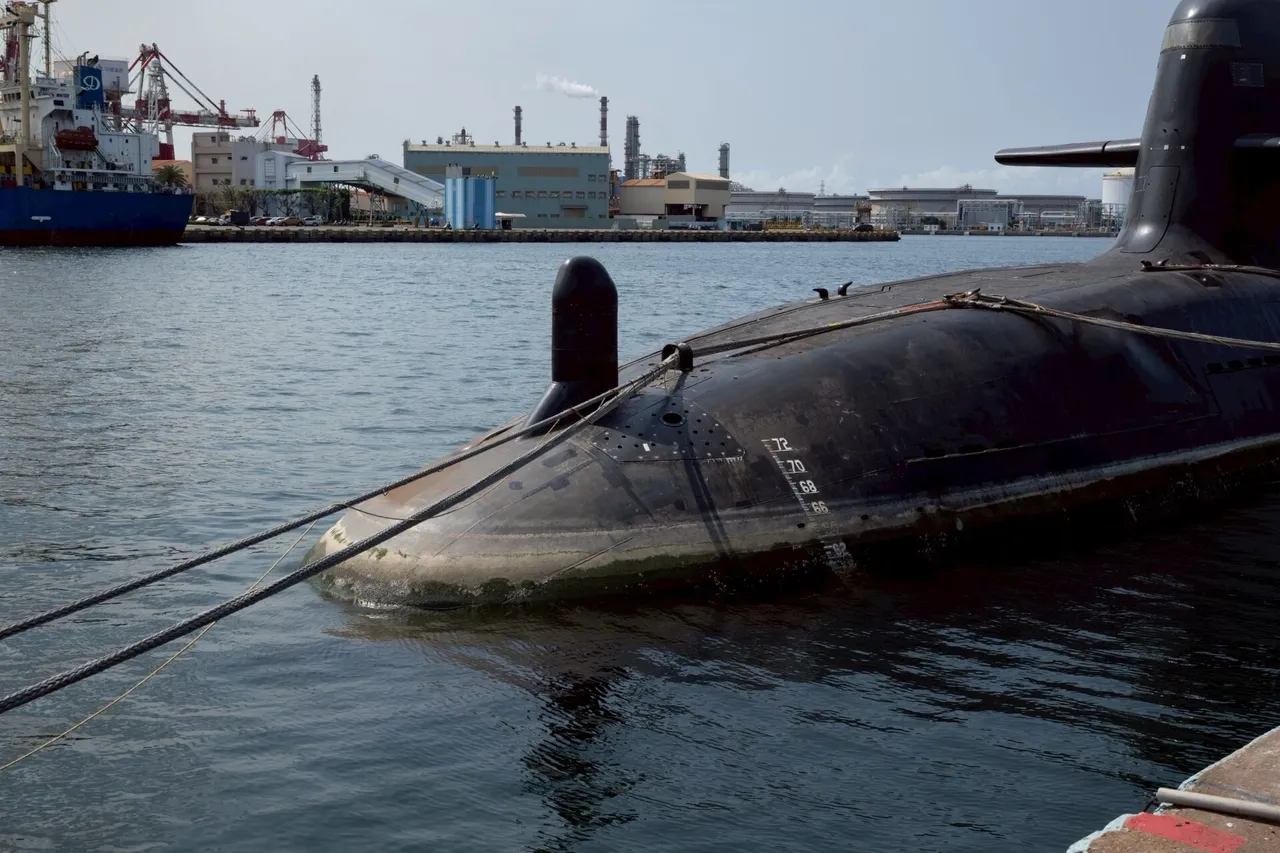
Taiwan's first indigenous submarine Hai Kun completed its 25th sea trial and 19th submerged run on 15 October 2026, and Liberty Times reported on 16 October that deep-dive and endurance tests are now the last major hurdles before a hoped-for year-end handover. The same report shifted the spotlight from prototype engineering risk to a different bottleneck: whether the Legislative Yuan will fund the seven follow-on boats once Hai Kun clears its deep-water gate.
That framing is the right one for the programme's next decade. Prototype risk still matters, but the experts Lawmaker Wang Ting-yu convened on his 308 Heights livestream argued that Hai Kun itself is likely to pass. What they fear is domestic political interference and budget politics for the rest of the class, the same failure mode that killed an earlier US offer of eight submarines in 2001.
Why the experts sound calm about Hai Kun
Taiwan Security and Development Association chair Chi Tung-yun told the programme that high sortie tempo implies system stability, that pre-sail checks are clearing earlier departures, and that CSBC chairman Chen Cheng-hong has said dry-dock adjustments over the past one to two months resolved many integration problems. Institute for National Defense and Security Research strategist Su Tzu-yun said that, once periscope delivery lag of seven to eight months is counted, the schedule is not truly late by his reckoning, and that deep-dive testing must stay safety-first because a 300-metre combat depth implies roughly 426 pounds per square inch of pressure.
Central News Agency and Taiwan News both reported the 15 October outing as the boat's 25th sea trial and 19th submergence, with Chi describing the sea-trial phase as entering its final stretch of longer and harder tests. Those wires corroborate the timeline Liberty Times used when it said deep diving and endurance runs are now the decisive gate before delivery talks. United Daily News also photographed and reported the same 15 October departure as the boat's 25th sea outing, underlining that the prototype remains in active high-tempo trials while the political argument about follow-on hulls intensifies.
The follow-on seven are the strategic risk
Asked where subsequent construction would hurt most, Chi pointed to domestic politics rather than welding or combat-system code. He recalled a 1996 line from former navy commander Koo Chung-lien that a navy without submarines is only half a navy, and argued that Taiwan needs boats both to train anti-submarine forces and to counter adversary submarines. Su agreed that political culture is the harder problem, recalling that President George W. Bush's 2001 offer of eight boats died when Taiwan's legislature failed to pass the budget and Washington walked away.
Su also sketched the industrial upside if politics do not intervene: after a cautious first boat, learning-curve effects could cut cost and build time by about 20 percent from the second hull onward. Wang closed on the budget hinge. Former president Tsai Ing-wen built public support for domestic shipbuilding, but Legislative Yuan votes still decide whether that support becomes steel in the water rather than another cancelled foreign package.
A fleet decision, not a museum piece
Hai Kun's deep-dive window in late October is a necessary engineering exam. It is not, by itself, a fleet. A single prototype that survives pressure tests still leaves Taiwan with one new hull and a political argument about seven more. If the class stalls in the legislature after delivery, the navy inherits a showcase boat rather than a submerged production line, and adversaries will price Taiwan's undersea order of battle accordingly. Wang and the experts are not dismissing deep-dive risk; they are ranking it below the political risk that has already cancelled Taiwanese submarine buys once before.
The analytical bet, then, is not whether CSBC can dive Hai Kun safely. Chi and Su already sound more confident on that question than on the budget. The bet is whether Taipei treats indigenous submarines as a multi-hull force design or as a one-off political trophy. Thursday's Liberty Times report is useful because it puts that choice in plain language while the prototype is still at sea, and because it arrives only a day after the boat's 25th outing showed the programme can still generate high-tempo trials. Lawmakers who cheer a successful deep dive without locking follow-on money will have celebrated the wrong milestone. Deep-dive success would still be real progress; it would not, by itself, invent a submarine force.
Sources
More in Analysis
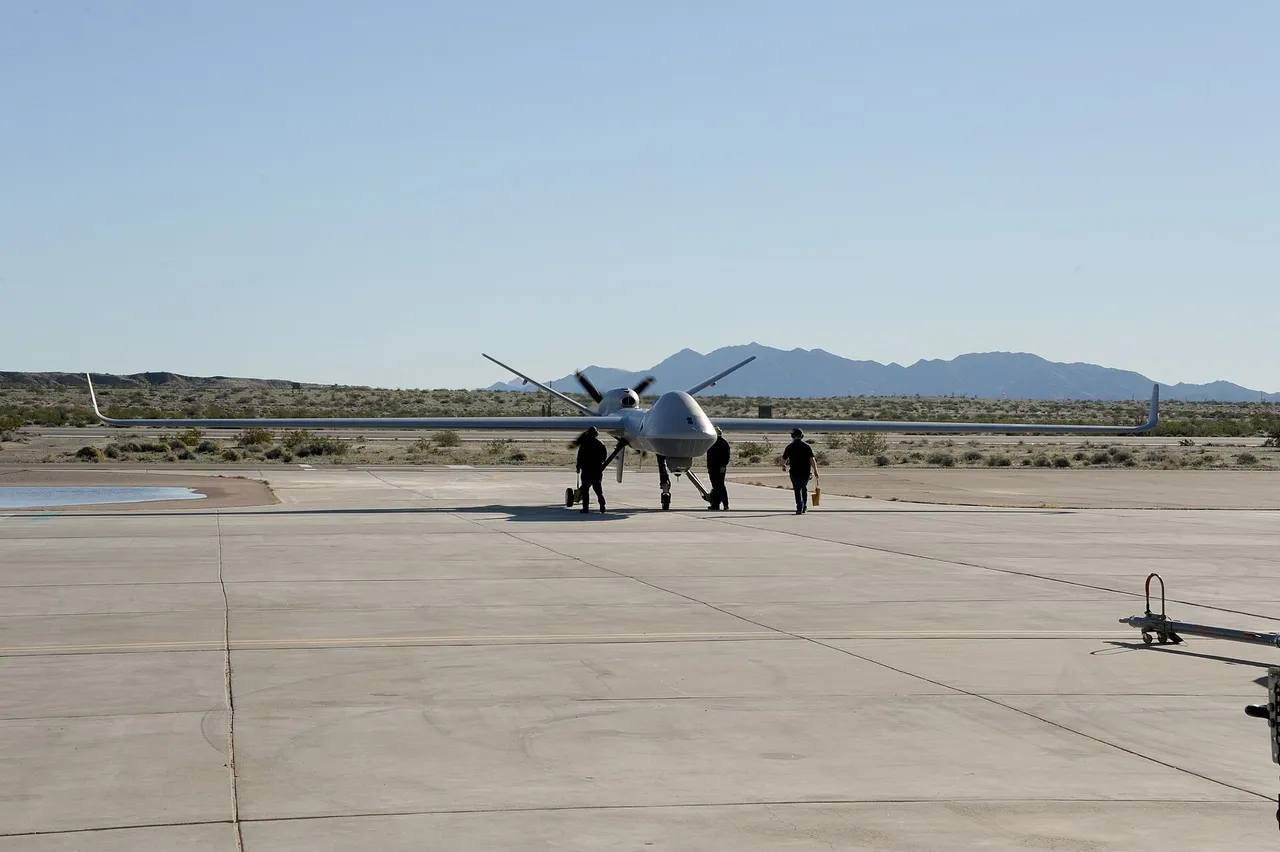
Taiwan's new MQ-9Bs will only stay airborne if US logistics stay open through 2029
A 15 October 2026 Pentagon disclosure of a $38.8m General Atomics sustainment contract, weeks after Hualien first flights, locks Taiwan's east-coast ISR endurance to a single US supply chain.
TaiwanDefence · 3h ago · 3 min read
Quieter PLA tallies can still mean total median-line pressure before Keen Sword
Taiwan's 16 October 2026 update showed eight PLA aircraft sorties and eight median-line crossings, the same week Japan scrambled fighters after Liaoning flight operations south of Ishigaki.
TaiwanDefence · 4h ago · 4 min read
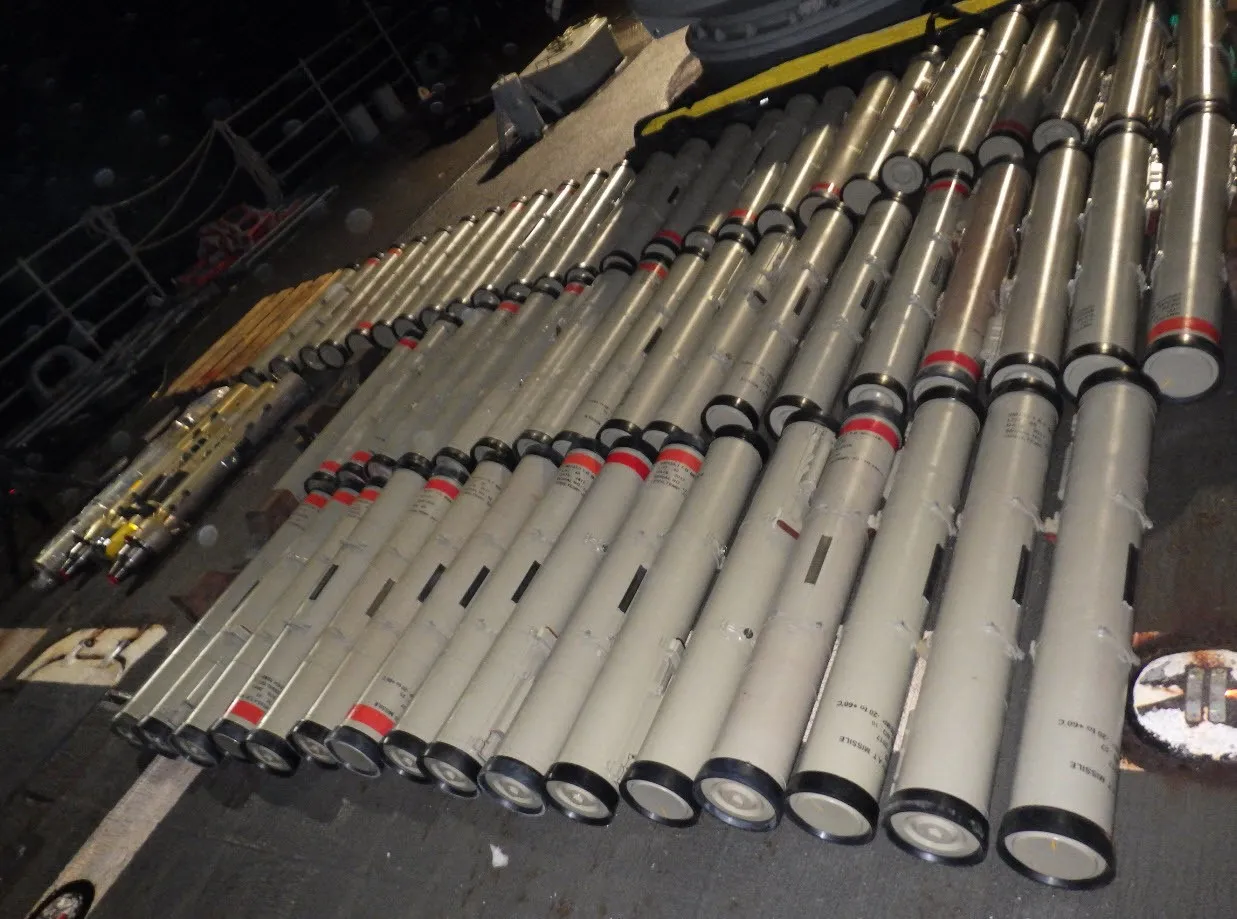
A Houthi missile built from Chinese parts shows the supply-chain fight Taiwan is in too
On 14 October 2026 a report traced Houthi missile parts to a Chinese machine shop, a warning for Taiwan's push to build China-free drones.
TaiwanDefence · 1d ago · 3 min read
Discussion (0)
Comments are not currently available.