
Japan set to leave Trump's 3.5% defence spending target out of its new security strategy
Tokyo still plans a big rise in defence and related outlays, but officials say a fixed 3.5 per cent of GDP goal would force tax rises it cannot sell, the Asahi reports.
TAIPEI —
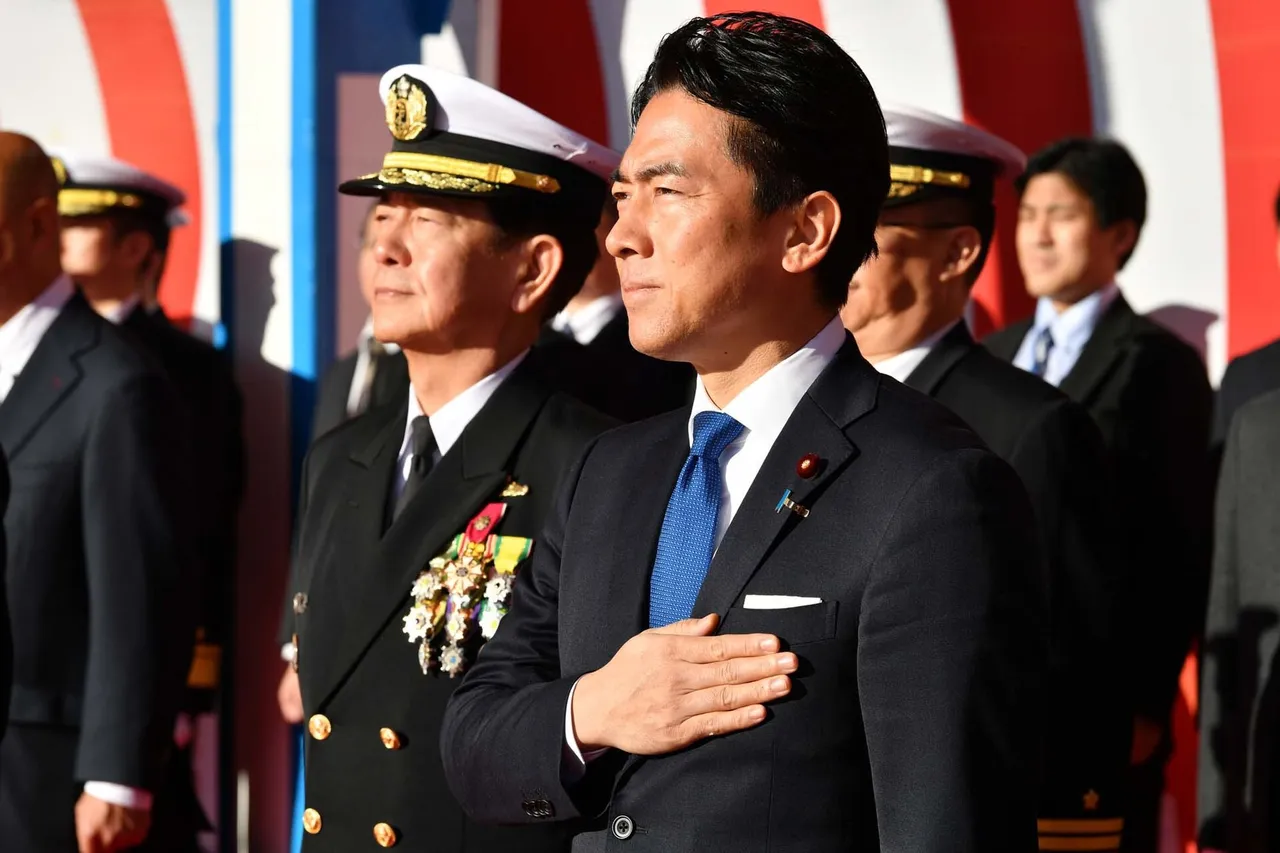
Japan is not expected to write a defence spending target of 3.5 per cent of gross domestic product into the three national security documents it will revise this year, despite repeated requests from the Trump administration, the Asahi Shimbun reported on 16 October 2026, citing government sources. The government of Prime Minister Sanae Takaichi still intends to raise defence outlays and related spending substantially.
According to the report, Washington has pressed Tokyo behind closed doors to lift defence spending to that level, describing it as a global standard for allies. Taiwan's Central News Agency, summarising the Asahi report, said Tokyo hopes a clear show of resolve to strengthen its forces will win US understanding without a fixed figure on paper.
Money is the main obstacle. Spending at 3.5 per cent of GDP would exceed 20 trillion yen, about US$127 billion, a year, and officials told the newspaper that tax increases would then be unavoidable. Many in the government and the ruling coalition regard it as politically untenable to ask the public to carry a heavy new burden while the government moves to cut the consumption tax on food to ease living costs.
Some officials believe Washington will not insist on the number because it cares more about the long-term strengthening of Japan's defence capabilities, including its defence industrial base. The government is also weighing a broader category, tentatively called comprehensive security-related expenditures, that would count budgets outside the Defence Ministry, such as economic security, artificial intelligence and space programmes.
A Finance Ministry official told the Asahi that Japan should seek US understanding by signalling its resolve to build comprehensive national power, including economic and technological strength. Other officials suggested that the 3.5 per cent level might eventually be reached by widening the definition of security spending and increasing those outlays.
The current documents, adopted in 2022 under former prime minister Fumio Kishida, set a goal of defence and related spending equal to 2 per cent of GDP in fiscal 2027. The Takaichi government reached that level two years early by earmarking about 11 trillion yen across the initial and supplementary budgets for fiscal 2025. A senior aide to the prime minister indicated that 10 trillion yen a year for defence is not enough, and a sharp increase is widely expected.
The revision covers the National Security Strategy, the National Defense Strategy and the Defense Buildup Program, which together set Japan's security policy, procurement plans and operational priorities. Takaichi told senior Self-Defense Force commanders on 2 September that the documents would be revised by the end of the year, pointing to other countries racing to field AI-enabled systems and large numbers of drones while preparing for protracted conflicts.
The US National Defense Strategy issued in January asks allies to devote 3.5 per cent of GDP to core defence spending and 5 per cent when related spending is included. NATO members have signalled plans to reach the core figure by 2035, South Korea aims to hit 3.5 per cent as soon as possible and Australia intends to reach 3 per cent by 2033, according to the Asahi.
The government and ruling parties are expected to step up talks on the size of the defence budget and how to pay for it towards the end of the year, when the three documents are due to be finalised.
Sources
More in Indo-Pacific
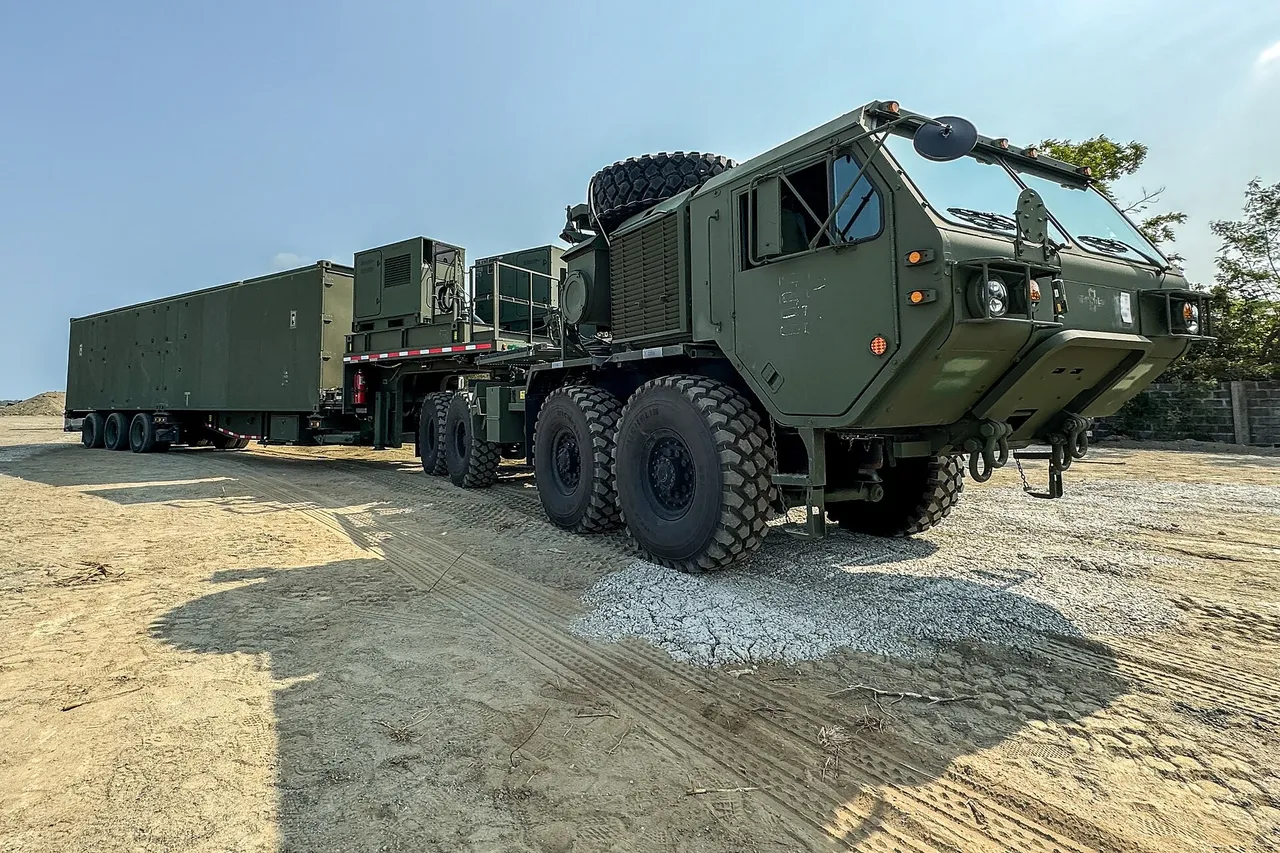
US Army Pacific says a continuing resolution is its biggest challenge for fires and networks
Gen. Ronald Clark says the fiscal 2027 stopgap is freezing Mission Partner Network gear and cheaper long-range precision fires while munitions leaders scramble on Patriot and THAAD output.
TaiwanDefence · 3h ago · 2 min read
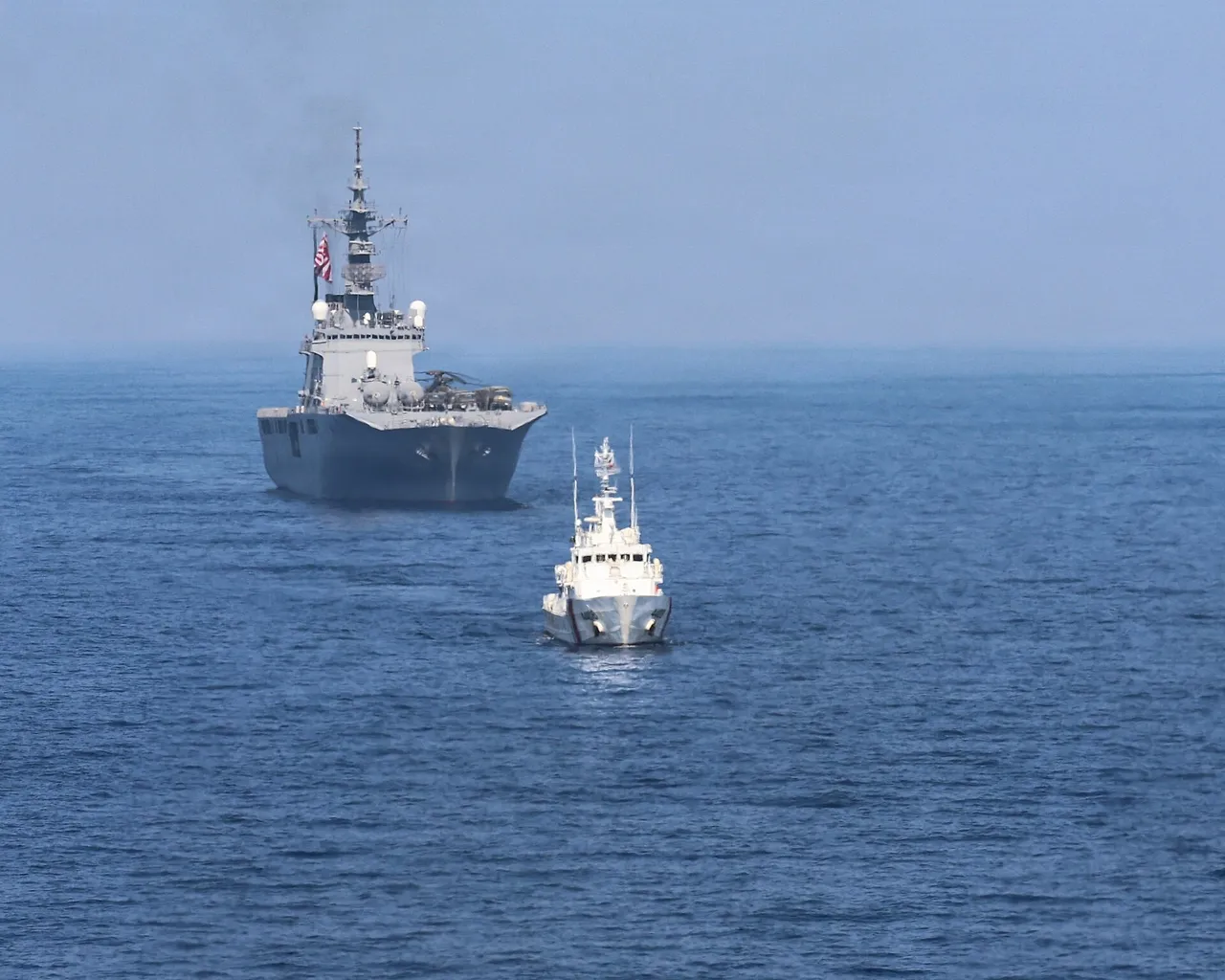
Marcos to summon China's envoy after he says Beijing could easily win a fight with Manila
Philippine leaders, including the defence secretary, read Ambassador Jing Quan's remark about using force as an attempt to intimidate Manila over the South China Sea.
TaiwanDefence · 4h ago · 3 min read
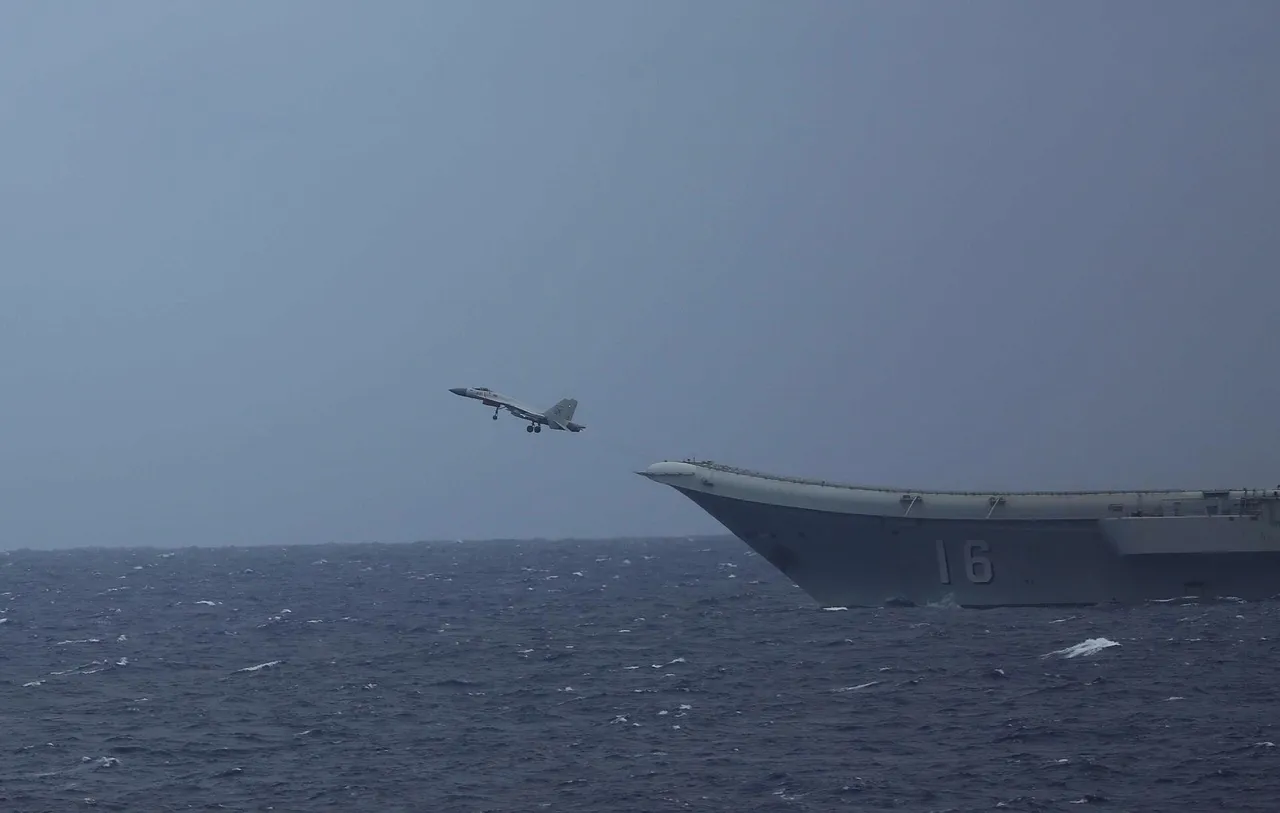
Japan's defence chief says Pacific surveillance is too thin after Liaoning carrier drills
Shinjiro Koizumi said Japan's watch over its Pacific flank is limited and must be strengthened urgently after China's carrier Liaoning flew jets south of Ishigaki.
TaiwanDefence · 5h ago · 3 min read
Discussion (0)
Comments are not currently available.