
Marcos to summon China's envoy after he says Beijing could easily win a fight with Manila
Philippine leaders, including the defence secretary, read Ambassador Jing Quan's remark about using force as an attempt to intimidate Manila over the South China Sea.
TAIPEI —
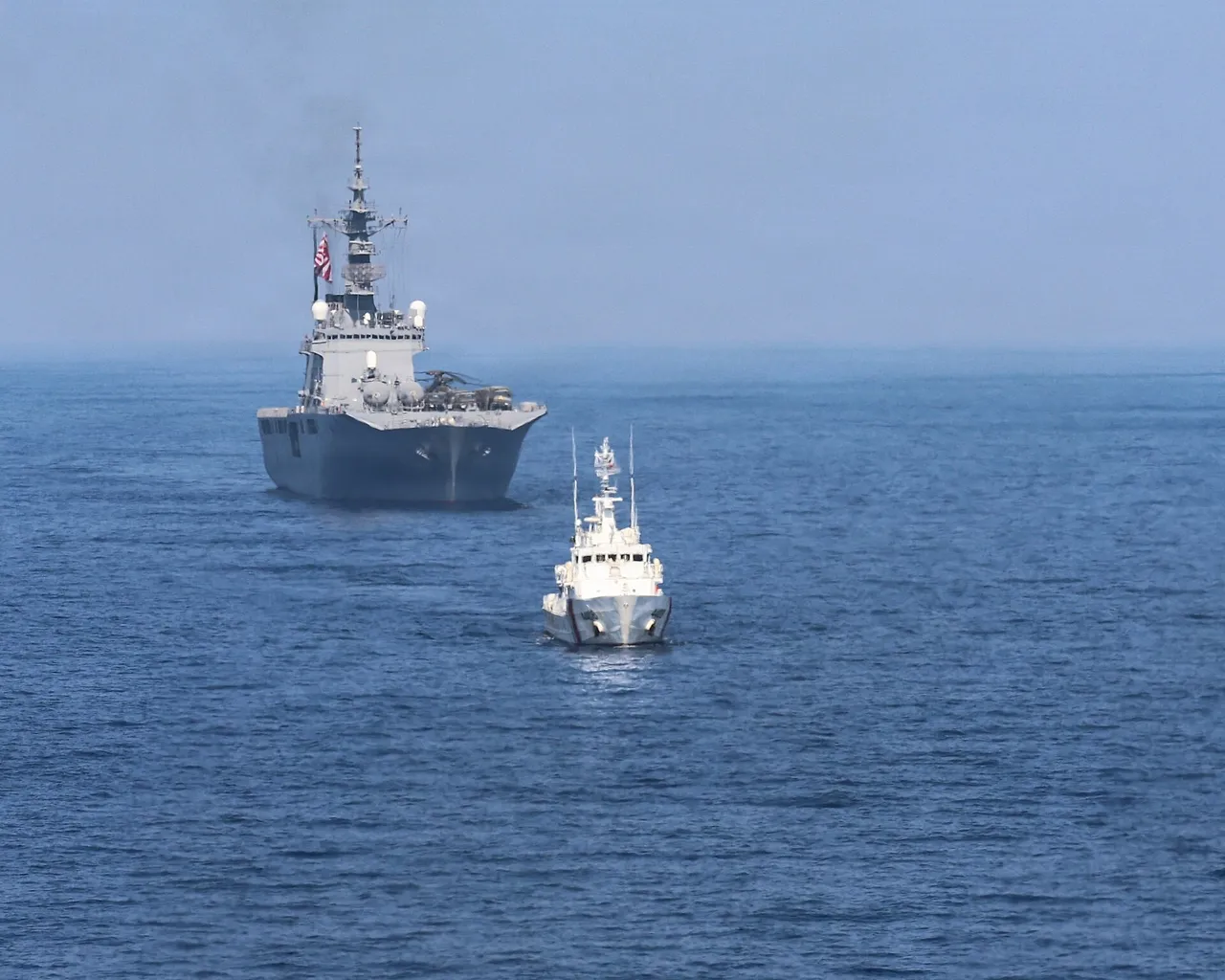
Philippine President Ferdinand Marcos Jr. said on Friday, 16 October 2026, that he intends to call in China's ambassador, Jing Quan, after the envoy told reporters in Manila that China could easily win if it chose to use force against the Philippines. Speaking to reporters at the 125th founding anniversary of the Philippine Coast Guard, Marcos said the comment sounded to him very much like a threat and was not a diplomatic thing to say, and that Manila wanted to understand exactly what the ambassador meant. Asked whether that meant a summons, the president said the matter deserved a discussion between the two of them.
Jing made the remark on Thursday, 15 October, on the sidelines of the second Diliman Dialogues forum in Quezon City, organised by a Philippines-China studies centre. Rejecting a description of China as the region's troublemaker, he said Beijing could prevail if it wanted to use force but would not do so because China loves peace, and he added that Filipinos should feel fortunate to have China as a neighbour. He also accused Philippine authorities of going after Chinese teachers and of using the army to arrest Chinese workers, without giving specific cases.
The troublemaker label he was answering came from Defence Secretary Gilberto Teodoro Jr. On 14 October, Teodoro disputed Vice President Sara Duterte's description of the Philippines as Southeast Asia's troublemaker and said the term fitted China instead, pointing to Chinese interference reaching as far as the South Pacific and to a long-range ballistic missile test in June that drew regional protests.
The Department of Foreign Affairs answered late on Thursday with a rare public admonishment. In a statement released through its West Philippine Sea spokesperson, Rogelio Villanueva Jr., the department said it was regrettable that the ambassador had chosen words that seemed to convey a thinly veiled threat of the use of force. It called the language hardly helpful given the complicated relationship between the two countries and urged every diplomat accredited to Manila to take more care so that mutual trust is not eroded further.
Teodoro went further on Friday. In a radio interview with DZMM reported by ABS-CBN News, he said the remark should not be treated as a mere policy statement because it carried an implied threat, and that its real message was that China wants peace but could use force and the Philippines would lose. He argued that Beijing was trying to frighten Manila out of resisting Chinese activity in Philippine waters, said the Philippines has no obligation to let China operate in its territory, and questioned how the country could be called fortunate while military-to-military talks with China remain suspended. He said the government was studying the ambassador's words.
Philippine Coast Guard spokesman Rear Admiral Jay Tarriela, who had shared video of the interview, called the comment a direct threat. In a post on X he argued that holding back from force against a country whose rights are already being violated amounts to coercion rather than peace, and noted that coast guard crews are regularly rammed and hit with water cannon at sea.
The Chinese embassy confirmed the remarks but said on Friday that the foreign ministry had engaged in selective quotation and over-interpretation. It said relations were at an extremely sensitive stage, accused unnamed individuals of trying to undermine exchanges, and said Jing had stressed that China sees the Philippines as a friend and neighbour. Those are the embassy's own claims. The embassy has also blamed Teodoro's suspension of direct military channels for tensions at sea, a charge the Armed Forces of the Philippines has rejected, attributing the friction to aggressive actions by Chinese maritime forces.
Some lawmakers want a firmer response. Senator Risa Hontiveros said a summons was not enough and that Manila should demand a formal retraction and apology, and declare the ambassador persona non grata if none is offered. Senator Erwin Tulfo said the country's preference for settling maritime disputes peacefully must not be mistaken for weakness.
The clash matters beyond Manila. The Philippines is a treaty ally of the United States, and Beijing's envoys have tied their warnings to Taiwan before: Jing's predecessor, Huang Xilian, was criticised in April 2023 for cautioning Manila against closer defence ties with Washington or siding with Taiwan independence, in remarks linked to the safety of Filipino workers on the island. The latest exchange also comes a week after the Philippine Coast Guard accused Chinese vessels of obstructing the medical evacuation of an ailing Filipino soldier near a disputed shoal, and ten months into what Marcos had hoped would be a year of reset with Beijing.
Sources
More in Indo-Pacific
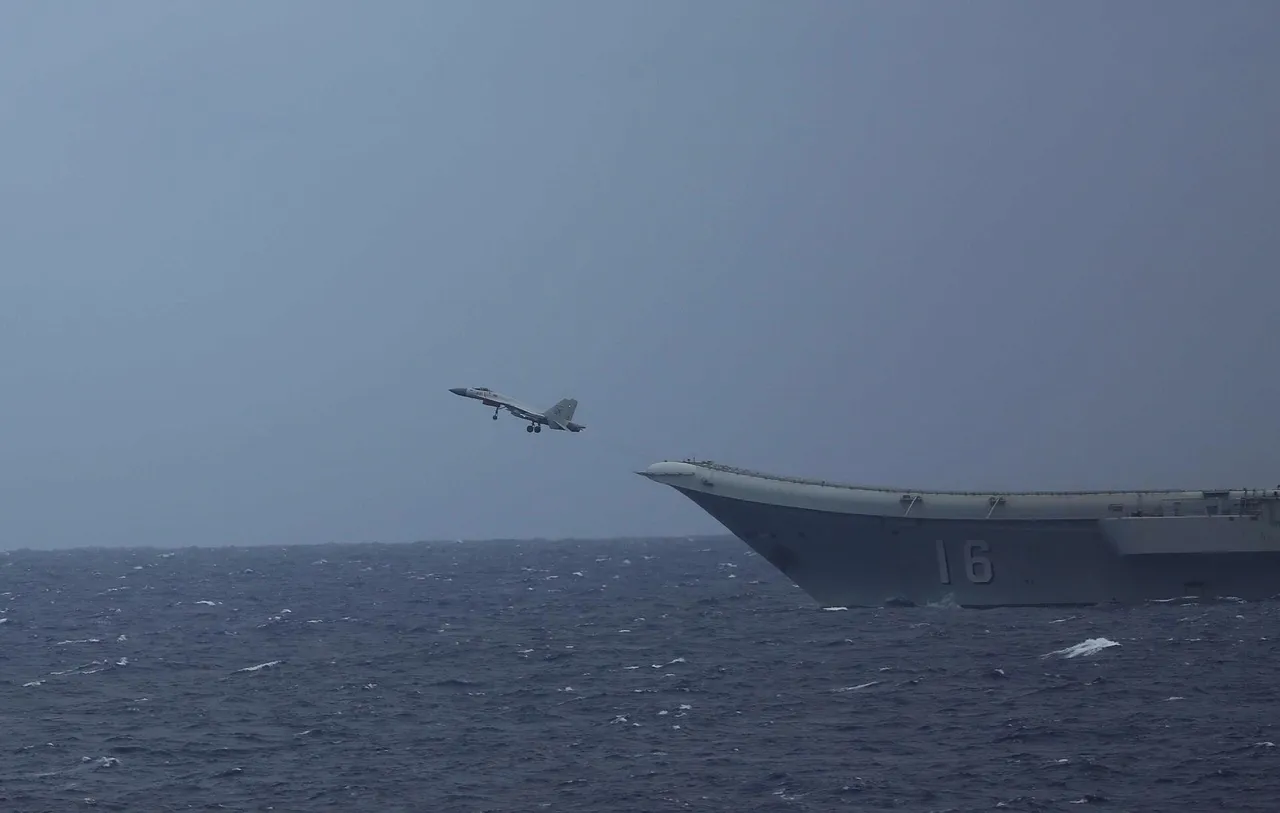
Japan's defence chief says Pacific surveillance is too thin after Liaoning carrier drills
Shinjiro Koizumi said Japan's watch over its Pacific flank is limited and must be strengthened urgently after China's carrier Liaoning flew jets south of Ishigaki.
TaiwanDefence · 2h ago · 3 min read
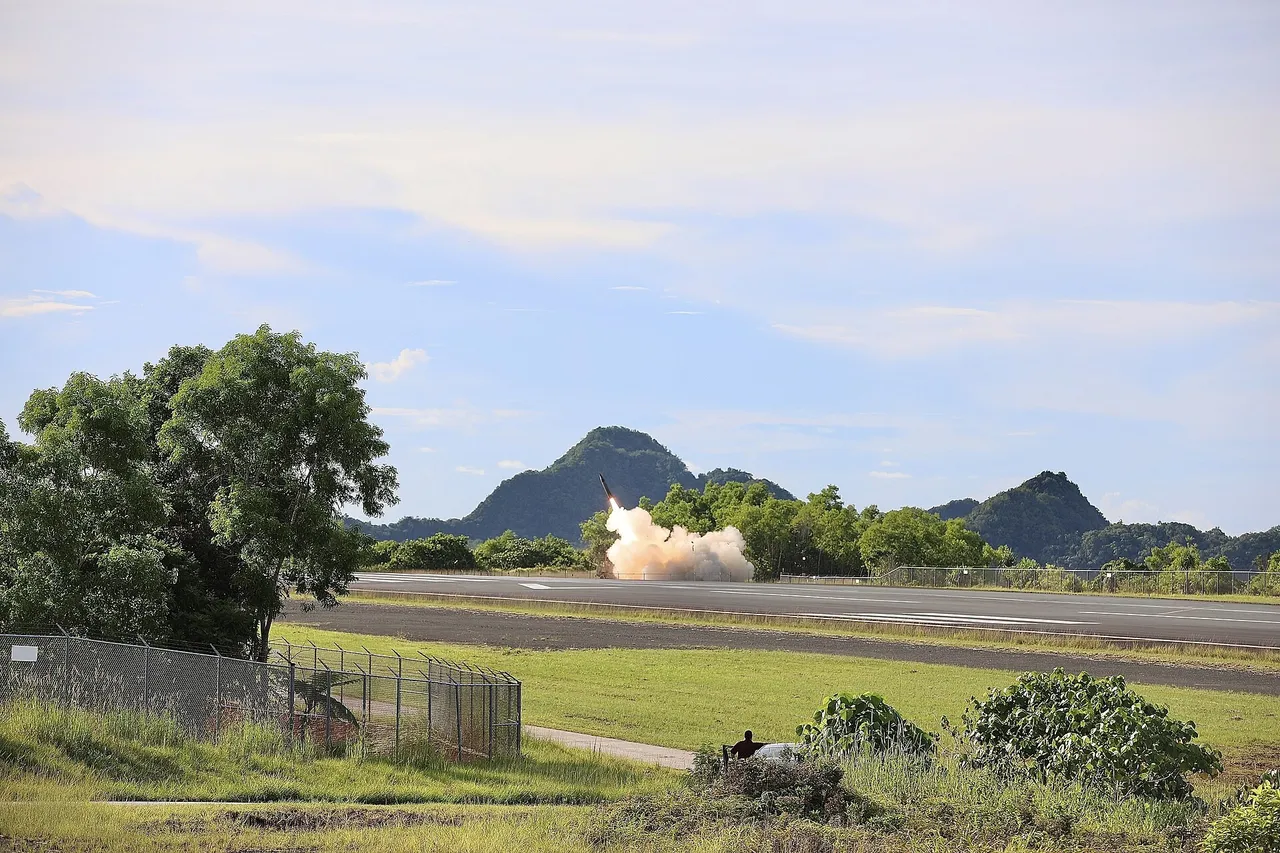
US Army will build a lighter Typhon-replacement missile launcher with Australia
The Army is adding a light variant to its autonomous CAML launcher family with Australia, aiming for a Talisman Sabre live-fire demonstration in 2027.
TaiwanDefence · 7h ago · 3 min read
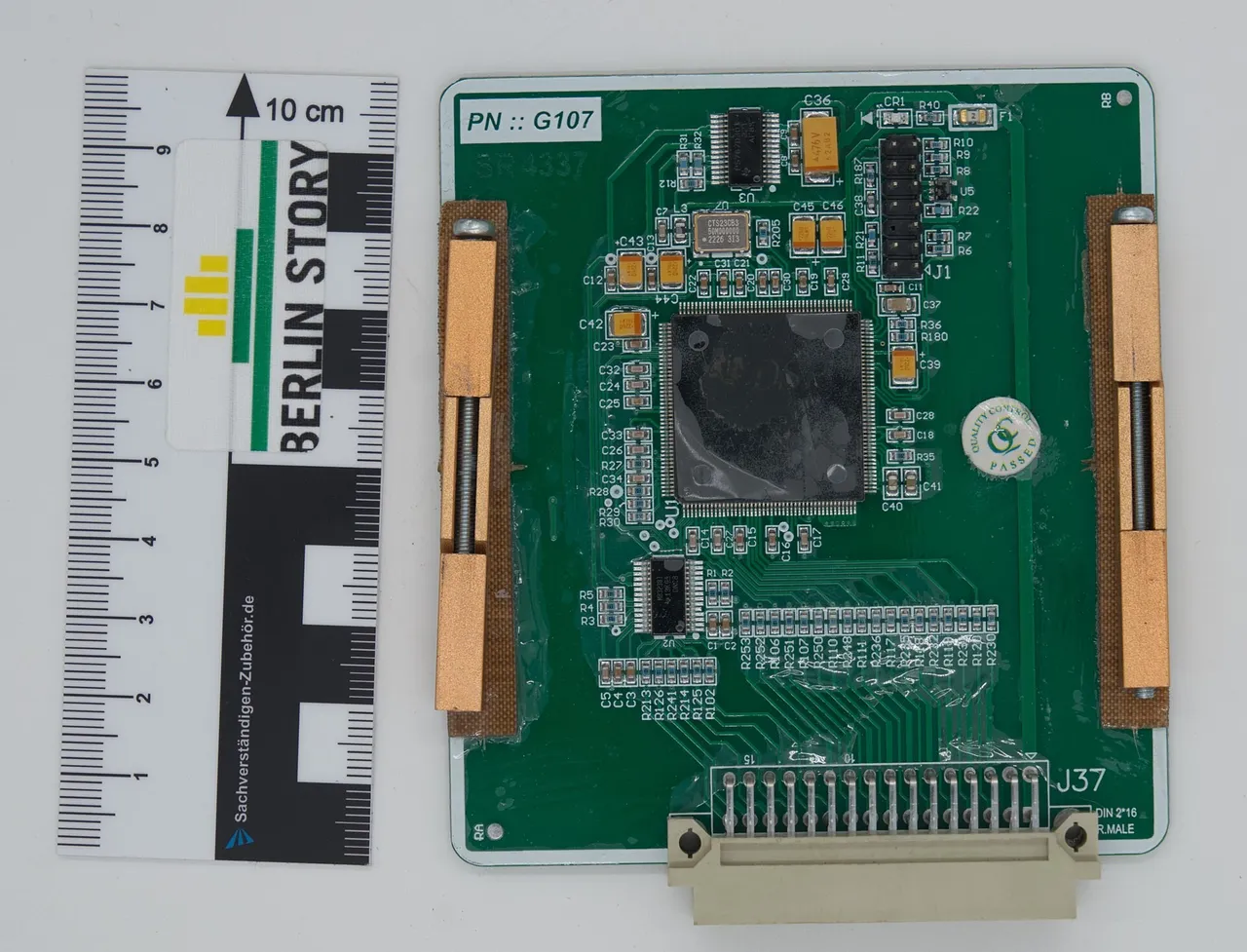
North Korean workers at Russia's top drone plant could take mass-production skills home, report says
A CSIS and Bush Institute study says up to 12,000 North Koreans build Geran attack drones at Alabuga, using mostly Chinese electronics, and warns of a sharper drone threat in Asia.
TaiwanDefence · 10h ago · 4 min read
Discussion (0)
Comments are not currently available.