
South Korean prosecutors again seek 30 years for Yoon over military drone flights to Pyongyang
Seoul's special counsel calls the 2024 drone operation graver than insurrection as an appeals court sets its ruling for 4 December.
TAIPEI —
South Korea's special counsel has asked the Seoul High Court to keep the 30-year prison term handed to former President Yoon Suk Yeol for ordering military drones over Pyongyang in 2024. The team led by Cho Eun-suk made the request on 16 October at the final hearing of the appeal, where the charges include benefiting the enemy and abuse of power. It also sought 30 years for former Defence Minister Kim Yong-hyun, 20 years for Yeo In-hyung, former head of the Defence Counterintelligence Command, and five years for Kim Yong-dae, who commanded the Drone Operations Command.
Prosecutors allege that Yoon, Kim Yong-hyun and others ordered the Drone Operations Command around October 2024 to send drones to Pyongyang in the hope of provoking a North Korean military response that could justify martial law, which Yoon declared on 3 December that year. The Seoul Central District Court convicted the defendants on most counts on 12 June, ruling that the flights were not a legitimate military operation. It sentenced Yoon and Kim Yong-hyun to 30 years each, Yeo to 15 years, and Kim Yong-dae to three years suspended for five years.
In the closing session, the special counsel argued that the offence was more serious than insurrection, because the defendants had misused the president's command of the armed forces and the minister's authority over military orders to invite an armed provocation from the North, accepting risks that ranged from a local clash to all-out war. Prosecutors said the lower court was wrong to reduce Yeo's sentence on the grounds that he had played a passive role, describing him as a core planner who attended every planning meeting and set out conditions for martial law in memos. They also called Kim Yong-dae's suspended term too lenient, saying he had organised subordinate soldiers to conceal and manipulate the operation.
Yoon's lawyers told the court that the drone flights were a lawful security response to North Korean provocations with no connection to martial law, and asked for the case to be dismissed or for an acquittal. In his final statement Yoon called the first-instance verdict judicial terror carried out in the form of a trial and again defended his martial law declaration, blaming the opposition-controlled legislature for paralysing the state. Kim Yong-hyun told the court that the claim the flights raised the risk of armed conflict was false, and argued that they had instead deterred North Korea's campaign of rubbish-filled balloons.
The appeal is likely to turn on whether the judges accept that the flights were intended to create grounds for martial law. The online outlet Freezine News reported that a separate panel of the Seoul Central District Court on 16 September acquitted a graduate student of benefiting the enemy over civilian drones he had flown into North Korea, finding that giving Pyongyang a pretext for provocation did not in itself harm South Korea's military interests. He was convicted only under aviation safety law. The same report said a Defence Ministry disciplinary inquiry found the military drone operation ran from 3 October to 19 November 2024, roughly two weeks before martial law was declared.
Freezine News also noted that the memo at the centre of the case was written by Yeo rather than by Yoon, and that the special counsel did not charge Kim Yong-dae with benefiting the enemy because it accepted that he was unaware of any martial law purpose. Yeo told the appeals court that the lower court had misread his memo and that he had only been describing opposition to martial law inside the military.
Key hearings involving military secrets were held behind closed doors in both trials on national security grounds, so the full evidence reviewed by the courts has not been made public. The Seoul High Court is due to deliver its ruling on 4 December. For South Korea's armed forces, the outcome will help define where a lawful psychological operation against the North ends and a criminal order by political leaders begins.
Sources
More in Indo-Pacific
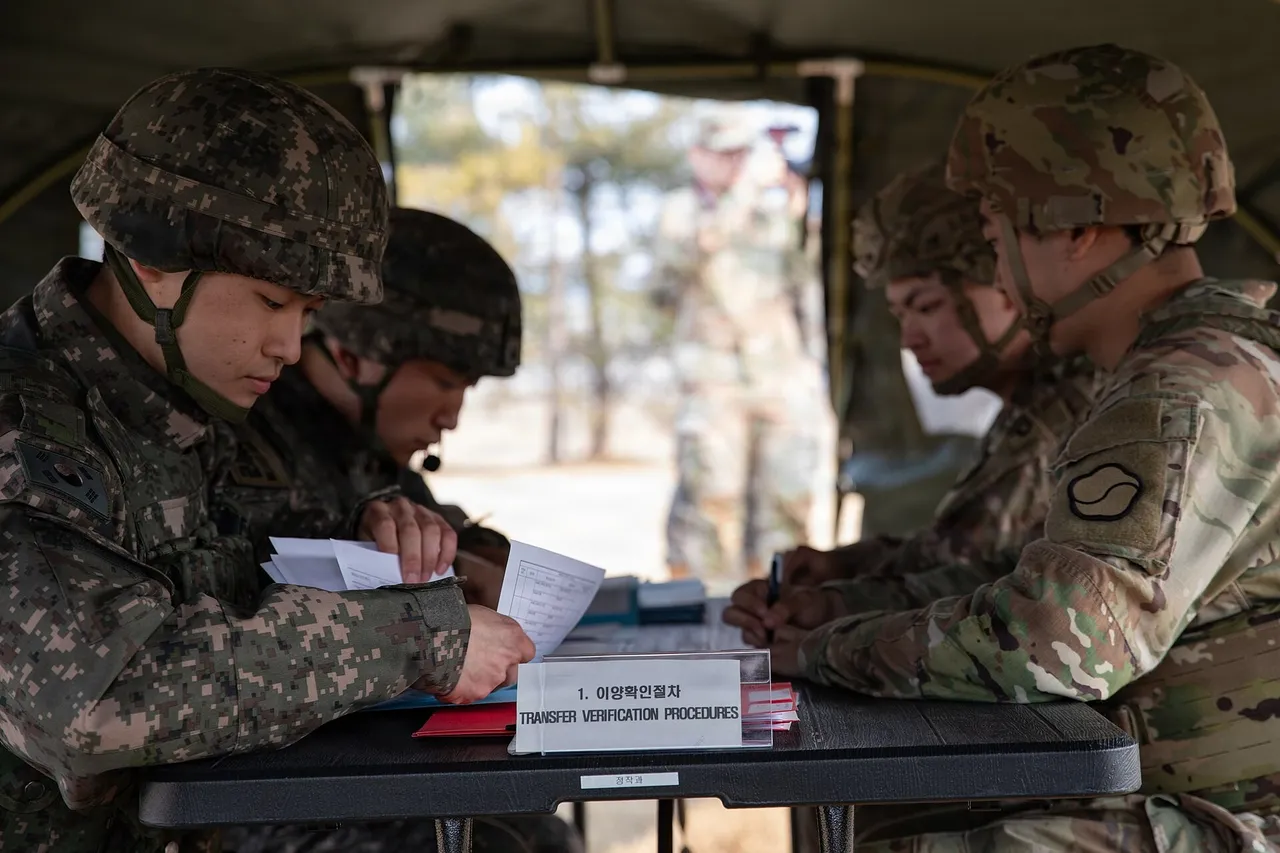
South Korea plans to put all military prosecutors and investigators under the defence minister
Seoul wants to take criminal cases away from the army, navy and air force chiefs as early as 2027, but a study on checks is not due until December.
TaiwanDefence · 25m ago · 3 min read
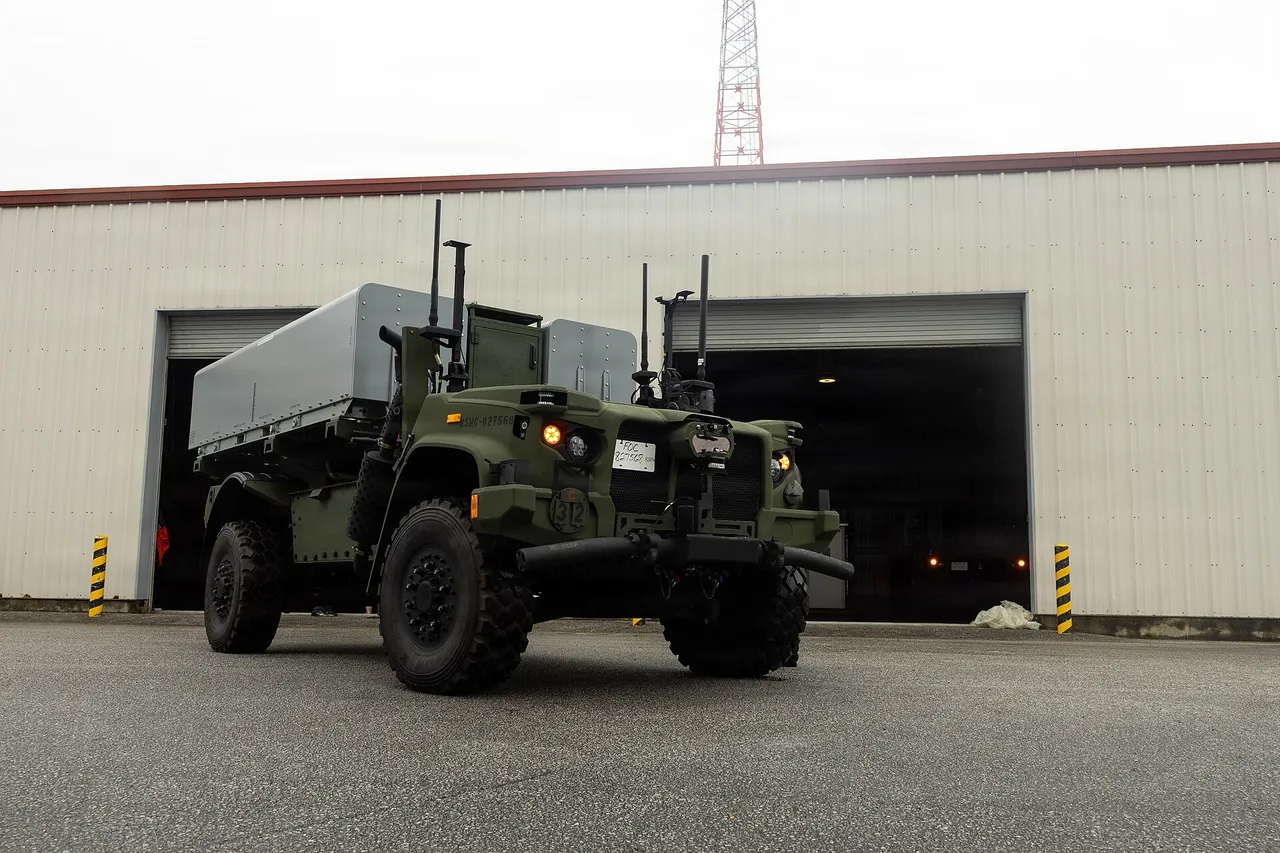
US Marines turn an East Coast artillery battalion into their first anti-ship missile unit
The Corps' first medium-range missile battalion takes NMESIS beyond the Pacific regiments on Okinawa and Hawaii, while launchers remain in short supply.
TaiwanDefence · 2h ago · 3 min read
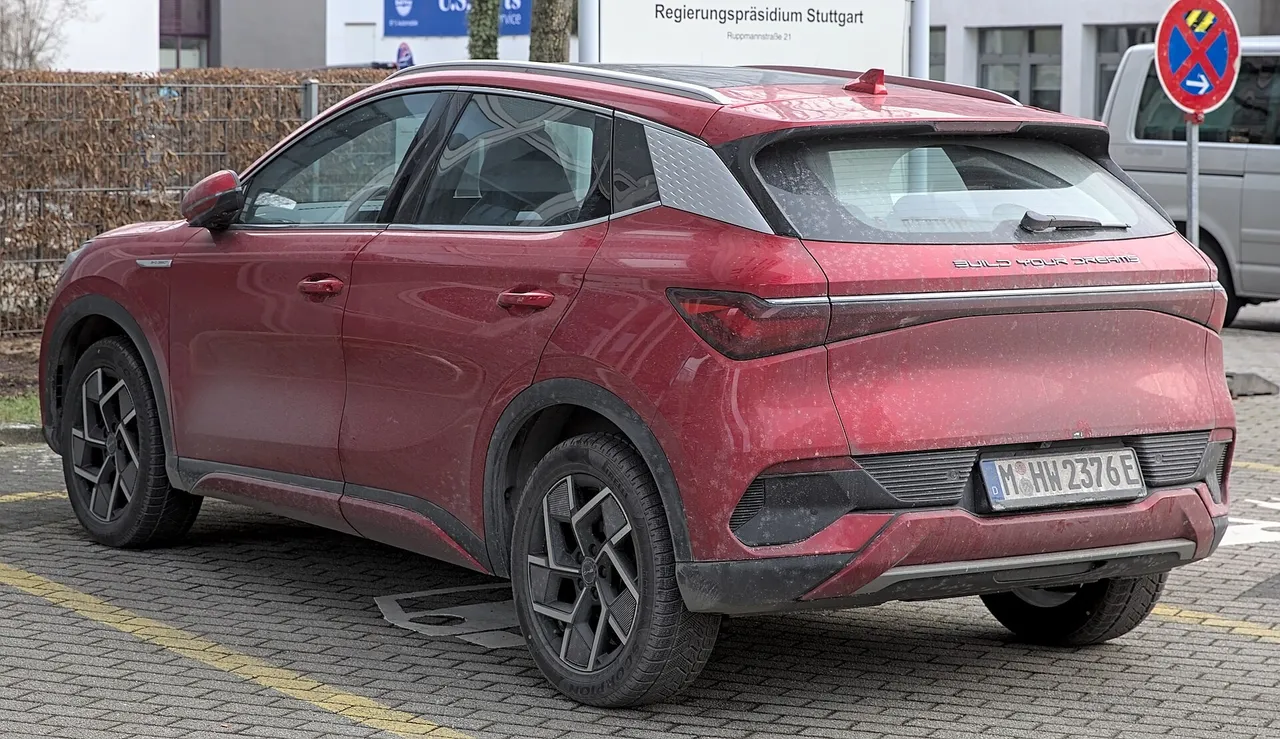
Nearly 200 Chinese connected cars can drive into South Korea's F-35 and submarine bases
A lawmaker's data shows BYD and other Chinese electric cars registered at key South Korean bases, while the defence ministry has yet to set security rules for them.
TaiwanDefence · 3h ago · 4 min read
Discussion (0)
Comments are not currently available.